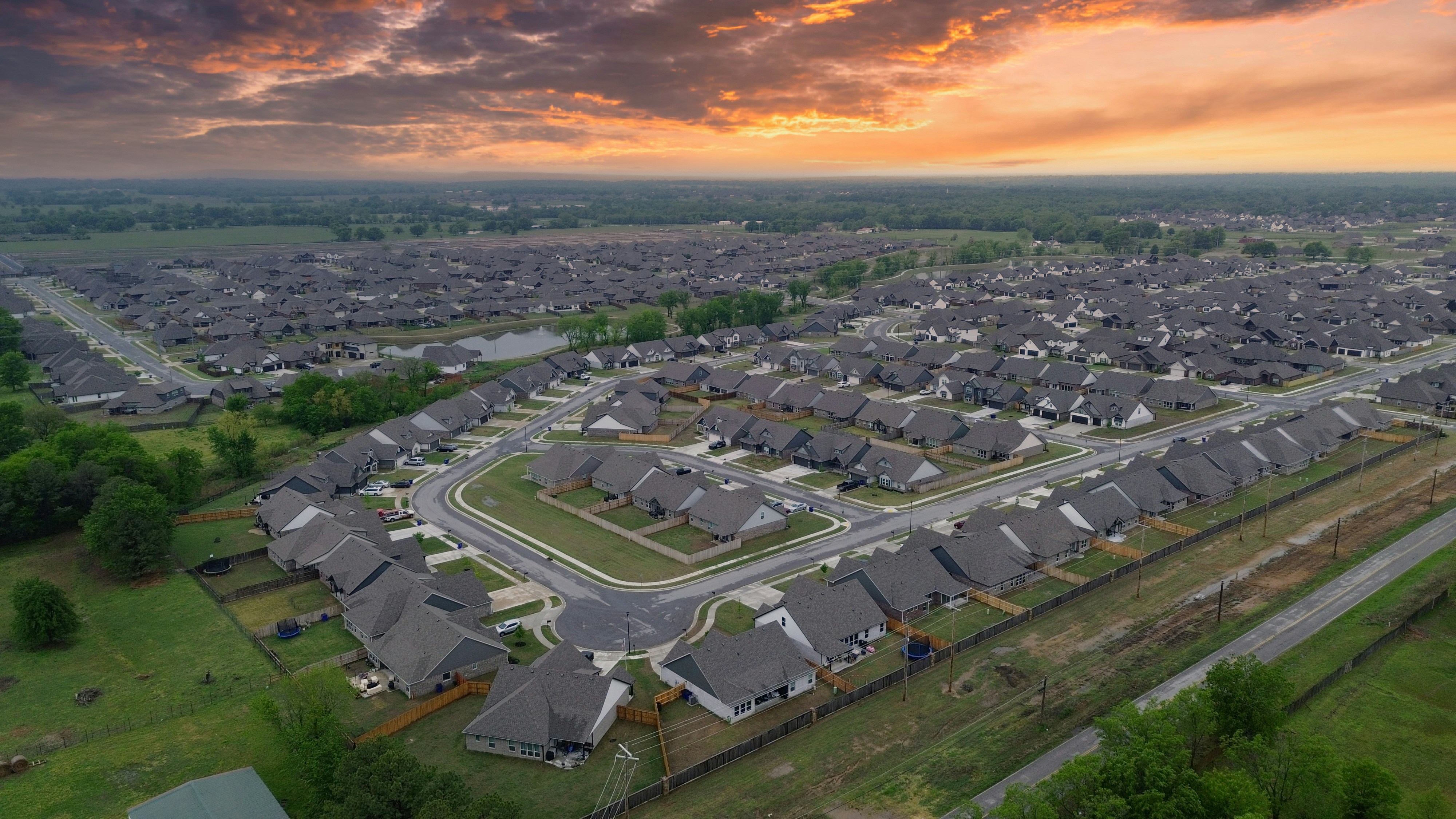
A home with a private driveway or dedicated parking space in the UK typically commands a price premium, reduces insurance risk, improves resale liquidity, and increases rental appeal—particularly in urban and commuter markets where on-street parking is restricted. For buyers and investors, parking is no longer a convenience; it is a measurable value driver that affects financing, buyer demand, and long-term asset performance.
Why Driveways and Parking Add Value
Homes with off-street parking are consistently more desirable because they solve a daily friction point: vehicle storage in areas where road space is limited. In many UK towns and cities, parking pressure has intensified due to permit schemes, congestion policies, and high vehicle ownership per household.
1. Financial Value and Resale Strength
Properties with a driveway or allocated space typically achieve stronger resale performance than comparable homes relying solely on street parking. This is especially evident in high-density locations such as London boroughs, major commuter belts, and university towns. When buyers compare similar properties, parking frequently becomes the deciding factor.
From an investment standpoint, parking can:
- Increase saleability in slower markets
- Shorten time on market
- Improve mortgage valuation confidence
- Provide additional rental yield leverage
2. Insurance and Risk Reduction
Vehicles parked off-road are statistically less exposed to theft, vandalism, and accidental damage. As a result, insurers often view driveway or garage parking more favourably than unrestricted street parking. While savings vary, secure parking can contribute to lower premiums over time.
3. Practical Lifestyle Impact
For families, professionals with long commutes, or households with multiple vehicles, off-street parking removes uncertainty. There is no competition for roadside space and no exposure to penalty charge notices from controlled parking zones.
In suburban developments and rural properties, driveways also support:
- Electric vehicle (EV) charger installation
- Visitor parking flexibility
- Ease of loading, unloading, and mobility access
4. Rental Market Advantage
Landlords benefit directly from parking availability. In tenant surveys across urban centres, parking consistently ranks among the top five deciding factors after rent level, transport links, and property condition. For buy-to-let investors, this can mean lower void periods and stronger tenant retention.
Types of Residential Parking in the UK
Not all parking is equal. Buyers should understand the legal, practical, and value differences between driveway ownership, allocated spaces, and shared arrangements.
| Parking Type | Ownership Status | Security Level | Typical Premium Impact |
|---|---|---|---|
| Private Driveway | Freehold ownership | Moderate to High | High in urban areas |
| Garage (Integrated/Detached) | Usually freehold | High | High where storage is limited |
| Allocated Parking Space | Leasehold or title deed allocation | Moderate | Moderate to High in cities |
| Car Port | Freehold or shared | Moderate | Moderate |
| On-Street Permit Parking | Local authority controlled | Low to Moderate | Minimal premium |
Private Driveways
A private driveway forms part of the property’s title and offers the highest flexibility. Buyers should verify dropped kerb approval from the local council, as unauthorised vehicle crossings can affect legality and resale.
Garages
Garages add both parking and storage utility. However, in some modern developments, garages are smaller than standard vehicle widths. Buyers should physically measure internal dimensions rather than relying on floorplans alone.
Allocated Spaces in Developments
In flats and new-build estates, parking is often leasehold and governed by management companies. Check:
- Whether the space is demised within the lease
- Service charges linked to maintenance
- Visitor parking rules
- Restrictions on commercial vehicles
Shared Driveways
Shared access arrangements are common in older terraces. These require clear rights of way defined in title documents. Disputes over obstruction or maintenance can arise if responsibilities are unclear.
Legal and Title Considerations When Buying a Home with Parking
Before exchanging contracts, buyers must verify that any driveway, garage, or allocated space is legally included in the property title or lease. Assumptions about parking rights are one of the most common causes of conveyancing delays.
Freehold Driveways
If the driveway sits within the freehold boundary, ownership is straightforward. However, buyers should still confirm:
- Boundary lines on the Land Registry title plan
- Rights of way across the driveway (for neighbouring properties)
- Maintenance responsibilities for shared surfaces
In some terraced homes, what appears to be private parking may legally include shared access rights for adjoining houses.
Leasehold and Allocated Parking Spaces
In flats and managed estates, parking is often governed by lease terms. Buyers should check whether the space is:
- Demised (legally part of the lease)
- Allocated but not owned
- Licensed annually by the management company
Each structure carries different implications for resale and mortgage lending. A demised space generally offers stronger security of tenure.
Shared Driveways and Access Rights
Where driveways are shared, clear legal easements must exist. Ambiguity over access width, obstruction rights, or maintenance cost sharing can create disputes. Solicitors should review historic covenants and any deed of variation.
Costs of Installing or Expanding a Driveway
Adding a driveway can increase property value, but buyers should weigh installation costs against local price ceilings. Costs vary depending on materials, ground conditions, and local authority requirements.
| Driveway Type | Estimated Cost per m² | Maintenance Level | Durability |
|---|---|---|---|
| Tarmac | £45–£75 | Low | Good |
| Block Paving | £70–£120 | Moderate | Very Good |
| Gravel | £30–£60 | Moderate | Variable |
| Resin Bound | £90–£150 | Low | High |
In addition to surface costs, buyers should budget for:
- Dropped kerb application fees
- Drainage compliance adjustments
- Excavation and waste removal
- Planning applications where required
Return on investment depends heavily on location. In urban zones with limited parking, installation can materially improve marketability. In areas where most homes already have parking, uplift may be marginal.
Planning Permission and Dropped Kerb Rules
Planning permission is not always required to install a driveway, but local authority approval is typically required for a dropped kerb. Without an authorised vehicle crossover, parking on a front garden may be unlawful.
When Planning Permission Is Required
- If impermeable materials exceed 5m² without drainage provision
- If the property is listed
- If located in a conservation area with specific restrictions
Dropped Kerb Applications
Local councils assess:
- Road safety visibility
- Proximity to junctions
- Impact on street infrastructure (trees, utilities, lighting columns)
Installation without approval can result in enforcement notices or refusal to insure the works. Buyers considering properties with recently installed driveways should request evidence of council consent.
Common Buyer Mistakes with Driveways and Parking
Parking can appear straightforward, but several recurring mistakes create legal or financial complications.
1. Assuming Parking Is Included
Marketing materials sometimes describe “parking available” without clarifying ownership. Buyers must confirm legal inclusion in the contract pack.
2. Ignoring Drainage Compliance
Surface water regulations require sustainable drainage solutions. Non-compliant driveways may require costly retrofitting.
3. Overestimating EV Charger Feasibility
Not all parking spaces support easy charger installation. Flats may require freeholder consent and grid capacity checks.
4. Underestimating Access Width
Modern vehicles are wider than older driveways were designed for. Buyers should physically test access clearance, especially in terraced streets.
5. Neglecting Long-Term Maintenance
Block paving may require periodic re-levelling. Gravel can disperse. Poor drainage can cause surface deterioration. Maintenance costs should be factored into ownership projections.
For investors and homeowners alike, parking should be evaluated with the same scrutiny as structural condition or lease length. It influences daily use, resale performance, and regulatory compliance.
Driveway vs Garage: Which Adds More Value?
In most UK markets, a functional driveway adds broader buyer appeal than a single garage, but a secure, usable garage can command a stronger premium where storage is limited. The real value depends on usability, location, and buyer profile.
When a Driveway Adds More Value
- Urban areas with limited street parking
- Family homes with multiple vehicles
- Properties without rear access
- Buyers prioritising convenience over storage
A driveway offers immediate visibility and daily convenience. It also supports EV charging installation more easily than a remote garage block.
When a Garage Adds More Value
- High-value areas where secure storage is essential
- Homes lacking loft or outbuilding storage
- Markets with high vehicle theft risk
- Detached and semi-detached suburban properties
However, many modern buyers use garages for storage rather than vehicle parking. Narrow internal widths in new-build estates reduce practical vehicle usability. A garage that cannot comfortably accommodate a standard family car delivers limited value.
Practical insight: The most valuable configuration is often a driveway plus garage, offering flexibility, storage, and secure parking.
Electric Vehicles and Future-Proofing Your Property
Private off-street parking significantly increases a property’s suitability for electric vehicle ownership. As EV adoption grows, homes with charging potential are likely to experience stronger long-term demand.
Why Driveways Matter for EV Charging
- Direct installation without trailing cables across pavements
- Lower installation complexity compared to communal parking
- Eligibility for certain infrastructure incentives (subject to government schemes)
Flats and leasehold developments may require:
- Freeholder consent
- Management company approval
- Electrical capacity assessments
Buyers planning long-term ownership should assess grid capacity, fuse board condition, and cable routing options during surveys.
As councils expand low-emission zones and reduce roadside charging reliance, private driveway charging becomes a practical advantage rather than a luxury feature.
How to Market a Property with Driveway and Parking
When selling, clearly presenting parking details improves enquiry quality and reduces transaction friction. Ambiguity around parking rights often causes late-stage renegotiation.
Essential Details to Include in Listings
- Number of vehicles accommodated
- Driveway dimensions (length and width)
- Garage internal measurements
- EV charger installation (if applicable)
- Dropped kerb approval confirmation
Photographs should show:
- Clear access from the road
- Turning space where relevant
- Surface condition
For sellers in competitive markets, parking should be positioned as a practical benefit supported by documentation—not a vague convenience.
Frequently Asked Questions
Does a driveway always increase property value in the UK?
In most urban and commuter markets, yes. The premium depends on parking scarcity and local demand. In rural areas where parking is standard, the uplift may be limited.
Do I need planning permission to convert my front garden into a driveway?
Planning permission is generally not required if permeable materials are used or drainage provisions are installed. However, council approval is required for a dropped kerb.
Is an allocated parking space as valuable as a private driveway?
An allocated space can add value, particularly in city developments. However, a freehold private driveway typically offers stronger ownership security and broader buyer appeal.
Can I install an EV charger in a flat with allocated parking?
Possibly, but you will usually need freeholder or management company consent, and electrical capacity must be assessed before installation.
Do lenders consider parking when valuing a property?
Yes. Surveyors assess parking availability as part of overall marketability and comparables analysis, particularly in high-demand urban locations.
Key Takeaways
- Parking Drives Value: Off-street parking increases desirability, especially in dense urban markets.
- Legal Clarity Is Essential: Always verify title ownership or lease rights before purchase.
- Installation Costs Vary: Budget for materials, drainage compliance, and dropped kerb approval.
- Future Demand Is Rising: EV adoption strengthens the long-term value of private driveways.
- Usability Matters: Width, access, and documentation affect both enjoyment and resale.
References
- UK Planning Portal – Guidance on permeable surfaces and driveways
- HM Land Registry – Title plan and property boundary guidance
- UK Government – Electric vehicle infrastructure policies
- Local Authority Highways Departments – Dropped kerb regulations