
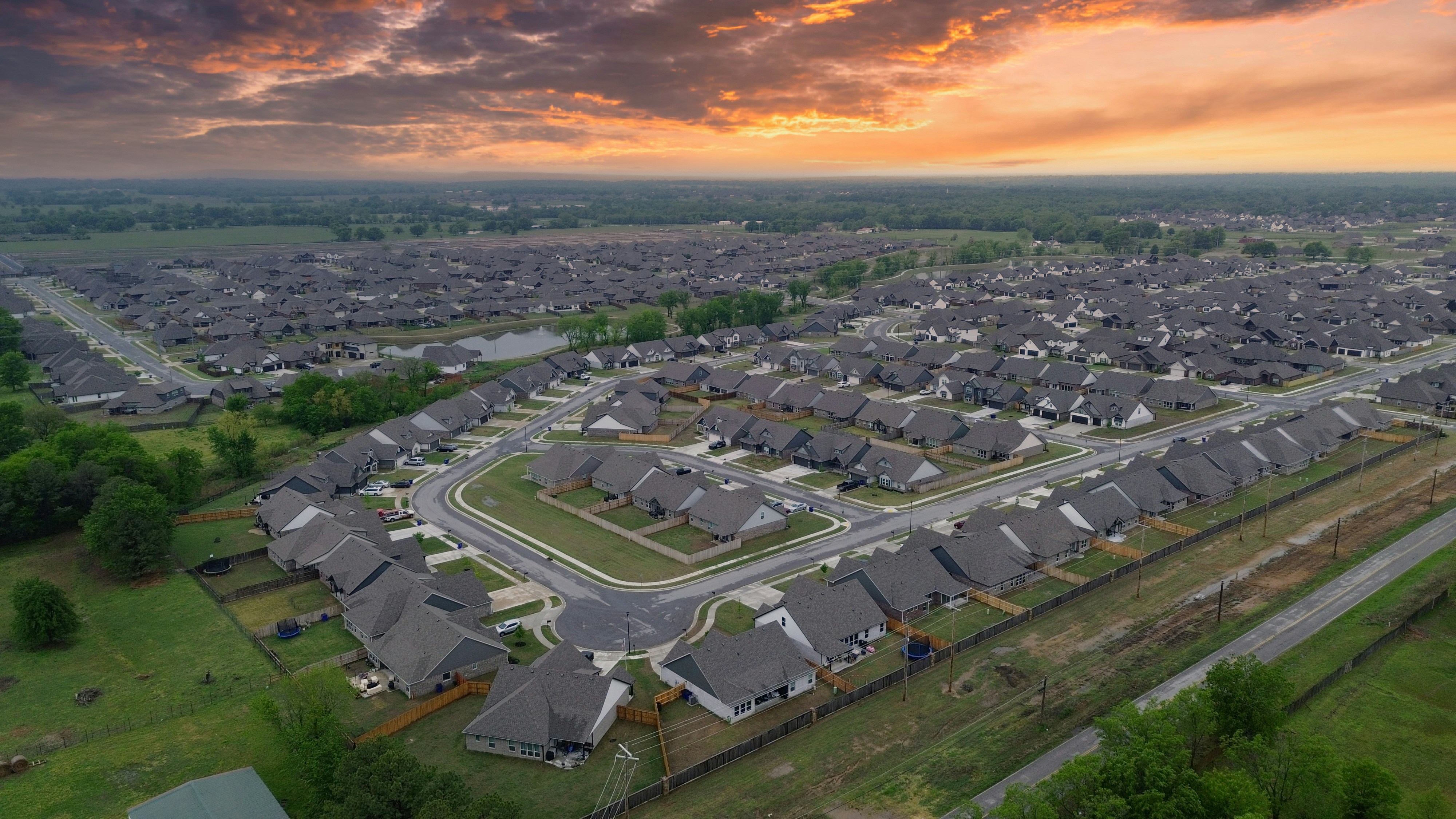
Social factors influence property value by shaping who wants to live in an area, how long they stay, and what they are willing to pay. In both urban and suburban markets, demographics, education quality, and social stability directly affect demand, price resilience, and long-term appreciation. Buyers, investors, and landlords who understand these factors can better assess risk, predict value trends, and make informed location decisions.
What social factors mean for property value
Social factors are characteristics of people and communities that influence housing demand beyond physical property features or economic conditions. These include population composition, household structure, education standards, crime perception, and community engagement. In urban markets, social factors often determine micro-market performance within the same city. In suburban markets, they influence long-term desirability and resistance to market downturns.
Unlike short-term economic drivers, social factors tend to evolve gradually. This makes them especially relevant for long-term investors, owner-occupiers planning extended stays, and developers assessing future demand. Areas with strong social fundamentals typically show steadier price growth, lower vacancy rates, and faster recovery after market corrections.
How demographics and population dynamics affect property value
Demographics affect property value by determining housing preferences, purchasing power, and turnover rates. Age distribution, household size, income diversity, and migration patterns shape what types of properties are in demand and how prices behave over time.
In urban markets, younger populations and inward migration often increase demand for apartments, rental housing, and mixed-use developments. This can support higher price-per-square-foot values, even in smaller units. In suburban markets, family-oriented demographics typically drive demand for larger homes, proximity to schools, and long-term owner occupancy, which stabilises prices.
Population growth is generally positive for property values, but the source of growth matters. Growth driven by stable employment and family formation supports sustained appreciation. Growth driven primarily by short-term or transient populations can inflate prices temporarily without long-term resilience.
Why education quality consistently influences urban and suburban prices
Education quality is one of the most consistently observed social drivers of property value. Access to well-regarded schools increases demand from families, reduces average time on market, and supports premium pricing across both urban and suburban areas.
In suburban markets, school catchment areas often create clear price differentials between otherwise similar neighbourhoods. Properties located within strong school zones tend to hold value during downturns and recover more quickly after market slowdowns.
In urban markets, proximity to reputable public schools, private institutions, and higher education campuses can attract both owner-occupiers and long-term renters. This supports rental demand and reduces vacancy risk for landlords. Education infrastructure also signals long-term public investment, which reassures buyers and lenders.
Community stability and social cohesion as value anchors
Community stability refers to how rooted residents are in an area, reflected in homeownership rates, length of residence, and civic engagement. Neighbourhoods with stable populations often experience lower crime perception, better upkeep, and stronger local networks. These factors support buyer confidence and long-term property value.
In suburban areas, high levels of community involvement—such as active resident associations or local events—can significantly enhance desirability. Buyers often associate these traits with safety, predictability, and quality of life.
In urban environments, social cohesion can vary street by street. Even within high-density cities, pockets of stable, well-connected communities often command price premiums compared to nearby areas with higher turnover and weaker social ties.
How safety and crime perception shape property values
Safety influences property value by directly affecting buyer confidence, lender risk assessment, and long-term occupancy. Areas perceived as safe consistently attract stronger demand, longer tenancies, and higher resale interest. This effect applies across both urban and suburban markets, although the drivers differ in scale and visibility.
In urban markets, even minor differences in crime perception between neighbouring districts can result in measurable price gaps. Buyers often prioritise walkability combined with personal safety, particularly for evening activity and public transport use. Properties in areas with stable safety records tend to experience faster price recovery after market corrections.
In suburban markets, safety is closely tied to family demand. Low crime rates support owner-occupancy, reduce turnover, and encourage long-term investment in housing stock. This stability often translates into steadier appreciation rather than short-term price spikes.
Lifestyle amenities as social value multipliers
Lifestyle amenities influence property value by enhancing daily living rather than directly increasing income potential. Access to parks, healthcare facilities, retail centres, cultural venues, and social spaces shapes how residents experience a location. These amenities are particularly influential when buyers compare similar properties across different neighbourhoods.
In urban areas, proximity to cafés, gyms, public spaces, and healthcare hubs supports higher density living and rental demand. Such amenities often justify premium pricing in smaller units where private space is limited.
In suburban markets, lifestyle amenities reinforce long-term settlement. Green spaces, family recreation facilities, and accessible healthcare contribute to neighbourhood longevity. This reduces volatility and supports gradual value growth aligned with population stability.
Cultural diversity and social inclusivity in housing demand
Cultural diversity affects property value by broadening demand and supporting resilience during economic shifts. Areas that accommodate varied cultural, linguistic, and lifestyle needs tend to attract a wider buyer and tenant base. This diversity can reduce reliance on a single demographic group.
In urban markets, culturally diverse neighbourhoods often support mixed-use development, flexible housing formats, and sustained rental demand. These areas may experience faster adaptation to changing housing preferences, which protects long-term value.
In suburban settings, increasing diversity can signal demographic transition. When supported by inclusive infrastructure such as schools, healthcare, and community services, this transition often strengthens demand rather than weakening it.
What social factors mean for buyers, sellers, and investors
Social factors affect transaction outcomes by shaping buyer perception and long-term holding value. Buyers benefit from understanding whether a location’s social profile aligns with their intended length of stay. Sellers benefit from recognising which social attributes are most valued by their target market.
For owner-occupiers, social compatibility often outweighs short-term price considerations. Proximity to schools, community safety, and neighbourhood stability influence satisfaction and resale confidence.
For investors and landlords, social factors determine tenant quality, vacancy risk, and rent consistency. Locations with strong social fundamentals typically experience fewer prolonged vacancies and more predictable income streams.
Assessing social risk in property location decisions
Social risk refers to the likelihood that changes in population behaviour or community structure will negatively affect property value. Unlike market volatility, social risk is often gradual but difficult to reverse once established.
Indicators of elevated social risk include high resident turnover, declining school enrolment quality, reduced civic engagement, and inconsistent public investment. These signals may appear before price stagnation becomes visible in transaction data.
Buyers and investors mitigate social risk by evaluating long-term community indicators rather than relying solely on recent price trends. Areas with consistent public services, stable demographics, and adaptable social infrastructure generally present lower downside risk.
Frequently Asked Questions
Do social factors matter more than economic factors in property value?
Social factors and economic factors are interconnected. Social stability often determines how well a property market performs during economic fluctuations.
Are social factors more important in urban or suburban markets?
Social factors matter in both, but they influence value differently. Urban markets respond faster to social change, while suburban markets reflect it over longer periods.
Can poor social conditions permanently reduce property value?
Persistent social decline can suppress long-term value if not addressed through policy or community investment. However, social conditions can improve with sustained intervention.
How can first-time buyers evaluate social factors?
First-time buyers should assess schools, safety perception, community engagement, and long-term population trends rather than focusing only on price.
Key Takeaways
- Social factors drive demand: Demographics, education, safety, and cohesion directly influence buyer behaviour.
- Urban and suburban impacts differ: Urban markets react quickly to social change; suburban markets reflect stability over time.
- Education and safety are core anchors: These factors consistently support long-term value across locations.
- Social risk is gradual but significant: Early indicators often appear before price changes become visible.
References
- Urban Institute – Housing, Communities, and Social Outcomes
- OECD – Social Indicators and Regional Development
- UK Office for National Statistics – Housing and Population Trends
- Harvard Joint Center for Housing Studies – Neighbourhood Change Research





Emerging social trends reshaping urban and suburban property values
Social trends influence property value by altering where and how people choose to live. These trends often precede measurable price changes, making them critical indicators for long-term planning. Remote work adoption, changing household structures, and shifting lifestyle priorities are currently the most influential forces.
In urban markets, demand has become more selective. Buyers increasingly favour neighbourhoods that combine density with liveability, including access to green space, healthcare, and community services. This has led to uneven price performance within cities, with socially resilient districts outperforming others.
In suburban markets, social trends have expanded the buyer base. Areas offering social infrastructure alongside connectivity to employment hubs have seen stronger demand from younger households. This trend supports gradual value appreciation rather than rapid speculative growth.