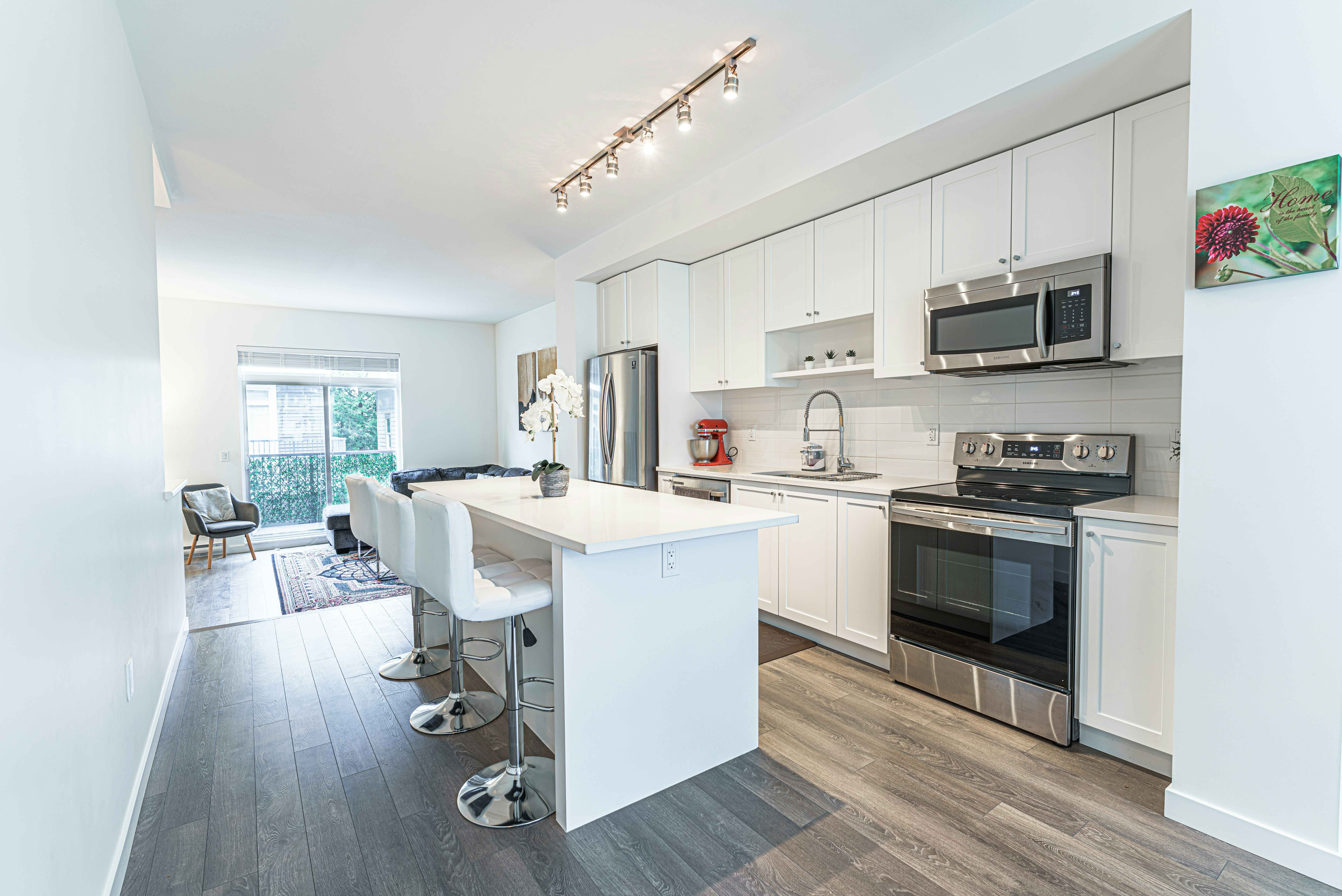
Property sales in Marbella primarily involve three residential asset types—apartments, houses, and villas—each governed by the same Spanish conveyancing framework but differing materially in pricing, ownership structures, running costs, legal checks, and buyer profiles. Understanding these differences is essential for making an informed purchase or sale decision in Marbella’s international, high-value property market.
Marbella Property Market Overview
Marbella is a mature coastal property market on Spain’s Costa del Sol, characterized by sustained international demand, limited prime land availability, and a broad spectrum of residential stock. Property sales in Marbella are driven by lifestyle buyers, second-home owners, long-term residents, and investors seeking capital preservation rather than short-term speculation.
The local market operates under Spanish property law, with transactions formalized before a notary and registered in the Land Registry. Unlike some jurisdictions, Marbella has no separate rules for foreign buyers; non-residents can freely purchase property, subject to standard identification, tax registration, and anti–money laundering checks.
From a sales perspective, Marbella’s housing stock can be divided into three dominant categories: apartments (typically within gated communities), houses or townhouses (often part of residential developments), and standalone villas. Each category attracts a different buyer segment and carries distinct legal and financial considerations that directly affect pricing, liquidity, and resale dynamics.
Location within Marbella strongly influences property values. Central Marbella, the Golden Mile, Nueva Andalucía, San Pedro Alcántara, and eastern zones such as Elviria and Los Monteros all function as micro-markets with different price bands, planning histories, and buyer expectations. Property type and location together determine not only purchase price but also annual ownership costs and future marketability.
Apartments for Sale in Marbella
Apartments are the most common residential property sold in Marbella, accounting for a significant share of annual transactions due to their relative affordability, ease of maintenance, and suitability for both personal use and rental activity. They range from compact studios to large penthouses with private terraces and sea views.
Most apartments in Marbella are located within community developments governed by a homeowners’ association (comunidad de propietarios). Ownership includes a private unit and a proportional share of common elements such as gardens, swimming pools, lifts, and security services. Buyers acquire full freehold ownership of the unit, subject to community statutes.
From a buyer’s standpoint, apartments typically offer lower entry prices compared to houses and villas, making them accessible to first-time buyers and international purchasers entering the Marbella market. They are also easier to resell due to broader demand, particularly in well-managed communities close to beaches, golf courses, and amenities.
Legal due diligence for apartment sales focuses heavily on community compliance. Buyers must verify that community fees are paid up to date, that there are no outstanding community debts attached to the unit, and that the property complies with planning and licensing requirements. Any pending community litigation or major refurbishment plans can materially affect ownership costs.
Apartments are commonly used for rental purposes, both long-term and short-term, subject to Andalusian regulations and community rules. Not all communities permit tourist rentals, so buyers intending to generate rental income must confirm permitted uses before committing to a purchase.
Houses and Townhouses for Sale in Marbella
Houses and townhouses occupy the middle ground between apartments and villas in Marbella’s property market. These properties usually form part of low-density residential developments and offer more internal space, private entrances, and outdoor areas compared to apartments, while still benefiting from shared infrastructure.
A townhouse in Marbella is typically arranged over two or three levels and may include private terraces or small gardens. Unlike apartments, townhouses often provide a greater sense of independence, though they may still be subject to community rules and shared maintenance obligations for common areas such as roads, gardens, or security.
Buyers are often attracted to houses and townhouses for family living or longer-term residence, as they provide more storage, privacy, and functional living space than apartments. They also tend to appeal to buyers who want outdoor areas without the higher acquisition and upkeep costs associated with standalone villas.
From a legal perspective, houses and townhouses require careful verification of plot boundaries, building licenses, and any extensions or modifications. Marbella has a complex planning history, and buyers must ensure that all constructions are properly registered and compliant to avoid future legal or resale issues.
In resale terms, houses and townhouses generally attract a narrower but more stable buyer pool than apartments. Their marketability depends heavily on location, community quality, and proximity to schools, transport links, and services, rather than short-term market trends.
Villas for Sale in Marbella
Villas represent the highest-value residential property segment in Marbella and are defined by standalone structures on private plots. These properties offer maximum privacy, architectural individuality, and control over land use, making them the preferred choice for high-net-worth buyers and long-term residents.
A villa purchase in Marbella typically includes exclusive ownership of the building and the underlying land. Unlike apartments and many townhouses, villas are rarely subject to community governance, although some gated villa urbanizations may impose shared service fees for security or infrastructure.
The value of a villa is driven primarily by location, plot size, orientation, views, and construction quality rather than square meter pricing alone. Areas such as the Golden Mile, Sierra Blanca, Nueva Andalucía, and beachfront zones command premium valuations due to limited land supply and planning restrictions.
Due diligence for villa sales is more complex than for other property types. Buyers must verify planning permissions, building licenses, occupancy certificates, boundary alignment, and registration accuracy. Any unlicensed extensions, terraces, or basement conversions can materially affect legal security and future resale.
While villas offer the strongest lifestyle appeal, they also carry higher ownership responsibilities, including private maintenance, insurance, gardening, pool servicing, and utilities. These factors should be evaluated alongside acquisition price when assessing long-term affordability.
Property Pricing by Type in Marbella
Property pricing in Marbella varies significantly by asset type, location, and specification. Apartments typically offer the lowest price-per-entry point, while villas command the highest absolute prices due to land value and scarcity.
| Property Type | Typical Price Range | Primary Buyer Profile |
|---|---|---|
| Apartment | €250,000 – €1,500,000+ | First-time buyers, investors, second-home owners |
| House / Townhouse | €450,000 – €2,500,000+ | Families, long-term residents |
| Villa | €900,000 – €10,000,000+ | High-net-worth buyers, lifestyle purchasers |
These ranges are indicative and subject to micro-location dynamics. Two properties of identical size can differ substantially in price depending on proximity to the sea, elevation, privacy, and architectural quality.
Legal Process for Property Sales in Marbella
Property sales in Marbella follow a standardized Spanish conveyancing process that applies equally to residents and non-residents. The transaction culminates in a public deed of sale (escritura pública) signed before a notary.
The process typically begins with a reservation agreement, followed by a private purchase contract that outlines price, completion date, and conditions. Completion occurs once the balance is paid and ownership is transferred at the notary’s office.
Independent legal representation is essential. Lawyers conduct due diligence checks including title verification, debt searches, planning compliance, and confirmation of tax status. Failure to identify issues at this stage can expose buyers to financial or legal liability after completion.
Sellers are required to disclose relevant property information, including energy certificates and proof of ownership. Any outstanding mortgages or charges must be settled or formally addressed at completion.
Buyer Costs and Taxes in Marbella
Buyers in Marbella must budget for transaction costs beyond the purchase price. These costs are predictable and regulated under Andalusian and national law.
| Cost Item | Approximate Amount |
|---|---|
| Property Transfer Tax (resale) | 7% of purchase price |
| VAT (new property) | 10% of purchase price |
| Notary & Land Registry | 1% – 1.5% |
| Legal Fees | Approx. 1% |
In total, buyers should anticipate acquisition costs of approximately 9% to 13% depending on property type and transaction structure.
Common Buyer and Seller Mistakes
One of the most common buyer mistakes in Marbella is underestimating due diligence complexity, particularly for villas with historical modifications. Assuming compliance without verification can lead to delays or legal exposure.
Sellers frequently misprice properties by relying on asking prices rather than completed transaction data. Overpricing can result in extended listing periods and weaker negotiation positions.
Both parties often underestimate timelines. While some transactions complete quickly, legal checks, mortgage approvals, or planning clarifications can extend the process beyond initial expectations.
Investment Considerations in Marbella Property Sales
Marbella property investment is primarily driven by capital preservation, lifestyle demand, and long-term appreciation rather than short-term yield maximization. Buyers evaluating apartments, houses, or villas should align property type with their intended holding period and income expectations.
Apartments in central and well-established areas typically offer the highest liquidity and rental flexibility, making them suitable for investors prioritizing ease of exit. Villas, while offering stronger scarcity value, are more sensitive to market cycles and buyer sentiment due to higher price points.
Regulatory considerations also affect investment outcomes. Short-term rental potential varies by property type, community rules, and licensing status. Investors must assess compliance requirements and operating costs before relying on rental income projections.
Selling Property in Marbella: What Owners Must Know
Selling property in Marbella involves legal, tax, and procedural obligations that differ depending on residency status and property history. Sellers must ensure title accuracy, settlement of debts, and availability of mandatory documentation before listing.
Non-resident sellers are subject to a statutory withholding on the sale price, retained by the buyer and paid to the Spanish tax authorities as an advance against capital gains tax. Failure to plan for this can impact net proceeds and transaction timing.
Accurate pricing based on recent comparable sales is critical. Marbella buyers are typically well-informed, and properties priced outside realistic market ranges tend to stagnate, regardless of location or specification.
Market Liquidity and Resale Dynamics
Liquidity in Marbella varies significantly by property type and location. Apartments in consolidated neighborhoods generally sell faster due to broader demand and accessible pricing. Houses and villas require more targeted buyer profiles and longer marketing periods.
Resale performance is strongly influenced by legal clarity, energy efficiency compliance, and maintenance condition. Properties with unresolved planning issues or outdated infrastructure face extended sale timelines and price pressure.
Buyers and sellers who understand these dynamics can better align expectations, negotiate effectively, and structure transactions to minimize risk.
Frequently Asked Questions
Can foreigners buy property in Marbella without residency?
Yes. Foreign nationals can freely purchase property in Marbella without Spanish residency, provided they obtain a tax identification number and comply with standard legal and financial checks.
What property type is easiest to resell in Marbella?
Well-located apartments generally offer the highest resale liquidity due to broader demand and lower price points compared to houses and villas.
Are villas in Marbella subject to community fees?
Most standalone villas are not subject to community fees, although properties within gated urbanizations may contribute to shared services such as security or road maintenance.
How long does a property sale in Marbella usually take?
A typical transaction takes between 6 and 12 weeks from offer acceptance to completion, depending on due diligence, financing, and legal complexity.
Do buyers need a Spanish bank account?
While not legally mandatory, a Spanish bank account is highly recommended to facilitate tax payments, utility charges, and notary transactions.
Key Takeaways
- Property types matter: Apartments, houses, and villas in Marbella differ significantly in cost, liquidity, and legal complexity.
- Location drives value: Micro-location often outweighs size or specification in determining pricing and resale potential.
- Due diligence is critical: Legal verification protects buyers and sellers from long-term financial and compliance risks.
- Costs are predictable: Transaction taxes and fees are regulated and should be budgeted from the outset.
- Market knowledge improves outcomes: Realistic pricing and informed expectations reduce delays and negotiation friction.
References
- Spanish Land Registry (Registro de la Propiedad)
- Andalusian Regional Tax Authority (Agencia Tributaria de Andalucía)
- Spanish Notaries Council (Consejo General del Notariado)
- Marbella Urban Planning Regulations