The Influence of Interior Design Trends on Property Values
Dec 19, 2025
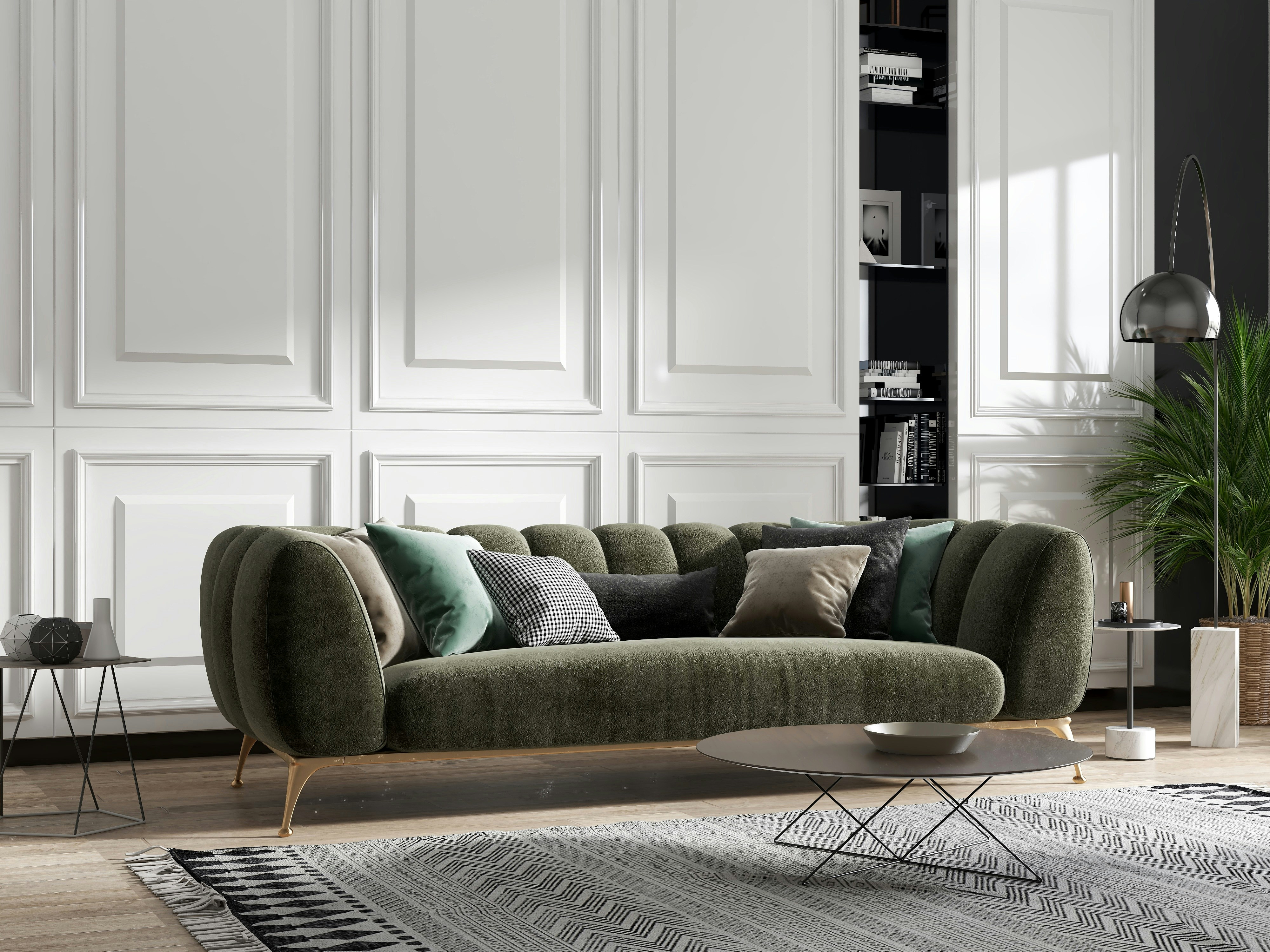
Walk into a home, and the first thing that strikes you is never the size of the walls. It is the interior. The colours, the textures, the layout, the atmosphere. They either draw you in or push you away.
For anyone looking to buy, interiors are not just about style. They affect how much a property feels worth. A place that looks fresh and modern gets people interested faster. A tired interior, even in a solid house, makes buyers hesitate.
This is why interior design trends can shift property values. They play on emotions, and emotions drive decisions. And in property, decisions are often made quickly.
Why Design Matters to Value
People rarely buy just bricks and mortar. They buy a lifestyle. A home that already looks stylish saves them the time, money, and stress of renovation. That convenience shows up in their offer.
On the flip side, a dated interior acts like a mental deduction. Buyers start adding up what needs fixing and cut that amount from what they’re willing to pay.
So when you see a home that looks “ready to move in,” chances are the seller has put thought into design. That thought often turns into a higher sale price.
How Trends Shape Buyer Demand
Design trends change faster than most owners expect. Grey walls that looked smart five years ago are now being replaced with warmer tones. Shiny, minimalist kitchens once felt cutting-edge but are now giving way to natural wood finishes and softer lines.
Even layouts shift with time. The open-plan boom made sense when everyone wanted light and connection. But after years of working from home, many buyers prefer defined spaces. They want separation between work and rest.
When a property reflects these shifts, it feels current. When it does not, buyers notice. That difference directly affects value.
Kitchens and Bathrooms: Where Value Shows Up
Ask any estate agent what the most impressive rooms are and you will hear the same thing. Kitchens and bathrooms. A modern, convenient, and friendly kitchen sells a lifestyle. Customers imagine that they would cook, entertain, or have time with family there. That image can be shattered by broken cabinets or battered worktops.
Bathrooms carry similar weight. Clean tiles, modern fittings, and decent lighting go a long way. Nobody wants to inherit peeling grout or old plastic units. Since these spaces are expensive to update, buyers are ready to pay more when the work is already done.
Space, Flow, and Usability
Small houses are made to seem bigger with good layouts. The perception is affected by smart storage, the use of natural light, and the simple furniture location. An open-plan one-bedroom apartment may appear to be worth more than a two-bedroom apartment with bad circulation.
Here is where good design works. Usability is, at times, a more important trait to buyers than paper square footage.
Sustainability and Design Choices
Sustainability is another sizable consideration today. Light-saving lamps, natural materials, and environmentally conscious finishes are losing their niche status and are becoming more mainstream. Most consumers are asking about the cost of running and the cost to the environment.
Even minor details, such as reclaimed wood or LED lighting, produce a signal. They inform the buyers that this is a progressive property. And that can help to distinguish it in a competitive market.
The Role of Staging
Not every home has a full modern renovation. But staging can bridge that gap. Styling a space with the right furniture and accessories makes a huge difference. It allows buyers to imagine themselves living there, rather than seeing it as “someone else’s home.”
Plenty of data shows staged homes sell quicker and often fetch higher offers. Interior design trends feed into this because staging usually mirrors what is popular at the time.
Location and Preferences
It is worth noting that design trends do not land equally everywhere. What appeals in a London flat might not suit a rural cottage. Urban buyers often lean toward minimalist or industrial styles. Families in the suburbs may prefer warmer, more traditional touches. Older buyers may value durability and comfort over bold design.
This is where knowing your market matters. Following trends blindly can waste money. Matching your design choices to what local buyers actually want gives the best return.
The Risk of Overdoing Trends
Trends can help, but they can also hurt. Some styles come and go too quickly. A bold feature wall or flashy high-gloss finish might grab attention today, but looks tired in a few years. Going too far with one specific style can also shrink your buyer pool. People’s tastes vary. If you personalise too much, you may turn away those who would have otherwise been interested.
The safe bet is timeless basics with a touch of trend. Neutral walls, quality floors, and simple layouts hold value. Trends can then be added through paint, furniture, or smaller upgrades that are easy to swap.
Where Homeowners Can Start
If you are preparing to sell, start by looking critically at your interiors. Do they look fresh or dated? Would you be excited to walk into the space as a buyer? Small updates can go far. New light fixtures, cleanup, and new paint. These are very affordable and are capable of changing the way a home feels.
You can invest more, but target kitchens and bathrooms. Even semi-renovations, such as a replacement of cabinet doors or a more modern tap upgrade, can increase attractiveness. In the case of landlords, the use of fashionable but wear-resistant finishes will attract tenants and reduce the time to vacancy.
Looking Ahead
The field of interior design will never stop. The trick is not to follow every single short-lived trend, but to remain flexible at home. The most valuable properties are those that can change with changing tastes.
Comfort, functional, and sustainable design will continue to be in demand. They will always pay more for any space that feels right the moment a buyer walks in.
Final Word
The interior design is not about impressing the architects and using all the trends you have on Instagram. It is about making good homes to live in. And that feeling goes directly into property value.
The reasons why trends are important are that they indicate what people desire today. A house with such preferences will always be unique in the market. However, classic design decisions, combined with clever modernizations, are what are valuable in the long term.
When deciding whether to sell or hire, there is one question that you need to ask. Would you be thrilled to move into your own property as it is? With yes as the answer, consumers will likely be similarly convinced- and that is when design will pay off.
About the Author