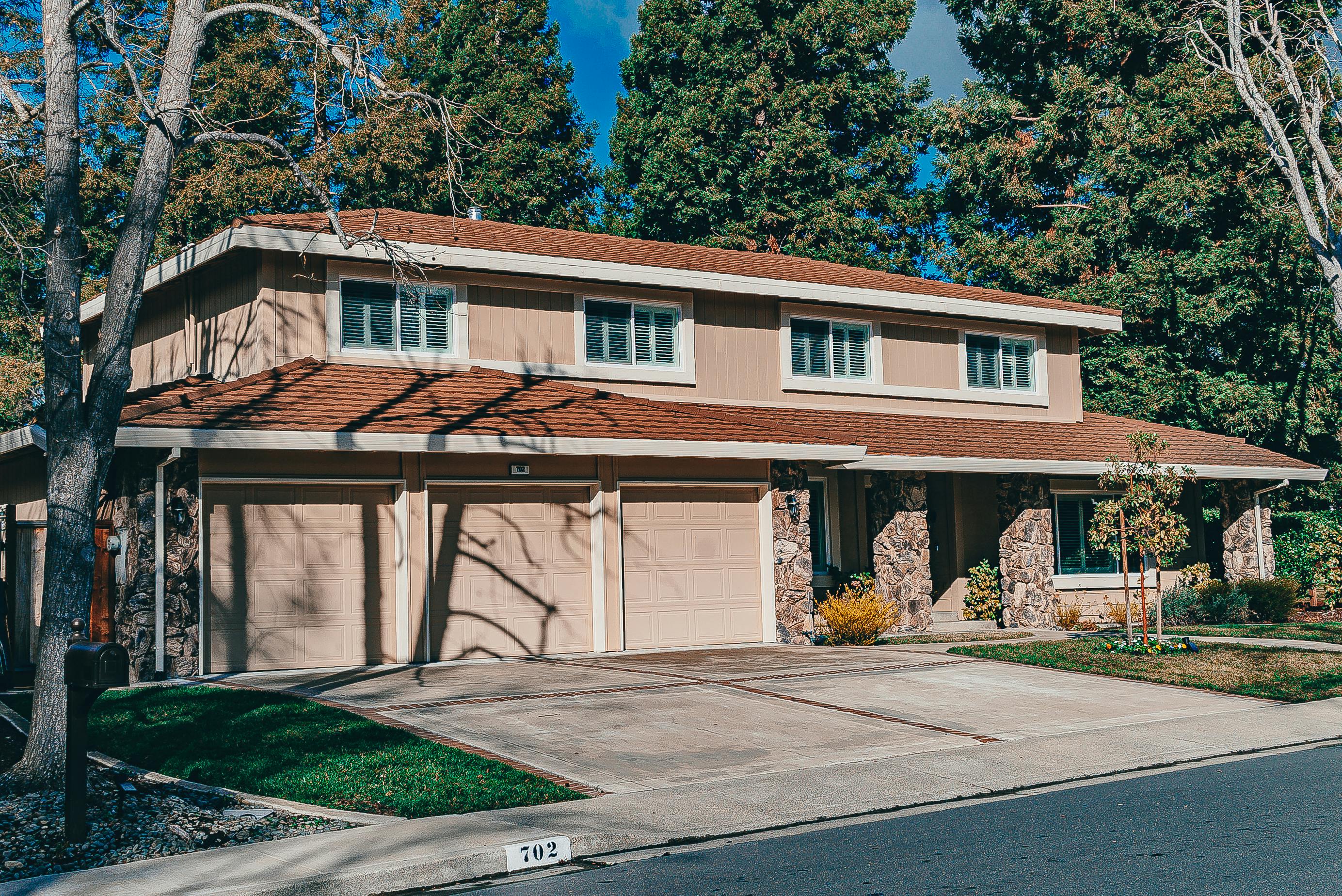
Commercial property to let in Eastwoo is primarily driven by local business demand, transport connectivity, and proximity to established residential catchments, with rental levels reflecting unit size, frontage quality, and permitted use rather than speculative pricing. This article explains current pricing patterns, demand drivers, and how location value in Eastwoo influences long-term commercial viability for occupiers and investors.
Eastwoo Commercial Property Market Overview
Eastwoo’s commercial property market is characterised by small to mid-sized units serving local businesses rather than large-scale corporate occupiers. Most properties to let fall within retail, office, light industrial, and mixed-use categories, reflecting the area’s role as a service and employment hub for surrounding neighbourhoods.
Unlike central business districts where rents are driven by prestige and footfall volume, Eastwoo’s market is value-oriented. Tenants prioritise affordability, accessibility, and operational practicality over landmark locations. This creates a stable leasing environment with lower volatility, making Eastwoo attractive to long-term occupiers such as professional services, healthcare providers, independent retailers, and trade-related businesses.
Vacancy rates in Eastwoo tend to fluctuate based on changes in local economic activity rather than national market cycles alone. When nearby residential developments expand or infrastructure improves, demand for commercial space typically follows, particularly for convenience-led retail and service businesses.
Commercial property to let in Eastwoo operates within a practical, locally driven market where value is defined by usability, stability, and long-term relevance. For occupiers and investors willing to align expectations with local conditions, Eastwoo offers a balanced commercial environment with predictable outcomes rather than speculative extremes.
Commercial Property Rental Prices in Eastwoo
Rental prices for commercial property to let in Eastwoo are generally more affordable than those in prime urban centres, reflecting local trading potential and unit specifications. Rents are influenced less by headline location status and more by measurable factors such as floor area, parking availability, frontage visibility, and internal condition.
Retail units with direct street frontage and consistent pedestrian flow typically command higher rents than secondary or side-street locations. Office spaces located above shops or within small business parks are usually priced at a discount compared to purpose-built office buildings, especially if amenities such as lifts, dedicated parking, or modern climate control are limited.
Light industrial and warehouse-style units in Eastwoo often offer the strongest value on a per-square-foot basis. These properties appeal to logistics firms, trades, and small manufacturers that prioritise access, loading facilities, and flexible layouts over aesthetic considerations. Lease terms for such units are often longer, reflecting tenant investment in fit-out and operational setup.
It is common for landlords in Eastwoo to negotiate rent-free periods or stepped rent increases, particularly for new or refurbished units. This flexibility is a defining feature of the local market and can materially affect effective occupancy costs for tenants.
What Drives Demand for Commercial Property in Eastwoo
Demand for commercial property to let in Eastwoo is primarily driven by local economic activity rather than external investor speculation. Businesses operating in or near the area often choose Eastwoo for its balance of affordability and access to a stable customer base.
Residential density is a key demand driver. Areas with established housing estates generate consistent need for convenience retail, medical services, education providers, and professional offices. As population levels remain steady or grow incrementally, demand for these commercial uses remains resilient even during wider market downturns.
Transport connectivity also plays a significant role. Properties located near main roads, public transport routes, or junctions leading to larger employment centres are more attractive to occupiers. Easy access reduces staff travel times and improves logistics efficiency, directly supporting business performance.
Planning policy influences demand by determining which uses are permitted within specific zones. In Eastwoo, properties with flexible use classes are in higher demand because they allow tenants to adapt operations over time without relocating. This adaptability reduces tenant churn and supports longer lease commitments.
Location Value of Commercial Property in Eastwoo
The location value of commercial property in Eastwoo is determined by functional suitability rather than prestige. Properties derive value from how effectively they support day-to-day business operations, including visibility, accessibility, and proximity to complementary services.
Units positioned along primary roads or near established local centres benefit from consistent passing trade and higher brand exposure. These locations are particularly valuable for retail, food services, and customer-facing professional practices. Even modest improvements in frontage visibility can significantly affect trading performance, which is reflected in rental differentials within the same postcode.
Secondary locations, including side streets and internal estates, hold value for businesses that rely less on walk-in customers. Offices, clinics, training centres, and back-office functions often prioritise quiet surroundings and parking availability over footfall. In Eastwoo, these locations offer stable occupancy and predictable rental income for landlords.
Long-term location value is also influenced by surrounding land use. Commercial properties adjacent to schools, healthcare facilities, or transport nodes tend to retain relevance even as business trends evolve. This resilience is a key consideration for investors assessing downside risk in the Eastwoo market.
Typical Tenant Profiles and Use Cases
Commercial tenants in Eastwoo are predominantly owner-managed businesses and regional operators rather than national chains. This shapes demand patterns, lease lengths, and fit-out expectations across the local market.
Independent retailers and service providers form a large proportion of occupiers. These businesses value manageable unit sizes, competitive rents, and flexible lease terms that allow them to respond to changes in local demand. As a result, smaller retail units often experience quicker take-up than larger, single-tenant spaces.
Professional services such as accountants, solicitors, consultants, and healthcare practitioners typically seek office or mixed-use premises. Their requirements focus on internal layout, privacy, and compliance rather than external branding. Properties that can accommodate consultation rooms or adaptable office layouts are particularly attractive to this segment.
Trade and light industrial tenants are another important demand group. These occupiers prioritise storage capacity, loading access, and ceiling height. In Eastwoo, such tenants often commit to longer leases due to the cost of relocating equipment, which contributes to lower turnover in this sub-sector.
Lease Structures and Negotiation Dynamics
Lease structures for commercial property to let in Eastwoo tend to be pragmatic and locally negotiated. Full repairing and insuring leases are common, but terms are often adapted to reflect the condition and age of the property.
Break clauses are frequently included, particularly in leases agreed with newer businesses. These clauses reduce tenant risk and can make properties more marketable, even if headline rents are slightly lower. From a landlord perspective, this trade-off is often acceptable in exchange for reduced vacancy periods.
Rent review mechanisms in Eastwoo are typically upward-only but tied closely to local comparables rather than broad market indices. This reflects the fact that rental growth is incremental and linked to tangible improvements in local infrastructure or demand rather than speculative uplift.
Negotiation dynamics are influenced by supply levels. Where multiple similar units are available, tenants can secure incentives such as rent-free periods, landlord-funded repairs, or flexible commencement dates. Understanding these dynamics is essential for both occupiers and investors assessing true occupancy costs and income reliability.
Risks and Constraints in the Eastwoo Commercial Market
Commercial property to let in Eastwoo carries lower volatility than prime urban markets, but it is not risk-free. The most significant constraint is limited depth of demand within specific use categories. Properties designed for highly specialised uses can experience longer void periods if the outgoing tenant vacates.
Older commercial buildings present another challenge. While they often offer attractive headline rents, maintenance obligations under repairing leases can affect both landlords and tenants. Issues such as outdated electrical systems, limited energy efficiency, or non-compliant layouts may restrict tenant interest unless addressed proactively.
Planning and use-class restrictions can also limit flexibility. A property that performs well as a retail unit may not automatically suit office or medical use without planning consent. Investors and landlords must assess the adaptability of a unit before relying on future demand assumptions.
Economic dependency on local trade is a structural characteristic of Eastwoo. If nearby residential areas experience demographic change or reduced spending power, demand for certain commercial uses may soften. This makes tenant quality and lease structuring critical factors in managing downside risk.
Who Should Consider Letting Commercial Property in Eastwoo
Eastwoo is most suitable for occupiers and investors seeking functional value rather than brand-driven visibility. Businesses that rely on consistent local demand, repeat customers, or service provision are well aligned with the area’s commercial profile.
First-time commercial tenants often find Eastwoo accessible due to lower entry costs and flexible lease negotiations. This allows new businesses to establish operations without the financial pressure associated with prime city locations.
For investors, Eastwoo appeals to those prioritising income stability over rapid capital growth. Properties let to essential service providers or long-established local businesses tend to offer predictable rental streams and lower turnover risk.
Landlords with a long-term outlook benefit most from maintaining property condition and tenant relationships. In a market like Eastwoo, retention and adaptability typically deliver stronger outcomes than aggressive rent escalation strategies.
Frequently Asked Questions
Is commercial property to let in Eastwoo suitable for small businesses?
Yes. Eastwoo’s commercial market is largely structured around small to mid-sized units, making it suitable for independent businesses seeking affordable rents and manageable lease terms.
Are rental prices in Eastwoo negotiable?
In many cases, yes. Rent-free periods, stepped rents, or flexible lease lengths are commonly negotiated, particularly where supply exceeds immediate demand.
What types of commercial property are most in demand in Eastwoo?
Retail convenience units, professional offices, healthcare-related premises, and light industrial spaces typically see the strongest and most consistent demand.
Does location within Eastwoo significantly affect rental value?
Yes. Properties on main roads or near transport links generally command higher rents than secondary locations, although suitability for use often matters more than visibility alone.
Is Eastwoo suitable for long-term commercial property investment?
Eastwoo suits investors focused on stable income and lower volatility rather than short-term capital appreciation.
Key Takeaways
- Pricing: Commercial rents in Eastwoo are value-led and tied to functionality rather than prestige.
- Demand: Local service businesses and light industrial occupiers form the core tenant base.
- Location Value: Accessibility and adaptability matter more than headline visibility.
- Risk Profile: Lower volatility, but dependent on local economic conditions and tenant quality.
- Best Fit: Suitable for long-term occupiers and income-focused investors.
References
- Local authority planning guidance and commercial zoning documentation.
- Regional commercial property market reports.
- Industry-standard commercial leasing practices and valuation principles.