How to Add Value to Your Property Before Selling
Dec 19, 2025

Home sales can easily be one of the most overwhelming and yet excruciating experiences. You are, on the one hand, about to start a new chapter. On the one hand, you are going to begin a new chapter. Conversely, you would like to make sure that your property is attractive to the right buyers and that you get to sell it at the highest possible price. It is a very simple question that all homeowners eventually find themselves looking at: What can I do to make it really count before I sell?
Look at property ads on the internet, and you will see how some houses appear to jump out of the screen. They are brighter, fresher, and immediately more appealing than others. It is rarely an accident. Sellers who invest time and effort into boosting their property’s appeal often reap the rewards in the final offer.
So, let us dive deep. From strategic upgrades to small yet powerful tweaks, here is a global perspective on how to enhance the value of your property before listing it for sale.
First Impressions: Why They Matter More Than You Think
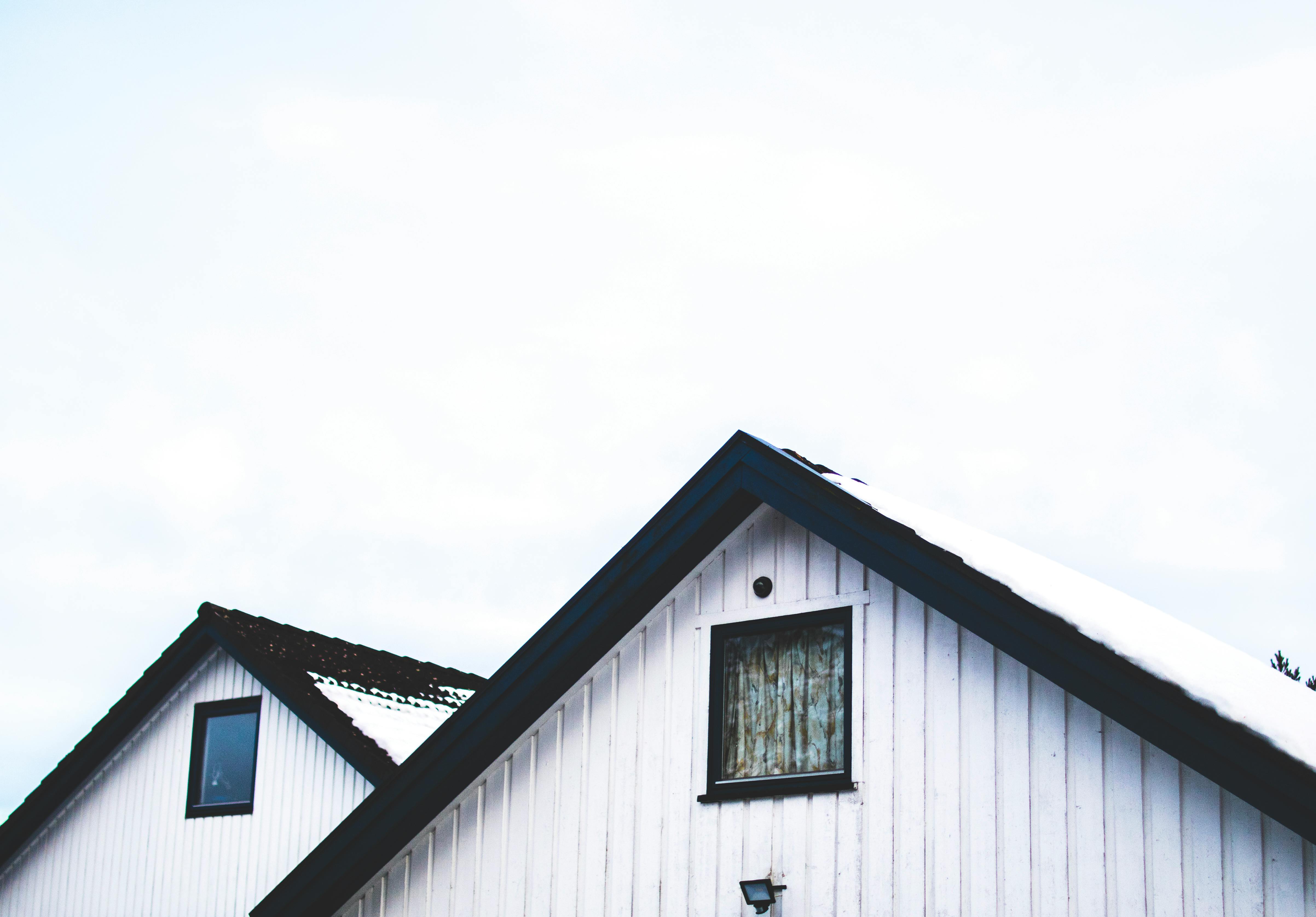
Have you ever approached a house and been drawn in at first sight? The propagated front garden, the polished front door, and possibly a warm light in the windows create the atmosphere. Judgment of buyers regarding positive feelings about a property is usually made within a few seconds.
In property markets from London to New York, “curb appeal” is not just a buzzword. It is constantly emphasised by the real estate agents that a 10 per cent perceived increase can be achieved by maintaining an attractive exterior. It implies that not only aesthetics, but also psychology is involved in repainting the door, trimming hedges, and mending loose paving stones.
Takeaway:The first impression is your handshake with your potential customers.
Declutter and Depersonalise: Less Really is More
Think of the first time you enter a home. You look at piles of books, family photographs on each shelf and a corner full of toys rather than enjoying the roomy living room. Although they may narrate your story, they may distract the buyers from creating their own stories.
A London property consultant once shared that homes which are decluttered and staged sell 30 per cent faster than those left in their lived-in state. The principle is universal: buyers want a blank canvas.
does not mean stripping away all personality. Instead, aim for balance. Clear personal photographs, half your decorations and neutral colours to produce the effect of a relaxed open space.
Reflection:Consider the last time you entered into a hotel room. Clean, neutral, yet welcoming.
Kitchen Upgrades: The Heart of the Home
There is a reason property advertisements almost always highlight the kitchen. For many buyers, it is the deciding factor. A modern, functional kitchen tells buyers they can move in without stress.
But do you need a complete remodel? Not necessarily. In fact, overspending on a high-end renovation can backfire if the local market does not support the higher asking price. Instead, focus on cost-effective updates.
- Replace outdated cabinet doors with sleek modern ones
- Install new handles and fixtures
- Refresh tired worktops with affordable alternatives that mimic stone
- Add good lighting, buyers notice it immediately
One US-based survey suggested that a minor kitchen remodel recoups over 70 per cent of its cost at resale. That is a powerful return on investment.
Personal Note
One time, a friend was spending a small amount of money to repaint the cabinets, replace handles, and replace old appliances with stainless steel. The revolution was radical. When the home went on the market, every viewer complimented the kitchen. Within two weeks, it sold above the asking price.
Bathrooms: Small Space, Big Impact
Next to the kitchen, bathrooms carry heavy weight in buyers’ decisions. An old-fashioned bathroom can give the entire house an aged look, and a fresh, modern one will be an immediate value addition.
Consider- Changing the outdated taps and showerheads with new ones.
- Re grouting tiles and polishing mirrors
- Adding storage solutions that make the room look neat
In many markets, sellers who spend modestly on bathroom upgrades see quick results. Buyers are comfort-driven, and a sparkling bathroom gives reassurance about hygiene and care.
Energy Efficiency: A Modern Priority
A decade ago, energy efficiency was a bonus. It is the selling point that buyers in the current times are keen to seek. The increasing international energy prices have changed the preferences of the buyers. People desire houses that are not only beautiful but also cost-effective to operate.
Insulation, retrofitting windows to the latest form of double glazing, and energy-efficient boilers or heat pumps can make a big difference. Smaller details such as LED lights or the use of smart thermostats give a powerful message that this is the home of the future.
Market Insight:In cities like Berlin and Stockholm, energy ratings significantly influence sale prices. Buyers are willing to pay more for a home that promises lower monthly bills.
Open Space and Flow: Modern Living Preferences
Homes that are old tend to be small and compartmentalised. Although they are charming, open spaces where the family can cook, eat, and relax together are becoming more and more desirable among modern buyers.
In case it is expensive to knock down walls, be creative. Light colours of paint should be used to make rooms look bigger. Move furniture to enhance movements. The illusion of space may also be produced using mirrors.
Example: An estate agent in Toronto once said that a home in Toronto could immediately seem much better because a wall between the kitchen and the dining area was taken down. It was a little modification, but it totally transformed the mood of the house.
The Role of Staging: Psychology at Work
Professional staging is common in competitive markets like Los Angeles or Sydney, but even simple DIY staging can have an impact. Think carefully about how rooms are presented.
- Use fresh flowers for vibrancy
- Lay the dining table as if dinner guests are expected
- Add soft throws and cushions for warmth
Buyers often purchase based on emotion as much as logic. When they can picture themselves living happily in a space, offers tend to rise.
Technology and Smart Homes
The emergence of the smart home has altered expectations of buyers. Although it is not true that all properties require a highly integrated system, even relatively basic upgrades can be very helpful.
It can be as subtle as smart thermostats, app-controllable lighting, or a video doorbell. They insinuate that the property is contemporary, in good condition, and in accordance with the present living standards.
Tip:These additions are often inexpensive but carry a perception of value well beyond their cost.
Outdoor Living: An Extension of the Home
In many global markets, outdoor spaces are prized. Buyers view it as an additional living room, whether it is a balcony in an apartment in a city or a garden in a suburban area.
Consider
Adding seating areas with weather-resistant furniture- Planting low maintenance greenery
- Lighting to make the place welcoming in the evening.
The outdoor space further allows buyers to envision having their friends over, or sitting back during weekends, or even having a morning coffee. A well-designed space will help them visualise all these.
Emotional Value: Telling the Story of Your Home
Numbers and upgrades are one side of the coin. The other is emotional value. It is not merely bricks and mortar that people are buying, but it is a lifestyle.
Imagine your story of your home. Is it emphasis on comfort, convenience, or family time? Estate agents usually recommend that sellers create a straightforward guide on the neighbourhood, e.g., on local cafes, green areas, and transportation. These minor details are credible and add homeliness.
Timing and Market Awareness
Finally, value is not just about what you do to your property but also when you choose to sell. The property markets worldwide are volatile. Some seasons are more demand-intensive, and buyers are more ready to fight.
Stay informed. Speak with local agents about recent trends. A well-timed sale can sometimes boost value more than any renovation.
Final Thoughts: Your Home as an Investment
Selling a property is a financial and an emotional choice. The key lies in balance. Invest judicially in changes that are really important, like the kitchen, the bathroom, energy saving, and appearance, but do not spend too much on non-essential changes.
Ask yourself: What would make me fall in love with this home if I were the buyer?
It is important to keep in mind that value is not necessarily perceived in pounds or dollars. It is all about the impression, a lifestyle that your home will offer, and the story that the buyers think they can proceed with.
About the Author