Eco-Friendly Communities: Where to Find Them in the UK
Dec 23, 2025
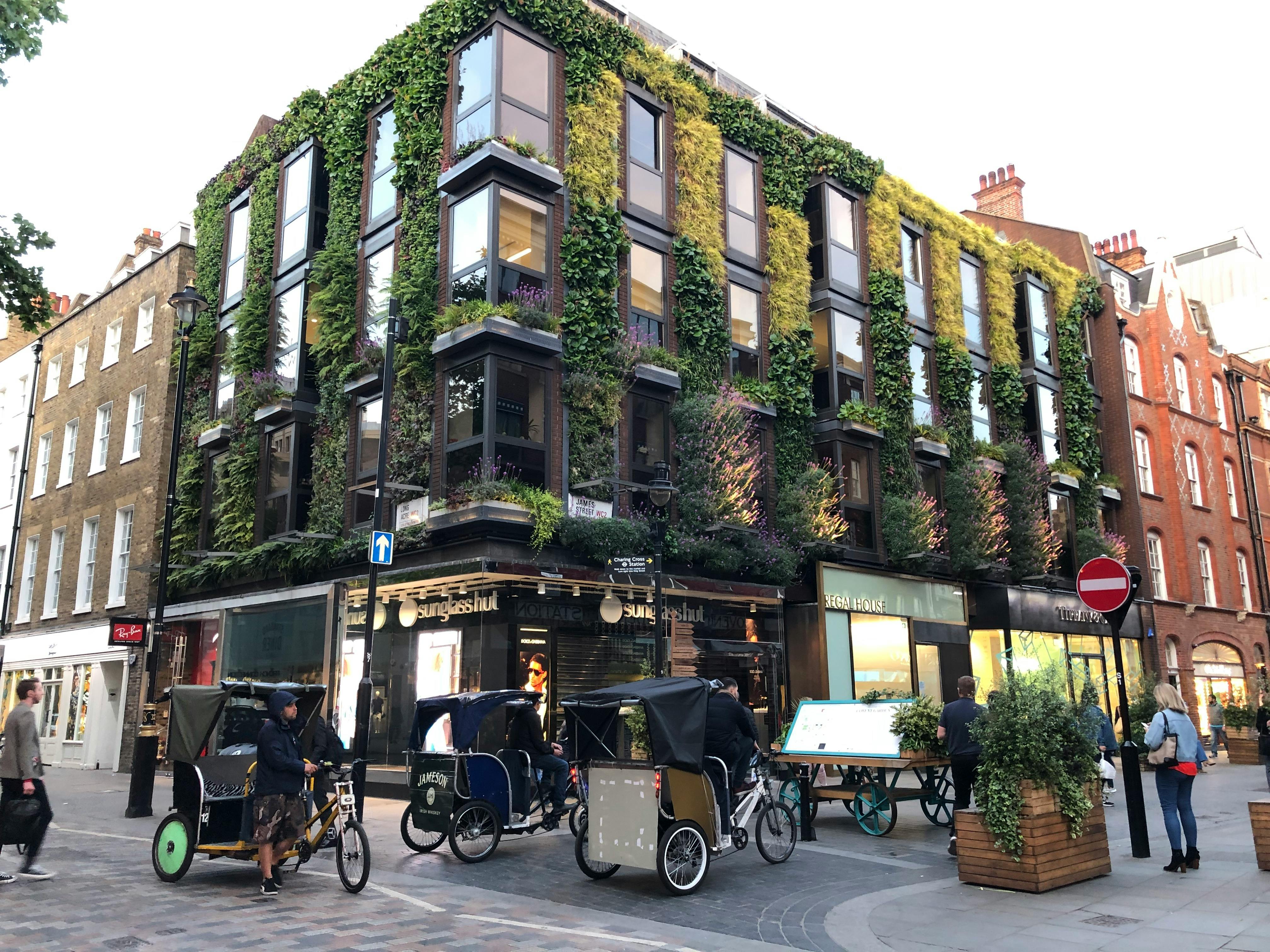
The issue of sustainability is no longer peripheral. It has entered the middle ground of our own thinking about housing and everyday life. Will more energy bills, climate change, and health concerns make more people question the possibility of living another way, without sacrificing comfort?
That dialogue has already become a physical space in the UK. In the past 20 years, we have witnessed the creation of entire communities with a single objective in mind, and that is to impact the planet less and to increase the quality of life.
These green cities are not futuristic shams. They are concerned with smart design. Homes that reduce energy wastage, common gardens that unite neighbours, and transport systems that make walking and cycling convenient. You are left with not only a more environmentally friendly lifestyle but also a more hospitable one in most cases.
So, where are these communities? And what makes them work? We can have a closer look at some of the best examples in the UK.
What Do We Mean by Eco-Friendly Communities?
Not all new developments qualify to be called eco. True eco-communities tend to have some common characteristics:
- Housing is constructed or retrofitted to high energy efficiency.
- The energy mix includes renewable energy: solar, wind, or biomass.
- The design promotes walking, cycling, and commuting instead of car addiction.
- The use of waste and water is very controlled, and recycling areas and community composting are common.
- Having green areas that integrate food cultivation, recreation, and communal interaction.
The difference is in the integration. Instead of treating these ideas as extras, they are baked into the very structure of the community.
BedZED, London
If you’ve ever looked into sustainable housing, you’ll have heard of BedZED in South London. Built in 2002, it was the UK’s first large-scale attempt to create a zero-energy community. More than twenty years on, it still gets cited as a model.
The homes use thick insulation and natural ventilation, cutting down the need for central heating or air conditioning. Solar panels provide energy, and rainwater is collected to reduce mains water use. The estate also promotes car sharing, cycling, and walking.
What’s most impressive is the data. According to Bioregional, the group behind the project, BedZED residents use nearly half the electricity of the average London household. They also consume about 58 per cent less water. That’s not theory—that’s lived reality.
One Brighton, East Sussex
Head down to Brighton and you’ll find another pioneer: One Brighton. Completed in 2009, it was built around “One Planet Living” principles, which simply means designing homes that fit within what the earth can sustainably provide.
The flats are energy-efficient, with rooftop allotments for residents to grow food. A car club reduces reliance on private vehicles. The development even built in communal spaces to encourage social activities.
One Brighton proves a key point: eco-living works best when it’s about community, not just buildings. The residents are part of the sustainability effort, not just passive occupants.
Derwenthorpe, York
Derwenthorpe is a housing estate, located on the outskirts of York, with a combination of old-fashioned design and new ecological ideas. It is designed by the Joseph Rowntree Housing Trust to provide fashionable housing heated by a community-shared biomass system.
The car dependency was minimised by designing walking and cycling paths into the design. The development is bisected by large green areas, providing children and families with ample, safe outdoor space.
The University of York researchers got to review Derwenthorpe and discovered that the homes rated far better than the average in energy use. It demonstrates that eco-friendly design may be both appealing and provide practical advantages.
North West Bicester, Oxfordshire
If BedZED was the pioneer, North West Bicester—better known as Elmsbrook—is the next stage. It is the UK’s first official eco-town, supported by government policy.
Every home is built to zero-carbon standards, with solar panels fitted as standard. Electric car charging points are included in all properties. Walking and cycling paths connect the neighbourhood, while shops and schools are planned within walking distance.
What’s notable is the scale. Unlike smaller pilot projects, Elmsbrook is designed as a proper town. It shows eco-living is not just a niche experiment—it can be mainstream.
Findhorn Ecovillage, Scotland
For something completely different, look north to Findhorn in Scotland. This isn’t a developer-led project but a community that grew out of the Findhorn Foundation in the 1960s.
Over time, residents built one of the most studied eco-villages in the world. Houses are made from recycled and natural materials, renewable energy provides much of the power, and community food growing is central to daily life.
Findhorn has been measured to have one of the lowest ecological footprints in Europe. It also shows how grassroots efforts can achieve sustainability without waiting for big investors or government programs.
Other Notable Communities
There are plenty of smaller but significant examples:
- LILAC in Leeds: A co-housing scheme with straw-bale houses and a shared ownership model.
- The Lammas Project in Wales: A low-impact rural community mixing smallholdings with green building.
- New Islington in Manchester: A regeneration project that prioritises canal-side green space and sustainable transport.
The variety proves that eco-living is possible in urban, suburban, and rural settings alike.
Why People Choose These Communities
For many residents, the attraction is practical as much as ethical.
- Energy bills are lower thanks to insulation and renewable power.
- Daily life feels healthier, with more green space and less pollution.
- Social ties are stronger, as design encourages interaction.
- Homes often hold or increase value better, since sustainability is becoming a selling point.
A 2023 report from Savills noted that homes with strong green credentials often sell faster and for more money than standard properties. For buyers, sustainability is no longer just a bonus—it’s a factor in decision-making.
The Challenges to Keep in Mind
That doesn’t mean eco-communities are perfect. Upfront costs are often higher, as materials and technologies add expense. Some places also expect residents to adjust habits—sharing gardens, using car clubs, or following stricter recycling rules.
There’s also the cultural shift. Not everyone wants to live in a community where neighbours are more closely connected. For some, the communal aspect is a benefit, but for others, it takes adjustment.
What the Future Looks Like
All the signs suggest eco-communities will become more common. Government standards are moving in this direction, especially with rules like the Future Homes Standard that will ban gas boilers in new builds from 2025.
Consumer demand is also rising. Younger buyers in particular see sustainable homes as future-proof. Developers are starting to respond, meaning more projects will come onto the market.
If the last twenty years were about proving the concept, the next twenty may be about scaling it up.
Final Thoughts
The UK demonstrates what housing can become when sustainability is the focus of eco-friendly communities. The examples, starting with BedZED in London and Findhorn in Scotland, show that there is no single way to build green. The common thing about them is that they are all geared towards reducing their impact and making daily life a little better.
These communities provide homebuyers, renters, and investors with an opportunity to belong to something bigger. They are not only concerned with saving on energy bills, but that helps. They are concerned with future living-cleaner, healthier, and connected.
When researching property in the UK, you should consider such developments. They are not a mere niche lifestyle choice anymore. They are a preview of the future of housing.
About the Author