Yes, US residents can own property in Canada, but ownership is no longer unrestricted. Since January 2023, Canada has imposed federal limits on residential property purchases by non-Canadians, with specific exemptions, conditions, and provincial overlays that directly affect US buyers. Eligibility depends on residency status, property type, location, and intended use, making careful due diligence essential before proceeding.
What This Guide Covers and Why the Rules Matter
This guide explains, in practical and legal terms, whether and how US residents can buy property in Canada under current law. It addresses federal ownership restrictions, buyer eligibility criteria, and how these rules apply to different categories of US buyers, including investors, second-home purchasers, and individuals planning relocation.
The issue matters because Canada’s housing market is regulated not only by provinces and municipalities, but also by federal legislation designed to limit speculative demand. US buyers who assume Canada follows an open-market model similar to many US states risk entering contracts they cannot legally complete or facing forced divestment.
Throughout this article, the focus remains on residential real estate. Commercial property, agricultural land, and large-scale development sites follow different legal pathways and are addressed only where relevant for context.
Federal Rules Governing US Buyers in Canada
At the federal level, property ownership by US residents is governed primarily by the Prohibition on the Purchase of Residential Property by Non-Canadians Act. This law applies uniformly across Canada and overrides local market openness where conflicts arise.
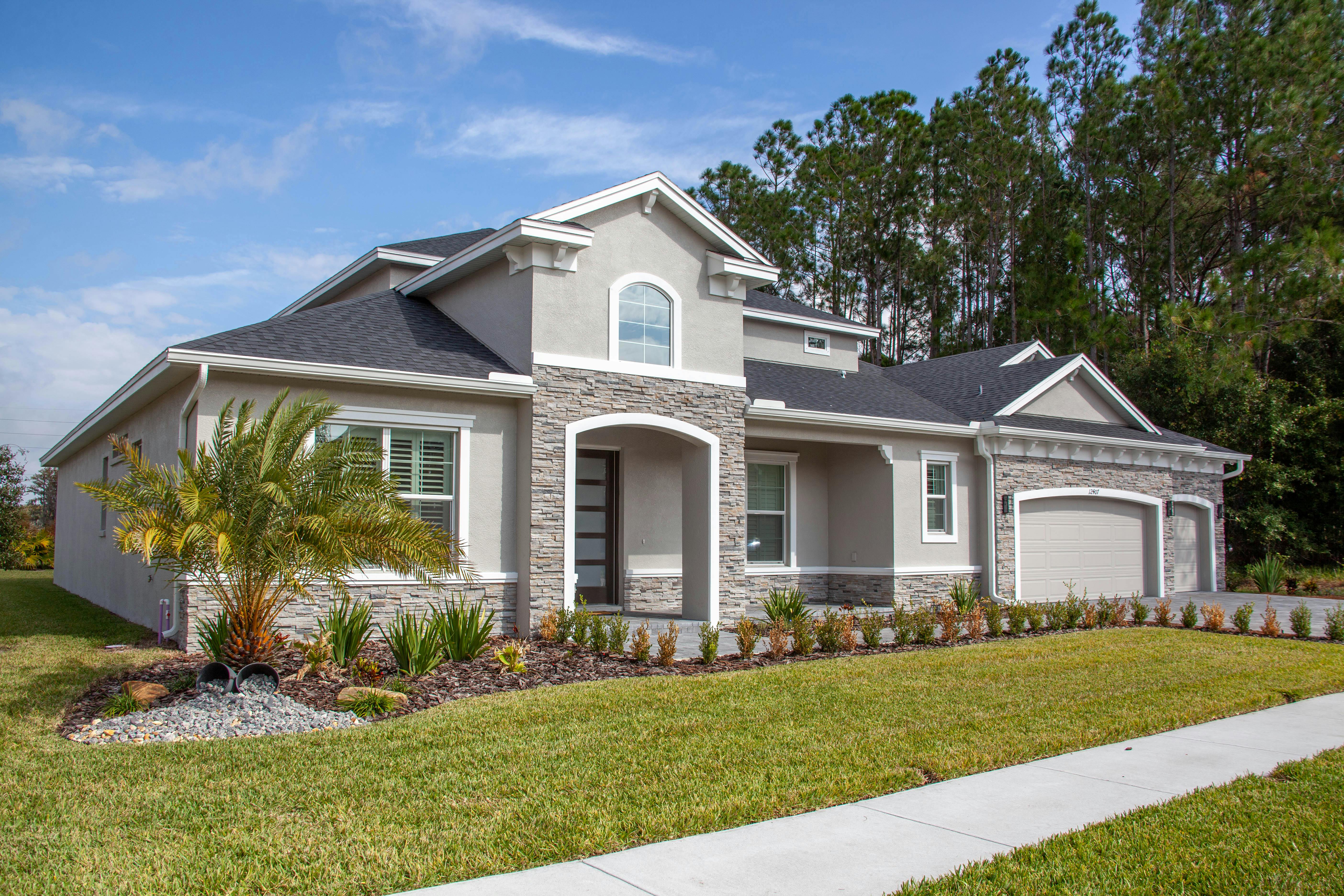
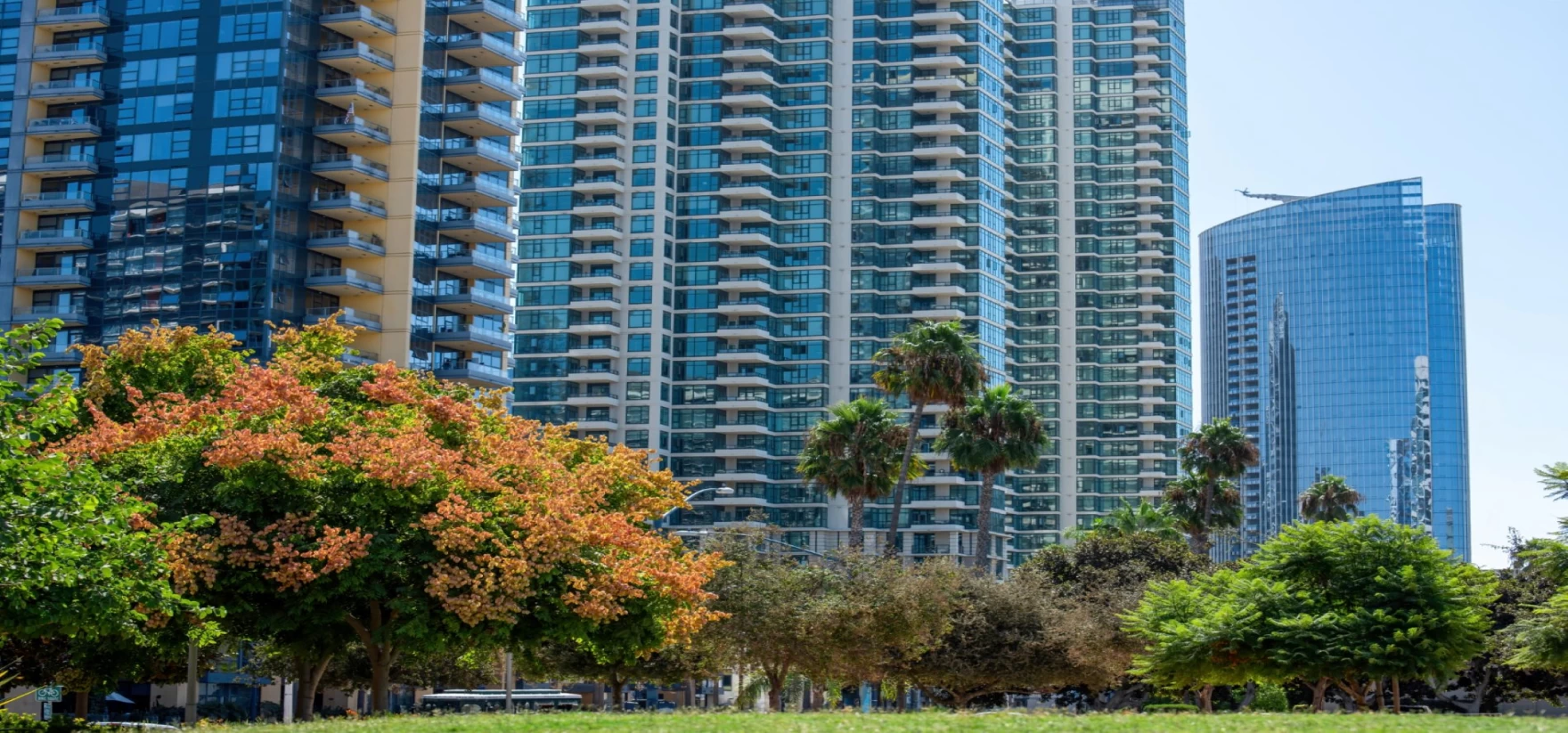
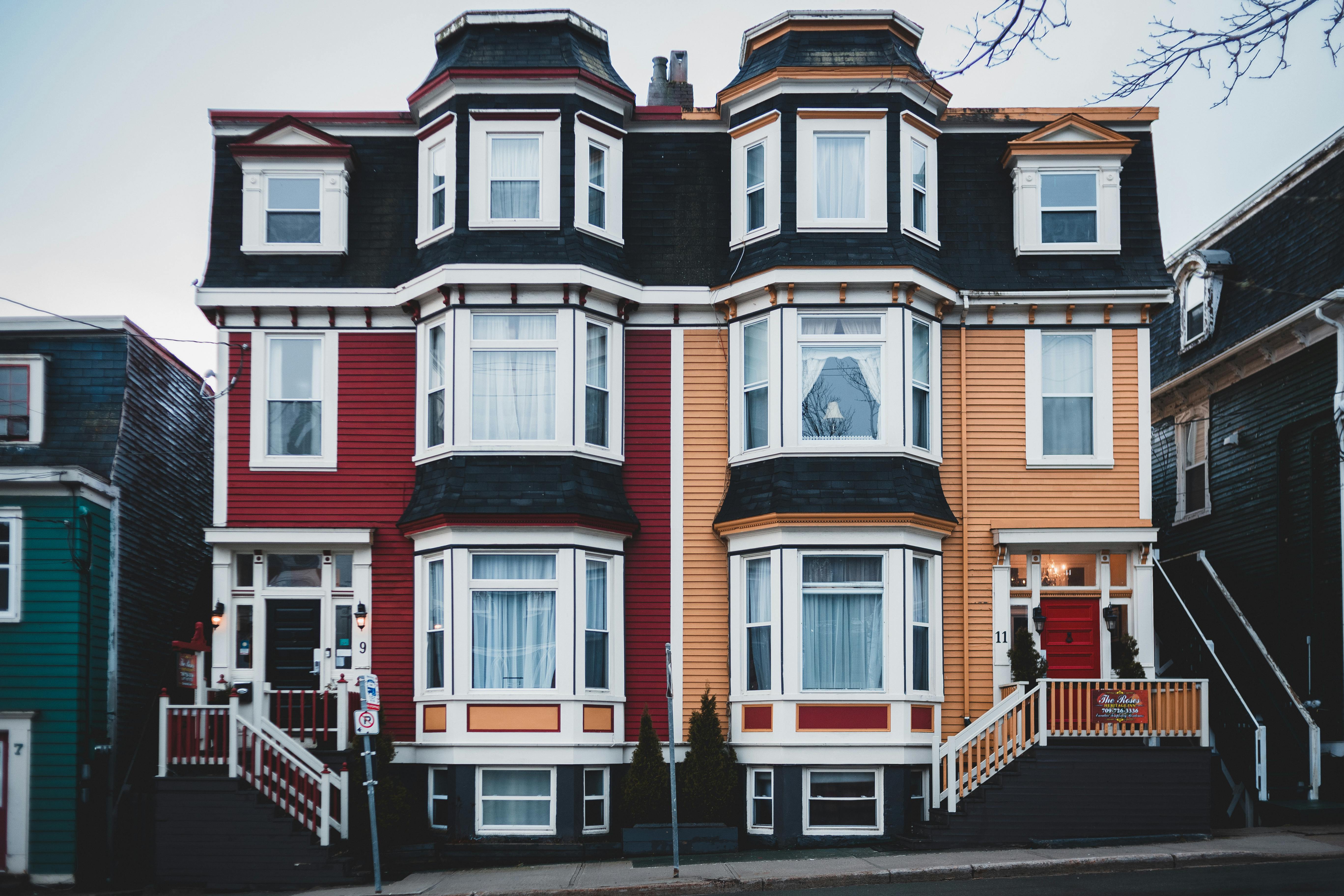
Under this legislation, most non-Canadian individuals and entities are prohibited from purchasing residential property in Canada during the restriction period. “Residential property” includes detached houses, semi-detached homes, townhouses, and condominium units with three or fewer dwelling units.
US residency alone does not grant an exemption. A US citizen who is not a Canadian citizen or permanent resident is treated as a non-Canadian for the purposes of the Act, regardless of income, length of prior visits, or ownership history in Canada.
However, the law is not absolute. Certain categories of buyers and transactions are explicitly exempt, including purchases in designated non-urban areas, acquisitions by temporary residents meeting defined thresholds, and purchases involving specific property uses.
Who Qualifies as an Eligible US Buyer
Eligibility for US residents depends on legal status in Canada at the time of purchase and the nature of the property being acquired. Canadian citizens and permanent residents who also hold US residency or citizenship face no federal ownership restrictions.
US residents who are temporary Canadian residents may qualify under limited circumstances. This typically requires valid work or study authorization and evidence of tax residency in Canada for a minimum qualifying period. Even then, purchase caps and use restrictions apply.
Purely foreign buyers—US residents with no qualifying Canadian status—are generally restricted from purchasing residential property in major urban markets. Rural and recreational properties may still be accessible, but eligibility hinges on census classifications rather than marketing descriptions.
Corporate structures, trusts, and partnerships involving US owners are also subject to scrutiny. If control or beneficial ownership rests with non-Canadians, the entity may be treated as a prohibited purchaser, regardless of where it is incorporated.
Federal Exemptions and Practical Exceptions
While the federal prohibition significantly limits non-Canadian buyers, it includes narrowly defined exemptions that may apply to some US residents. These exemptions are based on property location, buyer status, and intended use, not on nationality or wealth.
One key exemption applies to properties located outside Census Metropolitan Areas (CMAs) and Census Agglomerations (CAs). US buyers may legally purchase residential property in these regions, provided the area does not meet population and density thresholds defined by Statistics Canada.
Temporary residents may qualify if they hold a valid work permit or study permit and meet minimum residency and tax-filing requirements. Even when eligible, buyers are limited to purchasing one residential property, which must generally be intended for personal use.
Another practical exception involves property classification. Buildings with four or more dwelling units are not classified as “residential property” under the Act, making certain small multi-family investments accessible to US investors when properly structured.
Provincial and Local Rules US Buyers Must Consider
Federal eligibility is only the first layer of compliance. Provinces and municipalities impose their own property regulations, taxes, and buyer disclosure requirements that apply regardless of nationality but disproportionately affect non-resident buyers.
British Columbia and Ontario, for example, levy additional land transfer taxes on foreign buyers in designated regions. These taxes are payable at closing and are not reduced by federal eligibility exemptions.
Some provinces impose vacancy taxes or speculation taxes on non-primary residences, particularly in high-demand urban markets. US owners who do not occupy or lease their property may face annual penalties.
Zoning, land-use bylaws, and short-term rental regulations also vary widely by municipality. A property legally purchasable under federal law may still be restricted in how it can be used or monetized at the local level.
Costs, Taxes, and Financial Implications for US Buyers
US residents purchasing property in Canada must budget for costs that differ materially from US transactions. These include land transfer taxes, legal fees, and potential foreign buyer surcharges imposed by provinces.
| Cost Type | Applies To | Typical Impact |
|---|---|---|
| Land Transfer Tax | All buyers | Calculated as a percentage of purchase price |
| Foreign Buyer Tax | Non-residents in select provinces | Additional upfront tax at closing |
| Legal & Notary Fees | All buyers | Mandatory for conveyancing and compliance |
| Ongoing Property Taxes | All owners | Annual municipal obligation |
Financing is another consideration. Canadian lenders may require higher down payments from non-resident buyers, and some US purchasers rely on cross-border financing, which introduces currency risk and additional compliance obligations.
Legal Process and Compliance Steps for US Buyers
US residents who qualify to purchase property in Canada must follow a legally structured conveyancing process that differs from most US jurisdictions. Real estate transactions are completed through licensed Canadian real estate professionals and closed by a real estate lawyer or notary, depending on the province.
Before entering into a binding purchase agreement, buyers must confirm eligibility under federal law. This includes verifying census classification of the property location, confirming exemption status if applicable, and ensuring no prohibited ownership structures are involved.
During closing, buyers must provide statutory declarations regarding residency and beneficial ownership. False declarations carry significant penalties, including fines and forced sale of the property. Post-closing compliance may also apply, particularly where vacancy, speculation, or foreign ownership reporting regimes exist.
Common Mistakes US Residents Make When Buying in Canada
A frequent error is assuming that US citizenship or long-term travel history creates an automatic right to purchase. Canadian law does not recognize intent, wealth, or informal ties as eligibility factors.
Another common mistake involves relying on marketing language such as “recreational” or “rural” without verifying census classification. Eligibility hinges on federal statistical definitions, not how a property is advertised.
US buyers also underestimate tax exposure. Provincial foreign buyer taxes, annual vacancy levies, and cross-border income reporting obligations can materially affect long-term holding costs and returns.
Finally, some buyers attempt to bypass restrictions using corporations or family members. Canadian authorities assess beneficial ownership and control, rendering such arrangements ineffective and potentially unlawful.
Frequently Asked Questions
Can a US citizen buy a house in Canada?
A US citizen can buy property in Canada only if they are a Canadian citizen, permanent resident, or qualify under a specific federal exemption. Otherwise, residential purchases are generally restricted.
Can US residents buy vacation or cottage property in Canada?
Vacation or cottage properties may be purchasable if located outside Census Metropolitan Areas and Census Agglomerations. Location classification, not intended use, determines eligibility.
Can a US buyer get a mortgage from a Canadian bank?
Some Canadian lenders offer financing to non-resident buyers, typically requiring higher down payments and enhanced documentation. Terms vary significantly by lender and province.
Do US buyers pay extra taxes in Canada?
Yes. Depending on location, US buyers may pay provincial foreign buyer taxes, vacancy or speculation taxes, and standard property taxes. US tax reporting obligations also continue to apply.
Can US investors buy multi-unit property in Canada?
Properties with four or more dwelling units are not classified as residential property under the federal prohibition, making certain multi-family investments permissible when structured correctly.
Key Takeaways
- Ownership is restricted: US residents are subject to federal limits unless they qualify for an exemption.
- Eligibility is status-based: Residency and property classification matter more than citizenship.
- Location is decisive: Census-defined urban areas are generally restricted for non-Canadians.
- Taxes and compliance are significant: Foreign buyer taxes and reporting obligations can materially affect costs.
- Professional advice is essential: Legal and tax guidance is critical before committing to a purchase.
References
- Prohibition on the Purchase of Residential Property by Non-Canadians Act (Canada)
- Statistics Canada – Census Metropolitan Areas and Agglomerations
- Provincial Land Transfer and Foreign Buyer Tax Regulations
- Canada Revenue Agency – Non-Resident Property Ownership Guidance