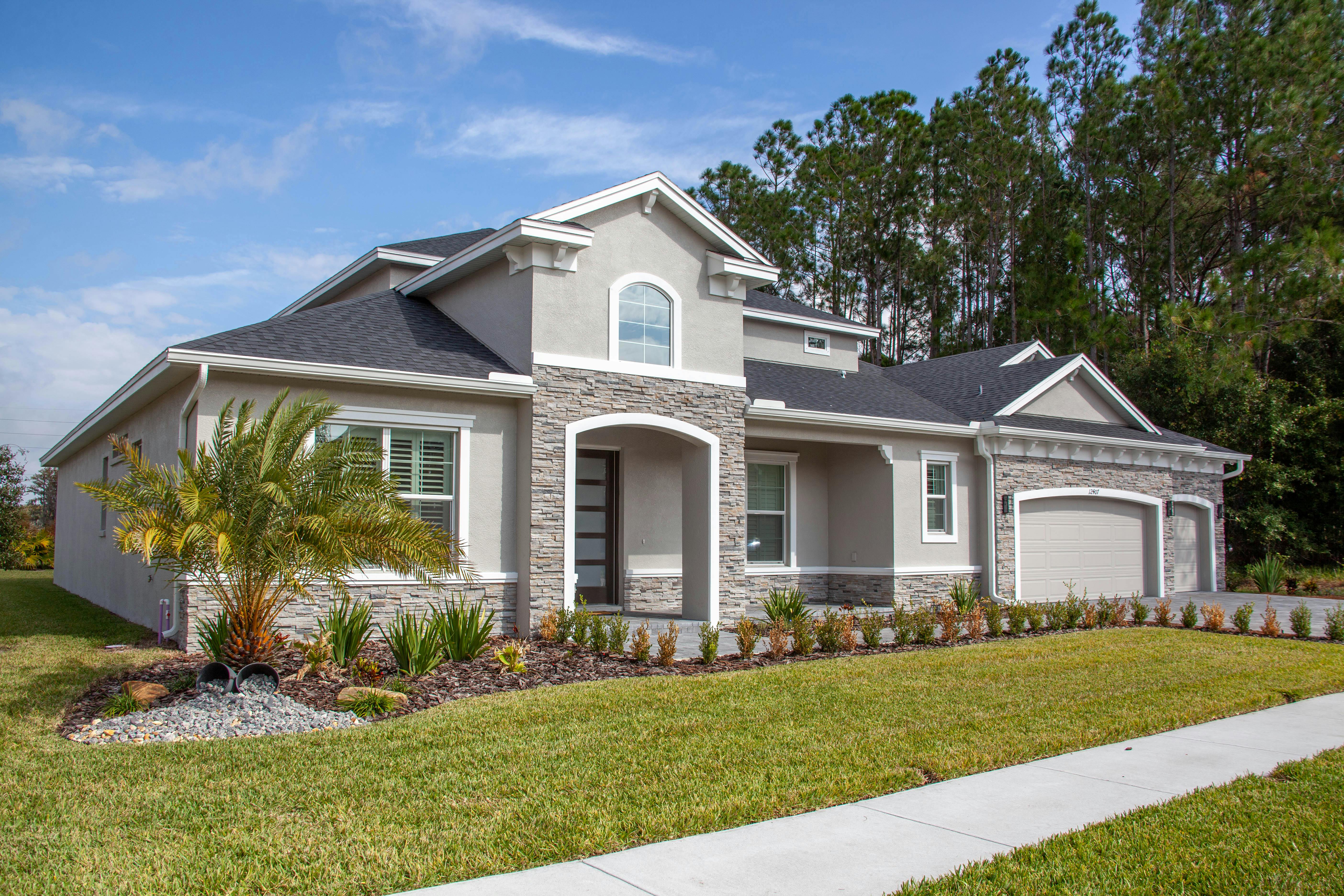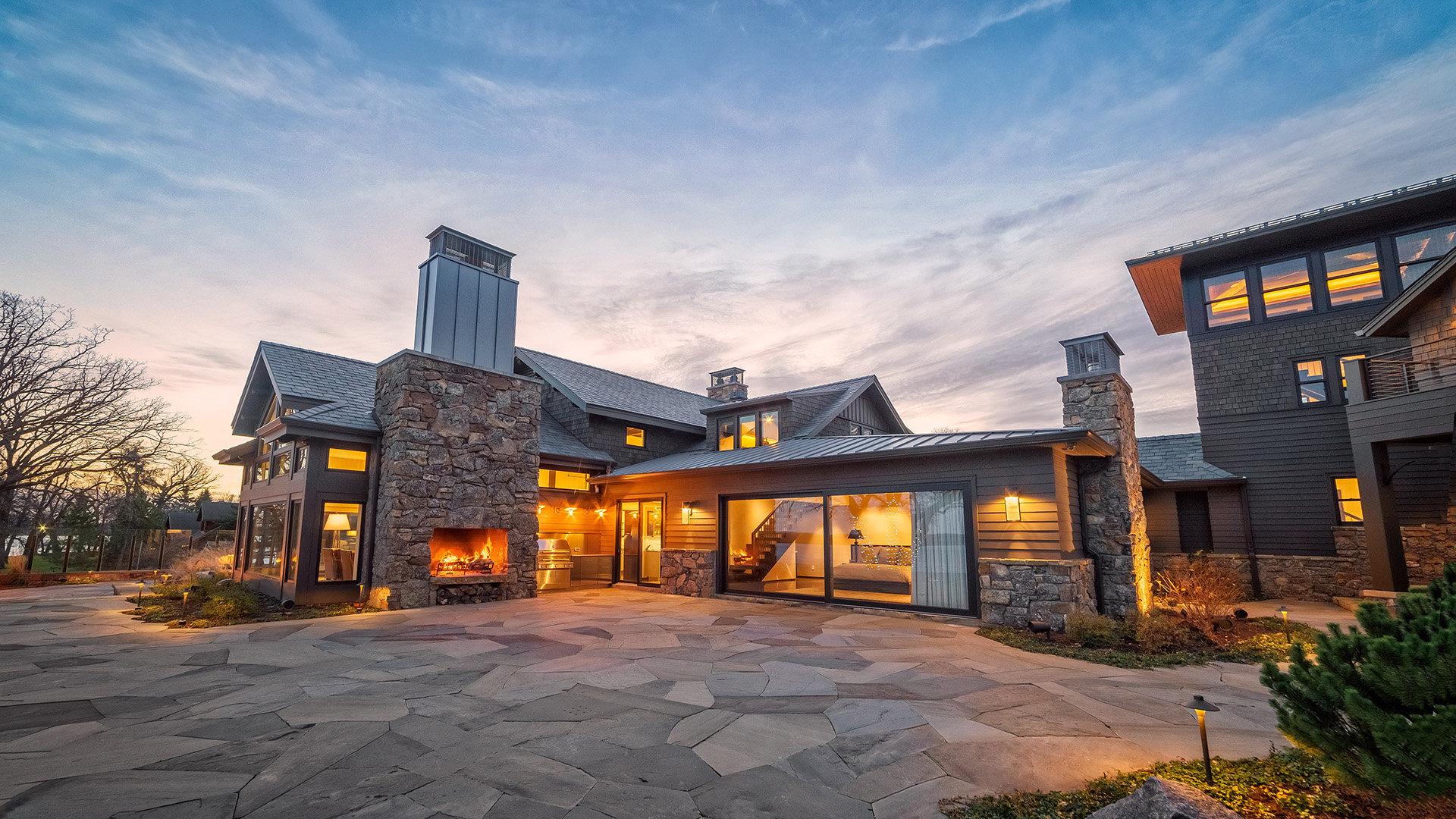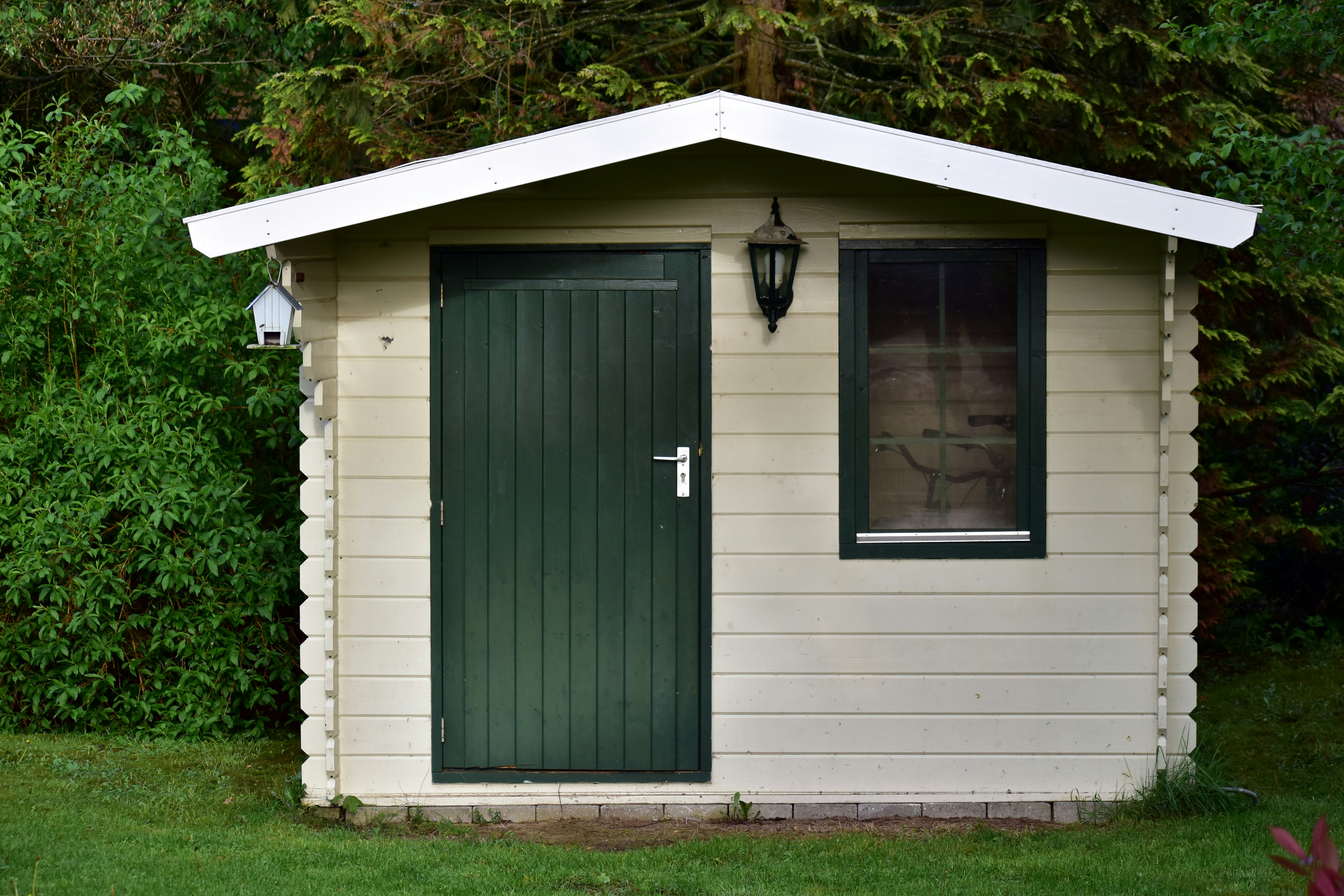
Homes with a self contained annexe in the UK are residential properties that include a separate, fully functional living space within the same plot — typically with its own entrance, kitchen, bathroom, and sleeping area. They are commonly used for multi generational living, dependent relatives, adult children, live-in carers, or rental income (subject to planning and mortgage conditions). Buyers should assess planning status, council tax treatment, mortgage implications, utilities separation, and future resale demand before committing.
What Is a Self Contained Annexe?
A self contained annexe is a secondary residential unit located within the boundary of a main house that provides independent living facilities. In most cases, it includes a private entrance, bedroom or studio layout, bathroom, and kitchen facilities. It may be attached to the main property, built above a garage, converted from an outbuilding, or created through a side or rear extension.
How Is an Annexe Different from a Standard Extension?
An annexe is designed for independent occupation, whereas a standard extension expands the primary dwelling without creating separate living autonomy. The key distinction lies in functionality: annexes typically allow a person to live without relying on the main house for cooking or bathing facilities.
| Feature | Self Contained Annexe | Standard Extension |
|---|---|---|
| Separate Entrance | Usually yes | Not required |
| Independent Kitchen | Yes | No (shared main kitchen) |
| Planning Consideration | More complex | Simpler under permitted development |
| Council Tax | May be separately assessed | Single dwelling band |
Are Annexes Legally Separate Dwellings?
Not automatically. Planning permission and council interpretation determine whether the annexe is treated as ancillary accommodation (linked to the main dwelling) or as a separate dwelling. If it is considered independent, separate council tax banding and utility arrangements may apply.
Buyers should always request:
- Planning permission documentation
- Building regulations completion certificates
- Council tax band confirmation
- Utility layout details
Failure to verify these can affect mortgage approval and future resale.
Why Is Demand Rising for Multi Generational Homes in the UK?
Demand for homes with self contained annexes has increased due to rising care costs, high property prices, later home-leaving ages, and flexible working patterns. Multi generational living reduces housing expenses while maintaining privacy.
What Economic Factors Are Driving This Trend?
Residential care costs in the UK can exceed £800–£1,200 per week depending on location and care level. Housing elderly parents within a family-owned property can significantly reduce long-term expenditure while keeping support networks close.
At the same time, first-time buyers face deposit barriers and affordability pressures. An annexe allows adult children to live semi-independently while saving for a purchase.
How Does Remote Working Influence Annexe Demand?
Remote and hybrid working arrangements have changed space requirements. An annexe can function as:
- A quiet home office
- A consulting or therapy room (subject to consent)
- Guest accommodation
- Short-term family housing
This flexibility improves long-term adaptability, which strengthens resale appeal.
Is Multi Generational Living Common in the UK?
While historically less common than in Southern Europe or Asia, multi generational households are increasing across England, Wales, and Scotland. Planning policies in some councils now recognise annexes as a practical housing solution when tied to family dependency.
However, local authority policies vary significantly. Buyers must check regional planning frameworks before assuming future conversion potential.
Who Should Consider Buying a Home with an Annexe?
Homes with self contained annexes are suitable for families planning long-term cohabitation, homeowners anticipating care needs, investors exploring compliant rental strategies, and buyers seeking adaptable property layouts.
Families with Elderly Relatives
An annexe allows ageing parents to maintain autonomy while remaining physically close to family support. This arrangement balances privacy with supervision and often avoids immediate care home placement.
Important considerations include:
- Accessibility (step-free access, wider doorways)
- Heating independence
- Emergency access
- Long-term mobility planning
Parents Supporting Adult Children
With average first-time buyer ages rising into the 30s in many UK regions, annexes offer transitional independence. Adult children can contribute toward household expenses while saving for deposits.
Investors and Landlords
Some buyers consider annexes for rental yield. This requires careful review of:
- Mortgage terms (many prohibit separate letting)
- Planning classification
- Local authority consent
- Insurance adjustments
Letting an annexe without correct permissions can invalidate insurance and breach lending conditions.
Homeowners Seeking Flexible Future Use
An annexe increases adaptability. It may serve immediate family needs today and transition into guest accommodation, workspace, or caretaker housing later.
Properties with adaptable layouts often retain buyer appeal during changing economic conditions.
Do You Need Planning Permission for a Self Contained Annexe?
Most self contained annexes require planning permission, especially if they function as independent living accommodation. The level of consent depends on whether the annexe is considered ancillary to the main dwelling or capable of separate occupation.
When Is Planning Permission Required?
Planning permission is typically required if:
- The annexe has its own front door and full facilities
- It could be sold or rented separately
- A new structure is being built
- Outbuildings are converted into residential use
Permitted development rights may apply to certain extensions, but once cooking and sleeping facilities are introduced for independent use, councils often assess the structure as a separate unit.
What Is an “Ancillary” Annexe?
An ancillary annexe is legally tied to the main dwelling and cannot be occupied independently from it. Many approvals include occupancy conditions restricting use to family members or dependants.
Breaching occupancy conditions can result in enforcement action.
Do You Need Building Regulations Approval?
Yes. Regardless of planning status, building regulations approval is required for structural safety, insulation, drainage, fire separation, and energy efficiency compliance.
Buyers should request completion certificates during conveyancing.
How Much Does It Cost to Build or Buy a Home with an Annexe?
The cost of adding an annexe varies depending on size, specification, utilities connection, and structural work required. Buying an existing annexe property typically commands a premium compared to similar homes without one.
Typical Annexe Construction Costs (UK Estimate)
| Type | Estimated Cost Range |
|---|---|
| Garage Conversion | £20,000 – £40,000 |
| Single-Storey Extension Annexe | £50,000 – £100,000+ |
| Detached Garden Annexe | £60,000 – £120,000+ |
These figures exclude professional fees, planning costs, and utility upgrades.
Do Homes with Annexes Cost More to Buy?
Yes, in many markets annexes increase property value, particularly in suburban and rural areas where plot size supports separation. However, value uplift depends on legality, design quality, and buyer demand in the area.
Poorly integrated annexes may not achieve a proportional return on investment.
How Do Mortgages and Financing Work for Annexe Properties?
Mortgage approval for homes with annexes depends on whether the annexe is considered ancillary or a separate dwelling. Lenders assess risk differently in each case.
Standard Residential Mortgages
If the annexe is ancillary and not separately lettable, most mainstream lenders treat the property as a single dwelling.
When Does Lending Become Complex?
Complications arise if:
- The annexe has separate council tax banding
- There is intention to rent it independently
- The title can be split
In such cases, specialist lenders may be required, and deposit expectations may increase.
Can Rental Income Be Considered?
Some lenders allow projected annexe rental income to support affordability assessments, but only where letting is lawful and documented.
How Are Council Tax and Utilities Handled?
An annexe may be subject to its own council tax band if it is considered a separate dwelling. Discounts may apply if occupied by dependent relatives.
Council Tax Considerations
- Dependent relative exemption may reduce liability
- Separate banding increases annual costs
- Local authority assessment determines classification
Utilities
Annexes may share utilities with the main house or operate via sub-meters. Fully independent supply installations increase build costs but simplify rental arrangements.
Do Annexes Increase or Reduce Property Value?
In most cases, a well-designed and legally compliant annexe increases property value by broadening buyer appeal. However, the uplift varies by location and demographic demand.
In family-oriented markets, annexes often attract premium offers. In compact urban markets with limited outdoor space, the value impact may be neutral.
Common Mistakes Buyers Make with Annexe Homes
Buyers frequently overlook regulatory and financial details when purchasing annexe properties. The most common mistakes include:
- Assuming planning permission is in place
- Ignoring occupancy restrictions
- Failing to check council tax status
- Overestimating rental potential
- Not reviewing mortgage conditions
Due diligence during conveyancing is essential to avoid enforcement, refinancing issues, or resale delays.
Insurance and Legal Structure Considerations
Homes with a self contained annexe require clear insurance disclosure and title clarity. Standard home insurance policies may not automatically cover independent living areas, particularly if occupied by non-family members.
What Should Buyers Confirm?
- The annexe is included in the buildings insurance reinstatement value
- Insurers are aware of separate occupancy
- Public liability cover reflects independent access
- The property title does not permit separate disposal without consent
Where the annexe has potential for separate sale, legal advice is required to understand title splitting, access rights, shared services, and easements.
How to Sell a Home with a Self Contained Annexe
Selling an annexe property requires clarity. Buyers want documentation that confirms compliance, safety, and lawful use. Incomplete paperwork often delays transactions.
Documents Sellers Should Prepare
- Planning approval and conditions
- Building regulations certificates
- Energy Performance Certificates (if separately required)
- Council tax confirmation
- Utility layout information
Marketing should clearly explain whether the annexe is ancillary or independently rated. Misrepresentation can lead to renegotiation or withdrawal.
Who Is the Likely Buyer?
Annexe homes typically attract:
- Families with elderly parents
- Households with adult dependants
- Buyers seeking adaptable layouts
Understanding the buyer profile helps position the property correctly within the market.
How to Future-Proof an Annexe for Long-Term Use
A well-designed annexe should remain adaptable over decades. Layout decisions made during construction directly affect long-term usability and resale flexibility.
Design Principles for Longevity
- Step-free access and wider internal doorways
- Shower rooms instead of raised baths
- Independent heating controls
- Sound insulation between main dwelling and annexe
- Separate broadband connectivity where required
Designing for flexibility ensures the space can transition between dependent accommodation, guest use, workspace, or compliant rental (where permitted).
Frequently Asked Questions
Can you rent out a self contained annexe in the UK?
Yes, but only if planning permission, mortgage terms, and insurance allow independent letting. Many annexes are approved for family use only, and breaching occupancy conditions can result in enforcement action.
Does an annexe pay separate council tax?
If the local authority considers the annexe a separate dwelling, it may receive its own council tax band. Discounts may apply when occupied by dependent relatives.
Is an annexe a good investment?
An annexe can increase resale appeal and flexibility, but value uplift depends on location, legality, and build quality. It should not be treated as guaranteed rental income without compliance review.
Can you sell an annexe separately?
Only if the title and planning status allow subdivision. Many annexes are legally tied to the main dwelling and cannot be sold independently.
Do annexes need separate utilities?
Not necessarily. Some share services with the main house. However, independent supplies simplify rental and occupancy arrangements.
Key Takeaways
- Legal Status Matters: Planning permission and occupancy conditions determine how an annexe can be used.
- Costs Vary Significantly: Build and purchase premiums depend on structure type and location.
- Mortgage and Insurance Checks Are Essential: Independent use can affect lending and cover.
- Resale Depends on Compliance: Proper documentation protects value.
- Flexibility Drives Demand: Multi generational living remains a growing housing solution.
References
- UK Planning Practice Guidance – Residential Annexes
- Local Authority Council Tax Guidance on Self Contained Units
- UK Building Regulations Approved Documents