Romania allows individuals and companies to buy apartments, houses, and most real estate assets under clear legal frameworks, with specific rules for land ownership. Property prices remain comparatively lower than in Western Europe, while yields, urban demand, and EU-aligned legal protections make Romania a serious consideration for buyers, investors, and long-term residents.
Buying property in Romania is legally accessible, procedurally structured, and increasingly transparent. Apartments and houses can be purchased by both Romanian and foreign buyers, while land ownership follows stricter nationality and reciprocity rules. Transactions are notarial, registry-based, and supported by a centralized land book system, making ownership enforceable and verifiable when due diligence is performed correctly.
What Buying Property in Romania Involves
Buying property in Romania involves acquiring legally registered ownership through a notarized sale contract and entry into the national Land Book (Carte Funciară). The process applies uniformly to apartments, houses, commercial units, and—subject to restrictions—land plots. Ownership is absolute once registered, with rights protected under Romanian civil law and EU-aligned property regulations.
Residential transactions are completed before a public notary, who verifies title, encumbrances, seller capacity, and tax compliance. Payment structures vary, but ownership transfer is legally effective only after notarization and registration. There is no concept of informal or unregistered ownership for legally valid transactions.
Property buyers must distinguish between three broad asset categories: apartments, houses with land, and standalone land plots. Each category carries different legal considerations, especially regarding land ownership, zoning, and construction rights. Apartments are typically the simplest to acquire, while land purchases require enhanced legal review.
Who Can Buy Property in Romania
Romanian citizens, EU citizens, and non-EU nationals can all buy property in Romania, but their rights differ depending on the type of asset. Apartments and buildings can generally be purchased without nationality-based restrictions, while land ownership is regulated more strictly under constitutional and EU accession provisions.
EU and EEA citizens have the right to purchase land under the same conditions as Romanian nationals, including agricultural and forest land, subject to preemption rights and zoning rules. Non-EU citizens may purchase buildings but cannot directly own land unless an international treaty grants reciprocity or the purchase is made through a Romanian-registered company.
Foreign buyers frequently acquire houses by purchasing the building while the land is held through a Romanian company or long-term usage right. This structure is legal when properly documented but requires careful drafting to avoid future transfer or inheritance complications.
| Buyer Type | Apartments & Buildings | Residential Land | Agricultural Land |
|---|---|---|---|
| Romanian Citizens | Permitted | Permitted | Permitted (with conditions) |
| EU / EEA Citizens | Permitted | Permitted | Permitted (preemption applies) |
| Non-EU Individuals | Permitted | Restricted | Generally restricted |
| Romanian Companies | Permitted | Permitted | Permitted (regulated) |
Romanian Property Market Overview
Romania’s real estate market is characterized by regional price variation, urban-driven demand, and a strong preference for owner-occupied housing. Major cities account for the majority of transactions, while rural and peripheral areas remain significantly more affordable but less liquid.
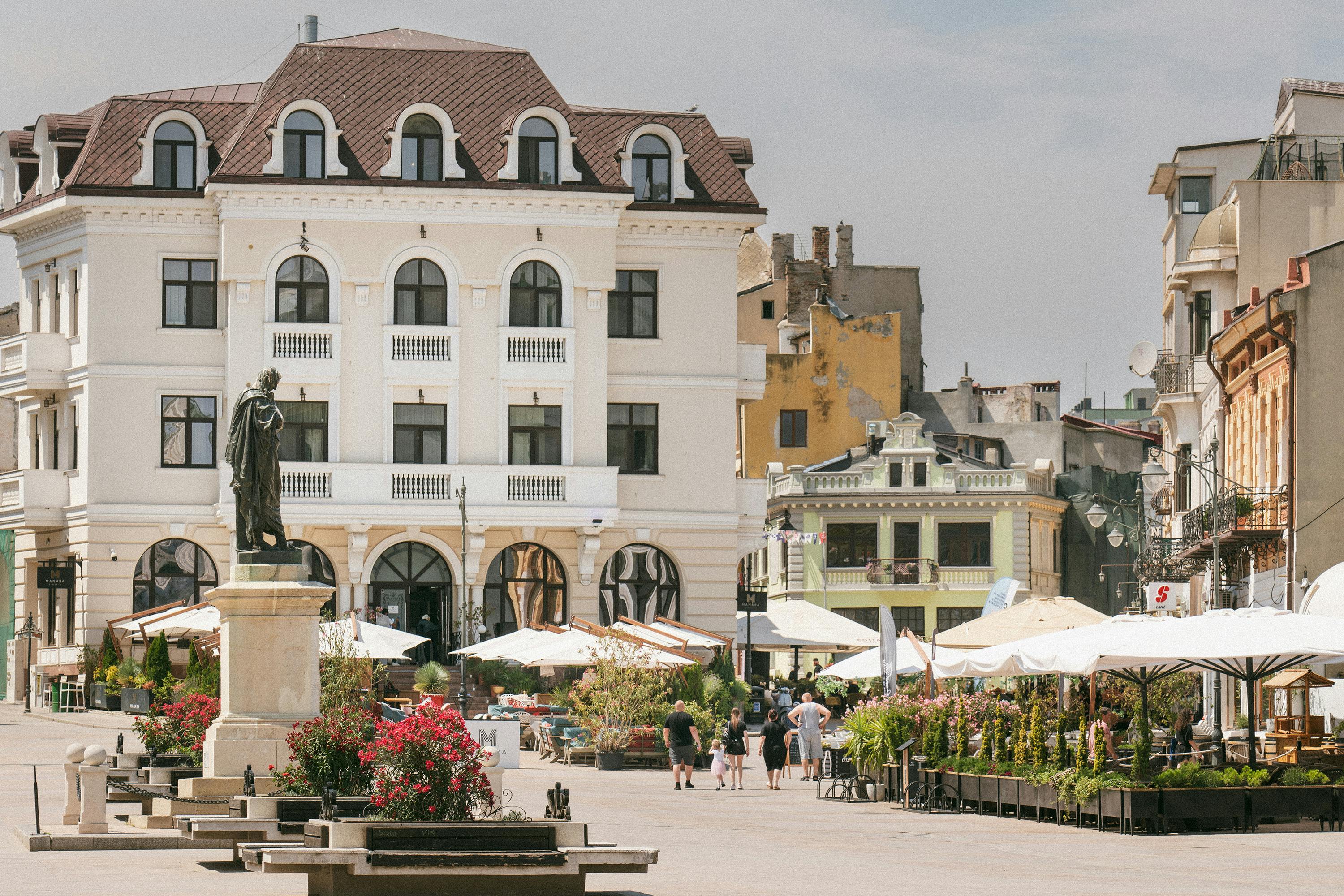
Bucharest dominates the market in transaction volume and price depth, followed by Cluj-Napoca, Timișoara, Iași, and Brașov. These cities attract domestic buyers, expatriates, and investors due to employment hubs, universities, and infrastructure investment. Coastal and mountain regions show seasonal and lifestyle-driven demand rather than consistent year-round activity.
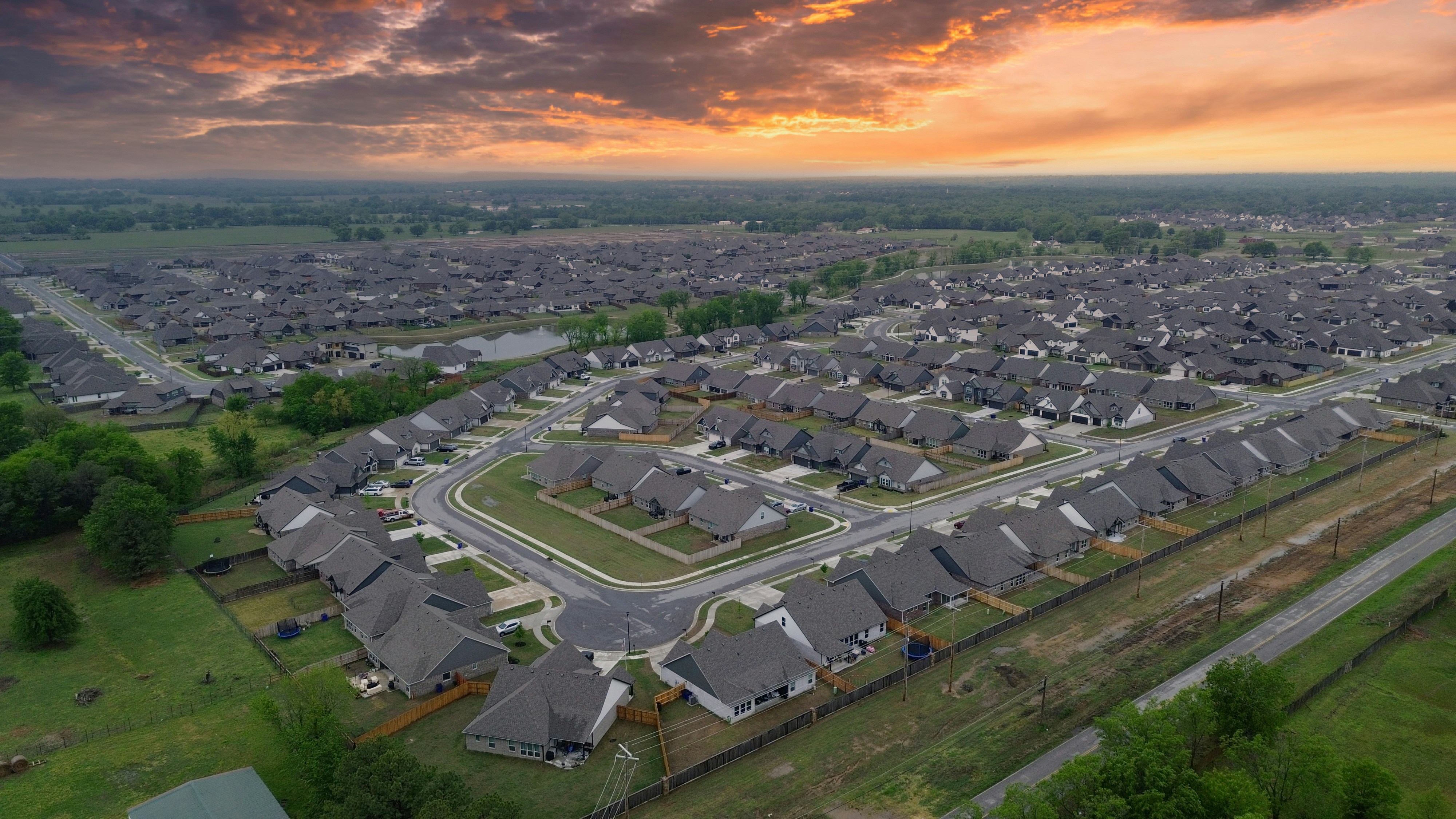
New-build apartments represent a growing share of urban transactions, while older communist-era blocks remain prevalent in established neighborhoods. Houses are more common in suburban and secondary city markets, often purchased for long-term residence rather than short-term investment.
Understanding who can buy, what can be owned, and how the Romanian market is structured is essential before assessing costs, legal steps, financing, and risks. These elements determine not only whether a purchase is possible, but whether it is sustainable and defensible over time.
Types of Property You Can Buy in Romania
Property buyers in Romania typically choose between apartments, houses, commercial properties, and land plots, each governed by distinct legal, technical, and market dynamics. Selecting the right property type depends on residency goals, investment horizon, and eligibility to own land.
Apartments are the most commonly traded assets and carry the lowest legal complexity. Ownership includes the private unit and a proportional share of common areas, with no direct land title complications. Houses include both a structure and land, which can affect eligibility for non-EU buyers. Commercial properties follow similar ownership rules but involve zoning and tax considerations.
Land purchases—residential, agricultural, or forest—require enhanced due diligence. Zoning status (intravilan vs. extravilan), construction permissions, and statutory preemption rights materially affect value and usability. Buyers should confirm land classification before any price negotiation.
| Property Type | Typical Use | Legal Complexity | Liquidity |
|---|---|---|---|
| Apartment | Residence / Rental | Low | High (urban) |
| House | Primary residence | Medium | Medium |
| Commercial Unit | Business / Investment | Medium–High | Location dependent |
| Land Plot | Development / Agriculture | High | Low–Medium |
Property Prices and Costs in Romania
Property prices in Romania vary significantly by city, neighborhood, and asset type. Urban centers command premium pricing, while secondary cities and rural areas remain comparatively affordable. Buyers should evaluate total acquisition cost, not just headline price.
Apartments in major cities generally range from mid-market to upper-mid pricing by regional standards, with new developments priced higher due to energy efficiency standards and modern amenities. Houses show greater price dispersion based on land size, construction quality, and proximity to urban cores.
Beyond purchase price, buyers must budget for transaction costs, which are moderate by European standards. These costs are predictable and largely regulated, reducing exposure to hidden fees when transactions are handled properly.
| Cost Item | Who Pays | Typical Range |
|---|---|---|
| Notary Fees | Buyer | 0.5% – 1% |
| Land Registry Fee | Buyer | ~0.15% |
| Agent Commission | Buyer / Seller | 1% – 3% |
| Property Transfer Tax | Seller (usually) | Regulated |
Legal Process to Buy Property in Romania
The legal process to buy property in Romania is structured, document-driven, and overseen by a licensed public notary. Ownership transfer is enforceable only after notarization and registration in the Land Book.
Transactions typically begin with a preliminary agreement, followed by due diligence on title, zoning, and encumbrances. The final sale contract is executed before a notary, who confirms seller authority, buyer identity, and tax compliance. Funds are transferred according to contractual terms, often using escrow-like notary arrangements.
Registration in the Land Book is mandatory and usually completed within days. Once registered, the buyer becomes the legally recognized owner, with rights enforceable against third parties.
| Step | Action | Key Risk if Skipped |
|---|---|---|
| Offer & Agreement | Price and terms agreed | Unclear obligations |
| Due Diligence | Title and zoning checks | Hidden liens or limits |
| Notarization | Official sale execution | Invalid ownership |
| Land Book Entry | Ownership registration | No legal protection |
Financing, Taxes, and Ongoing Costs
Financing options in Romania include cash purchases and mortgage loans, primarily offered by local banks. Mortgages are more accessible to residents and EU citizens, while non-residents may face higher equity requirements or limited availability.
Property ownership carries annual local taxes based on property type, size, and use. Residential property taxes are relatively low compared to other European markets, while commercial assets incur higher rates.
Rental income is taxable and subject to declared income rules. Owners should account for maintenance, association fees for apartments, and insurance as part of long-term ownership costs.
Common Buyer Mistakes and Risk Areas
The most common buyer mistakes in Romania involve insufficient due diligence, misunderstanding land ownership rules, and relying on informal agreements. These issues are preventable when transactions follow formal legal procedures.
Buyers often underestimate zoning restrictions, especially for land intended for construction. Another frequent risk is assuming that possession equals ownership without confirmed Land Book registration.
Engaging licensed professionals and verifying every document before notarization significantly reduces exposure to legal and financial disputes.
Investment Outlook and Rental Potential
Romania’s property investment outlook is driven by urbanization, wage convergence within the EU, and sustained demand for rental housing in major cities. Residential investment performance is primarily yield-based rather than appreciation-led, with stable occupancy in employment and university hubs.
Long-term rentals dominate the market, particularly in Bucharest, Cluj-Napoca, Iași, and Timișoara, where local demand exceeds professionally managed supply. Short-term rentals are present but increasingly regulated by local authorities and homeowner associations, making compliance a key consideration.
Investors typically prioritize apartments with efficient layouts, access to public transport, and modern energy standards. Liquidity remains strongest in mid-market segments, while luxury and rural assets require longer holding periods to exit.
Due Diligence Checklist Before Buying
Effective due diligence in Romania focuses on verifying legal title, zoning status, and the absence of encumbrances. Skipping or abbreviating these checks materially increases legal and financial risk, particularly for land and older properties.
Buyers should obtain an up-to-date Land Book extract, confirm building permits and completion certificates, and verify that utilities and common areas are properly registered. For apartments, homeowners’ association records and unpaid maintenance obligations should also be reviewed.
| Check Item | Applies To | Why It Matters |
|---|---|---|
| Land Book Extract | All properties | Confirms legal ownership |
| Zoning Certificate | Land / Houses | Defines permitted use |
| Building Permit | New builds | Confirms legality of construction |
| Association Records | Apartments | Identifies shared liabilities |
Resale, Exit Strategy, and Liquidity
Property resale in Romania is legally straightforward when ownership is cleanly registered and tax obligations are settled. Liquidity varies by location and asset type, with apartments in large cities offering the fastest resale timelines.
Capital gains tax obligations depend on holding period and seller status, with exemptions applying after specific ownership durations. Sellers must ensure that all cadastral data and land registry entries are current before listing a property for sale.
Buyers planning eventual resale should prioritize properties with broad market appeal, compliant documentation, and predictable maintenance costs, as these factors directly influence exit pricing and transaction speed.
Frequently Asked Questions
Can foreigners buy property in Romania?
Foreigners can buy apartments and buildings in Romania. EU citizens may also buy land, while non-EU citizens generally face restrictions on direct land ownership unless purchasing through a Romanian company or under reciprocity agreements.
Is buying property in Romania safe?
Buying property in Romania is legally secure when transactions are notarized and registered in the Land Book. Most risks arise from inadequate due diligence or informal agreements rather than systemic legal issues.
How long does it take to buy property in Romania?
A standard transaction can be completed within a few weeks once due diligence is finalized. Land registry registration typically occurs within days after notarization.
Are property taxes high in Romania?
Residential property taxes in Romania are relatively low compared to many European countries. Rates vary by municipality and property type but are generally modest for owner-occupied housing.
Can I get a mortgage as a foreign buyer?
Mortgages are available primarily to residents and EU citizens. Non-resident buyers may face stricter conditions or may need to rely on cash financing.
Key Takeaways
- Ownership structure matters: Apartments are the simplest assets to buy, while land requires enhanced legal review.
- Nationality affects land rights: EU and non-EU buyers face different rules for land ownership.
- Due diligence is essential: Land Book verification and zoning checks protect buyers from avoidable risks.
- Urban markets offer liquidity: Major cities provide stronger rental demand and resale potential.
- Costs are predictable: Transaction fees and taxes are regulated and transparent when handled formally.
References
- Romanian Civil Code – Property and Ownership Provisions
- Romanian National Land Registry (ANCPI)
- European Union Accession Treaty – Property Rights
- Local Municipal Tax Codes (Romania)