Buying property in Monaco means entering one of the most supply-constrained, high-value real estate markets in the world. Prices for land, apartments, and luxury residences are driven less by cycles and more by scarcity, residency demand, and Monaco’s unique legal and tax framework. This guide explains exactly how Monaco property prices work, what buyers can realistically expect to pay, and how different property types compare — in clear, answer-ready sections.
Monaco Property Market Overview
Monaco’s real estate market is defined by extreme scarcity, political stability, and global demand from high-net-worth individuals. The principality covers just over two square kilometers, yet attracts buyers from Europe, the Middle East, Asia, and North America seeking security, residency options, and long-term capital preservation.
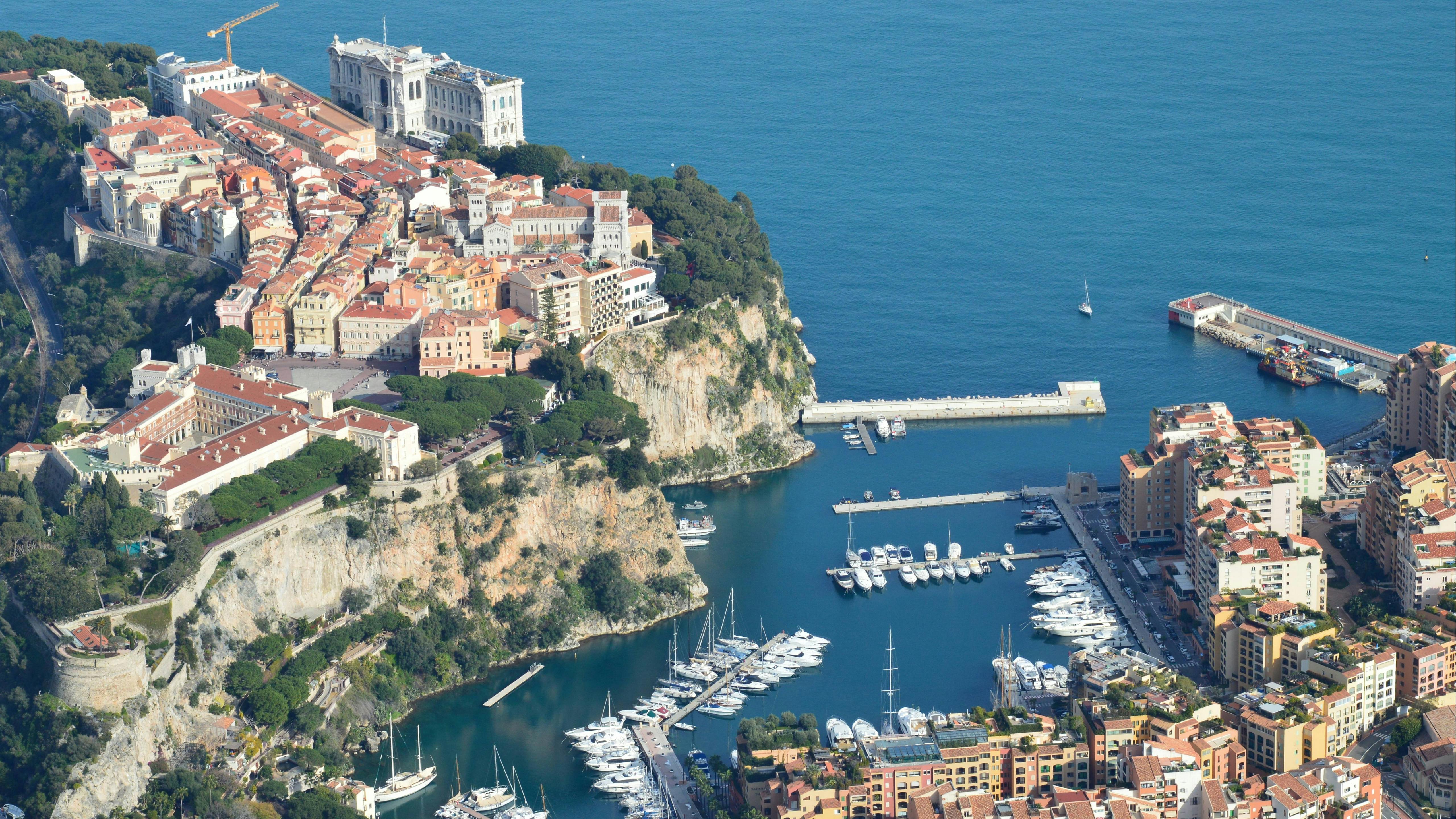
Unlike most global markets, Monaco has no meaningful suburban expansion. New supply comes almost entirely from redevelopment, vertical construction, or state-led land reclamation projects such as Fontvieille and Mareterra. This structural limitation keeps prices resilient even during global downturns.
Residential property in Monaco is primarily composed of apartments. Detached houses are exceptionally rare and usually tied to historic villas or legacy ownership structures. As a result, buyers should approach Monaco as an apartment-dominated market where location, building quality, and legal status matter more than square footage alone.
How Much Does Property Cost in Monaco?
Property prices in Monaco are among the highest globally, with average apartment prices typically exceeding €50,000 per square meter and premium districts significantly above that level. Prices are not uniform; they vary sharply based on district, sea view, building age, floor height, and whether the property is new-build or resale.
Entry-level apartments without sea views or in older buildings still command prices that would be considered ultra-luxury in most international cities. New developments and renovated residences in prime locations often sell before public listing, driven by off-market transactions.
Monaco property values are less sensitive to interest rate changes than other markets. Many transactions are cash-based, and buyers are typically motivated by residency, asset diversification, or lifestyle considerations rather than short-term yield. This contributes to long-term price stability rather than rapid speculative swings.
For buyers assessing affordability, it is critical to factor in not only purchase price but also registration fees, notary costs, and annual service charges, which can be substantial in luxury buildings with concierge and security services.
Is It Possible to Buy Land in Monaco?
Buying land in Monaco is exceptionally rare and, for most private buyers, effectively impossible. The principality has almost no undeveloped land, and what does exist is generally controlled by the state or allocated to strategic national development projects.
When land transactions do occur, they are typically linked to redevelopment of existing structures rather than vacant plots. These opportunities are usually accessible only to institutional developers or long-established Monaco entities with government relationships.
For individual investors, exposure to “land value” in Monaco is achieved indirectly through ownership of apartments in prime locations or shares in redevelopment projects. The scarcity of land is one of the primary reasons apartment prices remain elevated and resistant to oversupply risk.
Buyers comparing Monaco to other luxury destinations should understand that Monaco is not a land-banking market. Its appeal lies in legal certainty, density-driven value, and global desirability rather than development flexibility.
Apartment Prices by District in Monaco
Apartment prices in Monaco vary significantly by district, even though the country is geographically small. Location within Monaco directly affects price due to views, proximity to the waterfront, prestige of the address, and building standards.
Monte Carlo and Carré d’Or consistently command the highest prices. These areas combine central positioning, luxury retail, proximity to the Casino, and high-end residential buildings with concierge services. Sea-facing apartments in these districts often trade at a substantial premium.
Larvotto remains one of the most desirable residential zones due to its beachfront access. Properties here benefit from uninterrupted sea views and limited supply, particularly after recent redevelopment initiatives that modernized the area.
Fontvieille and La Condamine offer relatively lower entry points compared to Monte Carlo, while still benefiting from strong rental demand and long-term price resilience. These districts are often preferred by investors seeking functional layouts rather than purely prestige-driven purchases.
Luxury vs Standard Flats: What Drives the Price Gap?
The price difference between luxury and standard apartments in Monaco is driven by more than interior finishes. Building status, services, and legal structure play a decisive role in valuation.
Luxury residences typically offer 24-hour concierge, private parking, security-controlled access, and premium shared amenities. These features are not optional extras in Monaco’s high-end segment; they are core value drivers that materially affect resale liquidity.
Standard apartments, particularly in older buildings, may lack elevators, modern layouts, or dedicated parking. While still expensive by international standards, these properties appeal to buyers prioritizing Monaco residency over lifestyle amenities.
From an investment perspective, luxury apartments tend to retain value better during market stagnation, while standard units may experience wider pricing dispersion depending on building condition and renovation potential.
Additional Costs When Buying Property in Monaco
The total cost of buying property in Monaco extends beyond the agreed purchase price. Buyers must budget for registration fees, notary fees, and agency commissions where applicable.
Registration and notary fees generally range between 6% and 10% of the purchase price, depending on whether the property is acquired directly or through a Monaco-based company. These costs are regulated and non-negotiable.
Ongoing ownership costs include annual service charges, which can be substantial in luxury buildings with full-time staff, as well as property maintenance and local taxes. While Monaco does not levy capital gains tax on most residential sales, ownership structure can influence tax treatment.
Serious buyers should obtain a full cost breakdown early in the process, as transaction expenses materially affect net investment calculations at Monaco price levels.
Can Foreign Buyers Get Mortgages in Monaco?
Foreign buyers can obtain financing in Monaco, but mortgage availability is more conservative than in many countries. Local banks prioritize client relationships, asset profiles, and long-term financial stability.
Loan-to-value ratios are typically lower than international norms, often ranging between 40% and 60%. Banks expect substantial liquidity and may require assets to be held within the Monaco banking system.
Many buyers choose to purchase with minimal leverage or all cash, particularly those acquiring property for residency purposes. Financing decisions are therefore strategic rather than necessity-driven.
Buyers relying on external financing should engage with Monaco banks early in the process, as approval timelines can affect transaction feasibility in a competitive market.
Legal Process for Buying Property in Monaco
The legal process for buying property in Monaco is transparent, structured, and strongly protective of ownership rights. All transactions are supervised by a Monaco notary, who acts as a neutral public authority rather than a buyer or seller representative.
Once a price is agreed, a binding preliminary contract is signed, followed by a completion deed executed before the notary. Identity verification, source-of-funds checks, and compliance reviews are mandatory and strictly enforced.
Foreign buyers face no ownership restrictions, but purchases through corporate structures require additional approvals. Title registration is secure, centrally recorded, and not subject to the ownership disputes common in less regulated markets.
Transactions typically complete within six to ten weeks, assuming financing is in place and due diligence proceeds without delay.
Common Mistakes Buyers Make in Monaco
One of the most frequent mistakes buyers make is focusing solely on price per square meter without understanding building status, service charges, and long-term maintenance obligations. In Monaco, the building often matters as much as the apartment itself.
Another common error is underestimating liquidity differences. Prime, well-managed buildings resell more easily, while compromised layouts or outdated properties may take significantly longer to exit despite high headline prices.
Buyers also misjudge residency-related considerations. While property ownership supports residency applications, it does not automatically guarantee approval. Financial standing and compliance remain decisive factors.
Engaging advisors without deep Monaco-specific experience can expose buyers to structural, legal, or valuation risks that are not obvious to international investors.
Is Monaco Real Estate a Good Investment?
Monaco real estate is best understood as a capital preservation market rather than a high-yield investment. Price growth is driven by scarcity, jurisdictional stability, and sustained international demand.
Rental yields are typically modest compared to purchase prices, but vacancy risk is low for well-located apartments. Demand from residents, corporate tenants, and short-term professional occupiers remains consistent.
Over the long term, Monaco property has demonstrated resilience through economic cycles due to limited supply and regulatory certainty. For investors prioritizing stability over leverage-driven returns, Monaco occupies a unique position globally.
Frequently Asked Questions
Can foreigners buy property in Monaco?
Yes. Foreign nationals can freely buy property in Monaco with no restrictions on ownership.
What is the minimum budget to buy an apartment in Monaco?
Entry-level apartments typically start in the multi-million-euro range, depending on size, condition, and location.
Does buying property in Monaco grant residency?
Property ownership supports a residency application, but approval depends on financial stability and background checks.
Are property prices in Monaco negotiable?
Negotiation is possible, but flexibility is limited, especially for high-demand properties in prime districts.
Is there property tax in Monaco?
Monaco does not levy annual property taxes in the way many countries do, though service charges and registration fees apply.
Key Takeaways
- Extreme scarcity: Monaco property prices are driven by limited supply, not expansion.
- Apartment-led market: Most buyers purchase flats; land ownership is exceptionally rare.
- Stable investment profile: The market favors capital preservation over high yields.
- Regulated transactions: Notary-led processes provide strong legal security.
References
- Monaco Government – Property and Residency Regulations
- IMSEE Monaco – Real Estate Market Statistics
- Monaco Notarial Council – Property Transaction Framework