Inside Look: Renovating Victorian Homes in the UK
Dec 19, 2025
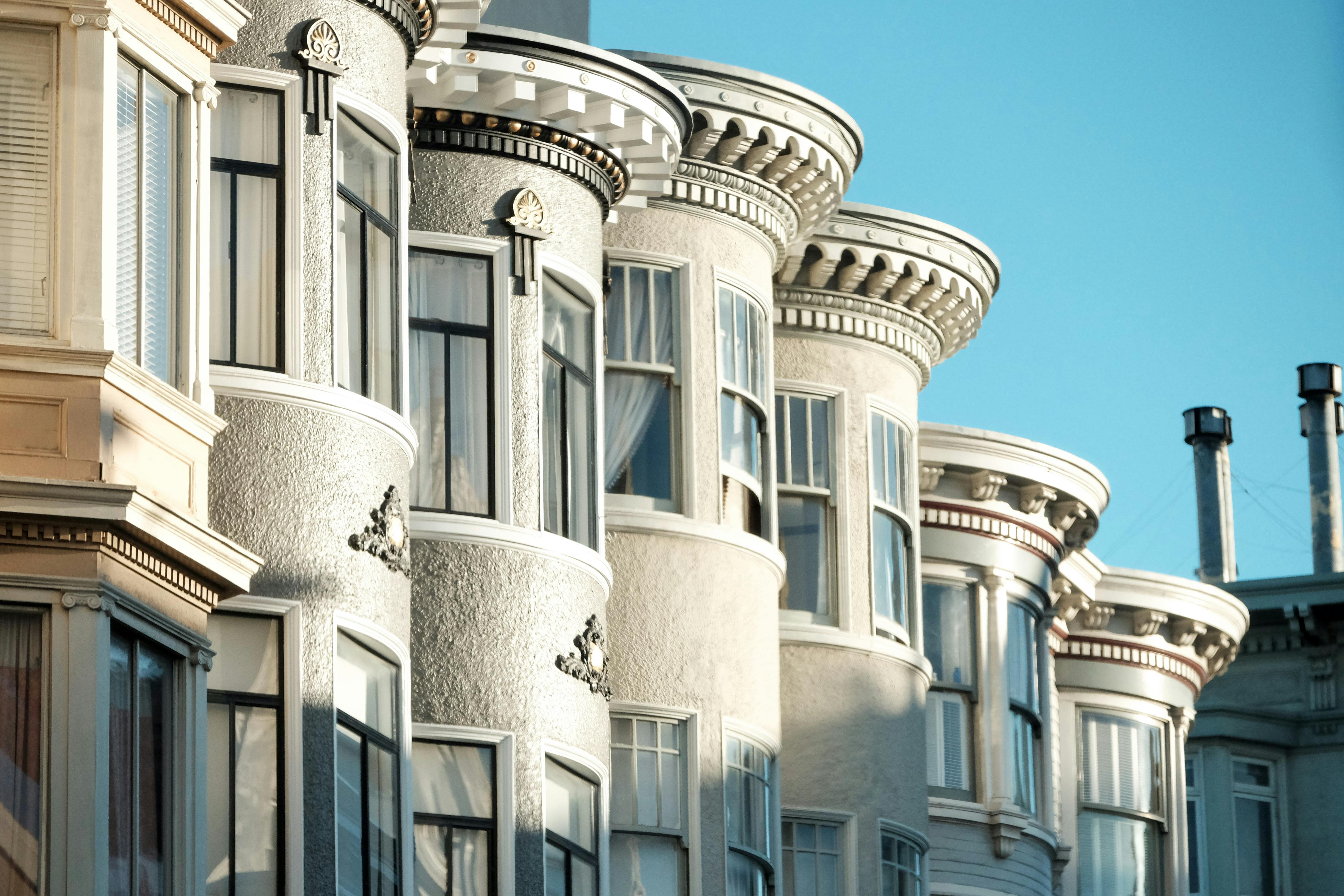
Victorian homes are everywhere in the UK. Walk down almost any street in London, Manchester, or Bristol, and you’ll see rows of tall terraces with bay windows and red brick. They’re part of the country’s character.
People love them for their charm. High ceilings, big sash windows, and fireplaces in almost every room. But let’s be honest. Owning one is both a dream and a headache. The character comes with age, and age means problems.
Restoration of a Victorian house is not all about fresh paint and gleaming floors. It is all about old wiring, damp basements and plans that are not exactly the ones that fit in modern living. It is costly, it is sloppy, and it involves patience.
So the real question is, why do people bother? Because when it’s done right, these homes are stunning. You keep the soul of the house but make it fit for today. That’s why they’re still so popular with buyers and investors.
Why Victorian Homes Still Hold Value
Let’s start with the basics. Victorian houses were mostly built between 1837 and 1901. They’re solid. Builders used brick and stone that have lasted more than a century. They were designed to stand up to coal fires, rain, and city smog.
What makes them appealing today is that mix of history and space. Compared to many new-builds, Victorian homes give you more room. Wide hallways, tall windows, proper gardens in some areas. Buyers notice that.
From an investment point of view, renovated Victorian homes fetch strong prices. Buyers want character, and they’ll pay for it. That’s why developers and landlords often take on these projects, even with the higher renovation costs.
The Common Problems You Can’t Ignore
Here’s where things get tricky. Victorian homes look charming, but behind the plaster, you’ll often find issues.
- Damp and mould: Many of these houses don’t have proper damp-proofing. Ground floors are often affected.
- Old wiring: If the electrics haven’t been updated in decades, you’re looking at a full rewire. That’s dusty, disruptive, and not cheap.
- Insulation: Victorian homes leak heat. You’ll find single-glazed windows and cold walls. Energy bills can be brutal.
- Foundations and subsidence: Some houses have shifted over time. Cracks in walls or uneven floors need proper checking.
- Outdated plumbing: Lead pipes aren’t unusual in very old homes. Replacing them is essential.
If you’re buying one, don’t skip the survey. Spend the money upfront. It will save you far more later.
Balancing Character With Modern Living
This is the part that excites most people. How do you keep the original charm but make the home practical for a modern lifestyle?
For many, the answer lies in combining old features with subtle upgrades. You keep the fireplaces but add underfloor heating. You repair the sash windows but fit discreet double glazing. You open up the back of the house for a big kitchen-diner while keeping the front rooms cosy.
It’s not about stripping the house of its history. It’s about respecting it while making it livable. The best renovations are the ones where you walk in and feel both heritage and comfort.
Extensions and Layout Changes
Victorian homes were often designed for large families, servants, and coal storage. Not exactly what we need today. Kitchens were small and at the back. Bathrooms were an afterthought.
That’s why many people extend. Side-return extensions are common, especially in London. They transform dark, cramped kitchens into open, bright spaces. Loft conversions are another go-to move. Those tall roofs were made for extra bedrooms or home offices.
But a word of advice—don’t rush. Councils are strict with planning, especially in conservation areas. Neighbours can object. And not every house suits the same changes. A clever architect who understands Victorian layouts is worth their fee.
Costs: The Hard Reality
Let’s talk numbers. Renovating a Victorian house is rarely cheap.
- Rewiring: £4,000 to £10,000 depending on size.
- Damp treatment: £2,000 to £6,000.
- New roof: £5,000 to £15,000.
- Full renovation with extensions: easily £100,000 or more.
And that is even before you come to finishes. Period-style tiles, custom made joinery or windows that are approved by the heritage all count. Most new renovators have an underestimation of 20 to 30 per cent of the budget. Always plan for surprises.
Where People Go Wrong
I’ve seen it too many times. People fall in love with the bay windows and high ceilings, then rush into renovations. Mistakes happen.
- They knock down walls without checking if they’re load-bearing.
- They fit cheap modern windows that ruin the look of the house.
- They ignore damp, thinking paint will hide it. Spoiler: it won’t.
- They cut costs on tradespeople and pay twice when it goes wrong.
Victorian homes are not the place for corner-cutting. If you want the house to hold its value, you need to do the work properly.
The Rewards
Yes, it’s stressful. Yes, it costs money. Yet consult any one who has completed a Victorian renovation and he or she will tell you it was worth it.
The resultant product is a home that is special. It has a past, and yet it has your impress upon it. As you enter a completed Victorian terrace with smooth floors, high ceilings, a contemporary kitchen at the end and the original features restored, it gives you the feeling of the best of both worlds.
Financially, renovated Victorians virtually always sell at greater speed and higher prices. The demand is high and more in the cities. Rental returns may as well be appealing in case you are in the buy-to-let market.
Final Thoughts
Making a Victorian house is not a light task. It is time-wasting, it frustrates your patience and it burns your purse. It is also one of the most rewarding undertakings you can initiate in the UK property market.
The key is preparation. Get the right surveys. Budget realistically. Be mindful of the past of the house but make it a thing that fits the present. And do not undervalue good tradesmen and architects.
Provided that you treat it like a long-term investment, in financial terms and way of life, a Victorian renovation will provide you with a house that none of the new ones can come close to.
Since it is not only about bricks and mortar in the end. It concerns revitalizing a segment of history and adapting it to the next century.
About the Author