Sustainable Living: Eco-Friendly Homes in the UK
Dec 19, 2025
What is the meaning of living sustainably in the UK today? More to the point, what is the effect of that on the homes we purchase, lease, or construct in the future? These are some of the questions that most of us are starting to raise, not because we are interested, but because we have to. It is no longer merely a thought as the planet warms, energy prices soar, and we realise just how much we have an impact on the environment. This is reflected in our monthly bills and in how the property market is transforming.
Sustainability was an extra item that developers would sprinkle in their brochures when I first began to write about real estate more than 10 years ago. There is a solar panel and a rainwater harvesting system, and it is largely a show. Jump to 2025, however, and the image is no longer anything like that. Green homes have ceased to be on the fringes. Consumers have become virtually insistent upon inquiring as much about the energy efficiency of a home as they do about the size of the living room.
In this blog, we shall unpack what sustainable living entails in a UK context. We will discuss the realities, the financial and lifestyle gains, the obstacles, and finally, how it all affects property investors, developers, and the average homeowner.
What Do We Mean by Eco-Friendly Homes?
Eco-friendly homes can be described as properties that are built or refurbished to reduce their negative environmental impact. That definition is right, but the lived reality is not so entirely covered by it. This is not only about the bricks, insulation, or the solar panels. It is about the development of places where people can live more comfortably, at a lower cost, and leave a smaller footprint on the planet.
Say the Passivhaus standard. Passivhaus homes originated in Germany but are now gaining popularity in the UK, as they are highly efficient, requiring little to no conventional heating. Once I was at the development in Exeter when people were so well insulated in their homes that they used to joke that they all needed the warmth of a toaster to warm the kitchen. That sounds like a stretch, but it shows the extent to which design can be taken in terms of minimising the use of fossil fuels.
Moreover, eco-friendly homes are not only about new builds. Retrofitting existing stock is arguably the bigger challenge in the UK, where a significant portion of housing dates back to the Victorian and Edwardian eras. You cannot just knock down every draughty terrace or semi-detached. Instead, programs like the EPC (Energy Performance Certificate) laws put in place by the government are encouraging landlords and homeowners to insulate, improve windows, and heating systems.
Why Does Sustainable Living Matter Now More Than Ever?
This topic is being pushed to urgency by two forces: the climate crisis and the cost-of-living crisis.
Firstly, the climate factor is unavoidable. The UK government has made it a legal obligation to become net zero by 2050. That objective is ambitious, yet property can contribute significantly to it, as residential buildings account for nearly 15 per cent of greenhouse gas emissions in the UK. This has not been a nice-to-have improvement, but a national necessity.
Secondly, sustainability now is a personal financial issue due to the energy bills. When oil prices shot up in 2022 and 2023, fuel poverty was seen in many households. It turned out, however, that not only was it inconvenient to have drafty windows or a lack of insulation, but also excruciatingly expensive. This fact has redefined the priorities of the buyers. A house that saves you 1000 a year on the heating is much more appealing than a house with an additional en-suite.
And here is the reflection: sustainability is now not only an ideological abstraction, but it is also pragmatic. When families are seated at their kitchen tables planning on how to use their monthly outgoings, an ecological home is no longer about saving the planet in some far-off future. It is about saving money right now.
How Are Developers Responding?
Sustainability is a trend that the UK property market has always been following. There is competition among developers who are trying to display green credentials.
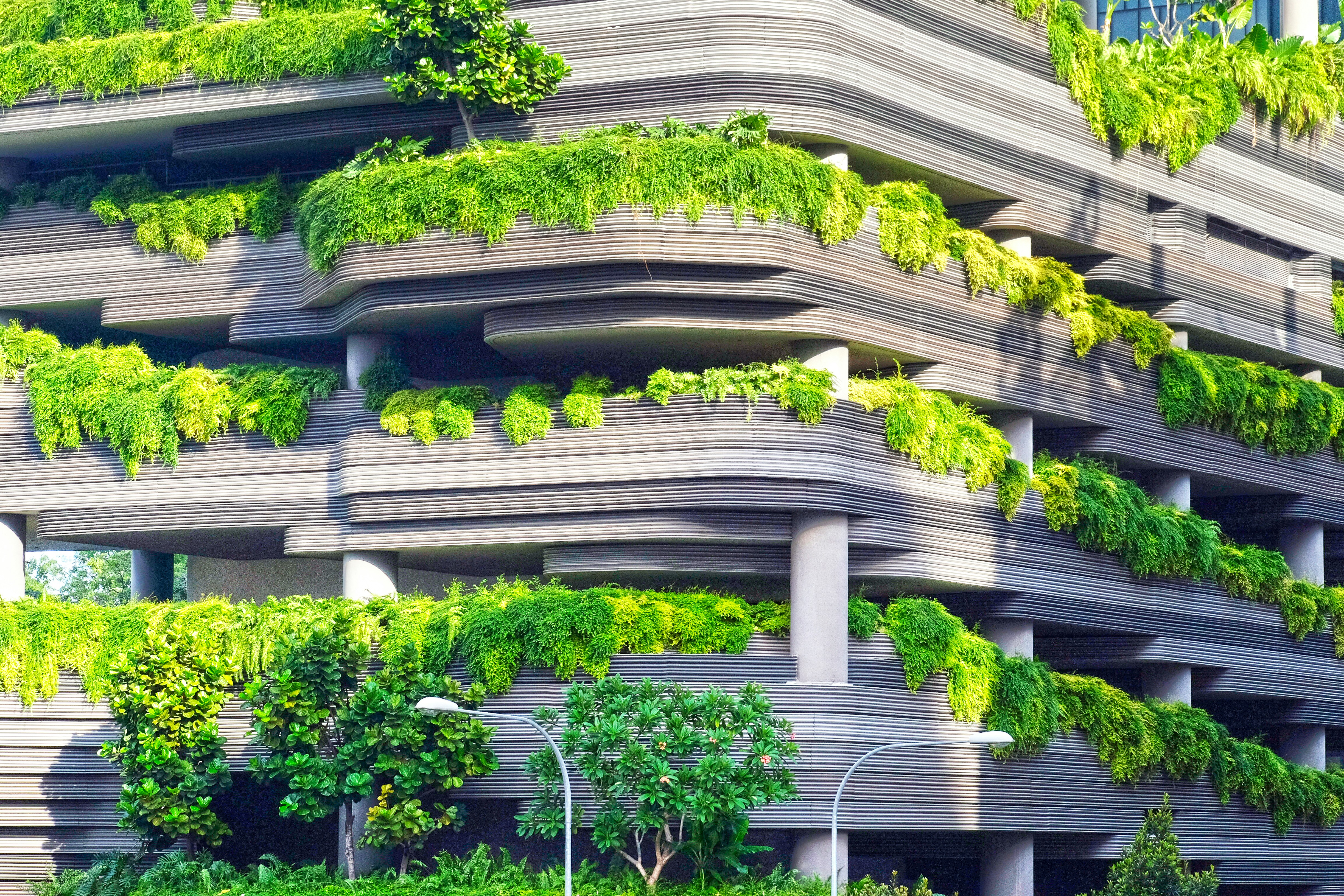
Major projects, such as the Barking Riverside or Elephant Park in London, are sold not only on their design and connectivity but on their eco-friendly credentials. Green roofs, communal energy centres, and cycle-friendly layouts are not features to be added. They are points of sale.
Regional cities are rapidly catching up with London outside London. A number of neighbourhoods in Manchester have been testing out low-carbon neighbourhoods, and Bristol frequently calls itself the greenest city in the UK due to its renewable energy efforts. Smaller towns are also seeing developers use air-source heat pumps, triple glazing, and smart energy systems as a matter of course.
But the market also reveals something else. Buyers and tenants are becoming more discerning. It is no longer enough for developers to put the word “sustainable” on a brochure. People ask: Where is the evidence? What is the EPC rating? How much will it actually reduce bills? This shift in consumer behaviour is a powerful driver for genuine innovation in housing.
What About Investors?
If you are an investor, here is where things get particularly interesting.
Homes that have been rated higher in EPC tend to be cheaper to operate, but are gradually becoming more regarded as less risky investments. A number of mortgage companies currently provide green mortgages at special rates on energy-efficient homes. Landlords are under pressure. The UK government has signalled stricter minimum EPC requirements in the coming years, and that means poorly performing buy-to-let properties could become liabilities.
I remember speaking with a landlord in Birmingham last year. He owned a portfolio of pre-1970s houses, many with poor insulation. He admitted he used to dismiss energy upgrades as unnecessary expenses. However, once he saw an uptick in tenant turnover because people simply could no longer afford the energy bills, he began investing heavily in retrofits. His conclusion was obvious: the initial price was very high, but the long-term benefit in the stability of tenants and property value was worth it.
Sustainability is no longer an added value as far as the investor is concerned. It is a component of due diligence.
The Spiritual and Lifestyle Benefits of Sustainable Homes
Let us pause here. There is another layer that is mostly ignored when it is past the economics and regulations, and this is the spiritual or lifestyle side of sustainable living.
Ask yourself: What do you think of when you enter a house with natural light, air flowing through it, and the sense of being connected to greenery? That is what a stuffy flat with closed windows and artificial lighting twenty-four hours a day offers. This is not a physical difference only; it is psychological.
Research has indicated that residential buildings constructed using environmentally friendly concepts like biophilic architecture, natural light, and community gardens are more likely to support healthy psychological and general health. Indeed, a report commissioned by the UK Government indicated that the people living in environmentally friendly neighbourhoods report a stronger sense of community, possibly due to sustainability often being a common responsibility, such as communal allotments or car-sharing arrangements.
Additionally, subtly involved is the sense of pride and peace that is inherent with living in a sustainable fashion. It goes in line with values that most people currently cherish. In the words of one of the residents I interviewed in Brighton: The fact that my home is a little lighter on the planet makes me feel like I am part of the solution, not the problem. That feeling of mission cannot be undermined.
Practical Challenges and How to Overcome Them
Of course, we should be honest. Not all is well with sustainable housing.
The first is cost. A retrofit of an older property can cost tens of thousands of pounds. To most families, that is not within their means. There are government grants and incentives, but they are usually criticised as irregular or difficult to obtain.
The second is knowledge gaps. The real question that most homeowners have in their minds is what they can do that will have the most significant change. Is it important to them to insulate, to use solar panels, or to replace the heat pump? Money could be wasted without the advice of an expert.
The third is supply chain limitations. Skilled labour and materials for sustainable retrofits are in high demand, sometimes leading to delays and inflated costs.
So how do we address these? On the one hand, there is consistency of policy. Investors and homeowners require specified, lasting models other than moving principles. Secondly, education is key. Local councils and housing associations have started offering free energy audit initiatives. These initiatives should be scaled up. And thirdly, technology may provide part of the answer. Smart meters, online carbon calculators, and even AI-driven design tools can help households make informed decisions.
Takeaways for Homeowners and Buyers
So, what is on the market that you should watch when you are buying or renovating a home? The following are some of the practical lessons:
- Check the EPC rating. Aim for properties rated A or B if possible, or at least those with clear potential for improvement.
- Look beyond the gimmicks. A token solar panel is nice, but comprehensive insulation or efficient heating systems often matter more.
- Ask about long-term savings. What does the developer or seller say about annual energy costs?
- Consider retrofit potential. Older homes can still be great investments if you have a plan for upgrades.
- Cogitate lifestyle and economics: Day-to-day life might be dramatically enhanced by natural lighting and ventilation, along with natural neighbourhood elements that are environmentally friendly.
Final Reflection
One of the most radical changes in recent history, when I consider the development of the UK property market, is sustainable living. It is transforming the construction, purchase, lease, and even devaluation of homes.
But perhaps the biggest change is not structural or financial. It is cultural. For the first time, a critical mass of buyers and renters see eco-friendly housing not as an alternative, but as the default expectation. And that, more than any government policy or market incentive, is what will drive the next generation of homes.
About the Author