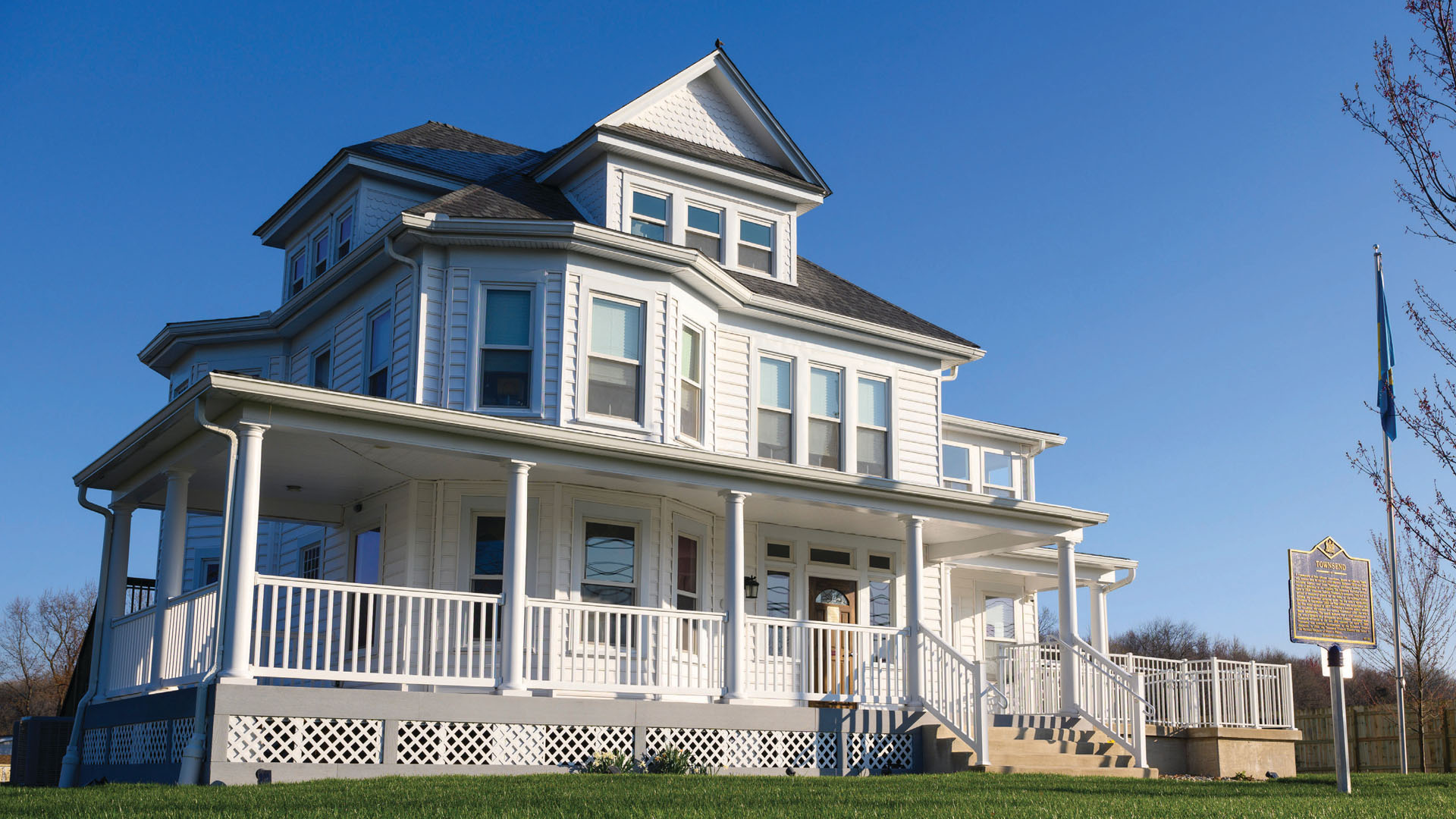
New homes in Wales offer a broad spectrum of pricing and lifestyle options — from entry-level starter properties under regional averages to architect-designed coastal residences exceeding £1 million. Buyers can access modern energy-efficient houses, waterfront apartments, countryside developments, and city-centre schemes across Cardiff, Swansea, Newport, and rural counties. The right choice depends on budget, financing, location priorities, and long-term investment goals. This guide explains where to buy, what it costs, how the process works, and what to consider before committing.
Why Choose New Homes in Wales?
Wales combines comparatively accessible property pricing with strong lifestyle appeal and modern infrastructure investment. Compared to many English regions, average house prices remain lower, while new-build supply continues expanding across urban regeneration zones and coastal corridors.
New developments in Wales typically include:
- Energy-efficient construction meeting current UK Building Regulations
- Improved insulation and lower heating costs
- NHBC or equivalent structural warranties (usually 10 years)
- Modern layouts suited to hybrid working
- Integrated appliances and reduced immediate maintenance costs
Is Wales a good place to buy a new-build property?
Yes — particularly for buyers prioritising affordability, lifestyle, and rental demand stability. Key urban centres such as Cardiff offer strong employment sectors including finance, public administration, and media. Coastal and rural counties attract lifestyle movers and retirees. Investor interest remains steady due to university populations and steady rental demand.
What makes new homes different from older Welsh properties?
Traditional Welsh housing stock often includes Victorian terraces, stone cottages, and post-war estates. New-builds, by contrast, provide:
- Higher EPC ratings
- Lower maintenance during the first 5–10 years
- Modern plumbing and electrical systems
- Contemporary open-plan living spaces
However, buyers should evaluate estate service charges, development completion timelines, and resale market positioning before proceeding.
Affordable New Homes in Wales
Affordable new homes in Wales are commonly priced between £180,000 and £280,000 depending on location and property type. Some areas fall below this range, especially in South Wales valleys and parts of North Wales.
Where are the most affordable new homes located?
Buyers typically find lower entry pricing in:
- South Wales Valleys communities
- Parts of Carmarthenshire
- Selected developments in Newport outskirts
- North Wales towns outside prime coastal zones
These locations often offer 2–3 bedroom houses with gardens at price points that would secure only apartments in parts of England’s South East.
What schemes help first-time buyers in Wales?
Several initiatives have historically supported first-time buyers in Wales, including shared ownership structures and government-backed equity support schemes. Buyers should confirm current eligibility rules, deposit thresholds, and regional caps directly with approved lenders and developers, as programme availability can change.
Typical Costs for Affordable New Builds
| Cost Category | Typical Range | Notes |
|---|---|---|
| Purchase Price | £180,000–£250,000 | Varies by region and developer |
| Deposit (10%) | £18,000–£25,000 | Higher deposit lowers mortgage costs |
| Legal Fees | £1,000–£1,800 | Includes conveyancing |
| Land Transaction Tax (LTT) | Variable | Wales uses LTT instead of SDLT |
| Service Charges (if applicable) | £150–£400 annually | Estate maintenance fees |
Are affordable new homes good investments?
They can be, particularly in regeneration zones and commuter-linked towns. Capital growth depends on transport connectivity, local employment, and school catchments. Investors should review rental demand, gross yield projections, and future supply pipelines before purchasing.
Luxury New Homes in Wales
Luxury new homes in Wales typically range from £600,000 to well above £1.5 million, depending on waterfront access, architectural design, land size, and proximity to major cities.
Where are high-end new developments concentrated?
Premium new homes are commonly found in:
- Cardiff’s waterfront and select suburban districts
- The Gower Peninsula coastline
- Anglesey coastal zones
- Monmouthshire countryside developments
What defines a luxury new home in Wales?
Higher-end properties often include:
- Large plots or panoramic coastal views
- Smart home integration
- High-spec kitchens and bespoke interiors
- Private gated access or exclusive developments
- Energy-efficient heating systems including air-source pumps
Who buys luxury property in Wales?
Buyers typically include business owners relocating from England, retirees seeking coastal living, and international purchasers attracted to lifestyle quality relative to pricing in London or the South East. Some acquire second homes, though taxation and occupancy regulations should be reviewed carefully.
While prime Welsh property does not experience the same pricing volatility as central London, it also tends to demonstrate steadier, more moderate capital appreciation. Buyers prioritising lifestyle over rapid appreciation often find this balance appropriate.
Understanding whether you are purchasing for lifestyle, rental income, long-term appreciation, or relocation planning will determine which segment — affordable or luxury — aligns with your objectives.
How to Buy a New Home in Wales
Buying a new-build property in Wales involves reservation, legal due diligence, mortgage approval, exchange of contracts, and completion — often within stricter timelines than older homes. Developers typically require exchange within 28 days of reservation.
Step-by-Step Purchase Timeline
| Stage | What Happens | Timeframe |
|---|---|---|
| Reservation | Pay reservation fee and secure plot | Immediate |
| Mortgage Application | Submit full mortgage application | 1–3 weeks |
| Conveyancing | Legal checks, contract review, searches | 2–4 weeks |
| Exchange | Deposit paid, contract legally binding | Usually within 28 days |
| Completion | Final payment and key handover | On build completion |
What legal checks are specific to new builds?
Buyers must confirm:
- Planning permission compliance
- Adoption of roads and drainage systems
- New home warranty provider (e.g., NHBC or equivalent)
- Management company structure and service charges
- Completion date clauses and long-stop dates
Failure to review estate management arrangements can lead to unexpected ongoing fees. This is particularly relevant for flats and private estates.
Costs, Taxes and Financing Explained
Wales uses Land Transaction Tax (LTT) instead of Stamp Duty Land Tax, and rates differ from England. LTT thresholds and percentages vary depending on whether the property is a main residence or additional property.
What is Land Transaction Tax (LTT)?
LTT is payable on residential purchases above certain thresholds. First-time buyer relief structures differ from England, and higher rates apply to additional properties or second homes. Buyers should calculate liability before reserving a plot, particularly in higher-value segments.
Mortgage Considerations for New Builds
New-build homes can present unique lending considerations:
- Some lenders require higher deposits for flats
- Mortgage offers may expire if construction delays occur
- Valuations may be conservative in oversupplied developments
Buyers purchasing off-plan should ensure mortgage offer validity aligns with expected completion dates. Extensions are not guaranteed.
Additional Financial Considerations
| Factor | Why It Matters |
|---|---|
| Service Charges | Ongoing maintenance of shared spaces |
| Ground Rent (if leasehold) | Long-term cost affecting resale value |
| Snagging Repairs | Minor defects identified after completion |
| Utilities Setup | Connection and account activation costs |
Are New Homes in Wales a Good Investment?
New homes in Wales can provide stable rental yields and moderate capital growth, particularly in university cities and commuter-linked areas. However, returns depend heavily on location selection and purchase timing.
Rental Demand Drivers
- University populations in Cardiff and Swansea
- Public sector employment stability
- Commuter links to Bristol and South West England
- Growing coastal relocation demand
Potential Risks
- Oversupply within single large developments
- Short-term price stagnation in new-build estates
- Service charge increases affecting net yield
- Changing regulation around rental standards
Investors should calculate gross yield, net yield after costs, and five-to-ten-year appreciation projections before committing. New-build premiums may reduce short-term resale margins compared to established housing stock.
Common Mistakes Buyers Make
The most common errors involve underestimating long-term costs and overestimating short-term price growth.
1. Ignoring Estate Charges
Many developments include private road or landscape maintenance charges. These can rise annually.
2. Relying Solely on Developer Incentives
Incentives such as deposit contributions may affect valuation or resale dynamics. Buyers should focus on net market value.
3. Skipping Independent Snagging Inspections
Professional snagging surveys can identify issues before warranty periods expire.
4. Failing to Research Local Supply Pipelines
If multiple phases of development are planned nearby, resale competition may remain high for several years.
New homes in Wales can be strategically sound purchases when buyers align budget, location, financing, and long-term objectives with realistic expectations about pricing and appreciation.
Best Areas in Wales for New Homes
The strongest locations for new homes in Wales combine transport connectivity, employment access, and constrained long-term supply. Buyers should assess infrastructure, schools, and regeneration planning before choosing a development.
Cardiff and Surrounding Areas
Cardiff remains the most liquid property market in Wales. Waterfront regeneration, suburban family developments, and commuter rail links support both owner-occupiers and investors. Rental demand is reinforced by university populations and public-sector employment.
Swansea and the Gower Corridor
Swansea offers coastal living combined with improving infrastructure. New developments range from city apartments to larger family homes near the Gower Peninsula, attracting both local movers and lifestyle buyers.
Newport and Severn Corridor
Newport appeals to commuters working in Bristol and South West England. Relative affordability compared to Cardiff supports steady demand.
North Wales Coastal Zones
Anglesey and North Wales coastal towns attract retirees and second-home buyers. Investors should review local occupancy regulations and additional property taxation rules before purchasing.
New Build vs Existing Property in Wales
New builds offer energy efficiency and lower early maintenance, while existing properties may provide larger plots and lower price per square foot. The correct choice depends on buyer priorities.
| Factor | New Build | Existing Property |
|---|---|---|
| Energy Efficiency | High EPC ratings | Varies widely |
| Maintenance Costs | Lower in early years | Potential renovation costs |
| Negotiation Flexibility | Limited price negotiation | Often negotiable |
| Completion Speed | May depend on build stage | Typically faster once agreed |
Buyers prioritising predictability and modern standards often favour new builds. Those seeking character features or renovation potential may prefer older homes.
Long-Term Market Outlook
Wales is expected to experience steady, moderate growth rather than rapid price surges. Infrastructure improvements, continued demand for coastal relocation, and relative affordability compared to southern England support long-term stability.
Key long-term drivers include:
- Transport upgrades and commuter accessibility
- Public and private sector employment hubs
- Ongoing urban regeneration projects
- Demand for energy-efficient housing stock
Short-term fluctuations may occur due to interest rate movements or supply cycles, but Wales has historically demonstrated less volatility than prime London markets.
Frequently Asked Questions
Are new homes in Wales cheaper than in England?
In many regions, yes. Average prices in Wales are generally lower than in southern England, though prime Cardiff and coastal properties can approach higher UK averages.
Do new builds in Wales come with warranties?
Most new homes include a 10-year structural warranty from an approved provider, covering major defects subject to policy terms.
Is Land Transaction Tax higher than Stamp Duty?
Rates and thresholds differ. For some price bands LTT may be comparable, while for higher-value or additional properties it can be more expensive. Buyers should calculate liability based on current Welsh thresholds.
Can I negotiate the price of a new-build home?
Price negotiation is often limited, but developers may offer incentives such as upgrades or contribution toward costs instead of direct price reductions.
Are new homes in Wales good for buy-to-let?
They can be suitable in high-demand areas such as Cardiff and Swansea, but investors should carefully assess net yield after service charges, tax, and management costs.
Key Takeaways
- Affordability: Wales offers entry-level new homes at prices generally below many English regions.
- Luxury Segment: Coastal and Cardiff-based developments provide high-spec options exceeding £600,000.
- Costs Matter: Land Transaction Tax, service charges, and financing structure significantly impact total expenditure.
- Investment Outlook: Growth is typically steady rather than rapid, with location selection critical.
- Due Diligence: Legal review, snagging inspections, and supply analysis reduce long-term risk.
References
- Welsh Government – Land Transaction Tax Guidance
- UK Finance – Mortgage Lending Data
- ONS – UK House Price Statistics