Can Foreigners Buy Property in Japan?
Dec 19, 2025
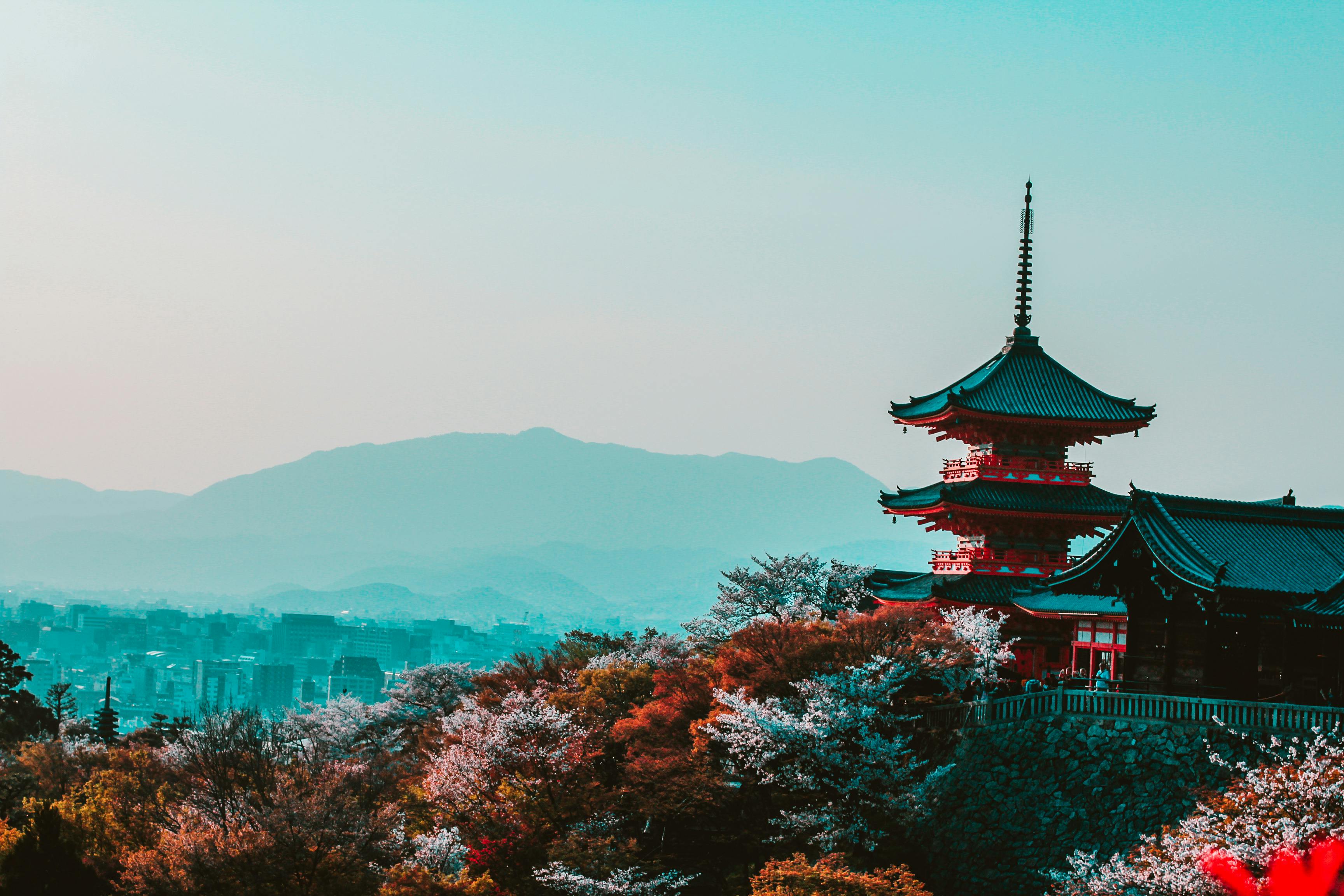
Japan has always captured people’s attention with its mix of old and new — from Tokyo’s bright neon lights to Kyoto’s traditional wooden houses. So, it’s no surprise that many foreigners wonder: can you actually buy property in Japan?
Yes, foreigners can buy property. But there are rules and small details that change how it works in practice. Let’s go through the main points, market factors, and opportunities step by step.
Foreign Ownership in Japan: The Basics
Foreigners in Japan can purchase freehold property, as opposed to in many countries in Asia, where numerous restrictions are enforced. You can buy both building and land, both in your own name, whether you are in Japan or abroad. No restrictions are based on nationality, and no special permits are needed.
This puts Japan in a special position. In Thailand, a foreigner has the right to own condominiums, but not land. The Indonesian ownership is restricted to leasehold. The openness of Japan is special in this regional context.
But possession of property in Japan does not provide you with a visa or permit to live. It is a mere investment or lifestyle, but not immigration.
Why Does Japan Allow Foreigners to Buy Property So Freely?
To understand Japan’s policy, you have to look at its demographics and economy.
- The population is ageing and shrinking, creating more housing supply than demand in many regions.
- The shift out to cities leaves the rural houses empty and an increasing demand to ensure that they are put into use instead of being left behind.
- Foreign investment helps keep the real estate market active and attractive.
For Japan, allowing foreign buyers is not just openness for openness’s sake; it also supports economic balance at a time when local demand is softening.
How Property Is Viewed in Japan
Here’s something that often surprises outsiders. In Japan, houses are not always considered long-term appreciating assets. Buildings lose value over time, much like cars. After a few decades, some properties may even be considered worthless apart from the land beneath them.
The land tends to increase or maintain its value, whereas the structure tends to decline. This is contrary to what is desired in a market such as London or New York, where the overall growth of property would be expected.
It is important to realise this mentality. You might not be lucky enough to purchase something in Japan with the hope of earning huge capital gains within a short time. However, when you venture in with the aim of making rental money or getting an individual base, the market could be satisfying.
Popular Locations for Foreign Buyers
Foreign buyers in Japan generally fall into two categories: lifestyle-driven and investment-driven.Tokyo
Tokyo is the most preferred city. It has a global appeal, a stable rental market, as well as comparatively low prices of property as opposed to other capitals. The rental yield is generally between 3 and 5 per cent, stable and predictable.
Osaka
Osaka is the destination that attracts investors who are interested in rentals related to the tourism sector. The city has a ready-made market with short-stay apartments due to attractions such as Universal Studios Japan and the increasing short-stay market.
Kyoto
Kyoto targets lifestyle consumers who become enamoured with its old town machiya houses. Nevertheless, these properties are not always cheap to repair and maintain, and the city is very strict with renovations.
Hokkaido
The Niseko ski resort region has gained popularity in terms of foreign investments, especially among Australian, Singaporean and Hong Kong investors. Internationalised luxury chalets and resort properties are very high here, with high demand in terms of renting throughout the winter season.
The Akiya Phenomenon: Japan’s Empty Homes
One unique feature of Japan’s real estate landscape is its akiya — abandoned houses. With urban migration and an ageing population, rural Japan is dotted with empty homes. Some municipalities list these properties in Akiya banks and offer them at incredibly low prices.
It is not unusual to see homes advertised for just a few thousand dollars. But low purchase prices often come with high renovation costs. Many of these properties require significant upgrades, from plumbing to earthquake resistance.
For lifestyle buyers who want a countryside retreat, an akiya can be appealing. For investors seeking returns, they can be more of a liability.
Financing Real Estate in Japan as a Foreigner
While buying is legally simple, financing is where most foreigners face challenges. Japanese banks are conservative and prefer lending to residents with permanent status and local income.
For non-residents, mortgages from Japanese banks are extremely rare. This is why many foreign buyers either:
- Pay in cash, or
- Use financing from banks in their home country.
Japan-oriented financing products are also not offered on all the properties, and those offered have higher interest rates.
And if you are serious about investing, then prepare to make an all-cash purchase. This will accelerate the process and will make you more attractive to the sellers who will prefer dealing with cash-ready customers.
Taxes and Fees You Should Expect
Buying real estate in Japan is not only about the cost. Customers have to consider some taxes and fees:
- Acquisition Tax: A one-time tax paid after the purchase.
- Registration and License Tax: Required to register your ownership with the government.
- Property Tax: An annual tax based on the value of land and buildings.
- City Planning Tax: Applicable in designated areas, usually urban centres.
All transaction costs are likely to increase the purchase price by about 5-7 per cent.
Rental income is taxable if you intend to rent your property. In addition, non-residents must hire a local tax representative to submit filings.
Key Considerations Before Buying
Foreign buyers can prevent pitfalls that usually happen by keeping these factors in mind:
- Work with a bilingual agent: The contract is written in Japanese. Guidance by the professionals is needed.
- Check earthquake resistance: Japan is earthquake-prone. The old buildings might fail to adhere to the current safety standards.
- Factor in maintenance fees: Fees that are charged by the condominium associations are monthly fees and long-term repair funds, and are sometimes very high.
- Understand ownership limitations: Buying property does not affect your visa status. Ownership and residency are separate matters.
- Be realistic about appreciation: Returns usually come from rental yields rather than property value growth.
Comparing Japan to Other Global Markets
Japan stands out in the international property scene. Consider these comparisons:
- In Singapore, foreigners face additional stamp duties. Japan does not impose such charges.
- In Australia, foreign buyers need government approval. Japan requires no special permits.
- In Europe, certain countries like Portugal link property investment to residency visas. Japan does not.
This makes Japan one of the most accessible markets in terms of legal ownership. The trade-off is that there are no extra residency benefits.
Market Outlook and Stability
Though Japan does not offer the same dramatic capital returns as in other markets, it can provide what is becoming increasingly rare: stability. Prices of real estate in prime locations such as central Tokyo have performed well due to the rental demand and the lack of supply of land.
Japan is typically a place of predictable income flows and reasonably low volatility to investors. To have a long-term portfolio diversification, it can be strategic in a global portfolio.
Final Thoughts
Japan has one of the most open markets in Asia since foreigners are not limited to owning property. Legally speaking, the process is a simple one, although there are still practical issues.
- Non-residents have a lot of trouble in financing, and cash or overseas loans are the order of the day.
- The value of property is more predictable than speculative, and the land occupies the majority of the value.
- This is because every purchase decision requires consideration of taxes, maintenance, and safety standards.
- The ownership is not connected to the right to visas or residence, and therefore, the expectations need to be established initially.
The possibilities are real in the case of people who wish to have stable rentals and diversification or a personal ground in Japan. Provided the correct research and the correct mindset, it is possible to purchase property in Japan and find it to be a rewarding experience.
About the Author