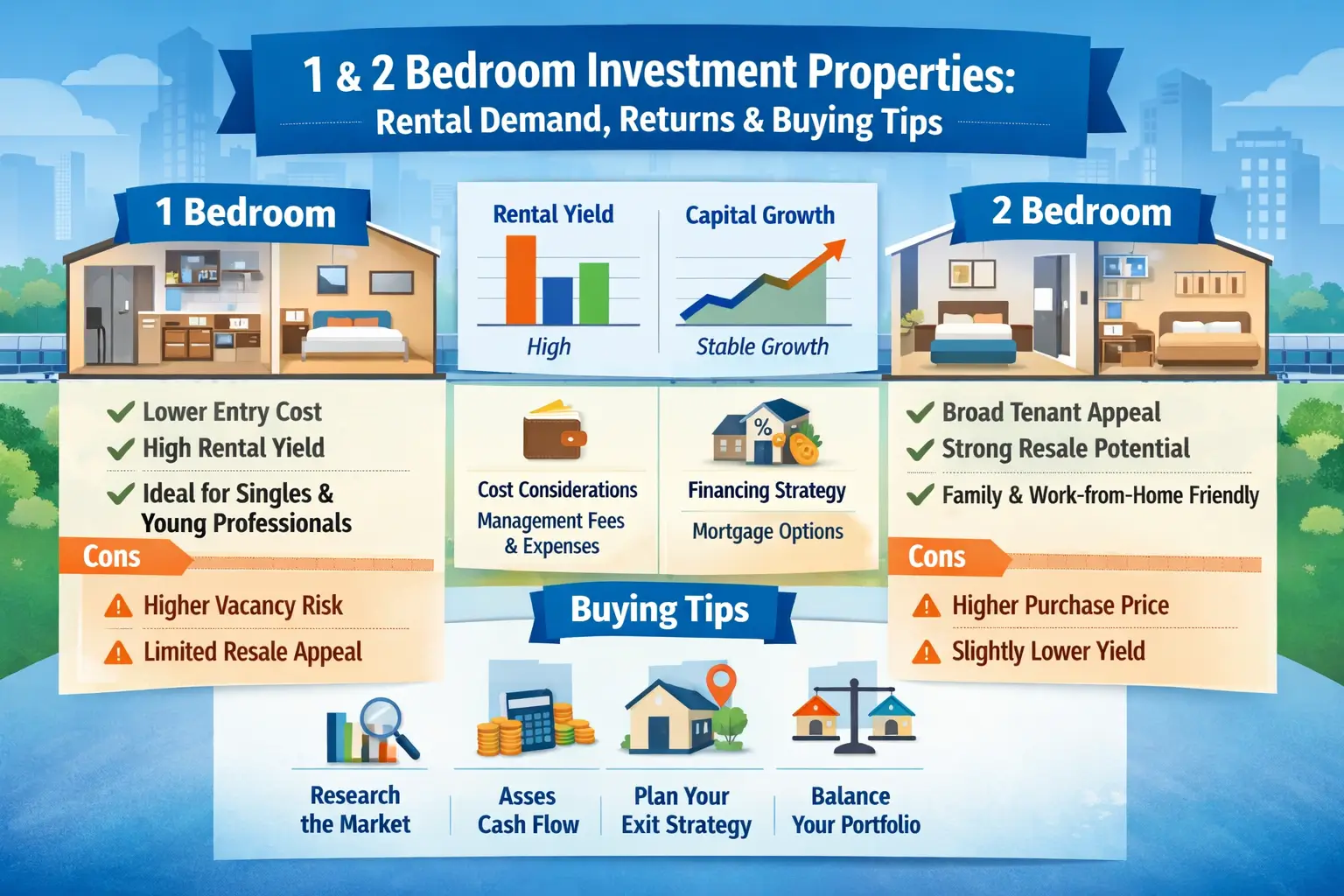
New build homes in Didcot typically range from approximately £300,000 for one- and two-bedroom properties to £650,000+ for larger four- and five-bedroom houses, depending on location, specification, and developer incentives. Demand remains strong due to Didcot’s rail connectivity to London, proximity to science and technology employers, and ongoing regeneration. Buyers should expect reservation fees, staged payments, and potential extras for upgrades. Understanding developer strategies, build timelines, and contract structures is essential before committing.
Why Are New Build Homes in Didcot in High Demand?
Didcot’s new build market is driven by transport access, employment growth, and structured urban expansion. The town sits in Oxfordshire, within commuting distance of Oxford, Reading, and London. Direct rail services from Didcot Parkway to London Paddington typically take around 40–45 minutes, making it viable for hybrid and daily commuters.
Beyond connectivity, the town has expanded significantly through planned developments such as Great Western Park and Valley Park. These schemes are not isolated estates; they include schools, retail units, green space, and healthcare facilities. Buyers are often purchasing into infrastructure, not just housing stock.
Employment and Economic Drivers
Didcot benefits from proximity to major science and research facilities, including Harwell Science and Innovation Campus and Milton Park business park. These hubs support thousands of skilled roles in technology, energy, life sciences, and engineering. Stable employment demand sustains buyer confidence and rental yields.
For investors, this translates into:
- Strong tenant demand from professionals
- Lower vacancy risk compared with purely residential commuter towns
- Long-term capital growth supported by economic activity
Why Buyers Prefer New Builds in Didcot
New build properties in Didcot appeal to first-time buyers and upsizers because they offer:
- Energy-efficient construction meeting modern building regulations
- Lower initial maintenance costs compared with period homes
- 10-year structural warranties (commonly NHBC or equivalent)
- Developer-backed incentives such as deposit contributions
Energy performance is particularly relevant. Modern homes typically achieve EPC ratings of A or B, reducing running costs. With energy prices volatile, this has become a decisive factor for many buyers.
How Much Do New Build Homes in Didcot Cost?
As of current market conditions, new build prices in Didcot vary by property size, development phase, and specification level. Entry-level apartments and small houses begin around the £300,000 mark, while premium detached homes in established phases can exceed £650,000.
| Property Type | Typical Price Range | Buyer Profile |
|---|---|---|
| 1–2 Bedroom Apartment | £300,000 – £375,000 | First-time buyers, investors |
| 2–3 Bedroom Terrace/Semi | £375,000 – £475,000 | First-time buyers, young families |
| 3–4 Bedroom Detached | £475,000 – £650,000+ | Upsizers, professionals |
What Influences Price Differences?
Price variation is not random. It is influenced by:
- Phase of development: Early phases are often priced lower to stimulate sales.
- Plot positioning: Corner plots, larger gardens, and non-overlooked homes command premiums.
- Specification upgrades: Flooring packages, kitchen upgrades, and landscaping are frequently charged as extras.
- Market timing: Developers may adjust pricing quarterly based on sales velocity.
Buyers should distinguish between headline price and total acquisition cost. Extras can add £5,000 to £20,000 depending on choices.
Are New Builds in Didcot Overpriced?
New builds typically carry a price premium of 5–15% compared with comparable second-hand properties. However, this premium reflects:
- Energy efficiency savings
- Lower maintenance risk in early years
- Warranty protection
- Modern layouts aligned with current buyer expectations
For investors, yield calculations must account for the premium. Rental demand remains strong, but capital growth expectations should be realistic and long-term rather than speculative.
Who Are the Main Developers Building in Didcot?
Several national and regional housebuilders are active in Didcot, particularly across large-scale expansion zones.
Major National Developers
- Barratt Developments – Active across large mixed-use schemes with standardised build specifications and structured incentive packages.
- Persimmon Homes – Focused on volume housing with competitive entry pricing.
- Taylor Wimpey – Known for phased releases and early-buyer incentives.
- Bellway – Offers a mix of family housing and smaller units within strategic sites.
Each developer operates under a similar reservation-to-completion model but differs in finish quality, customer service approach, and flexibility on negotiation.
Developer Sales Strategy Explained
Developers in Didcot typically follow a structured sales cycle:
- Launch with marketing suite and show homes.
- Offer early-buyer pricing or incentives.
- Increase prices gradually as phases sell out.
- Provide end-of-quarter incentives to meet sales targets.
Buyers often have more negotiation power at financial year-end or when a developer is approaching completion targets. Incentives are usually offered instead of headline price reductions to protect overall valuation levels.
How to Assess a Developer Before Reserving
Before paying a reservation fee (often £500–£2,000), buyers should:
- Review previous completed sites by the same builder.
- Check warranty provider and customer care record.
- Understand build timelines and potential delays.
- Confirm what is included versus optional upgrades.
Not all new builds are equal. Specification sheets, sound insulation quality, and snagging processes can vary materially between builders.
What Is the Buying Process for a New Build in Didcot?
Buying a new build in Didcot follows a structured developer-led process that differs from purchasing a resale property. The transaction timeline is usually faster at the exchange stage but longer overall if the property is off-plan.
Step-by-Step Purchase Timeline
| Stage | What Happens | Typical Timeframe |
|---|---|---|
| Reservation | Buyer pays reservation fee and selects plot. | Day 1 |
| Mortgage Application | Mortgage offer secured based on projected completion. | 2–4 weeks |
| Exchange of Contracts | Deposit paid (often 10% minus reservation fee). | Within 28 days |
| Construction Period | Property built if off-plan. | 3–12 months |
| Completion | Final payment and key handover. | On build completion |
In Didcot’s larger schemes, many properties are sold off-plan. This means exchange of contracts happens before construction is finished. Buyers are legally committed once contracts are exchanged, even if completion is months away.
Key Legal Considerations
New build contracts differ from standard residential contracts. Buyers should review:
- Long-stop dates (maximum build completion deadline)
- Snagging rights before and after completion
- Specification clauses allowing “minor variations”
- Management company obligations for shared spaces
Using a solicitor experienced in new build transactions is essential. Deadlines are strict, often requiring exchange within 28 days of reservation.
What Additional Costs Should Buyers Budget For?
The purchase price is only part of the total financial commitment. Buyers in Didcot should account for transactional, upgrade, and post-completion costs.
Upfront Costs
- Reservation fee (£500–£2,000 typical)
- Deposit (usually 5–10%)
- Stamp Duty Land Tax (if applicable)
- Solicitor fees
- Mortgage arrangement and valuation fees
Optional Upgrade Costs
Developers offer upgrade packages during the build phase. These commonly include:
- Flooring throughout property
- Kitchen appliance upgrades
- Additional tiling
- Landscaping packages
Upgrade selections can add £5,000–£20,000 or more. Buyers should compare developer pricing with post-completion installation alternatives.
Ongoing Costs
Many new developments in Didcot operate with estate management charges. These cover maintenance of communal landscaping, roads, or play areas.
Typical annual management charges range between £200 and £500 depending on estate size and facilities. Buyers should confirm:
- Who manages the estate
- Whether charges are capped
- Future adoption of roads by the local authority
Are New Build Homes in Didcot a Good Investment?
New builds in Didcot can be a stable long-term investment when aligned with employment growth and transport infrastructure. However, short-term appreciation may be limited due to the initial new build premium.
Rental Market Overview
Demand for rental properties in Didcot is supported by professionals working in nearby science parks and business hubs. Two- and three-bedroom homes are particularly attractive to working couples and young families.
Gross rental yields generally range between 3.5% and 5%, depending on purchase price and property type. Investors should calculate:
- Net yield after management fees
- Service or estate charges
- Maintenance and void assumptions
Capital Growth Factors
Capital growth in Didcot is influenced by:
- Expansion of employment centres
- Rail connectivity to London Paddington
- Supply levels in large phased developments
Large-scale development can moderate rapid price growth due to sustained supply. Investors should adopt a medium- to long-term holding strategy rather than short-term resale expectations.
New Build vs Existing Homes in Didcot: Which Is Better?
Choosing between a new build and an older property depends on priorities: efficiency and warranty versus space and character.
| Factor | New Build | Existing Home |
|---|---|---|
| Energy Efficiency | High (modern standards) | Varies significantly |
| Maintenance | Low initial years | Potential repair costs |
| Negotiation | Limited on price | More flexible |
| Plot Size | Often smaller gardens | Potentially larger plots |
| Character | Modern layouts | Period features possible |
For first-time buyers seeking certainty, new builds offer predictable costs. For buyers prioritising larger gardens or central locations, older properties may provide better value per square foot.
Common Mistakes Buyers Make with New Builds
Several recurring errors affect new build buyers in Didcot.
- Underestimating extras: Focusing only on headline price.
- Missing mortgage expiry risk: Offers may expire during long build timelines.
- Ignoring snagging inspections: Professional snagging surveys can identify issues early.
- Assuming unlimited price growth: Large developments can moderate appreciation.
- Not reviewing management charges: Ongoing estate fees impact affordability.
Careful due diligence reduces risk and ensures the purchase aligns with financial objectives.
What Is the Future Outlook for New Build Homes in Didcot?
The long-term outlook for new build homes in Didcot remains structurally stable, supported by transport connectivity, science-led employment, and planned housing delivery across Oxfordshire. However, price growth is expected to be steady rather than accelerated due to ongoing phased supply.
Supply Pipeline and Development Phases
Didcot continues to expand through multi-phase schemes, meaning new units will enter the market gradually over several years. This steady release of stock can limit sudden price spikes but supports market resilience.
For buyers, this means:
- Continued availability of new stock
- Reduced risk of extreme price volatility
- Greater choice across build stages
Infrastructure and Connectivity
Didcot Parkway provides direct rail access to London Paddington, Oxford, and Reading. Infrastructure investment in surrounding science and business parks reinforces employment demand, supporting long-term housing need.
Property values in commuter towns typically correlate with transport reliability and employment density. Didcot scores positively on both metrics, making it attractive for both owner-occupiers and landlords.
What Should First-Time Buyers Know Before Reserving?
First-time buyers should treat a new build reservation as a legally binding pathway rather than a casual hold. Once contracts are exchanged, withdrawal can lead to deposit loss.
Mortgage Timing Risks
Off-plan properties may take months to complete. Mortgage offers typically last six months. Buyers must ensure:
- Offer validity aligns with estimated completion
- Lender allows extensions if builds are delayed
- Affordability buffers account for potential interest rate changes
Snagging and Inspections
Professional snagging inspections identify minor defects before or shortly after completion. While developers are responsible for rectification, buyers should document issues formally within the warranty period.
Understanding Incentives
Developers may offer:
- Deposit contributions
- Stamp duty assistance
- Flooring packages
- Mortgage contribution schemes
Incentives are often structured to maintain headline pricing. Buyers should confirm how incentives affect mortgage valuation.
Frequently Asked Questions
Are new build homes in Didcot freehold or leasehold?
Most new build houses in Didcot are sold freehold, while apartments are typically leasehold with associated service charges. Buyers should review lease terms carefully.
How long does it take to complete a new build in Didcot?
If the property is already built, completion can occur within 8–12 weeks. Off-plan homes may require 3–12 months depending on construction stage.
Do new builds in Didcot come with warranties?
Yes. Most are covered by a 10-year structural warranty, commonly provided by NHBC or a similar warranty body.
Can you negotiate on new build prices in Didcot?
Developers rarely reduce headline prices significantly but may offer incentives, upgrades, or financial contributions, especially at quarter-end.
Are estate management charges common in Didcot developments?
Yes. Many modern estates include annual management fees covering communal landscaping and shared infrastructure. Charges vary by development size.
Key Takeaways
- Pricing Range: New build homes in Didcot typically range from £300,000 to £650,000+ depending on size and phase.
- Demand Drivers: Rail connectivity and proximity to science and business parks underpin housing demand.
- Financial Planning: Buyers must budget for upgrades, legal fees, and estate management charges.
- Investment View: Returns are generally steady and long-term rather than speculative.
- Due Diligence: Reviewing contracts, timelines, and developer reputation is essential before exchange.
References
- UK Government Stamp Duty Land Tax guidance
- NHBC Warranty Overview
- Office for National Statistics – UK House Price Data
- HM Land Registry – Price Paid Data