Can Foreigners Buy Property in Singapore?
Dec 23, 2025
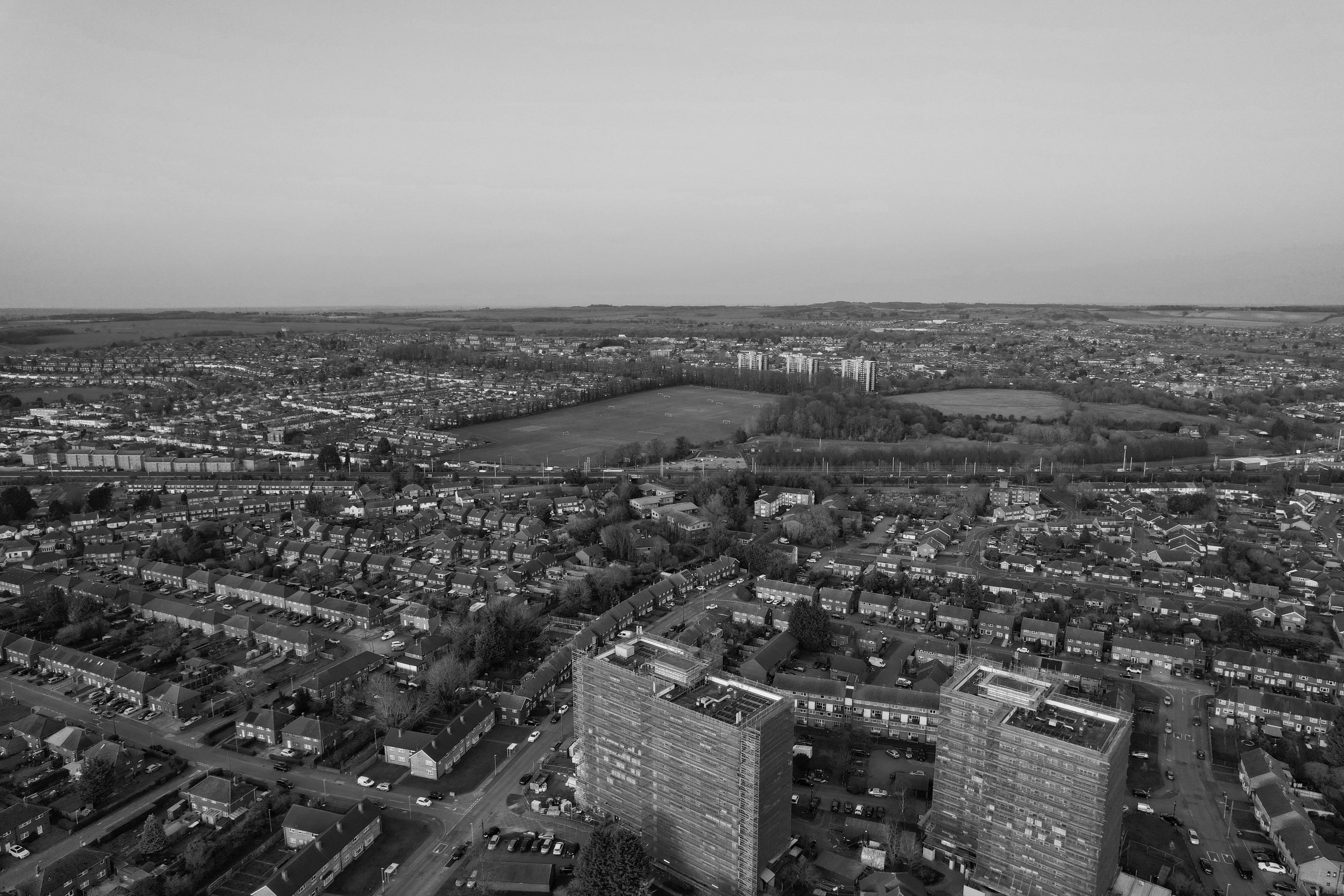
If you’ve ever looked up at Singapore’s glittering skyline or walked through places like Orchard Road or Marina Bay, you might have wondered: can foreigners actually buy property here, or is it only for locals? It’s a common question, and for good reason. Singapore’s housing market is one of the priciest in the world, ranking alongside cities like Hong Kong, London, and New York. Yet, despite the high costs, global investors still keep the demand strong.
And therefore, to answer the question to the point: yes, foreigners may purchase property in Singapore, but under certain restrictions. The Singaporean government has an extremely restrictive property ownership system that strikes a balance between the interests of the citizens and the needs of foreign investors. We must unpack the landscape to really know it, where limits are set, and why so many foreigners continue to consider Singapore a secure haven for their money.
Why This Question Keeps Coming Up
Foreigners are usually confused about property regulations in Singapore. There are reports of Chinese, Indonesian or European shoppers snatching up posh condos in the central business district. Others are informed that it is almost impossible unless one has permanent citizenship. The reality is in the middle.
The confusion comes about due to the fact that Singapore does not work using a one-size-fits-all policy. The property types include various types: private condominiums, landed homes, public housing (HDB flats) and executive condominiums. They both have their rules regarding foreign ownership.
The position of the government is simple: to defend affordability among citizens and, at the same time, retain Singapore as an appealing place to international investors. That equilibrium is the reason behind the rules being tight in certain aspects and less restrictive in others.
The Property Landscape: What Foreigners Can and Cannot Buy
Let’s break it down clearly.Private condominiums and apartments
These form the least challenging access point for foreigners. Singapore does not limit the purchase of a condo anywhere. This is the reason why luxurious buildings such as Wallich Residence, Marina One Residences, and Orchard Boulevard are usually crowded with foreign customers.
Landed property
This is where it gets strict. The foreigners are usually not allowed to purchase landed houses (bungalows, terrace houses, semi-detached houses) without permission from the Singapore Land Authority (SLA). Even at this time, approvals are not easy and are normally restricted to the properties within certain regions, such as Sentosa Cove.
HDB flats
These constitute government housing units that are constructed on behalf of Singaporean nationals. They are not sold to foreigners directly. Even permanent residents are not exempt, as they have to be married to a citizen in order to make a purchase.
Executive Condominiums (ECs)
These are hybrids of a part public and a part private. The foreigners are only eligible to purchase ECs once they have attained 10 years of age, when they are completely privatised.
Yes, then, but foreigners can purchase property in Singapore; however, the truth is that there is quite a limited market. Once you are not in very specific categories, then you are restricted to buying the property in the private condominium market.
Why Singapore Takes a Controlled Approach
When comparing Singapore to Dubai, where foreigners are allowed to purchase in the specific freehold areas with relative freedom, Singapore appears to be limiting. The argument, however, is historical and policy-based.
The Affordability of houses has been the main subject in the nation-building strategy of Singapore. More than 80 per cent of the population uses HDB flats that are highly subsidised and regulated. Foreign capital inflating the prices of such houses would have a direct impact on the citizens, hence measures are retained to shield local consumers.
Simultaneously, Singapore is also a financial hub in the world. It cannot do without letting international capital through. That is why high-end condos in highly populated areas are still available to be owned by foreigners. The system basically tells us: you can live or invest in Singapore, however, not in a manner that negatively affects the access to housing for the citizens.
The Additional Buyer’s Stamp Duty (ABSD)
The largest challenge that foreigners are subjected to is not whether they are able to purchase something, but how much it costs them.
Additional Buyer Stamp Duty (ABSD).
In 2023, foreigners purchasing any residential property in Singapore would have to pay 60 per cent ABSD on top of the purchase price. From that perspective, when you are purchasing a condo at SGD 2 million, you will pay an additional SGD 1.2 million in taxes in the initial stages.
Some would-be investors are shocked by that number, and not without reason. But the policy is clear, which is to cool the market and stop the speculative foreign purchase.
Remarkably, the nationals of some of the countries, which are involved in the Free Trade Agreement with Singapore, including the US, Switzerland, Norway, Iceland, and Liechtenstein, are not subject to the treatment as foreigners under the ABSD provisions. This implies that Americans, such as, can only afford the same rates as Singapore citizens. That minor aspect carries significant investment consequences and, as such, usually catches the buyer off guard when they think that all foreigners are in the same scenario.
Financing Options for Foreign Buyers
Financially, now we shall speak. Are mortgages in Singapore available to foreigners? Yes, but it’s not always simple.
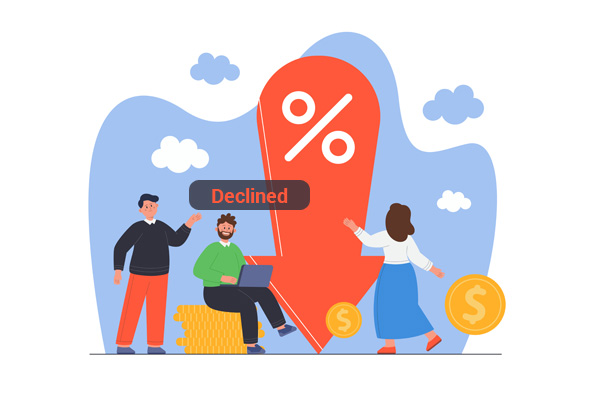
Loans are available to foreigners in the banks of Singapore, but they usually limit the funding to about 60 75 per cent of the property value.
Loan applications are usually based on income, credit references, and also on resident status or non-resident status.
Interest rates may be more competitive than in most of the world markets, but banks would examine your documents keenly.
Some rich shoppers buy directly in cash to save the inconvenience. To others, particularly those who are purchasing due to investment reasons, leveraging using a mortgage is still an option.
Where Foreigners Actually Buy in Singapore
When you inquire agents about which neighbourhoods have the highest foreign buyer appeal, one thing they will all tell you is that it is the Core Central Region (CCR).
These are areas such as Orchard, River Valley, Tanglin, Newton, and Marina Bay. These are the locations where luxury condos, high-end retail, and proximity to the Central Business District are found. People do not think of homes as the only properties; they use them as global status symbols.
Sentosa Cove is another hot spot. It is among the only few places in Singapore where foreigners can apply to purchase landed property. Prices of villas along the waters here are out of this world, yet they are quite popular among ultra-high-net-worth buyers of China, as well as Indonesia, and others.
Outside the glamour, other alternatives available to the foreigner are the Rest of Central Region (RCR) and even the Outside Central Region (OCR) , where the foreigner may find cheaper alternatives, provided the foreigner is purchasing with rental yields in mind.
Rental Yields and Investment Returns
This is where foreigners must count the numbers.
Singapore has not been associated with high rental returns. The average yields in CCR are approximately 23 per cent, and in RCR and OCR properties may be as high as 34 per cent. That can be compared to other markets, such as Dubai, where yield can reach 67 per cent, and Singapore can become a less attractive prospect.
What Singapore lacks in the returns of rent, it compensates for in stability. The high government control, clear legal framework, and the stable demand of both the locals and the expats form the basis of property prices in this area. It is not likely to experience dramatic crashes in value, and that is why Singapore property is seen by many investors as a wealth preservation game and not a cash-in offer.
Risks and Realities
It would be irresponsible to paint Singapore as a risk-free market.
- High entry costs: Between the 60 per cent ABSD and high per-square-foot prices, buying here is a major financial commitment.
- Lower yields: Investors chasing quick returns may be disappointed.
- Tight regulation: The government is not afraid to intervene in the market with cooling measures, which can affect capital appreciation.
On the flip side, the very same regulations also create a safety net. While you may not get rich overnight, you’re unlikely to lose everything either. Singapore plays the long game, and so should anyone investing here.
Comparing Singapore to Other Global Markets
When comparing Singapore to other international cities.
- Hong Kong: The other financial centre in Asia, which has very high property rates. The level of freedom to make purchases by foreigners is high, although yields are lower than in Singapore, and the risks of politics are also more significant.
- London: There are stamp duties, a continuous property tax, and Brexit uncertainty on the part of foreigners. However, the luxury market is not a weak point.
- Dubai: Far more receptive to foreign purchasers, with greater returns, but with added instability because of market cycles.
Singapore sits in the middle. It may not have the free-for-all appeal of Dubai, but it offers more certainty than Hong Kong and often more transparency than London.
The Residency Angle
Another interesting footnote here is that, unlike Dubai, in Singapore, no one ever guarantees a residence upon purchasing property.
Provided that you want to establish permanent residence in Singapore, you will have to consider the other options, including employment passes, investor visas or permanent residence applications. Owning property will not make you there.
This is one of the factors that, at times, is a surprise to the investors who are accustomed to markets in which buying real estate is directly related to the benefits of a visa. In Singapore, the two are still divided.
Final Thoughts
Therefore, can foreigners purchase property in Singapore? The answer to this question is yes, but the answer is long and full of undertones.
Condos are free to purchase, though the case is mostly inaccessible with landed homes, as well as with social housing. You are able to finance purchases, but ABSD makes them very expensive. You get security and permanence, but you are not going to get soaring returns.
To others, these limitations are deal killers. To others, and especially those who cherish security, international glory, and extended capital security, Singapore is precisely the type of market to deposit wealth in.
It is my choice after all, and it is up to you. You may seek alternatives in case you need fast money. However, Singapore remains a leader in terms of stability in the most transparent and regulated property markets in the world.
About the Author