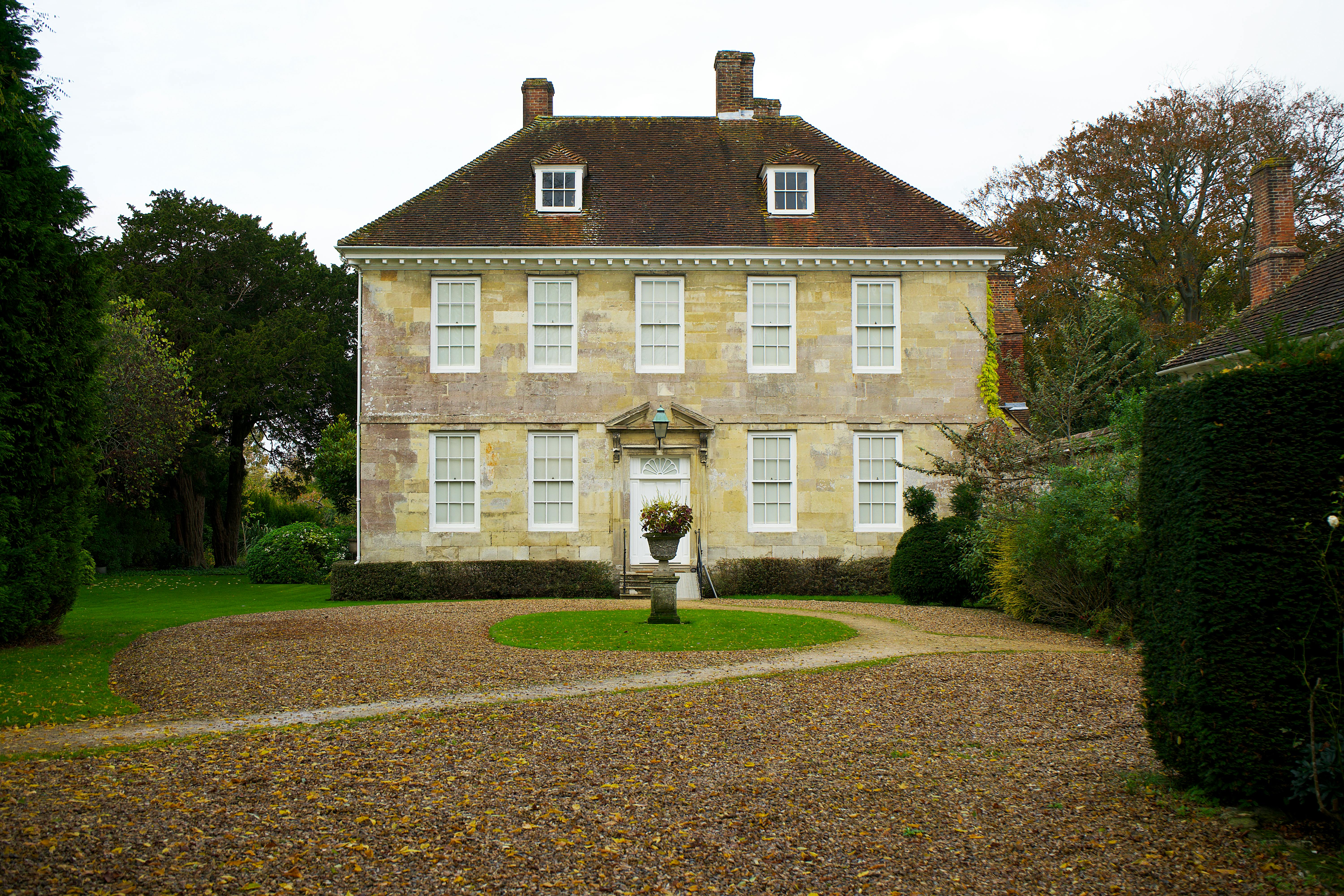
A buy-to-let country house in the UK can deliver rental income, long-term capital preservation, and lifestyle flexibility, but it also carries higher maintenance costs, tighter tenant demand, and specific legal and planning obligations. This guide explains what investors need to know before committing capital, focusing on practical realities rather than assumptions.
What Counts as a Buy-to-Let Country House?
In UK property terms, a buy-to-let country house is typically a detached or semi-detached residential property located in a rural or semi-rural setting and purchased primarily for rental income rather than owner occupation. These homes are usually larger than standard buy-to-let units, often include land or outbuildings, and sit outside major urban centres.
From a regulatory perspective, a country house is not a separate legal category. It is treated as a standard residential dwelling for tax, lending, and landlord compliance purposes. However, its location, age, construction type, and use often trigger additional considerations, particularly around planning controls, conservation rules, and tenant suitability.
Investors typically target country houses for one of three rental strategies: long-term family lets, short-term holiday accommodation, or hybrid use where personal occupation is combined with letting. Each approach changes the risk profile, financing options, and legal obligations attached to the property.
Why Investors Consider Country Houses
Investors are drawn to buy-to-let country houses primarily for diversification and asset quality rather than headline rental yield. Compared with city flats or small HMOs, rural houses often attract longer-term tenants, face less local competition, and hold value differently across market cycles.
One key advantage is tenant stability. Country houses commonly appeal to families, professionals working remotely, or retirees seeking long-term accommodation. These tenant profiles tend to move less frequently, which can reduce void periods and re-letting costs over time.
Another driver is capital preservation. Historically, well-located rural property has shown resilience during market downturns, particularly in areas with good transport links or lifestyle appeal. While price growth may be slower than prime urban markets during booms, downside volatility is often lower.
Country houses also offer flexibility that urban buy-to-lets rarely provide. Investors may convert outbuildings, adapt layouts for multi-generational living, or change rental strategy as demand evolves, subject to planning approval. This adaptability can protect long-term value when market conditions shift.
Finally, lifestyle demand has strengthened since remote and hybrid working became more common. Properties offering space, privacy, and outdoor access have seen increased interest from tenants willing to pay a premium for location and quality rather than proximity to offices.
Key Disadvantages and Risks
Despite their appeal, buy-to-let country houses carry structural risks that investors must assess carefully. The most immediate challenge is cost. Maintenance, insurance, and compliance expenses are typically higher than for modern urban properties, particularly where buildings are older or non-standard in construction.
Rental demand is also narrower. While tenants may stay longer, the pool of suitable renters is smaller, especially in remote areas with limited schools, transport, or employment options. This can increase void risk if a tenancy ends unexpectedly.
Financing can be more restrictive. Some lenders apply tighter loan-to-value limits or higher interest rates to large rural properties, especially those with acreage, annexes, or agricultural ties. Specialist buy-to-let products are often required, which can affect cash flow assumptions.
Operational complexity is another factor. Rural properties may rely on private drainage systems, oil or LPG heating, or shared access arrangements. Each introduces compliance and maintenance obligations that landlords must manage proactively to remain legally compliant.
Finally, exit strategy risk should not be underestimated. Country houses can take longer to sell, particularly during weaker market conditions. Investors relying on short-term resale rather than long-term income may find liquidity more limited than expected.
Rental Strategies for Country Houses
The viability of a buy-to-let country house depends heavily on the chosen rental strategy. Unlike standard urban investments, rural properties rarely suit a one-size-fits-all approach, and income stability varies significantly by use.
Long-term residential letting is the most common strategy. This approach prioritises stable occupancy over peak yield and is typically favoured in villages or commuter-friendly rural locations. It aligns well with families and professionals seeking space and long-term security, but rents may be capped by local wage levels rather than property quality.
Short-term or holiday letting can generate higher gross income in tourist-driven regions, particularly in national parks, coastal countryside, or heritage locations. However, income is seasonal, management intensity is higher, and local authorities increasingly regulate short-term use through planning controls and licensing schemes.
Hybrid use, where owners combine personal occupation with letting, is common but introduces tax and compliance complexity. Mortgage terms, insurance cover, and allowable expense deductions differ depending on the proportion of private use, and incorrect structuring can create avoidable liabilities.
Financing and Mortgage Considerations
Financing a buy-to-let country house is typically more complex than securing a standard buy-to-let mortgage. Lenders assess rural property risk differently due to resale liquidity, maintenance exposure, and tenant demand.
Loan-to-value ratios are often lower, particularly for high-value homes, properties with land, or buildings constructed before modern standards. Investors should expect more detailed valuations and stricter affordability testing based on rental coverage rather than personal income.
Properties with annexes, outbuildings, or agricultural restrictions may fall outside mainstream lending criteria altogether. In these cases, specialist lenders are required, which can increase interest costs and limit refinancing flexibility.
Interest rate sensitivity is also more pronounced. Because yields are typically lower than urban buy-to-let stock, even modest rate increases can materially affect net cash flow. Conservative stress testing is essential when modelling long-term returns.
Legal and Regulatory Obligations
Buy-to-let country house landlords are subject to the same core legal duties as any UK residential landlord, but rural characteristics frequently introduce additional compliance requirements.
Safety obligations extend beyond standard gas and electrical checks. Properties using oil, solid fuel, or private water supplies must meet specific inspection and maintenance standards. Septic tanks and private drainage systems are regulated, and non-compliance can result in enforcement action.
Energy efficiency is another constraint. Many country houses struggle to meet minimum EPC standards due to construction type or listed status. Exemptions may apply, but these must be formally registered and reviewed periodically.
Tenancy structure also matters. Larger properties may fall outside typical tenant affordability thresholds, increasing the importance of thorough referencing and professionally drafted tenancy agreements that reflect property-specific risks.
Planning, Conservation, and Restrictions
Planning controls are a defining risk factor for country house investments. Many rural properties sit within conservation areas, Areas of Outstanding Natural Beauty, or green belt land, each of which limits development and alteration rights.
Listed buildings require consent for internal and external changes, even where works appear minor. Failure to obtain approval can lead to criminal liability and materially affect resale value.
Change-of-use permissions are particularly relevant for investors considering short-term or mixed-use letting. Local authorities increasingly scrutinise holiday accommodation in rural communities, and unauthorised use can trigger enforcement.
Rights of way, shared access roads, and easements are also more common in countryside settings. These legal interests must be fully understood before purchase, as they can affect tenant enjoyment, maintenance responsibility, and future saleability.
Common Investor Mistakes
A frequent mistake is overestimating rental demand based on property quality alone. Location, connectivity, and local services matter more than size or finish in rural letting markets.
Under-budgeting for maintenance is another recurring issue. Older country houses require ongoing capital expenditure, and deferred maintenance can rapidly erode both income and value.
Investors also underestimate regulatory friction. Assuming planning flexibility or ignoring historic restrictions can derail development plans and reduce long-term returns.
Finally, treating a country house as a short-term trading asset rather than a long-term hold often leads to disappointment. Liquidity is lower, and successful outcomes usually depend on patient capital and disciplined management.
Is a Country House Suitable for Long-Term Buy-to-Let?
A buy-to-let country house is best suited to investors with a long-term investment horizon who prioritise asset quality, income stability, and capital preservation over short-term yield maximisation. These properties reward patient ownership and disciplined management rather than rapid turnover.
Long-term suitability improves significantly where the property benefits from reliable transport links, access to schools or employment hubs, and year-round tenant demand. Purely lifestyle-driven locations without local infrastructure tend to perform less consistently as rental assets.
Investors should also assess their own operational capacity. Country houses require active oversight, contingency planning, and financial buffers. Where these conditions are met, they can form a resilient component of a diversified property portfolio.
Tax Implications for Country House Landlords
Tax treatment for buy-to-let country houses broadly follows standard UK residential property rules, but practical outcomes often differ due to property value and usage patterns.
Rental income is subject to income tax, with mortgage interest relief restricted to the basic rate. Higher-value properties may therefore generate lower net returns for higher-rate taxpayers unless held within an appropriate ownership structure.
Capital gains tax applies on disposal, with reliefs limited where the property has been used partially for personal occupation or short-term letting. Accurate record-keeping is essential to avoid disputes and ensure correct apportionment.
Inheritance tax exposure can also be material, particularly where country houses form a significant proportion of an estate. Early estate planning advice is often appropriate for long-term holders.
Exit Strategy and Resale Considerations
Exit planning should be considered at acquisition stage. Country houses typically take longer to sell than mainstream buy-to-let stock, and pricing sensitivity increases during periods of economic uncertainty.
Properties with clear legal title, compliant services, and documented maintenance histories attract stronger buyer confidence. Conversely, unresolved planning issues or informal arrangements can materially delay sale or reduce achievable value.
Investors who align purchase price with intrinsic value rather than speculative growth are better positioned to exit on acceptable terms when market conditions change.
Frequently Asked Questions
Is buying a country house for buy-to-let profitable in the UK?
It can be profitable, but returns are typically driven by long-term stability and capital preservation rather than high rental yield. Profitability depends on location, financing terms, and cost control.
Do I need special permission to rent out a country house?
Standard long-term letting usually requires no additional permission, but short-term or holiday letting may require planning consent depending on local authority rules and property designation.
Are country houses harder to finance as buy-to-let investments?
Yes, financing is often more restrictive due to property size, location, and construction type. Specialist lenders are frequently required.
What are the biggest risks of buy-to-let country houses?
Key risks include higher maintenance costs, limited tenant demand, regulatory constraints, and slower resale liquidity.
Can listed country houses be used for buy-to-let?
Yes, but listed status significantly restricts alterations and may limit energy efficiency improvements, increasing compliance complexity.
Key Takeaways
- Long-term focus: Country house buy-to-let investments favour patient capital over short-term yield.
- Higher complexity: Maintenance, compliance, and financing are more demanding than standard buy-to-let stock.
- Location matters: Connectivity and local infrastructure drive rental stability more than property size.
- Legal diligence: Planning status, services, and restrictions must be understood before purchase.
References
- UK Government guidance on private renting and landlord obligations
- HM Revenue & Customs manuals on property income and capital gains
- Local authority planning and conservation area guidance
- UK Finance handbook for mortgage lending criteria