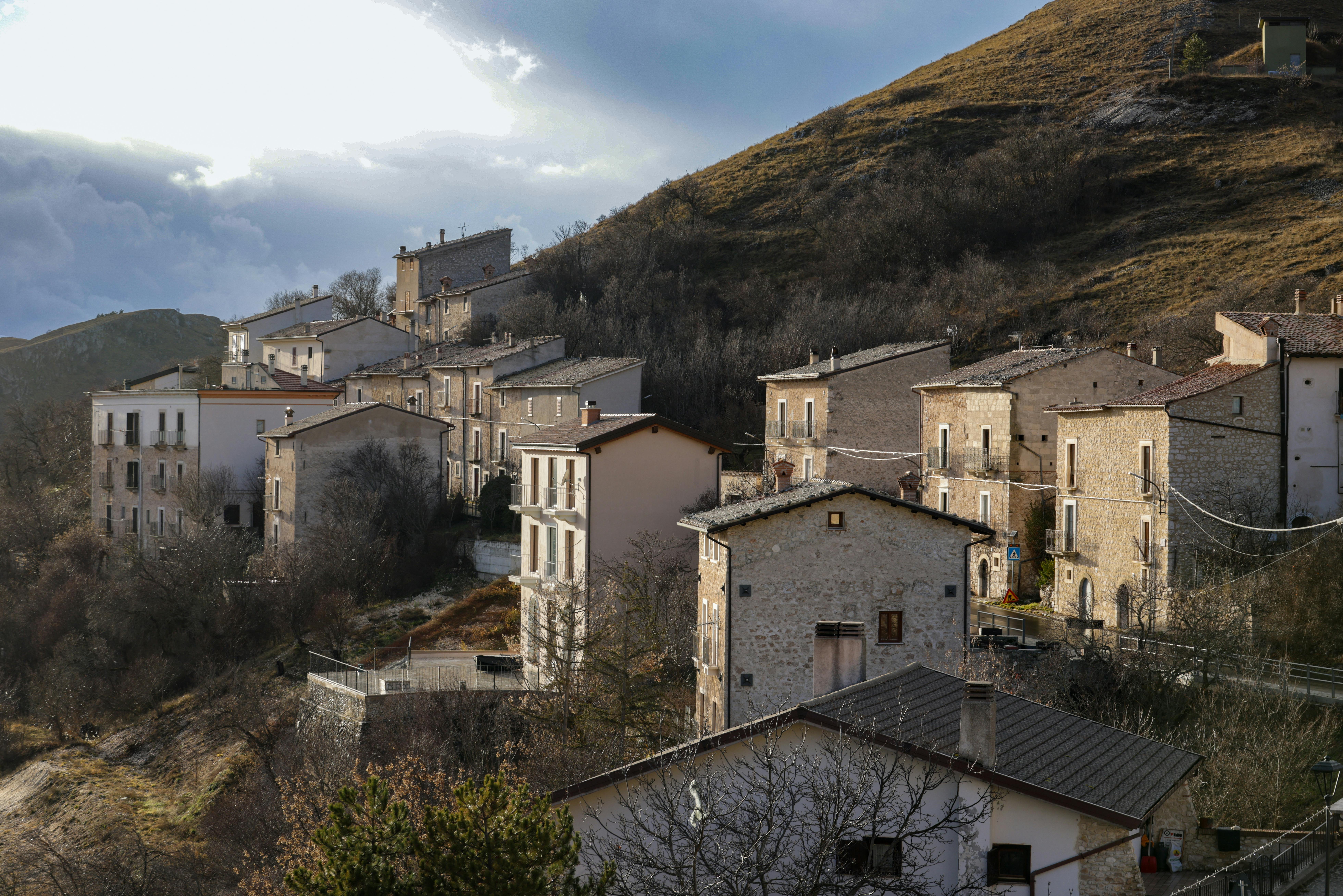
Foreign and domestic buyers can obtain a mortgage in Italy, but eligibility depends on residency status, income source, property type, and lender-specific criteria. Italian banks typically lend 50–80% of the property value, require documented income, and apply stricter rules to non-residents, especially for second homes and investment properties.
How Mortgages Work in Italy
An Italian mortgage (“mutuo”) is a secured loan granted by a bank against a property located in Italy. The lender registers a legal charge on the property, and the loan is repaid through monthly instalments over a fixed or variable term, usually up to 20–30 years.
Unlike some other markets, Italian banks assess the property and the borrower independently. Approval is not automatic after an offer is accepted; it depends on a formal valuation (perizia), legal checks, and full income verification. Mortgage approval can take several weeks and is rarely conditional.
The mortgage amount is calculated on the lower of the purchase price or the bank’s valuation, not the advertised price. Buyers must therefore have sufficient cash to cover taxes, fees, and any gap between price and valuation.
Who Is Eligible for a Mortgage in Italy
Italian mortgage eligibility is based on legal status, income reliability, and creditworthiness. Both residents and non-residents can apply, but conditions differ materially.
Italian Residents
Residents of Italy, including EU and non-EU nationals with valid residency permits, generally receive more favourable mortgage terms. Banks typically offer higher loan-to-value ratios, longer terms, and broader product choices to resident borrowers.
Non-Residents
Non-resident buyers can obtain an Italian mortgage, but lending is more conservative. Banks usually require a larger deposit, strong documented income from abroad, and may limit the loan to primary residences rather than holiday or rental properties.
Income and Employment Requirements
Applicants must demonstrate stable, traceable income. Italian banks favour permanent employment contracts, long-term self-employment, or pension income. Freelancers and business owners must usually provide multiple years of tax returns and financial statements.
As a general rule, total monthly debt repayments should not exceed approximately one-third of net monthly income. Foreign income is accepted, but must be translated, documented, and verifiable.
Credit History Considerations
Italy does not rely on international credit scores. Banks assess risk using internal criteria and may request credit reports from the borrower’s home country. A lack of Italian credit history does not automatically prevent approval, but inconsistencies or unverified liabilities can delay or block the process.
Types of Mortgages Available in Italy
Italian banks offer several mortgage structures, each suited to different risk profiles and financial goals. The choice affects monthly payments, long-term cost, and exposure to interest rate changes.
Fixed-Rate Mortgages
Fixed-rate mortgages maintain the same interest rate for the entire loan term. They provide payment certainty and are commonly chosen by buyers seeking long-term stability, particularly in volatile rate environments.
Variable-Rate Mortgages
Variable-rate mortgages are linked to a reference index, typically the Euribor, plus a fixed bank margin. Monthly payments fluctuate with market rates, offering lower initial costs but higher long-term uncertainty.
Mixed and Capped Mortgages
Some lenders offer hybrid products that allow borrowers to switch between fixed and variable rates or impose an upper limit on rate increases. Availability varies by bank and is more common for resident buyers.
Loan-to-Value Limits and Deposit Requirements
Italian banks cap mortgage lending using strict loan-to-value (LTV) ratios that vary by residency status and property use. The buyer must fund the remaining portion of the purchase price with cash.
| Buyer Profile | Maximum LTV | Minimum Deposit |
|---|---|---|
| Italian resident (primary home) | 75–80% | 20–25% |
| EU non-resident | 60–70% | 30–40% |
| Non-EU non-resident | 50–60% | 40–50% |
| Investment or second home | 50–60% | 40–50% |
Banks always apply the LTV to the lower of the purchase price or the bank valuation. If the valuation is conservative, buyers must increase their cash contribution accordingly.
Mortgage Costs, Taxes, and Bank Fees
Mortgage-related costs in Italy extend beyond interest payments. Buyers should budget for one-off fees, recurring charges, and property transaction taxes, which are not financed through the mortgage.
| Cost Item | Typical Range | Paid By |
|---|---|---|
| Bank arrangement fee | 0.5–2% of loan | Buyer |
| Property valuation (perizia) | €250–€500 | Buyer |
| Mortgage registration tax | 0.25–2% | Buyer |
| Notary fees (mortgage deed) | €1,000–€3,000+ | Buyer |
| Mandatory property insurance | Variable | Buyer |
Mortgage registration tax is reduced when the property is a primary residence for Italian residents. Non-residents and second-home buyers generally pay the higher rate.
Step-by-Step Mortgage Approval Process
Mortgage approval in Italy follows a defined legal and administrative sequence. Skipping steps or signing contracts prematurely exposes buyers to financial risk.
- Preliminary financial assessment: The bank reviews income, residency status, and documentation.
- Property valuation: A bank-appointed surveyor assesses the property’s market and legal value.
- Legal checks: Title, zoning, and compliance records are examined.
- Formal loan offer: The bank issues binding terms.
- Mortgage deed signing: Conducted before an Italian notary.
- Funds release: Loan proceeds are paid at completion.
The full process typically takes six to ten weeks, but complex properties or foreign income verification can extend timelines.
Legal Checks and Property Due Diligence
Italian banks will not issue a mortgage unless the property complies fully with planning, cadastral, and ownership regulations. Informal structures, unresolved inheritance issues, or mismatched cadastral plans can halt approval.
Buyers should appoint an independent lawyer or notary to verify that the property is legally transferable, mortgageable, and free of liens before signing a binding purchase agreement.
Common Mistakes Buyers Make When Financing Property in Italy
Mortgage delays and refusals often result from avoidable errors. The most frequent issues include underestimating cash requirements, assuming foreign credit scores apply, and signing contracts without mortgage protection clauses.
- Relying on informal mortgage “pre-approvals”
- Failing to translate and certify income documents
- Ignoring valuation risk
- Overlooking mortgage-related taxes and fees
- Choosing properties with unresolved legal issues
Special Cases: First-Time Buyers, Retirees, and Property Investors
Italian mortgage rules apply uniformly, but banks assess certain buyer profiles differently based on income structure, age, and intended property use. Understanding these distinctions helps applicants anticipate restrictions and adjust expectations.
First-Time Buyers
First-time buyers purchasing a primary residence in Italy may benefit from reduced transaction taxes and, in some cases, higher loan-to-value limits. These advantages generally apply only to residents and require formal declaration that the property will be used as the buyer’s main home.
Retirees and Pensioners
Pension income is widely accepted by Italian banks if it is permanent, state-backed, and verifiable. However, age limits apply. Many lenders require the mortgage term to end before the borrower reaches 75–80 years old, reducing the maximum loan duration for older applicants.
Property Investors and Buy-to-Let Buyers
Mortgages for rental or investment properties are more restrictive. Banks typically apply lower LTV ratios and assess rental income conservatively, often excluding projected rental yield from affordability calculations. Existing property portfolios may increase scrutiny rather than improve approval chances.
Why Italian Banks Refuse Mortgage Applications
Mortgage refusals in Italy are most often linked to documentation gaps or property compliance issues rather than income alone. Italian lenders prioritise legal certainty over borrower flexibility.
- Non-compliant properties: Planning irregularities or cadastral mismatches.
- Unverified income: Foreign earnings without certified documentation.
- High debt exposure: Existing loans exceeding affordability thresholds.
- Age and term mismatch: Loan duration extending beyond lender age limits.
- Speculative purchases: Properties deemed unsuitable as mortgage collateral.
Addressing these risks early—before signing binding contracts—is essential for transaction security.
Frequently Asked Questions
Can foreigners get a mortgage in Italy?
Yes. Foreigners can obtain an Italian mortgage, but non-residents face lower loan-to-value limits, stricter income verification, and fewer product options compared to residents.
What deposit is required to buy property in Italy with a mortgage?
Deposits typically range from 20% for resident primary-home buyers to 40–50% for non-residents or investment properties, depending on the lender and risk profile.
How long does mortgage approval take in Italy?
Mortgage approval usually takes six to ten weeks, including valuation and legal checks. Complex properties or foreign income assessments may extend timelines.
Do Italian banks accept foreign income?
Yes, provided the income is stable, documented, and verifiable. Certified translations and tax returns are commonly required.
Is a mortgage guaranteed after signing a preliminary contract?
No. Mortgage approval is never guaranteed. Buyers should include mortgage-protection clauses in preliminary contracts to avoid financial penalties.
Key Takeaways
- Eligibility varies: Residency status and income structure strongly influence mortgage terms.
- Deposits are significant: Non-residents should expect higher cash requirements.
- Property legality matters: Non-compliant properties are a common cause of refusal.
- Approval is procedural: Mortgages follow strict legal and valuation stages.
- Risk management is essential: Contract safeguards protect buyers from financing failure.
References
- Banca d’Italia – Consumer Credit and Mortgage Lending Framework
- Italian Civil Code – Property and Mortgage Provisions
- Consiglio Nazionale del Notariato – Property Purchase Guidance
- Agenzia delle Entrate – Property Taxation Rules