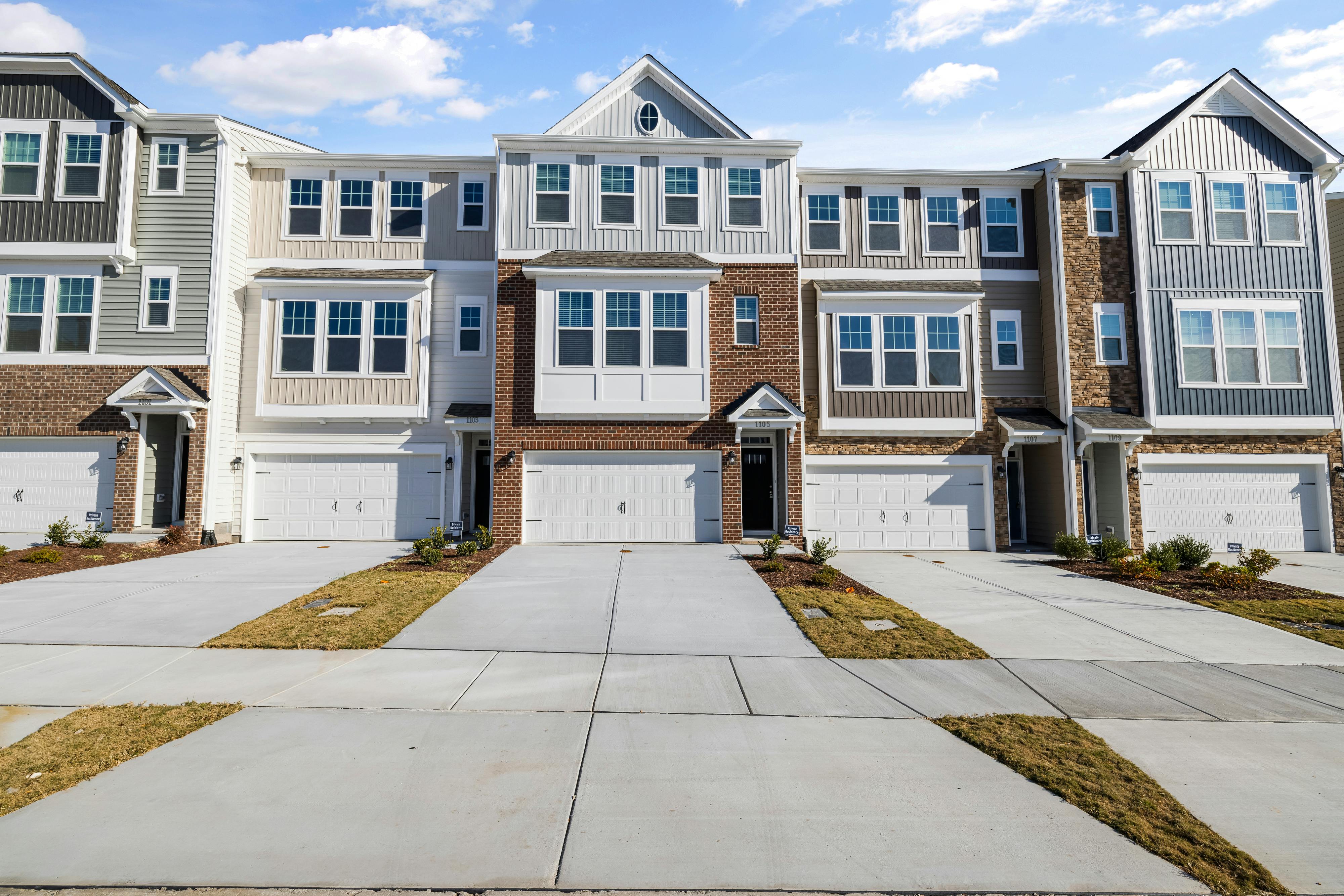
Purchasing a new build home involves more than selecting finishes and signing contracts. Buyers need to understand the full spectrum of costs, warranties, and documentation to ensure a secure investment. This checklist guides prospective homeowners through the essential considerations, from financial commitments to legal protections, enabling informed decisions and minimizing risks.
This article covers the critical aspects of buying a new build home, including initial costs, ongoing obligations, warranty coverage, and the necessary documentation to validate ownership and protect your investment. Each section provides actionable insights suitable for first-time buyers, investors, and experienced homeowners alike.
Understanding New Build Homes
New build homes are properties constructed recently and offered for sale for the first time. Unlike resale homes, these properties are typically sold directly by developers and can include a range of modern features, energy-efficient systems, and contemporary layouts. Understanding the unique aspects of new builds is essential for assessing value and potential long-term costs.
Key distinctions of new build properties include:
- Customization: Many developers allow buyers to select fixtures, finishes, and layouts before construction is complete, affecting cost and timelines.
- Construction quality: Building standards vary between developers, so it’s crucial to review specifications, materials, and workmanship.
- Energy efficiency and modern systems: New builds often incorporate advanced insulation, heating, and electrical systems, which can reduce ongoing utility expenses but may require specialized maintenance.
Buyers should research the developer’s track record, including past projects and customer feedback, to ensure the property meets expectations and complies with regulations.
Costs of Buying a New Build Home
Understanding the full cost structure of a new build is essential to avoid unexpected financial pressures. Costs extend beyond the advertised purchase price and can include deposits, legal fees, mortgage arrangement fees, and post-completion expenses.
Common cost components include:
- Deposit: Typically 5–10% of the purchase price, paid upon reservation or exchange of contracts. Larger deposits can sometimes be negotiated for improved mortgage terms.
- Stamp duty and taxes: Government levies, such as stamp duty, vary by location and may include additional relief for first-time buyers in some regions.
- Solicitor or conveyancing fees: Legal representation is required for property transfer, contract review, and title registration. Expect professional fees in the range of 0.5–1% of the property price.
- Mortgage fees: Arrangement fees, valuation fees, and potential early repayment charges if financing the purchase.
- Optional extras: Developer upgrades, landscaping, and interior finishes can increase costs significantly beyond the base price.
- Service charges and ground rent: For leasehold or managed communities, annual fees can range from hundreds to thousands of pounds, depending on communal amenities and management responsibilities.
Buyers should request a detailed cost breakdown from the developer and consider obtaining independent financial advice to evaluate affordability and avoid last-minute surprises.
Warranties and Insurance
New build homes typically come with warranties that provide protection against structural defects, incomplete works, and major system failures. Understanding these warranties is critical to safeguard your investment.
Common types of coverage include:
- Structural warranty: Usually 10 years, covering major defects in load-bearing elements such as foundations, walls, and roofs. Often provided by third-party insurers, not the developer directly.
- Snagging period: Short-term coverage (typically 12 months) for minor defects, finishing issues, and incomplete works. Buyers should compile a snagging list and ensure corrections are completed within this period.
- Appliance and system warranties: Coverage for boilers, HVAC, kitchen appliances, and other installed systems may vary from one to five years, depending on the manufacturer and installer terms.
- Insurance requirements: Lenders may require buildings insurance from the completion date, and buyers should ensure policies cover construction-specific risks until formal handover.
Reviewing the warranty documents carefully, confirming registration with the relevant provider, and understanding claim procedures will prevent disputes and provide peace of mind after moving in.
Documentation Required for New Build Purchases
Securing the correct documentation is crucial when buying a new build home. These documents verify legal ownership, confirm compliance with building standards, and provide protection under consumer and property laws.
Essential documents include:
- Title deed: Confirms legal ownership and indicates whether the property is freehold or leasehold.
- Planning permission and building approvals: Ensures the property was built in accordance with local authority regulations.
- Energy Performance Certificate (EPC): Required in most regions to demonstrate energy efficiency and comply with legal standards.
- Warranty certificates: Documentation for structural, snagging, and appliance warranties must be provided and registered with the relevant insurers.
- Developer contracts: The purchase agreement should outline the terms of sale, payment schedule, handover conditions, and optional upgrades.
- Completion and handover documents: Handover records, snagging reports, and final inspection sign-offs confirm the property meets agreed standards before occupancy.
Buyers should retain copies of all documentation and verify the authenticity of certificates, particularly warranties and EPCs, to ensure future claims are valid and enforceable.
Timeline and Buying Process
The process of purchasing a new build home involves several stages, each requiring careful management to avoid delays or financial risks.
Key stages include:
- Reservation: Securing the property with a deposit and reserving preferred options or finishes.
- Contract exchange: Legal contracts are signed, deposits become legally binding, and the completion date is confirmed.
- Construction or fit-out period: Depending on the completion status, buyers may have access to updates, site visits, or selection of finishes.
- Pre-completion checks: Snagging inspections, warranty verification, and final approvals occur before handover.
- Completion and handover: Final payment is made, keys are handed over, and legal ownership transfers.
- Post-completion period: Warranty and maintenance obligations are active, and buyers should monitor any defects or issues promptly.
Understanding the typical timeline helps buyers coordinate financing, plan moving arrangements, and schedule inspections effectively.
Common Mistakes to Avoid
Even experienced buyers can make costly errors when purchasing a new build home. Awareness of these common mistakes helps prevent disputes and unexpected expenses.
- Overlooking total costs: Focusing solely on the advertised price without accounting for deposits, upgrades, and ongoing fees can lead to budget overruns.
- Neglecting warranty terms: Assuming coverage is comprehensive without reading the fine print may leave critical defects unprotected.
- Skipping independent inspections: Relying solely on developer assurances may overlook construction quality or compliance issues.
- Delaying snagging reports: Waiting too long to report defects can result in developers refusing to fix minor issues within warranty periods.
- Ignoring legal advice: Not using a qualified solicitor or conveyancer can expose buyers to contractual risks, unclear terms, or delays in title registration.
Expert Tips for Buyers
To maximize value and protect your investment, consider these professional insights when purchasing a new build home:
- Conduct developer research: Evaluate reputation, past projects, and financial stability before committing to a purchase.
- Understand the warranty providers: Verify that structural and appliance warranties are issued by reputable insurers and registered correctly.
- Plan for optional costs early: Budget for upgrades, landscaping, and communal fees to avoid financial strain after purchase.
- Document inspections meticulously: Maintain a detailed snagging list with photos and timelines to ensure all issues are addressed.
- Coordinate legal and financial steps: Engage a solicitor early, arrange mortgage pre-approval, and confirm insurance requirements to streamline completion.
Final Checks Before Moving In
Before taking possession of a new build home, it is critical to perform a series of final checks to ensure everything meets the agreed standards and contractual obligations.
- Snagging inspection: Walk through the property to identify minor defects, incomplete works, or cosmetic issues. Document all findings with photos and submit to the developer.
- Utility connections and certifications: Verify that electricity, gas, water, and heating systems are fully functional and properly certified for safety and compliance.
- Legal verification: Confirm that the title deed, planning permissions, EPC, and warranty registrations are complete and accurately reflect the property.
- Handover documentation: Ensure you receive a comprehensive handover pack including manuals for appliances, contact information for warranty claims, and property management details if applicable.
- Insurance confirmation: Activate buildings insurance from the handover date to protect against accidental damage or unforeseen events.
Performing these checks protects buyers from disputes, ensures compliance with legal requirements, and provides clarity for future maintenance and claims.
Maintaining Your New Build
Proper maintenance of a new build home extends its lifespan, preserves property value, and ensures warranties remain valid. While new builds typically require less immediate repair work than older homes, some ongoing actions are essential.
- Regular inspections: Check for signs of structural movement, leaks, or finishing defects, particularly during the first few years.
- Follow manufacturer guidelines: Maintain appliances, HVAC systems, and boilers according to the manuals provided to preserve warranty coverage.
- Communal area upkeep: For leasehold or managed developments, contribute to service charges promptly and report any issues with shared facilities to the management company.
- Document issues immediately: Early reporting of defects or system failures ensures prompt resolution and maintains legal protections under warranties.
- Plan long-term improvements: Consider energy upgrades, landscaping, or smart home integration to enhance comfort and future resale value.
Frequently Asked Questions
Here are common queries from buyers about new build homes:
- Q: How long does the warranty last on a new build home?
A: Structural warranties typically last 10 years, while snagging and appliance warranties vary between 1–5 years depending on the item or developer. - Q: Are there hidden costs when buying a new build?
A: Yes, additional costs may include upgrades, deposits, legal fees, insurance, service charges, and ground rent if applicable. - Q: Can I negotiate the price of a new build property?
A: Developers may offer incentives, optional upgrades, or flexible deposit arrangements, but price negotiation is generally more limited than with resale homes. - Q: What is a snagging list?
A: A snagging list is a detailed record of minor defects, unfinished work, or cosmetic issues that must be corrected by the developer before or shortly after handover. - Q: Do I need a solicitor for a new build purchase?
A: Yes, a solicitor or licensed conveyancer is essential to review contracts, manage legal transfer, and ensure compliance with local property laws.
Key Takeaways
- Comprehensive cost awareness: Understand all financial commitments beyond the base price to avoid surprises.
- Warranty verification: Confirm coverage for structural, snagging, and appliances, and register with the relevant providers.
- Documentation diligence: Secure all legal, planning, and handover documents to protect ownership rights.
- Final inspections matter: Snagging and pre-handover checks ensure the property meets contractual standards.
- Ongoing maintenance: Proper care and early reporting of issues maintain property value and warranty protection.
References
- UK Government. Buying a new home – Guide for purchasers.
- NHBC. Your new home warranty and insurance guide.
- RICS. Residential property buying guide.
- Which? Guide to snagging and new build inspections.
- Citizens Advice. Understanding leasehold and freehold properties.