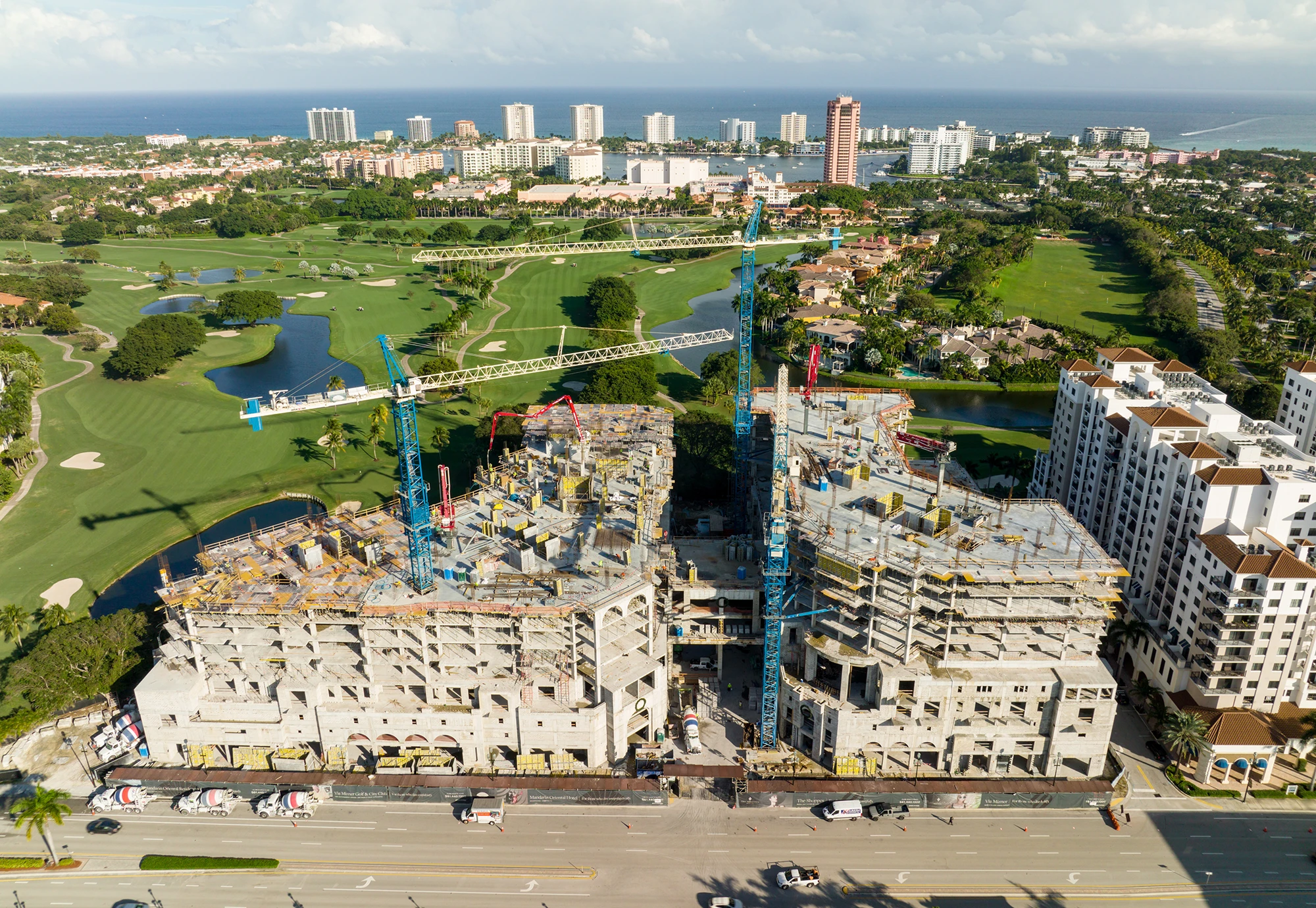
Buying a new house in Oxford typically costs between £425,000 and £900,000 depending on size, location, and developer, with apartments starting lower and premium family homes exceeding £1 million in select postcodes. New developments are concentrated around growth areas such as North Oxford, Barton Park, Blackbird Leys regeneration zones, and the Oxford fringe. Buyers should expect reservation fees, staged deposit payments, and a legal completion timeline of 8–28 weeks depending on build stage.
Why Buy a New Build in Oxford?
Buying a new build in Oxford offers energy efficiency, lower maintenance costs, modern layouts, and structured purchase timelines. Compared with Victorian terraces and period stock common across the city, new homes typically provide higher EPC ratings, integrated appliances, and developer warranties.
What practical advantages do new builds offer over older homes?
New properties are built to current building regulations, meaning improved insulation, double or triple glazing, and modern heating systems. Many developments achieve EPC ratings of A or B, reducing running costs compared with older C–E rated properties common in central Oxford.
- 10-year structural warranty (often via NHBC or similar providers)
- Lower immediate repair risk
- Contemporary open-plan layouts
- Allocated parking or EV charging in many schemes
- Developer incentives (subject to availability)
Are there drawbacks to buying new in Oxford?
Yes. New builds may carry a price premium per square foot compared with comparable older stock. Some developments have service charges for shared green space or private roads. Buyers should also consider limited negotiation flexibility and potential construction disruption if purchasing off-plan.
However, in a constrained market like Oxford — where planning restrictions, Green Belt boundaries, and heritage considerations limit supply — new developments represent one of the few structured entry routes for first-time buyers and relocating professionals.
Who typically buys new homes in Oxford?
Demand is driven by:
- Professionals working at the University of Oxford and related research institutions
- Medical staff linked to the Oxford University Hospitals NHS Foundation Trust
- London commuters using Oxford rail connections
- International buyers seeking modern, low-maintenance homes
- Investors targeting rental demand from academic and healthcare sectors
The combination of global academic presence and constrained housing supply underpins long-term demand fundamentals.
Where Are New Developments in Oxford Located?
Most new housing supply in Oxford is concentrated on the city fringe and in regeneration corridors rather than the historic centre. Strict planning controls in central Oxford limit large-scale construction.
Which areas currently see the most development?
North Oxford and Northern Gateway
Emerging schemes near the Northern Gateway aim to provide mixed-use space, housing, and employment zones. Proximity to the A40 and access towards London increase appeal for commuters.
Barton Park
Barton Park is one of Oxford’s most established recent developments. It offers family housing, green space, and primary school provision. Homes here often attract buyers seeking modern estates with community infrastructure already in place.
Blackbird Leys Regeneration
Parts of Blackbird Leys are undergoing phased regeneration, introducing new housing stock alongside improved public realm and community facilities. Prices here tend to be more accessible than North Oxford.
Oxford Fringe Villages
Areas such as Kidlington, Botley, and Wheatley often feature new schemes that provide better value per square foot while maintaining access to Oxford employment hubs.
Is it possible to buy new property in central Oxford?
New-build supply in central Oxford is limited and usually consists of boutique apartment schemes rather than large housing estates. When available, pricing reflects premium central positioning and heritage-sensitive design constraints.
Buyers prioritising walkability to colleges, central amenities, and railway stations should expect significantly higher entry prices compared with edge-of-city developments.
What Do New Houses in Oxford Cost?
New house prices in Oxford vary by property type, location, and specification level. As a broad guide, new-build prices typically command a premium over older resale properties in similar areas.
| Property Type | Typical Price Range | Common Buyer Profile |
|---|---|---|
| 1-bed apartment | £300,000 – £450,000 | First-time buyers, investors |
| 2-bed apartment | £375,000 – £550,000 | Professionals, couples |
| 2–3 bed house | £425,000 – £700,000 | Young families, relocators |
| 4-bed family home | £700,000 – £1,000,000+ | Established families, international buyers |
Why are new homes in Oxford relatively expensive?
Oxford consistently ranks among the UK’s least affordable cities relative to local earnings. Contributing factors include:
- Limited land availability due to Green Belt restrictions
- Strong employment base in education, research, biotech, and healthcare
- International academic reputation driving global demand
- Rail connectivity to London Paddington and Marylebone
Is there a price premium for new builds?
Yes. Buyers often pay a premium of 5–15% compared with older stock. This reflects warranty cover, modern energy standards, and developer branding. Over time, that premium may normalise depending on wider market conditions.
Are new builds in Oxford a good investment?
Investment viability depends on entry price, rental demand, and holding period. Oxford’s rental market is supported by academic staff, students, healthcare professionals, and science park employees. However, investors should factor in service charges (for apartments), potential rental licensing requirements, and stamp duty implications.
For long-term holders, Oxford’s constrained supply environment has historically supported capital resilience, though short-term price movements remain influenced by national mortgage rates and lending conditions.
How Does the New Build Buying Process Work in Oxford?
The new build purchase process in Oxford is structured, developer-led, and often faster than buying an older property. Buyers typically reserve first, exchange contracts within 28 days, and complete either on notice (if off-plan) or on a fixed date (if the property is finished).
Step-by-step overview
| Stage | What Happens | Typical Timeframe |
|---|---|---|
| Reservation | Buyer pays reservation fee (often £500–£2,000) | Day 1 |
| Mortgage Application | Formal mortgage offer secured | 2–4 weeks |
| Exchange of Contracts | 10% deposit typically payable | Within 28 days of reservation |
| Build Completion | Developer finishes construction | Varies (if off-plan) |
| Completion | Buyer pays remaining balance and receives keys | On notice or fixed date |
What does “completion on notice” mean?
If buying off-plan, completion occurs once the property is structurally complete and signed off. Developers usually provide 10–14 days’ notice to complete. Buyers must ensure mortgage offers remain valid if construction timelines extend.
Is it possible to negotiate on new builds in Oxford?
Direct price reductions are less common in high-demand areas. However, buyers may negotiate:
- Stamp duty contributions
- Upgraded flooring or kitchen packages
- Deposit contribution incentives
- Part-exchange arrangements
Negotiation flexibility typically increases toward the end of a developer’s financial quarter or when only a small number of units remain.
What Legal and Financial Costs Should Buyers Expect?
Beyond the purchase price, buyers of new houses in Oxford must budget for legal fees, stamp duty, surveys (where applicable), mortgage costs, and potential service charges.
Stamp Duty Land Tax (SDLT)
Stamp duty applies based on purchase price and buyer status (first-time buyer or additional property owner). Rates change periodically, so buyers should confirm current thresholds at the time of purchase.
Legal fees
Conveyancing for new builds can be more document-heavy due to planning agreements, road adoption status, and management company arrangements. Fees may range between £1,500 and £2,500 depending on complexity.
Service charges and estate management fees
Many new developments in Oxford include shared green areas, private drainage systems, or communal infrastructure. Annual estate charges may apply even for freehold houses.
| Cost Type | Indicative Range |
|---|---|
| Reservation Fee | £500 – £2,000 |
| Legal Fees | £1,500 – £2,500 |
| Mortgage Fees | £0 – £1,999 (product dependent) |
| Estate Charges | £200 – £600+ per year |
Do new builds require surveys?
Standard structural surveys are less common because properties are newly built and covered by warranty. However, many buyers commission a professional snagging inspection before completion to identify minor defects.
What Mortgages and Incentives Are Available for New Builds?
Mortgage availability for new builds in Oxford depends on loan-to-value ratio, buyer profile, and lender criteria. Some lenders impose lower maximum LTV limits for new-build flats compared with houses.
Loan-to-value considerations
- New-build houses may qualify for up to 90–95% LTV (subject to lender policy).
- New-build flats often have stricter LTV caps, sometimes 85–90%.
Are government schemes available?
Availability depends on current policy. Buyers should check whether shared ownership or other regional schemes are active in Oxfordshire at the time of purchase.
Developer-backed incentives
Common incentives include:
- Deposit contributions
- Mortgage rate buy-down arrangements
- Furniture or appliance upgrades
- Assisted move or part-exchange options
Incentives can affect mortgage valuation if not structured correctly, so buyers should ensure transparency with their lender.
What Risks and Common Mistakes Should Buyers Avoid?
New builds reduce certain risks but introduce others related to timing, specification, and financial planning.
Common mistakes
- Failing to check long-stop completion dates in contracts
- Allowing mortgage offers to expire before build completion
- Ignoring estate management fee structures
- Overlooking resale competitiveness if multiple identical units exist
- Not budgeting for flooring or landscaping if excluded
Market risk considerations
If purchasing off-plan, buyers commit at today’s price for a property that may complete months later. Wider housing market shifts, interest rate changes, or valuation adjustments could influence equity position at completion.
Careful financial stress testing and independent legal advice are essential when committing to off-plan purchases in higher-value Oxford postcodes.
Is Buying a New House in Oxford a Good Long-Term Investment?
Oxford has historically demonstrated strong housing demand due to constrained supply, high-income employment sectors, and international academic influence. While short-term price movements fluctuate with national mortgage conditions, long-term demand fundamentals remain structurally supported.
What drives housing demand in Oxford?
- Global reputation of the University of Oxford and associated colleges
- Biomedical, science, and technology employment clusters
- Oxford Science Park and business expansion corridors
- Rail connectivity to London
- Limited land release under planning policy
Because central land is tightly controlled and Green Belt boundaries restrict outward expansion, new developments are comparatively limited in volume. This supply constraint contributes to price resilience over extended holding periods.
Do new builds hold value as well as older homes?
New homes often experience an initial “new-build premium” adjustment after first resale. Over a longer timeframe, value performance is more closely tied to location, transport access, and overall market conditions rather than build age alone.
Well-located developments near transport nodes, schools, and employment hubs tend to outperform isolated fringe schemes.
Can You Rent Out a New Build Property in Oxford?
Yes, subject to mortgage conditions, lease terms (if leasehold), and local licensing requirements. Oxford has a strong rental market supported by academic staff, postgraduate students, healthcare professionals, and technology sector employees.
What rental demand exists in Oxford?
Rental demand is typically strongest for:
- 1–2 bedroom apartments near transport links
- Family homes within school catchment areas
- Properties with parking or EV charging
Are there licensing requirements?
Oxford operates selective and HMO licensing in certain areas. Landlords must verify whether their property falls within designated licensing zones and ensure compliance with safety and management standards.
What yields can investors expect?
Gross rental yields vary by property type and entry price. Apartments generally provide higher percentage yields than larger family homes, though capital growth profiles may differ. Investors should calculate yield based on full acquisition cost including stamp duty and legal fees.
How Do You Choose the Right Developer and Plot?
Developer reputation, build quality, and estate management structure are critical factors when buying new in Oxford.
Key evaluation criteria
- Warranty provider (NHBC or equivalent)
- Track record of completed developments
- Snagging response times
- Transparency of estate charges
- Road and drainage adoption status
Does plot position matter?
Yes. Corner plots, south-facing gardens, and homes away from main estate roads often command stronger resale interest. Buyers should also consider proximity to play areas, bin storage zones, and future construction phases.
Reviewing the site masterplan carefully helps avoid purchasing adjacent to land earmarked for later development phases.
Frequently Asked Questions
How much deposit do I need to buy a new house in Oxford?
Most buyers require at least 5–15% of the purchase price depending on mortgage product and lender criteria. A 10% deposit is common at exchange of contracts.
Are new builds in Oxford freehold or leasehold?
Houses are typically sold as freehold, while apartments are usually leasehold and subject to service charges and ground rent terms.
How long does it take to complete on a new build?
If the property is finished, completion may occur within 8–12 weeks. Off-plan purchases depend on construction progress and may take several months.
Do new builds in Oxford come with warranties?
Yes. Most are covered by a 10-year structural warranty, often split between an initial developer defect period and longer structural cover.
Is buying off-plan in Oxford risky?
Off-plan purchases carry timing and valuation risks. Buyers should review long-stop completion clauses and ensure mortgage validity extends through projected build timelines.
Key Takeaways
- Pricing: New houses in Oxford typically range from £425,000 to £1,000,000+ depending on size and location.
- Supply: Most developments are located on the city fringe due to central planning constraints.
- Costs: Buyers must budget for stamp duty, legal fees, estate charges, and potential upgrades.
- Process: Exchange usually occurs within 28 days of reservation, with completion on notice for off-plan homes.
- Risk Management: Careful contract review and financial stress testing are essential.
References
- UK Government guidance on Stamp Duty Land Tax
- HM Land Registry housing market data
- Office for National Statistics regional housing data
- Oxford City Council planning and housing policy documents