Foreign nationals can legally buy property in Albania with few restrictions, making the country one of the more accessible European real estate markets for international buyers. Apartments, commercial units, and most residential properties can be owned outright by foreigners, while agricultural land ownership may require forming an Albanian-registered company. Investors are drawn by relatively low purchase prices, increasing tourism demand, and gradual infrastructure development, but successful acquisition requires understanding ownership laws, registration procedures, transaction taxes, and due diligence requirements. This guide explains how Albania’s property ownership framework works, what investors should verify before buying, and how the acquisition process typically unfolds.
Can Foreigners Buy Property in Albania?
Yes. Foreign individuals and companies can legally purchase most types of real estate in Albania, including apartments, villas, commercial buildings, and development land. The primary limitation concerns agricultural land, which foreign buyers generally cannot purchase directly unless they establish an Albanian-registered legal entity that owns the land. This policy aims to preserve agricultural resources while still allowing investment through corporate structures.
Ownership rights granted to foreign buyers are largely equivalent to those granted to Albanian citizens. Once registered with the national cadastral authority, property ownership is fully recognized, transferable, inheritable, and mortgageable. Buyers should nevertheless verify zoning classification, title validity, and construction permits, as incomplete registration or historical ownership disputes occasionally affect older properties.
Because Albania’s real estate market has transitioned rapidly from state-controlled ownership to private ownership over recent decades, title verification and legal review remain essential components of any transaction. Investors who perform proper legal checks generally face no ownership restrictions beyond agricultural land rules.
Understanding Albania’s Property Ownership Legal Framework
Property ownership in Albania is governed by civil law principles supported by national land registration and cadastral systems. The Immovable Property Registration Office (IPRO), now operating under the State Cadastre Agency, records legal ownership, mortgages, easements, and ownership transfers. Legal title becomes enforceable only after registration in this official system.
The country recognizes several ownership categories, including full ownership (freehold), co-ownership, long-term lease rights, and development-use rights. Freehold ownership is the most common form used in residential transactions and grants indefinite ownership rights, including resale, inheritance, or leasing.
For newly built developments, developers must obtain construction permits, occupancy approvals, and cadastral registration before transferring units to buyers. Investors purchasing off-plan or newly completed properties should confirm that the development has been fully registered, as some earlier projects experienced delays in title registration due to incomplete documentation. Modern developments typically complete registration prior to sales completion, but legal verification remains standard practice.
Foreign investors purchasing through corporate structures must register the company with the Albanian National Business Center before acquiring land or development parcels restricted to companies. Corporate ownership structures are commonly used for tourism developments, commercial projects, or agricultural investments requiring legal entity ownership.
How the Property Purchase Process Works in Albania
The Albanian property purchase process generally follows a straightforward sequence: due diligence, preliminary agreement, notarial contract signing, payment execution, and cadastral registration. Transactions are typically completed within several weeks, depending on financing arrangements and document verification timelines.
First, buyers conduct legal due diligence to confirm clear title ownership, absence of encumbrances, building permit compliance, and zoning status. This stage often involves a licensed Albanian attorney reviewing cadastral extracts, ownership certificates, and municipal planning records. Verifying whether the property has any outstanding tax obligations or unresolved inheritance claims is also recommended.
After verification, parties sign a preliminary reservation or purchase agreement outlining the agreed price, deposit amount, completion timeline, and legal conditions. Deposits are commonly paid through bank transfer and held either by the seller or escrow arrangement, depending on contractual terms.
The final sale contract must be executed before a licensed Albanian notary. The notary verifies identities, ownership records, and transaction legality before officially certifying the transfer. Once notarized, the transaction documents are submitted to the State Cadastre Agency for ownership registration. Legal ownership becomes fully enforceable upon completion of registration, after which the buyer receives official ownership certification.
International buyers typically complete the process through local legal representation using notarized power of attorney if they are not physically present during closing. This practice is common and legally recognized, allowing remote completion of transactions provided documentation is properly legalized or apostilled.
Taxes and Transaction Costs When Buying Property in Albania
Property acquisition costs in Albania are generally lower than in most European markets, which contributes to the country’s growing appeal among international investors. Buyers typically pay notarization fees, registration costs, legal representation fees, and applicable transfer taxes. While costs vary by transaction value and legal complexity, total acquisition expenses commonly range between 2% and 5% of the purchase price.
The property transfer tax is usually calculated based on the government-assessed property value or declared transaction price, whichever is higher. In many cases, sellers are legally responsible for capital gains tax, although contractual arrangements may allocate certain transaction expenses differently. Investors should review contractual provisions carefully to confirm which party bears each cost.
Ongoing ownership costs remain relatively moderate. Annual property tax is assessed locally and depends on property type, size, and municipal regulations. Utility charges, building maintenance contributions, and management fees apply to apartment complexes and managed developments, particularly in coastal tourist zones.
Foreign owners renting out properties must comply with Albanian rental income tax requirements. Rental income is generally taxed under national income tax rules, and proper registration of rental contracts helps ensure compliance while enabling legal tenant protections.
Best Locations for Property Investment in Albania
Investment performance in Albania varies significantly by region, with coastal tourism markets, urban residential centers, and infrastructure-growth corridors offering different risk and return profiles. Investors typically select locations based on rental yield potential, development plans, accessibility improvements, and long-term tourism expansion.
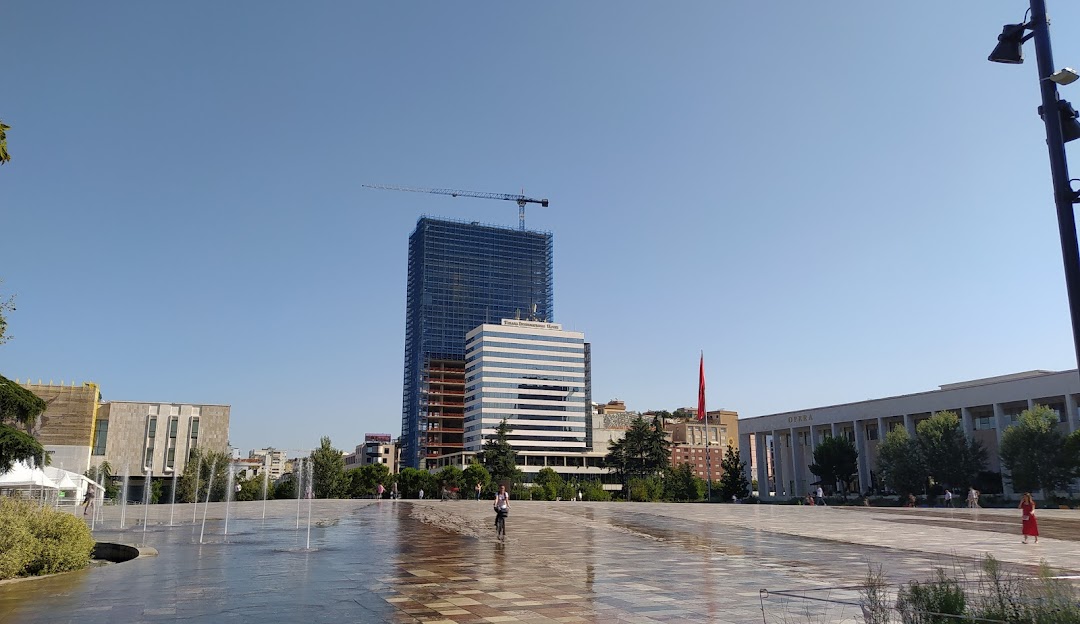
The capital city, Tirana, remains the country’s most stable real estate market due to consistent domestic demand, expanding business activity, and infrastructure modernization. Residential apartments in central and newly developed districts attract both local buyers and international investors seeking long-term rental income and steady appreciation.
Coastal cities such as Sarandë, Vlorë, and Durrës have become prominent tourism-driven markets. These locations benefit from increasing visitor arrivals, expanding hospitality infrastructure, and growing short-term rental demand during peak tourist seasons. Waterfront properties, resort developments, and serviced apartments are common investment targets in these areas.
Emerging investment zones near planned transport infrastructure, marina developments, and tourism masterplan regions may offer higher long-term appreciation potential but typically involve greater development-stage risk. Investors entering these areas should evaluate infrastructure timelines, planning approvals, and developer track records before committing capital.
Legal Risks and Due Diligence Requirements
Although Albania has modernized its property registration systems, due diligence remains essential because some properties—particularly older constructions—may have incomplete historical registration records or unresolved ownership claims. A professional title search conducted through the cadastral authority helps confirm the seller’s legal ownership and identify mortgages, liens, or legal disputes attached to the property.
Buyers should also verify that the building holds valid construction permits, completion certificates, and occupancy approvals. Purchasing units in developments lacking full regulatory approval may delay ownership registration or create legal obstacles when reselling the property. Developers with established completion records generally present lower execution risk than newly established development firms.
Additional due diligence includes confirming zoning compliance, reviewing municipal planning restrictions, and verifying that property boundaries match cadastral records. Investors purchasing land for development should confirm permitted building density, environmental restrictions, and infrastructure availability, particularly in coastal planning zones subject to tourism development regulations.
Investment Strategies and Rental Potential
Albania offers several real estate investment strategies suited to different risk tolerances and capital horizons. Long-term residential rental strategies are most common in Tirana, where stable tenant demand supports predictable occupancy. These investments typically prioritize steady income rather than rapid capital appreciation.
Short-term rental strategies are concentrated in coastal tourism markets, where seasonal visitor demand can produce strong peak-season income. Investors pursuing this approach should evaluate local rental regulations, property management availability, and off-season vacancy risk to estimate realistic annual returns.
Value-add investment strategies—such as renovating older apartments or acquiring early-stage development properties—can offer higher return potential but require more extensive due diligence, construction oversight, and market timing awareness. These strategies are often pursued by experienced investors familiar with local contractor networks and planning approval processes.
Common Buyer Mistakes and How to Avoid Them
One of the most frequent mistakes international buyers make is relying solely on developer assurances without conducting independent legal verification. Engaging an experienced local real estate attorney provides objective confirmation of ownership records, permit status, and transaction legality.
Another common error involves underestimating the importance of cadastral registration completion. Buyers should confirm that the property can be registered immediately after the sale, as delayed registration may complicate financing, resale, or inheritance processes.
Investors focused exclusively on low purchase prices may overlook infrastructure quality, long-term demand fundamentals, and building maintenance standards. Properties located in well-planned districts or established tourism corridors generally maintain stronger long-term value stability than properties purchased solely for price advantages.
Long-Term Market Outlook for Albania Real Estate
Albania’s real estate market continues to evolve as infrastructure investment, tourism expansion, and economic integration with European markets gradually reshape demand patterns. Urbanization in Tirana, combined with growing domestic purchasing power, is strengthening long-term residential demand, while coastal tourism growth is expanding the short-term rental and hospitality property segments.
Government initiatives focused on transportation upgrades, marina construction, and tourism development zones are expected to improve accessibility to several coastal regions, potentially supporting property value growth over the medium to long term. However, appreciation rates vary by micro-location, construction quality, and regulatory compliance, making professional market analysis an important part of investment planning.
Foreign investors evaluating Albania typically consider the market a developing European real estate environment with moderate entry pricing and improving regulatory clarity. While returns can be attractive in certain segments, long-term performance depends heavily on property selection, infrastructure execution timelines, and ongoing tourism demand trends.
Frequently Asked Questions
Is Albania a safe country for foreign real estate investment?
Albania allows foreign ownership of most property types and maintains a formal cadastral registration system that recognizes legally registered ownership. Conducting professional legal due diligence significantly reduces transaction risk.
Can foreigners obtain residency by buying property in Albania?
Property ownership can support residency applications under certain residency categories, but investors must meet immigration requirements set by Albanian authorities, which may include proof of financial resources and legal residence permits.
Are mortgages available to foreign buyers?
Local mortgage financing for non-residents is limited, and many international buyers purchase property using cash or financing from their home countries. Some Albanian banks may offer loans to foreign residents with verified income and local banking relationships.
How long does it take to buy property in Albania?
Most transactions can be completed within several weeks once due diligence is finalized, contracts are notarized, and ownership registration is submitted to the State Cadastre Agency.
Is rental income from Albanian property taxable?
Yes. Rental income earned from Albanian property is subject to national tax regulations, and owners must declare income in accordance with local tax reporting requirements.
Key Takeaways
- Foreign Ownership: International buyers can legally own most property types in Albania with limited restrictions on agricultural land.
- Legal Security: Ownership becomes fully enforceable once registered with the State Cadastre Agency following notarized sale completion.
- Costs: Acquisition expenses are relatively low compared with many European markets, though legal verification remains essential.
- Investment Hotspots: Tirana provides stable residential demand, while coastal cities benefit from tourism-driven rental markets.
- Due Diligence: Title verification, permit checks, and cadastral registration confirmation are critical steps before purchase.
Understanding Albania’s ownership laws, registration systems, and transaction procedures allows investors to approach the market with clear expectations and controlled risk. When supported by professional legal review, proper title verification, and realistic investment analysis, property acquisition in Albania can form part of a diversified international real estate portfolio aligned with long-term European market growth.
References
- Albanian State Cadastre Agency – Property Registration Guidelines
- Albanian Civil Code – Immovable Property Ownership Provisions
- National Business Center of Albania – Company Registration Requirements
- Ministry of Finance and Economy of Albania – Property Tax and Transfer Regulations
- Albanian Investment Development Agency – Investment Framework Publications