Sell Property at the Right Time for Maximum Value
Maximizing the sale value of a property hinges on timing. Selling at the wrong moment can reduce profits, prolong market exposure, and create negotiation disadvantages. Conversely, aligning a sale with market peaks and favorable conditions can optimize returns while minimizing risk. This article explores how sellers, investors, and landlords can strategically time property sales for maximum value.
This guide provides evidence-based insights, actionable timelines, and expert considerations to make informed decisions. It addresses market dynamics, economic indicators, seasonal patterns, and practical steps that influence sale outcomes.
Why Timing Matters in Property Sales
Property markets are cyclical, and price fluctuations are influenced by multiple, sometimes interrelated factors. Selling at a market peak can significantly increase returns, while poor timing may force a sale below market value or extend the property’s time on market, which can discourage buyers.
Key reasons timing affects value include:
- Market liquidity: When buyers are active, demand drives competitive offers, increasing sale price.
- Interest rate sensitivity: Mortgage rates directly affect affordability. Low rates expand the buyer pool; rising rates reduce it.
- Economic confidence: Consumer and investor sentiment influence buying decisions and perceived value.
- Seasonal trends: Historical data often shows higher engagement in specific months, such as spring or early summer in many regions.
Understanding the Property Market Cycle
The property market generally moves in predictable cycles consisting of four phases: recovery, expansion, hyper-supply, and recession. Recognizing which phase the market is in helps sellers time their sale strategically.
| Phase | Market Characteristics | Optimal Selling Strategy |
|---|---|---|
| Recovery | Prices stabilize; buyer confidence begins to return; low inventory. | Hold property if possible; early sellers may benefit from rising prices. |
| Expansion | Strong demand; rising prices; active market; low interest rates. | Ideal time to sell; competition among buyers maximizes value. |
| Hyper-supply | Excess inventory; prices plateau; slower sales. | Consider staging or incentives; avoid panic selling. |
| Recession | Falling prices; cautious buyers; extended time on market. | Delay sale if feasible; focus on cost reduction and property improvements. |
Recognizing these phases allows sellers to adjust strategy. For instance, selling during expansion typically yields higher offers, whereas recession periods may require price flexibility or targeted marketing to attract buyers.
Key Economic Factors Influencing Sale Timing
Beyond market cycles, broader economic indicators shape the optimal timing for property sales. Sellers must monitor these variables closely:
- Interest Rates: Central bank rate adjustments affect mortgage affordability and buyer demand.
- Inflation: High inflation can erode purchasing power but may increase nominal property values.
- Employment Trends: Regions with rising employment often experience stronger property demand.
- Government Policies: Tax incentives, stamp duty changes, or rent controls can materially influence buyer behavior.
- Foreign Investment Flows: In markets open to international buyers, capital inflows can create short-term demand spikes.
Monitoring these economic indicators in real time allows sellers to anticipate market shifts and schedule sales when conditions favor maximum valuation.
Seasonal Trends and Buyer Behavior
Seasonality significantly affects property sales. While local variations exist, historical data highlights patterns in buyer activity and sale outcomes.
Spring and Early Summer: Typically the most active periods, with longer daylight hours, favorable weather for property viewings, and families seeking school-year transitions. Homes listed in this period often sell faster and at higher prices.
Autumn: A secondary peak, with motivated buyers seeking to close purchases before year-end. Reduced competition can create opportunities for properties that were previously overlooked.
Winter: Traditionally slower due to holidays and weather, but lower competition and motivated buyers may allow strategic sellers to negotiate favorable terms. For certain high-demand markets, winter sales can outperform expectations if timed correctly.
Local Market Insights and Micro-Timing
National trends are informative, but local market dynamics often dictate optimal timing for a property sale. Sellers should assess:
- Neighborhood Demand: Areas with strong school districts, new infrastructure, or commercial developments typically see sustained buyer interest.
- Inventory Levels: Low inventory can increase urgency and pricing power, whereas high inventory may require competitive pricing or longer listing periods.
- Recent Comparable Sales: Tracking closed sales in the immediate area gives realistic pricing benchmarks and identifies peak sale windows.
- Local Policy Changes: Zoning adjustments, municipal tax updates, or planned transport expansions can influence buyer behavior and timing decisions.
Engaging a knowledgeable local agent or property consultant helps interpret these micro-trends, ensuring timing decisions align with immediate market realities rather than general national cycles.
Property Preparation Strategies for Maximum Value
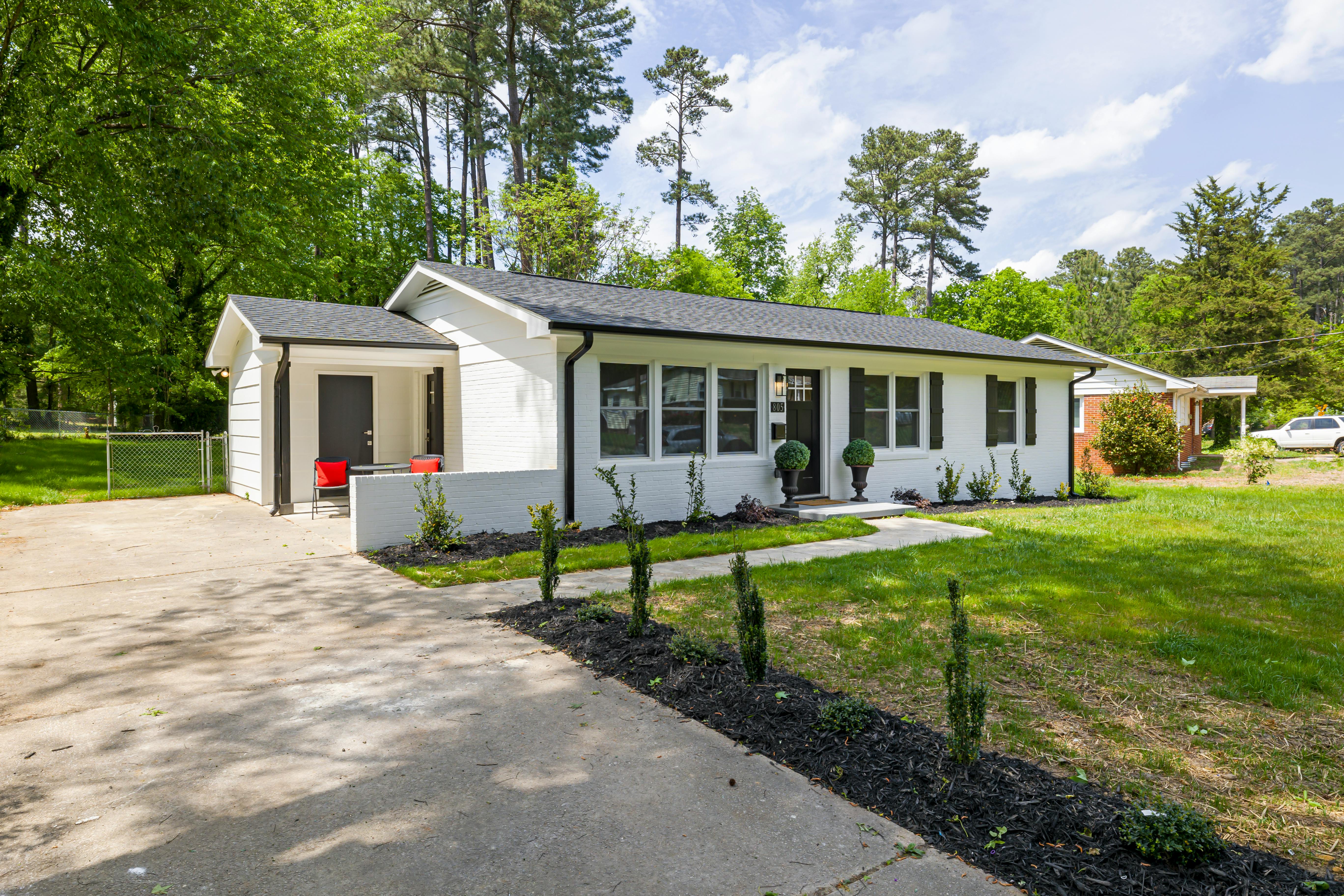
Even perfectly timed sales can underperform if the property is unprepared. Strategic preparation enhances buyer perception and market value.
- Maintenance and Repairs: Address structural, plumbing, electrical, and cosmetic issues before listing to prevent price reductions during negotiation.
- Staging and Presentation: Professional staging highlights key features and creates emotional appeal, which can increase offers by 5–15% according to industry studies.
- Photography and Virtual Tours: High-quality images and 3D tours attract more buyers online, leading to faster sales and higher competitive bids.
- Legal and Documentation Readiness: Ensure clear titles, updated compliance certificates, and mortgage statements are ready to avoid last-minute delays that can affect sale timing.
Preparation timelines should align with intended listing periods. For example, renovations completed during winter can position a property for a spring sale peak.
Strategic Pricing and Listing Timing
Setting the right asking price at the optimal moment is critical. Overpricing risks long market exposure, while underpricing may leave money on the table.
Best practices include:
- Market Analysis: Use recent local comparables to set a realistic baseline price aligned with buyer expectations.
- Psychological Price Points: Pricing slightly below round numbers (e.g., $499,000 instead of $500,000) can increase buyer interest and online visibility.
- Listing Coordination: Align listing with peak buyer periods identified in seasonal and local trends. Timing listings to coincide with high-traffic windows enhances early engagement and competitive offers.
- Flexible Strategy: Incorporate a review period to adjust price if market response is slow while avoiding premature reductions.
Common Mistakes Sellers Make
Even experienced sellers can misjudge timing and preparation. Avoidable mistakes include:
- Ignoring Market Signals: Selling during a downturn without necessity can result in significant losses.
- Relying Solely on National Trends: Neglecting local supply, demand, and regulatory changes can misalign sale timing.
- Incomplete Property Preparation: Skipping repairs or staging often prolongs market exposure and reduces final offers.
- Poor Marketing Timing: Listing during low buyer engagement periods can lead to slow sales, even for highly desirable properties.
Expert guidance, data-driven analysis, and strategic planning mitigate these risks and improve the likelihood of a timely, profitable sale.
Legal and Financial Considerations
Understanding the legal and financial implications of property sales is essential to ensure timing decisions do not create unintended liabilities or costs.
- Capital Gains Tax (CGT): Sellers should account for CGT implications, which can vary depending on holding period, property type, and residency status.
- Mortgage Penalties: Early repayment fees can impact net proceeds; aligning sale with mortgage terms can avoid unnecessary charges.
- Disclosure Obligations: Legal requirements to disclose structural issues, zoning restrictions, or encumbrances must be met to avoid post-sale disputes.
- Closing Costs and Transaction Fees: Fees vary by region and can affect net proceeds. Sellers should factor these into timing to optimize cash flow.
Consulting legal and financial professionals ensures that timing strategies consider all fiscal and regulatory factors, preventing costly mistakes.
Advanced Timing Strategies for Investors and Sellers
Experienced sellers and investors often employ nuanced strategies to maximize returns:
- Market Anticipation: Using forward-looking economic indicators such as interest rate projections, employment data, and infrastructure announcements to preempt peak demand periods.
- Portfolio Rotation: Selling lower-performing properties during high-demand windows while reinvesting into higher-growth opportunities.
- Lease Expiry Coordination: For investment properties, timing sales to coincide with tenant lease expiration can enhance buyer interest and valuation.
- Off-Market Sales: Leveraging private networks to negotiate sales during strategic market windows when competition is lower but buyer demand is high.
These strategies require market knowledge, risk tolerance, and timing precision but can materially improve returns when executed correctly.
Frequently Asked Questions
- When is the best season to sell a property?
- Spring and early summer generally offer the highest buyer activity and competitive pricing, though local market conditions may shift timing preferences.
- How do interest rates affect property sale timing?
- Lower interest rates increase buyer affordability and demand, making it an ideal period to sell. Rising rates can reduce buyer pool and require more strategic pricing.
- Should I sell during a recession?
- During recessions, property values may decline. Sellers should consider delaying if possible or focus on high-demand segments and well-prepared properties to mitigate losses.
- How important is property preparation before listing?
- Critical. Repairs, staging, and high-quality marketing can significantly increase offers and reduce time on market, regardless of market phase.
- Can local market trends override national cycles?
- Yes. Neighborhood demand, inventory, and microeconomic factors can create opportunities or challenges independent of national trends.
Key Takeaways
- Timing is critical: Aligning sales with market peaks, economic conditions, and seasonal trends maximizes value.
- Local insights matter: Micro-market analysis often outweighs national trends for sale success.
- Preparation drives results: Property condition, staging, and documentation readiness directly impact sale speed and price.
- Pricing and listing strategy: Strategic pricing and listing during peak engagement periods optimize offers.
- Professional guidance: Legal, financial, and local market experts reduce risk and enhance sale outcomes.
References
- National Association of Realtors. (2023). Home Buyer and Seller Generational Trends.
- Zillow Research. (2022). Seasonal Trends in Housing Markets.
- CoreLogic. (2023). Property Market Cycle Analysis.
- Investopedia. (2023). Understanding Capital Gains Tax in Real Estate.
- Royal Institution of Chartered Surveyors (RICS). (2022). Best Practices in Property Valuation and Timing.