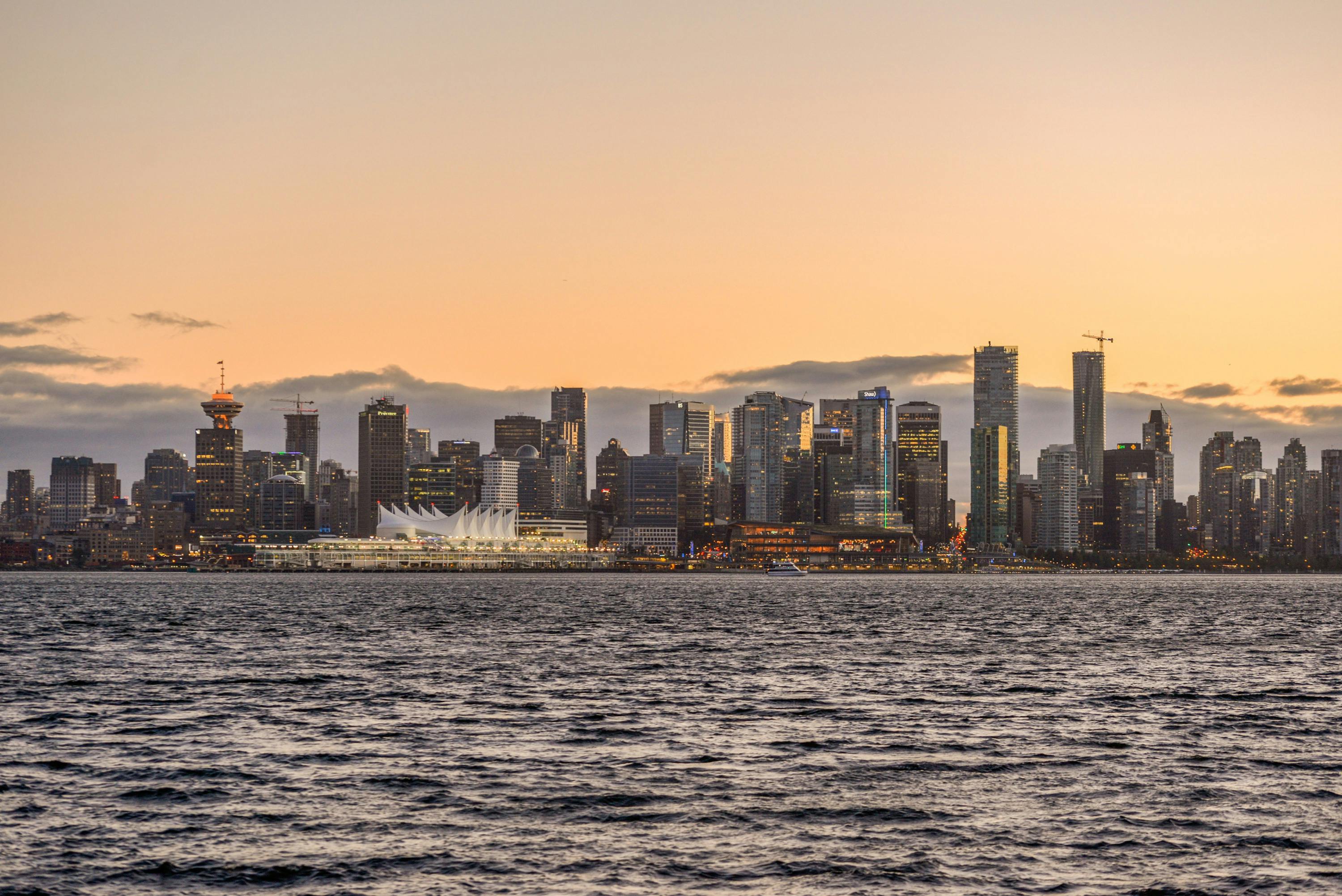
Buying a house in Vancouver, British Columbia typically involves choosing between three distinct market zones—North Vancouver, West Vancouver, and East Vancouver, each defined by different price bands, housing stock, commute patterns, zoning rules, and buyer competition levels. This guide explains how house sales work across these areas, what buyers can realistically expect, and how to align location choice with budget, lifestyle, and long-term value.
Vancouver House Sale Market: Scope and Structure
A house sale in Vancouver refers primarily to detached homes, with some semi-detached and character properties, governed by strict municipal zoning, development bylaws, and provincial real estate law. Unlike condominium markets, Vancouver’s house market is supply-constrained, neighborhood-sensitive, and heavily influenced by land value rather than building age.
Vancouver is not a single homogeneous housing market. House prices, buyer competition, and acceptable compromises vary sharply by area. North Vancouver emphasizes family-oriented suburban housing with access to nature. West Vancouver represents the region’s premium luxury segment. East Vancouver offers comparatively attainable entry points, redevelopment potential, and urban density.
For buyers, understanding where houses are selling—and why—is more important than tracking citywide averages. A “good deal” in one area may be overpriced in another due to zoning limits, lot size, redevelopment permissions, or school catchments.
From a transactional perspective, house sales in Vancouver commonly involve:
- Subjects (conditions) for financing, inspection, and title review
- Multiple-offer scenarios in high-demand neighborhoods
- Significant emphasis on land value and future use
- Property transfer tax considerations at the provincial level
Buyers evaluating North, West, or East Vancouver should treat each area as a separate market with its own pricing logic, risk profile, and resale dynamics.
Buying a House in North Vancouver
North Vancouver house sales primarily attract families, professionals, and long-term residents seeking detached homes with access to outdoor amenities, reputable schools, and lower-density neighborhoods compared to Vancouver’s urban core.
The area includes both the City of North Vancouver and the District of North Vancouver, each with distinct zoning rules and approval processes. Houses range from mid-century detached homes to newer custom builds on larger lots, often positioned on sloped terrain.
Buyers considering North Vancouver should expect:
- Strong demand for family-sized homes near schools and parks
- Higher renovation and maintenance costs due to weather and topography
- Longer commute times dependent on bridge access
- Stable long-term value driven by limited developable land
North Vancouver house prices generally sit below West Vancouver but above many East Vancouver neighborhoods. Properties with views, newer construction, or proximity to transit nodes often command premiums.
From a buyer risk perspective, slope stability, drainage, and access should be evaluated carefully during inspections. Many house purchases in North Vancouver are long-term holds rather than short-term investment flips.
Buying a House in West Vancouver
West Vancouver represents the highest-priced segment of the Greater Vancouver house market, driven by ocean views, large lots, strict zoning controls, and an established luxury reputation. House sales in this area are primarily land-value transactions with architectural and lifestyle considerations.
Houses in West Vancouver are often custom-built, positioned on hillside lots, and subject to detailed municipal design review. Buyers are typically high-net-worth individuals, international purchasers, or long-term residents upgrading within the area.
Key characteristics of West Vancouver house purchases include:
- Significantly higher price per lot compared to other Vancouver areas
- Lower transaction volume but high individual sale values
- Strict renovation, tree removal, and redevelopment approvals
- Emphasis on privacy, views, and architectural quality
For buyers, West Vancouver offers prestige and long-term scarcity value but requires careful due diligence. Holding costs, property taxes, and insurance premiums are typically higher than elsewhere in the region.
West Vancouver houses are less influenced by short-term market swings than entry-level segments, but liquidity can be slower due to the narrower buyer pool.
This section expands the buyer analysis by examining East Vancouver house purchases, cross-area price dynamics, legal and financial considerations, and common buyer mistakes that materially affect outcomes in Vancouver’s detached housing market.
Buying a House in East Vancouver
East Vancouver is the most diverse and accessible detached housing market within the City of Vancouver, offering a mix of entry-level houses, older character homes, and redevelopment-focused properties. House sales here appeal to first-time buyers, investors, and families prioritizing value over prestige.
The area spans multiple established neighborhoods, many governed by zoning that allows laneway houses, secondary suites, or future densification. As a result, land-use flexibility plays a central role in pricing and buyer competition.
Buyers in East Vancouver typically encounter:
- Lower average house prices relative to North and West Vancouver
- Higher renovation and redevelopment activity
- Strong rental income potential through secondary suites
- Greater variability in block-by-block property conditions
East Vancouver houses are often purchased with a medium- to long-term strategy, including renovation, subdivision, or eventual rebuild. Buyers should assess zoning schedules, lot dimensions, and development restrictions before making offers.
From a market behavior perspective, competitively priced houses in East Vancouver frequently attract multiple offers due to affordability constraints elsewhere in the city.
North vs West vs East Vancouver: Price and Value Comparison
House pricing across Vancouver’s regions reflects land scarcity, zoning limits, buyer demographics, and perceived lifestyle value. Comparing areas on price alone is insufficient without understanding what drives long-term value and resale resilience.
| Area | Typical Buyer Profile | Relative Price Level | Primary Value Driver |
|---|---|---|---|
| West Vancouver | High-net-worth, luxury buyers | Highest | Land scarcity, views, prestige |
| North Vancouver | Families, long-term residents | High | Livability, schools, natural setting |
| East Vancouver | First-time buyers, investors | Moderate | Zoning flexibility, redevelopment |
Buyers evaluating “value” should consider not only purchase price but also redevelopment potential, holding costs, rental income options, and resale liquidity. East Vancouver may offer stronger upside for active investors, while West Vancouver emphasizes capital preservation.
Legal and Financial Considerations for House Buyers
Purchasing a house in Vancouver involves provincial and municipal legal frameworks that directly affect transaction costs, timelines, and buyer obligations. Understanding these factors reduces exposure to unexpected liabilities.
Key financial and legal elements include:
- Property Transfer Tax calculated on purchase price
- Municipal zoning and permitted land uses
- Disclosure obligations and title review
- Financing approval timelines and appraisal risk
Buyers should confirm whether a property contains authorized secondary suites or non-conforming uses, as this can affect financing approval and future resale. Legal review of title, easements, and restrictive covenants is standard practice for detached homes.
Financing for houses, particularly older or redevelopment properties, may require additional lender scrutiny related to condition, zoning, or intended use.
Common Mistakes When Buying a House in Vancouver
Buyers in Vancouver’s house market frequently make avoidable errors that increase costs or limit future flexibility. These mistakes often stem from focusing on aesthetics rather than fundamentals.
- Overpaying for cosmetic renovations without assessing land value
- Ignoring zoning restrictions and redevelopment limits
- Underestimating long-term maintenance and insurance costs
- Skipping professional inspections in competitive markets
Experienced buyers prioritize lot characteristics, neighborhood trajectory, and regulatory constraints over short-term finishes. This approach is especially critical in East and North Vancouver, where future use often defines value.
This final section addresses timing considerations, buyer-readiness signals, frequently asked questions, and a structured summary to help buyers, investors, and researchers make informed decisions when navigating house sales in North, West, and East Vancouver.
Best Time to Buy a House in Vancouver
There is no single best time to buy a house in Vancouver; timing advantages depend on buyer profile, financing readiness, and area-specific conditions. Detached house markets behave differently from condominium segments due to limited supply and long holding periods.
Seasonal trends generally show increased listings in spring and early fall, while winter months may present reduced competition but fewer options. In West Vancouver, transaction volume is less seasonal, whereas East Vancouver often experiences heightened competition when affordability-driven demand rises.
Buyers with flexible timelines often benefit more from readiness than from attempting to time the market. Pre-approved financing, legal review capacity, and inspection access matter more than short-term price movements.
Buyer Readiness Checklist for Vancouver Houses
A successful house purchase in Vancouver requires preparation beyond budget calculations. Buyers should confirm readiness across financial, legal, and practical dimensions before engaging in active offers.
- Mortgage pre-approval aligned with detached home lending criteria
- Understanding of property transfer tax and closing costs
- Clarity on intended use: personal residence, rental, or redevelopment
- Access to professional inspection and legal review resources
- Familiarity with zoning regulations in target neighborhoods
Buyers entering multiple-offer situations without these elements in place face increased risk and reduced negotiating flexibility.
Frequently Asked Questions
Which area of Vancouver is best for first-time house buyers?
East Vancouver is generally the most accessible area for first-time house buyers due to lower entry prices and zoning that allows rental suites, which can help offset ownership costs.
Are houses in West Vancouver a good investment?
West Vancouver houses are typically long-term capital preservation assets rather than short-term investment properties. Value is driven by land scarcity, views, and prestige rather than rental yield.
Do older houses in Vancouver require special inspections?
Yes. Older houses often require additional inspection focus on foundations, drainage, electrical systems, and unauthorized renovations, particularly in North and East Vancouver.
Can I build or redevelop after buying a house in Vancouver?
Redevelopment potential depends on zoning, lot size, and municipal bylaws. Buyers should confirm allowable density, height, and use before purchase.
Is buying a house in Vancouver still competitive?
Competition remains strong for well-located, realistically priced houses, particularly in East Vancouver and family-oriented North Vancouver neighborhoods.
Key Takeaways
- Market segmentation matters: North, West, and East Vancouver operate as distinct house markets.
- Land value dominates: Detached house pricing is driven more by land than by building age.
- East Vancouver offers flexibility: Zoning and suite potential improve affordability and upside.
- West Vancouver prioritizes scarcity: Luxury, views, and long-term holding define value.
- Preparation outweighs timing: Buyer readiness is more critical than short-term market cycles.
References
- British Columbia Residential Tenancy and Property Transfer Regulations
- City of Vancouver Zoning and Development Bylaws
- District of North Vancouver Planning and Development Resources
- West Vancouver Official Community Plan