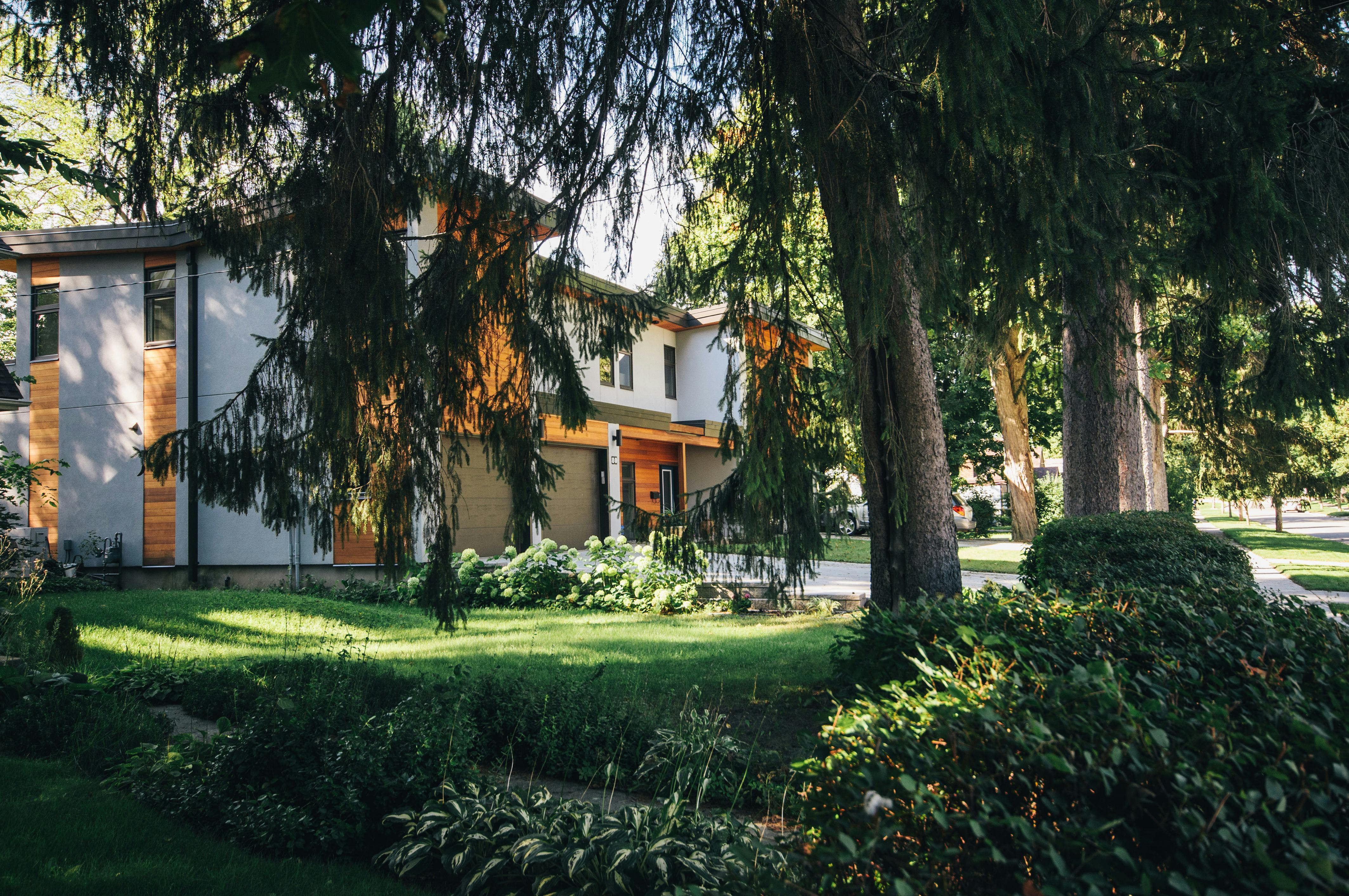
A south facing garden in the UK typically receives sunlight for most of the day, especially from late morning through early evening, making it highly desirable among buyers. Demand is strongest in family-oriented suburbs, commuter towns, and higher-value southern regions, where outdoor living space directly influences sale price and speed of transaction. In competitive markets, homes with a true south-facing rear garden often achieve measurable price premiums and attract more viewings than comparable properties with north-facing aspects.
What Does “South Facing Garden” Mean — and Why Does It Matter?
A south facing garden is a garden positioned so that its rear boundary faces south, allowing it to receive direct sunlight for the majority of daylight hours in the UK. Because the sun tracks across the southern part of the sky, this orientation maximises light exposure compared to north-facing outdoor spaces.
How much sunlight does a south facing garden get in the UK?
In spring and summer, a properly aligned south facing garden can receive sunlight from mid-morning until sunset. Even in autumn and winter, when daylight hours shorten, the garden will typically capture more usable light than east or west-facing alternatives. This is particularly important in northern regions, where daylight hours are already limited.
Does orientation really affect property value?
Yes. Orientation influences both perceived lifestyle quality and practical usability. Valuers and agents frequently note that outdoor aspect can influence buyer competition. In markets with limited garden stock, the premium for optimal orientation can be significant, particularly for family homes and period terraces where garden size is modest but sunlight exposure transforms usability.
Why buyers prioritise south facing gardens
- All-day natural light: Better for entertaining, dining, and children’s play.
- Gardening potential: Wider plant variety thrives in consistent sunlight.
- Energy efficiency perception: Rear rooms benefit from increased natural warmth and light.
- Resale confidence: Orientation is a universally understood selling point.
For first-time buyers, a south facing garden often represents “future-proofing” — it supports resale liquidity. For investors and landlords, it can reduce void periods in competitive rental markets, particularly in suburban family areas.
Why Demand for South Facing Gardens Is Rising
Demand is increasing due to lifestyle shifts, hybrid working patterns, and heightened focus on outdoor space following pandemic-era lockdowns. Buyers now evaluate gardens as functional living areas rather than secondary features.
1. Hybrid working has changed buying priorities
With more professionals working from home several days per week, outdoor space has become an extension of internal living areas. South facing gardens provide reliable daylight for garden offices, patios, and outdoor workspaces. Natural light also improves the appeal of rear-facing kitchen extensions — a common renovation in UK housing stock.
2. Lifestyle-driven relocation trends
Commuter belt towns and semi-rural areas have experienced increased interest from buyers leaving dense urban centres. In these areas, buyers expect usable gardens. A north-facing plot in a competitive commuter town may struggle against similar stock with superior orientation.
3. Increased awareness of garden usability
Buyers are more informed. Property listings frequently highlight garden direction in bold because consumers actively filter for it. Surveyors and conveyancers are seeing more buyers double-check orientation using title plans and satellite tools before exchange.
4. Limited supply in established housing stock
Orientation cannot be altered. In older Victorian, Edwardian, and 1930s estates, only a proportion of streets benefit from optimal solar positioning. As a result, scarcity reinforces demand in tightly held neighbourhoods.
Is this demand temporary?
Current data and buyer behaviour suggest the demand is structural rather than temporary. Outdoor usability aligns with long-term lifestyle trends: home improvement investment, staycations, and multi-generational living. Even as broader market cycles fluctuate, orientation remains a fixed and defensible advantage.
Where in the UK Is Demand for South Facing Gardens Strongest?
Demand is strongest in high-density urban regions, affluent southern counties, and commuter towns where outdoor space is both limited and highly valued. In these areas, orientation becomes a differentiator rather than a bonus feature.
1. Greater London and Surrounding Commuter Belt
In Greater London, garden size is often constrained. Boroughs with high proportions of terraced housing see buyers competing heavily for properties with optimal light exposure. Commuter towns in Surrey, Kent, and Hertfordshire also show elevated demand due to hybrid working households seeking lifestyle upgrades without sacrificing connectivity.
2. South East England
Counties such as Hampshire, Berkshire, and Sussex consistently attract buyers prioritising family housing. In these markets, south facing gardens complement kitchen-diner extensions and bi-fold door renovations — a common design preference in the region.
3. South West England
In areas including Bristol and parts of Devon and Cornwall, lifestyle-led migration has increased focus on outdoor living. Homes with favourable garden orientation in desirable school catchments often generate stronger competition.
4. Northern Cities with Limited Sunlight
In cities such as Manchester, Leeds, and Newcastle, daylight is more seasonal. South facing gardens are particularly valued because they maximise limited sunshine. The psychological and practical benefits are more noticeable in these climates.
5. Suburban Family Developments Nationwide
Across the Midlands and regional towns, modern estates often include a mix of orientations. Buyers purchasing three- and four-bedroom detached or semi-detached homes frequently rank garden direction alongside parking and school proximity.
| Region | Primary Buyer Type | Reason for Elevated Demand |
|---|---|---|
| Greater London | Upsizers & professionals | Limited garden size; premium on light |
| South East England | Families | Outdoor dining & extension culture |
| South West England | Lifestyle relocators | Outdoor living emphasis |
| Northern Cities | First-time buyers & families | Maximising limited sunlight |
| Midlands Suburbs | Growing households | Balanced affordability + usability |
While demand is broad, the premium varies by local supply levels. In tightly packed Victorian terraces, the difference between north and south orientation can materially affect saleability. In larger rural plots, the effect may be less pronounced but still influential.
Which Buyers Compete Most for South Facing Gardens?
Family buyers, upsizers, hybrid workers, and lifestyle relocators are the most active segments competing for south facing gardens. Their motivations differ, but usability and long-term resale security are consistent themes.
1. Families with young children
Parents prioritise safe, usable outdoor space. A garden that remains bright through the afternoon supports after-school play and weekend use. In school catchment-driven markets, this becomes a deciding factor between similar homes.
2. Hybrid and remote professionals
Garden offices and rear-facing workspaces benefit from natural daylight. Buyers investing in garden studios often insist on favourable orientation to justify build costs.
3. Upsizers from flats
Buyers moving from apartments frequently seek lifestyle improvement. For them, sunlight and privacy symbolise the transition to long-term home ownership.
4. Investors and landlords
While not always the primary driver, south facing gardens can improve tenant demand in family rental markets. Reduced void periods and stronger tenant retention may follow in competitive areas.
Who may care less about orientation?
Downsizers in low-maintenance developments, buyers prioritising proximity over lifestyle, and purchasers of large countryside homes with extensive land may rank orientation lower than access, transport, or condition.
How to Verify Garden Orientation Before You Buy
You should never rely solely on estate agent descriptions. Verifying orientation is straightforward and should form part of due diligence before exchange of contracts.
Step-by-step verification process
- Check online mapping tools: Use satellite view and compass overlay.
- Review title plans: HM Land Registry title plans show directional indicators.
- Visit at different times: Observe sunlight during morning and afternoon viewings.
- Assess neighbouring structures: Tall trees or extensions may reduce effective sunlight even if orientation is technically south.
Common misunderstandings
- “South-west facing” is not the same as fully south facing.
- Corner plots may have mixed exposure.
- High fences or multi-storey rear extensions can significantly limit light.
Surveyors do not typically confirm solar performance in detail, so buyers must independently assess practical sunlight exposure.
Common Mistakes Buyers and Sellers Make
Orientation is frequently misunderstood or overstated. Both buyers and sellers can make costly assumptions.
Mistakes buyers make
- Ignoring overshadowing: A south facing garden overshadowed by neighbouring buildings may not perform as expected.
- Overpaying in slower markets: Premiums are market-sensitive.
- Neglecting privacy: Bright gardens may also expose sightlines from upper floors nearby.
Mistakes sellers make
- Mislabeling orientation: Incorrect claims damage credibility.
- Failing to stage the garden: A sunlit but poorly maintained space reduces perceived value.
- Overpricing solely on orientation: Condition, layout, and EPC rating still matter.
In balanced markets, orientation is a differentiator — not a substitute for overall property quality.
Are South Facing Gardens More Common in New Builds or Period Homes?
South facing gardens are not inherently more common in either new builds or period homes; availability depends on estate layout, street orientation, and developer planning constraints. However, buyer expectations differ between the two categories.
Period Homes (Victorian, Edwardian, 1930s)
Older housing stock was rarely designed with solar optimisation in mind. Streets were typically arranged for density and transport alignment rather than garden orientation. As a result, only a proportion of homes benefit from true south-facing rear aspects. This scarcity can intensify demand in established neighbourhoods where stock turnover is low.
In tightly packed terraces, a south facing garden may significantly improve perceived liveability, particularly where plots are shallow. For buyers considering kitchen-diner extensions with roof lanterns or bi-fold doors, orientation directly influences design value.
New Build Developments
Modern developers sometimes consider solar gain and plot desirability when designing estates. However, commercial land optimisation still dictates layout. Within a single development, orientation varies widely.
Buyers purchasing off-plan frequently prioritise plot position early in the reservation phase. South facing plots may command small premiums or be reserved first, especially in family-led suburban schemes.
Key Difference
- Period homes: Scarcity-driven premium in established areas.
- New builds: Early plot selection advantage.
In both cases, orientation is fixed. Once purchased, it cannot be altered — reinforcing its strategic importance during acquisition.
How Orientation Affects Extensions, Planning & Energy Performance
South facing gardens can materially influence extension design, glazing strategy, and energy efficiency outcomes. While orientation does not change planning approval criteria directly, it affects how valuable an approved extension becomes in practical use.
Rear Extensions and Natural Light
In the UK, rear kitchen extensions are among the most common residential improvements. A south facing garden maximises daylight penetration through large glazed doors, rooflights, and skylights. This reduces reliance on artificial lighting and improves year-round usability.
Overheating Considerations
While increased solar gain is generally positive, excessive glazing without shading can cause overheating during summer months. Buyers and renovators should consider:
- High-performance glazing
- Roof overhangs or brise-soleil shading
- Landscaping for seasonal shade
Energy Performance Certificates (EPC)
Orientation alone does not determine EPC rating, but solar gain contributes to heating efficiency in cooler months. Homes with well-designed south-facing glazing may benefit from passive warmth during winter.
Planning Risk Factors
Planning authorities assess overshadowing impacts on neighbouring properties. Extending from a south facing garden could increase the risk of objections if neighbouring north-facing properties lose light. Early consultation and measured drawings are advisable in dense urban settings.
Is a South Facing Garden a Long-Term Investment Advantage?
Yes, a south facing garden generally provides long-term resilience in resale value and buyer demand. While not immune to wider market cycles, orientation remains a structural advantage that does not depreciate.
Liquidity in Slower Markets
During market slowdowns, properties with distinguishing features maintain stronger enquiry levels. Orientation is a non-cosmetic advantage — it cannot be replicated through refurbishment.
Future-Proofing Against Buyer Trends
Outdoor living, home working, and wellness-focused design are not short-term trends. Natural light consistently ranks among top buyer preferences in residential surveys. As housing density increases in urban areas, light access becomes more valuable rather than less.
Rental Market Stability
In family rental markets, gardens influence tenancy length and tenant satisfaction. A bright, usable outdoor area can improve competitiveness against comparable listings.
When It May Not Add Significant Advantage
- Large rural estates where land is abundant.
- City-centre apartments without private gardens.
- Retirement developments prioritising low maintenance.
For the majority of suburban freehold housing, however, south facing orientation remains one of the most defensible qualitative advantages available.
Frequently Asked Questions
Is a south facing garden always better than south-west?
A true south facing garden receives more consistent midday sun, while south-west gardens benefit from extended evening light. Preference depends on lifestyle, but south facing generally provides more balanced daily exposure.
How can I tell if a garden is genuinely south facing?
Use satellite mapping tools with compass overlays and confirm using the title plan. Visit at different times of day to assess actual sunlight and check for overshadowing from neighbouring buildings.
Do mortgage lenders value garden orientation?
Lenders do not assign standalone value to orientation. However, surveyor comments on desirability and marketability can indirectly influence valuation outcomes.
Can trees reduce the benefit of a south facing garden?
Yes. Mature trees, neighbouring extensions, and high boundary walls can significantly reduce sunlight exposure, even if the garden is technically south facing.
Is a north facing garden always a disadvantage?
Not necessarily. North facing gardens often retain shade in summer, which some buyers prefer. Larger plots can still provide usable sunny areas depending on depth and layout.
Key Takeaways
- Orientation Drives Demand: South facing gardens consistently attract higher buyer interest across suburban markets.
- Premiums Are Location-Sensitive: Strongest in dense urban and commuter regions.
- Verification Is Essential: Buyers should independently confirm true orientation and assess overshadowing risks.
- Extension Value Increases: Rear glazing and kitchen extensions benefit materially from southern exposure.
- Long-Term Resilience: Orientation remains a fixed structural advantage in resale scenarios.
References
- UK residential valuation practices and market observation data.
- HM Land Registry title plan guidance.
- UK planning authority residential extension policies.
- Energy Performance Certificate methodology framework.