The Pros and Cons of Leasehold vs. Freehold Properties
Dec 19, 2025
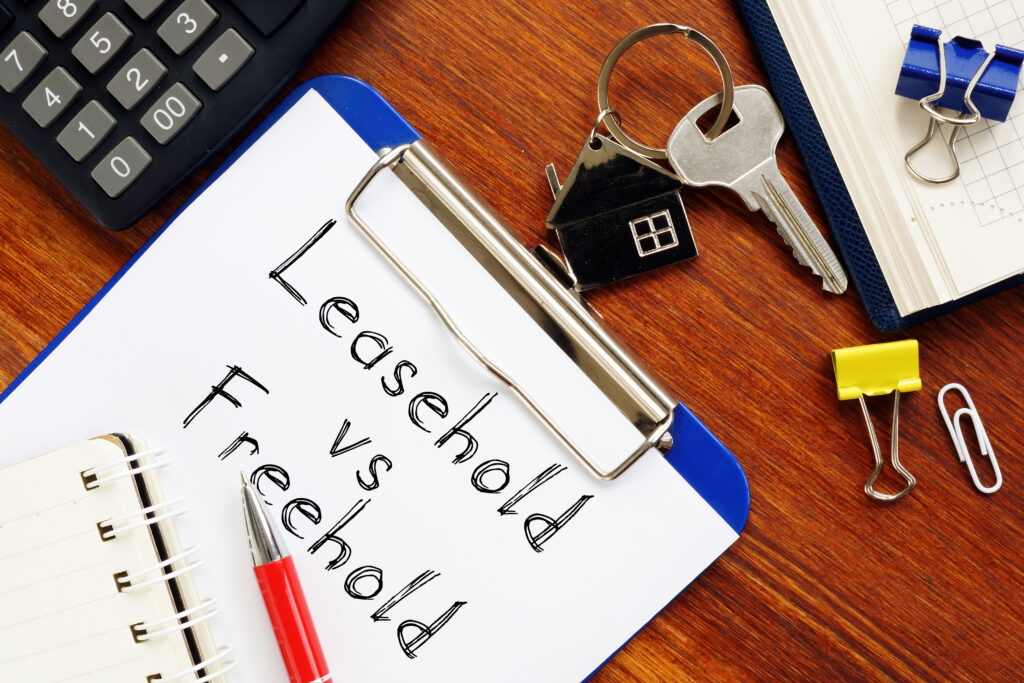
Purchasing property in the UK may be a complicated affair. In addition to location, size, and price, there is another critical choice that buyers must make: whether to purchase freehold or leasehold.
The implication of this difference is far-reaching. It influences your rights to the home, the expenses you will pay, and even how the property's value will rise or fall. However, the difference still confuses so many people until they are already in the buying process.
During my time working with buyers, I have observed that both freehold and leasehold have some advantages and disadvantages. Families, at times, enjoy the freedom that freehold offers, whereas young professionals probably find leasehold apartments to be convenient when residing in urban areas. There is no standard right answer. The thing is to know the facts well to choose what belongs to you.
In this guide, I will explain what each form of ownership is, why it is good or bad, what issues are happening in the market, and what recent research has to say about it.
Understanding Freehold
A freehold means you own the property outright, including the land it sits on. Your name goes on the Land Registry as the freeholder, and you have no time limit on ownership. This is the form of ownership most people instinctively prefer because it offers control and permanence.
You can renovate, extend, or sell without needing permission from a superior landlord. You are responsible for maintaining the property, paying for repairs, and dealing with all related costs. In other words, it’s yours to manage without external interference.
Advantages of Freehold
- Full ownership without an expiry date
- No annual ground rent or service charges
- Greater control over renovations and extensions
- Property often retains value better over the long term
For families planning to stay in a home long term, freehold brings peace of mind. Buyers know they will not have to renegotiate ownership or worry about dwindling years on a lease.
Drawbacks of Freehold
- You carry full responsibility for maintenance costs.
- Major works can be expensive with no one to share costs.
- Flats are rarely available as freehold, limiting options in cities.
Freehold provides freedom but also full accountability. For some, that’s empowering. For others, it can feel daunting.
Understanding Leasehold
Leasehold refers to the fact that you are the owner of the property for a certain period of time, but not the land under the property. The land is owned by a freeholder, commonly referred to as a landlord. The majority of leases begin at 99 or 125 years, but there are those that go up to 999 years.
A lease expires, and the ownership goes back to the freeholder unless you renew the lease or purchase the freehold. The leaseholders also pay ground rent, service charges, and building maintenance contributions on an annual basis.
Flats are most often leased. This is the case of central London, as almost all apartments have a leasehold, as building occupants share stairwells, lifts, roofs, and common gardens.
Advantages of Leasehold
- Common expenses of collective repair.
- Lower cost of buying than freehold homes.
- Security is still available in long leases (which are usually longer than 100 years).
- Service costs include things such as lift maintenance or the repair of the roof.
To urban consumers, a leasehold can prove to be a practical deal. It guarantees a group of apartments to be maintained not by individuals but by the residents.
Disadvantages of Leasehold
- There is a high ground rent and service charges.
- Renovations, pets, or subletting can be limited by rules.
- The shorter the lease, the lower its value.
- The renewal of a lease may be complicated and expensive.
A flat that has a lease lasting less than 80 years may become hard to mortgage and highly unattractive to buyers. The Leasehold Advisory Service believes that the cost of an extension of the lease may amount to tens of thousands of pounds, depending on the property value.
Leasehold in the News
The leasehold system has been disputable. In 2017, it was reported that developers were selling new-build homes that had a ground rent which doubled every ten years. This left a few owners with property that they could not sell since the buyers and mortgage lenders considered the costs as unreasonable.
The government reacted by reforming. In 2022, the ground rents were prohibited on the majority of new tenancies by a new law. Further changes, including the cheaper cost of lease extensions to tenants and greater influence on how their buildings are run, were promised by ministers.
Nevertheless, an estimated million elderly leasehold properties are left behind. Campaign groups still demand rules that are not so unfair.
Financial Impact
Freehold or leasehold is a big financial decision.
- Purchase price: Leasehold property is typically cheaper to buy at the start of the process compared to freehold and other property types.
- Recurrent expenses: Service charges, ground rents, and maintenance contributions may cost thousands annually.
- Extension of lease: It may cost 10 per cent or higher of the market value of the property to renew a short lease.
- Mortgage problems: The lenders do not give mortgages to real estate that has less than 80 years left on the lease.
In a 2023 study, Savills observed that consumers are now more discriminative of leasehold flats, particularly in London. Share of freehold arrangements where the freehold is collectively owned by the flat owners are now being offered by many developers, as a way of attracting purchasers.
Practical Questions for Buyers
In the consideration of leasehold vs freehold, consider:- What is the length of my stay in the property?
- Am I desiring to be totally free to make changes?
- Am I capable of taking care of unexpected repair bills?
- Would I be happy to pay service charges annually?
- What is the duration of the lease, and what happens at expiry?
It is good to be explicit about such questions to prevent bad surprises in the future.
Leasehold Reform and the Future
Reform is on the horizon. The government has undertaken to phase out the majority of leasehold houses and also streamline lease extensions. Campaigners are seeking the abolition of ground rents and are also seeking to increase the rights of flat owners to be increased.
With the success of reforms, leasehold could be made less restrictive to the new buyers. However, until that time, due diligence is essential to take into account a leasehold purchase.
Key Takeaways
Freehold is complete ownership and control, but complete responsibility as well. Leasehold is mostly applicable to flats, which come at lower prices of purchase prices ut continued costs and limitations.
Leases in the form of less than 80 years are harmful to resale value and mortgage options. More reforms in the future can ensure that leasehold is made more fair, although buyers should still be wary.
Final Thoughts
The decision between freehold and leasehold is not a mere technical aspect of legal. It determines your way of life in your house, the expenses you incur, and your investment security in the long run.
Freehold allows liberty and security at the expense of huge responsibilities. Leasehold provides entry into properties currently not possible, especially in city centres, yet some conditions require close consideration.
It's better to go in with your eyes open. Find out expenses and pay close attention to the lease; consult a professional and inquire about the cost of the lease before signing any contract. By doing the right preparation, you will be able to select an alternative that would suit your way of life and long-term objectives.
About the Author