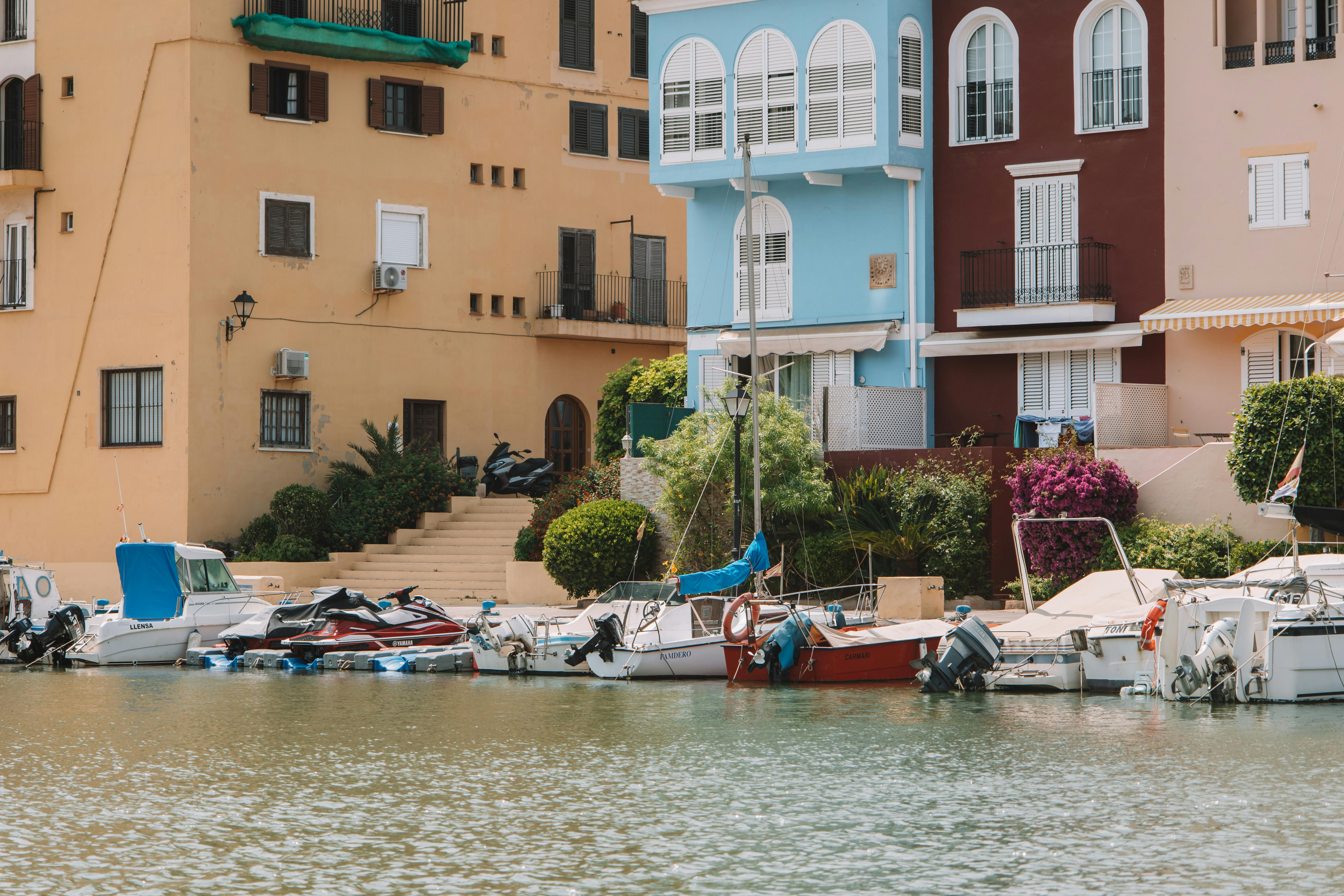
Valencia offers one of Spain’s most balanced property markets, combining coastal access, inland affordability, stable demand, and clear legal frameworks for buyers. Oliva and selected inland towns stand out for their lower entry prices, year-round livability, and realistic rental and resale prospects compared with overheated coastal hotspots.
What This Guide Covers and Who It Is For
This guide explains where and why to buy property in Valencia with a specific focus on Oliva and inland locations. It addresses pricing realities, buyer profiles, local demand drivers, and location-specific risks so readers can assess suitability before entering the purchase process.
The content is written for buyers, sellers, investors, landlords, and first-time purchasers who require factual clarity rather than promotional messaging. Each section is structured to function as a standalone answer for research, comparison, or decision-making.
Valencia Property Market Overview
Valencia’s property market is defined by moderate pricing, diverse housing stock, and consistent domestic and international demand. Unlike Madrid or Barcelona, Valencia has avoided extreme price volatility while maintaining liquidity across apartments, townhouses, and villas.
Coastal areas command higher prices due to tourism and second-home demand, while inland municipalities offer significantly lower purchase costs with larger properties and lower ongoing expenses. This creates a two-speed market that rewards buyers who prioritise usability and long-term value over short-term appreciation.
| Factor | Coastal Zones | Inland Zones |
|---|---|---|
| Average Entry Price | Medium to high | Low to medium |
| Buyer Profile | Holiday and lifestyle buyers | Permanent residents and value investors |
| Rental Demand | Seasonal with peaks | Stable long-term demand |
| Price Volatility | Moderate | Low |
For buyers seeking balanced risk and usability, locations that sit between the coast and inland infrastructure—such as Oliva—often provide the most resilient value profile.
Why Buy Property in Oliva
Oliva is a coastal town in southern Valencia province that combines beach access with strong inland connections. Property prices remain lower than neighbouring coastal resorts while offering better year-round livability than purely tourist-driven areas.
The town supports permanent residents, retirees, and remote workers due to its healthcare access, international schools within driving distance, and established expatriate community. This diversity stabilises demand beyond seasonal tourism.
Property types in Oliva range from apartments near the seafront to townhouses in the historic centre and villas on the outskirts. Buyers can select assets aligned with personal use, long-term rental, or mixed strategies without competing in overheated bidding environments.
Key advantages of buying in Oliva include manageable purchase prices, lower municipal taxes compared with larger cities, and proximity to Valencia and Alicante airports. These factors make Oliva particularly suitable for buyers prioritising access, cost control, and exit flexibility.
Best Inland Areas Near Oliva
Inland towns near Oliva offer some of the most affordable property options in Valencia while remaining within practical distance of the coast. These areas appeal to buyers seeking space, privacy, and lower acquisition costs.
Popular inland municipalities include La Font d’en Carròs, Villalonga, and Potrí. These towns provide traditional housing stock, local services, and strong community integration, making them suitable for permanent residence rather than short-term holiday use.
Inland properties typically offer larger floor areas, terraces, and land at prices that would be unattainable closer to the sea. However, buyers must assess access to healthcare, transport links, and resale liquidity before committing.
For investors, inland locations favour long-term rental strategies over holiday lets. Rental yields are often stable but require realistic pricing and tenant-focused property standards.
Property Prices: Oliva vs Inland Valencia
Property prices in Oliva are consistently lower than prime coastal resorts in Valencia but higher than purely inland villages. This pricing gradient reflects access to the sea, services, and year-round demand.
Buyers choosing Oliva typically pay a premium for proximity to the beach and established infrastructure, while inland buyers trade distance for larger properties and lower acquisition costs.
| Location | Apartments | Townhouses | Villas |
|---|---|---|---|
| Oliva (Town & Beach) | Mid-range | Mid-range | Mid to high |
| Nearby Inland Towns | Low | Low to mid | Low to mid |
Price stability in both zones is stronger than speculative markets, but liquidity is higher in Oliva due to broader buyer appeal and easier resale.
Which Locations Suit Which Buyers
Oliva suits buyers seeking flexibility: personal use, resale potential, and mixed rental strategies. Inland areas are better aligned with lifestyle buyers and cost-conscious investors focused on long-term occupancy.
First-time international buyers often prefer Oliva due to accessibility, existing expatriate networks, and clearer rental demand. Inland purchases require stronger local knowledge and realistic exit planning.
| Buyer Type | Best Fit | Reason |
|---|---|---|
| Holiday Home Buyer | Oliva | Beach access and seasonal rental demand |
| Permanent Resident | Inland or Oliva town | Lower costs and local services |
| Long-term Investor | Inland towns | Stable tenant demand and lower entry cost |
Rental Demand and Yield Reality
Rental performance in Valencia depends on location and rental strategy rather than headline yields. Oliva supports short- and medium-term rentals, while inland areas rely almost exclusively on long-term tenants.
Seasonal rentals in Oliva can generate higher gross income during peak months but face occupancy gaps and regulatory oversight. Inland rentals deliver lower gross returns but greater consistency and reduced management costs.
Buyers should calculate net yields after taxes, maintenance, community fees, and vacancy periods rather than relying on advertised returns.
Legal and Purchase Process in Valencia
Buying property in Valencia follows a standard Spanish legal process, but local due diligence is critical. Title verification, planning compliance, and outstanding debts must be confirmed before contract exchange.
Inland properties require additional checks for land classification, building permissions, and historical alterations. Failure to verify these elements can limit mortgage access and resale options.
Independent legal representation is essential, particularly for non-resident buyers unfamiliar with municipal planning records and regional regulations.
Common Buyer Mistakes and Expert Warnings
The most common mistake buyers make in Valencia is prioritising price over suitability. Low purchase costs do not guarantee rental demand, resale liquidity, or long-term satisfaction.
Another frequent error is underestimating renovation costs, particularly in inland properties where older housing stock may require structural, electrical, or plumbing upgrades.
Buyers should also avoid assuming that all properties qualify for holiday rentals. Licensing rules vary by municipality and property type, and non-compliance can result in fines or forced cessation.
Financing, Taxes, and Ongoing Costs
Property buyers in Valencia must budget beyond the purchase price to include taxes, notary fees, land registry costs, and legal representation. These transaction costs typically amount to a significant percentage of the property value and apply equally to Oliva and inland municipalities.
Financing is available to residents and non-residents, though loan-to-value ratios and interest terms are more conservative for non-resident buyers. Inland properties may face stricter mortgage conditions due to valuation sensitivity and resale liquidity.
Ongoing ownership costs include annual property tax, waste collection fees, community charges where applicable, utilities, and maintenance. Inland properties may incur lower recurring costs but higher maintenance responsibilities due to age and construction type.
Resale Liquidity and Exit Considerations
Resale liquidity in Valencia varies significantly by micro-location rather than municipality. Properties in Oliva with walkable amenities, parking, and modern layouts tend to sell faster than isolated inland homes, even when priced competitively.
Inland resale markets are thinner and more price-sensitive. Sellers often need to wait longer and accept negotiation-driven pricing, particularly for properties requiring renovation or lacking outdoor space.
Buyers should assess exit scenarios at the time of purchase, including likely buyer profiles, financing eligibility, and regulatory constraints that may affect future demand.
Risk Assessment for Coastal vs Inland Buyers
Coastal-adjacent markets such as Oliva carry lower vacancy risk but higher exposure to regulatory changes affecting holiday rentals. Inland markets face lower regulatory pressure but higher liquidity and demand risk.
Construction quality, legal compliance, and infrastructure access represent the primary risk variables across both segments. Independent inspections and legal verification materially reduce exposure.
Risk-adjusted returns in Valencia favour buyers who align property type, location, and usage strategy rather than those pursuing maximum short-term yield.
Frequently Asked Questions
Is Oliva a good place to buy property for foreigners?
Yes. Oliva is well-suited to foreign buyers due to its accessibility, established expatriate community, and balanced property market that supports both personal use and resale.
Are inland properties in Valencia harder to resell?
Generally yes. Inland properties often take longer to sell due to a smaller buyer pool and higher price sensitivity, particularly for older or remote homes.
Can I rent out my property in Oliva legally?
Rental is permitted, but short-term holiday rentals require municipal licensing and compliance with regional regulations. Not all properties qualify.
Do inland properties qualify for Spanish mortgages?
Many do, but banks apply stricter valuation criteria and lower loan-to-value ratios compared with coastal or urban properties.
What is the main advantage of buying inland near Oliva?
The primary advantage is affordability, offering larger properties and lower entry prices while remaining within driving distance of the coast and services.
Key Takeaways
- Market Balance: Valencia offers stable pricing with clear distinctions between coastal and inland demand.
- Oliva’s Position: Oliva provides a middle ground between affordability and liquidity.
- Inland Value: Inland towns deliver lower entry costs but require longer-term ownership horizons.
- Risk Control: Legal due diligence and exit planning are critical across all locations.
References
- Spanish Property Registry and Land Registry Guidelines
- Valencian Regional Housing and Urban Planning Framework
- Municipal Rental Licensing Regulations – Valencia Province