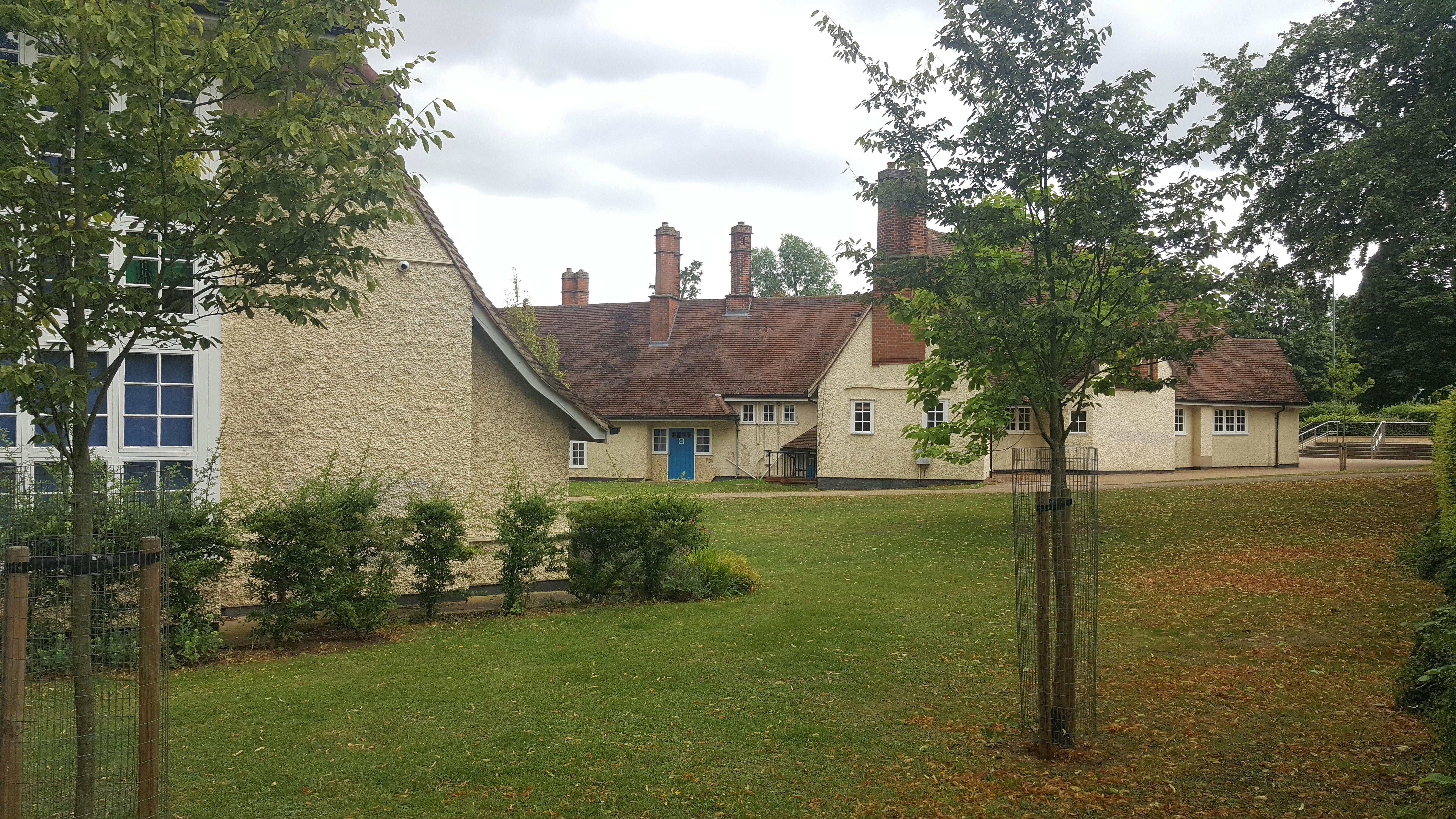
New build properties in Hertfordshire offer buyers modern homes, energy efficiency, and access to one of the UK’s strongest commuter and family housing markets, but they also come with distinct pricing structures, legal considerations, and long-term value factors that differ from period or resale homes. Understanding how new build developments work in this county—from planning policy to developer incentives—is essential before committing.
What Counts as a New Build Property in Hertfordshire?
In Hertfordshire, a new build property is defined as a home that has never been previously occupied and is typically sold directly by a developer or through an agent acting on the developer’s behalf. This includes newly constructed houses, apartments, and sometimes converted buildings that are legally registered as first occupation.
Most new build homes in the county are part of larger residential developments approved under local planning frameworks set by Hertfordshire’s district councils, such as St Albans City & District, East Hertfordshire, Dacorum, and Welwyn Hatfield. These developments often combine private sale homes with affordable housing allocations, shared ownership units, and communal infrastructure.
A key point for buyers is that “new build” does not automatically mean fully completed at the point of reservation. Many Hertfordshire properties are sold off-plan, meaning buyers commit based on floor plans, specifications, and show homes before construction is finished. This affects timelines, mortgage offers, and legal due diligence.
It is also important to distinguish between true new builds and recently refurbished homes. Only properties with a new-build warranty—such as those provided by NHBC, LABC, or Premier Guarantee—qualify as new builds for mortgage and legal purposes.
Why Buyers Choose New Build Homes in Hertfordshire
Buyers choose new build properties in Hertfordshire primarily for predictability, efficiency, and location. Compared to older housing stock, new builds offer clearer running costs, modern layouts, and compliance with current building regulations, which is particularly relevant in a county with high commuter demand.
Energy efficiency is one of the strongest practical advantages. Most new build homes in Hertfordshire are constructed to meet or exceed current insulation and heating standards, resulting in lower energy bills and higher EPC ratings than Victorian or mid-20th-century homes common in the area.
From a lifestyle perspective, new developments often include features that reflect current buyer priorities: open-plan kitchens, dedicated home-working space, off-street parking, electric vehicle charging points, and landscaped communal areas. These features are increasingly expected by both owner-occupiers and tenants.
For investors and landlords, Hertfordshire new builds attract consistent tenant demand due to proximity to London, major employment hubs, and strong schools. Areas near fast rail links—such as St Albans, Watford, and Broxbourne—are particularly attractive for rental yields that balance stability with long-term capital growth.
However, buyers should be aware that new build properties often carry a price premium compared to equivalent resale homes. This premium reflects developer costs, warranties, and incentives rather than guaranteed future appreciation. Understanding this trade-off is essential before proceeding.
Key New Build Locations Across Hertfordshire
New build activity in Hertfordshire is not evenly distributed. Development tends to concentrate in areas where transport connectivity, local planning policy, and housing targets align. Buyers should assess locations individually rather than treating the county as a single market.
St Albans remains one of the most sought-after areas for new build homes, driven by fast rail services to London St Pancras and a strong reputation for schools. Supply here is limited, so new developments are often smaller and priced at a premium.
Watford and Hemel Hempstead see higher-density apartment schemes, particularly near stations and town centres. These locations appeal to first-time buyers and investors seeking relative affordability compared to inner London while retaining commuter convenience.
Welwyn Garden City and Hatfield continue to attract large-scale regeneration and new housing projects, supported by employment centres and established infrastructure. These areas often provide better value per square foot than St Albans, with a broader range of property types.
Rural and semi-rural districts such as East Hertfordshire and North Hertfordshire tend to offer smaller developments, often focused on family housing. While transport links may be less direct, these locations appeal to buyers prioritising space and long-term residence.
How New Build Pricing Works in Hertfordshire
New build prices in Hertfordshire are typically set by developers based on land acquisition costs, planning obligations, build expenses, and local demand rather than direct comparison with second-hand homes. As a result, new builds often command a measurable premium over similar resale properties in the same postcode.
This premium is most visible in high-demand commuter areas such as St Albans, Harpenden, and parts of Watford, where limited land supply pushes developers to maximise value per unit. In contrast, larger schemes in Hemel Hempstead, Hatfield, and Stevenage may offer more competitive pricing due to scale and phased releases.
| Area Type | Price vs Resale Homes | Buyer Profile |
|---|---|---|
| Prime commuter towns | 5–15% premium | Professionals, families |
| Urban regeneration areas | Comparable or slightly higher | First-time buyers, investors |
| Edge-of-town developments | Variable | Long-term owner-occupiers |
Buyers should understand that initial pricing is not always fixed. Developers often release homes in phases, increasing prices as plots sell. Early reservation can reduce headline cost, but it also increases exposure to construction delays and market changes.
Developer Incentives and What They Really Mean
Developer incentives are common across Hertfordshire new build developments and are designed to maintain headline prices rather than reduce them. These incentives can materially affect buyer costs but should be assessed carefully.
Typical incentives include contributions toward stamp duty, upgraded fixtures, flooring packages, or mortgage payment support. While these offers can reduce upfront expenses, lenders often take incentives into account when valuing the property.
For buyers relying on high loan-to-value mortgages, excessive incentives can create valuation gaps, where the lender’s valuation comes in below the agreed purchase price. This can require additional cash from the buyer or renegotiation with the developer.
A practical approach is to treat incentives as cost-offsets rather than discounts. Buyers should always focus on the net price and long-term affordability rather than short-term savings.
The Legal Process for Buying a New Build in Hertfordshire
The legal process for new build purchases in Hertfordshire differs significantly from buying an existing home. Buyers are usually required to exchange contracts within 28 days of reserving a plot, often before construction is complete.
At exchange, the buyer commits to the purchase and pays a deposit—commonly 10%—based on plans and specifications rather than a finished property. Completion then occurs once the home is built and signed off by building control.
Key legal checks include planning permission compliance, adoption of roads and drainage, new build warranty coverage, and long-stop completion dates. A long-stop date protects the buyer if construction is significantly delayed.
Because Hertfordshire developments often involve complex planning conditions or shared infrastructure, using a solicitor experienced in new build transactions is essential. Standard conveyancing timelines rarely apply.
Financial and Mortgage Considerations
Financing a new build property in Hertfordshire requires careful timing. Most mortgage offers are valid for a limited period, while construction schedules can extend well beyond that window.
Some lenders offer extended mortgage offers specifically for new builds, but buyers should budget for the possibility of reapplication. Changes in interest rates or personal circumstances can affect affordability at completion.
Buyers should also factor in additional costs such as service charges for apartments, estate management fees for houses on private developments, and council tax banding, which may be estimated rather than confirmed at purchase.
Common Buyer Mistakes with Hertfordshire New Builds
One of the most common mistakes buyers make is assuming that a new build requires less scrutiny than an older home. In reality, issues such as snagging, unfinished communal areas, and delayed infrastructure are frequent.
Another frequent error is overlooking resale and rental considerations. Some new build estates have restrictive covenants, parking limitations, or high service charges that affect future marketability.
Finally, buyers often underestimate the importance of independent professional advice. Relying solely on developer-appointed solicitors or sales staff increases risk, particularly in high-value Hertfordshire markets.
Long-Term Value and Resale Performance
New build properties in Hertfordshire do not follow a uniform resale trajectory. While the county benefits from long-term housing demand driven by London proximity, education quality, and employment access, individual developments perform differently over time.
In the first few years after completion, new build homes may experience slower price growth compared to established housing stock. This is largely due to the initial “new build premium” being absorbed once the property enters the resale market. Buyers should view this as a normal market adjustment rather than a loss in value.
Over the medium to long term, location and development quality become the dominant factors. Homes near mainline stations, town centres, or strong school catchments tend to perform consistently, while poorly connected estates or developments with high management charges may underperform.
For investors, rental demand is typically strongest in areas such as Watford, St Albans, and Welwyn Garden City, where tenants value modern specification and predictable running costs. However, yield expectations should be balanced against service charges and future maintenance responsibilities once warranties expire.
Snagging, Warranties, and Aftercare
All reputable new build homes in Hertfordshire are sold with a structural warranty, typically lasting 10 years. These warranties provide limited protection, but they do not replace the need for thorough inspection at completion.
Snagging refers to minor defects or unfinished items, such as uneven flooring, paint issues, or faulty fittings. Buyers are responsible for identifying these issues, usually within a defined reporting period after completion.
Commissioning an independent snagging inspection before or shortly after completion is a practical step, particularly on larger developments where build consistency can vary between plots.
Aftercare standards differ significantly between developers. Buyers should clarify how defects are reported, expected response times, and whether unresolved issues can be escalated under the warranty provider’s dispute process.
Who New Build Properties in Hertfordshire Are Best Suited For
New build homes in Hertfordshire are best suited to buyers who prioritise certainty, efficiency, and lower short-term maintenance over character or renovation potential.
First-time buyers often benefit from modern layouts, predictable costs, and lender familiarity with large developments. Families may value energy efficiency, parking provision, and proximity to newly planned schools or amenities.
Investors and landlords should focus on transport connectivity, realistic rental demand, and exit flexibility rather than headline incentives. New builds can form part of a balanced portfolio, but they are rarely short-term gain assets.
Buyers seeking immediate equity growth or unique architectural features may find better alignment with period or resale properties elsewhere in the county.
Frequently Asked Questions
Are new build properties in Hertfordshire more expensive than older homes?
Yes, new build homes typically carry a price premium compared to similar resale properties, reflecting build costs, warranties, and developer pricing strategies rather than guaranteed future value.
Is it safe to buy a new build property off-plan?
Buying off-plan is common in Hertfordshire and can be safe if legal protections, long-stop dates, and warranty coverage are in place. Buyers should understand timelines and financial exposure before exchanging contracts.
Do new build homes in Hertfordshire hold their value?
Long-term value depends on location, transport links, and development quality. Initial price adjustments are common, but well-located homes tend to perform in line with the wider Hertfordshire market over time.
What additional costs should buyers expect with new builds?
Common additional costs include service charges, estate management fees, council tax estimates, and potential mortgage reapplication costs if construction is delayed.
Can I negotiate the price of a new build?
Direct price reductions are less common, but buyers may be able to negotiate incentives or upgrades, particularly on later phases or remaining plots.
Key Takeaways
- New build pricing: Often includes a premium that may adjust after initial resale.
- Location matters: Transport links and local infrastructure drive long-term performance.
- Legal timing: Buyers usually exchange contracts before completion, increasing commitment risk.
- Costs extend beyond purchase: Service charges and management fees affect affordability.
- Best suited buyers: Those prioritising efficiency, predictability, and modern living.
References
- UK Government – Planning and Housing Policy Guidance
- NHBC – New Build Warranty Standards
- Office for National Statistics – UK House Price Data
- Local Authority Planning Frameworks, Hertfordshire District Councils