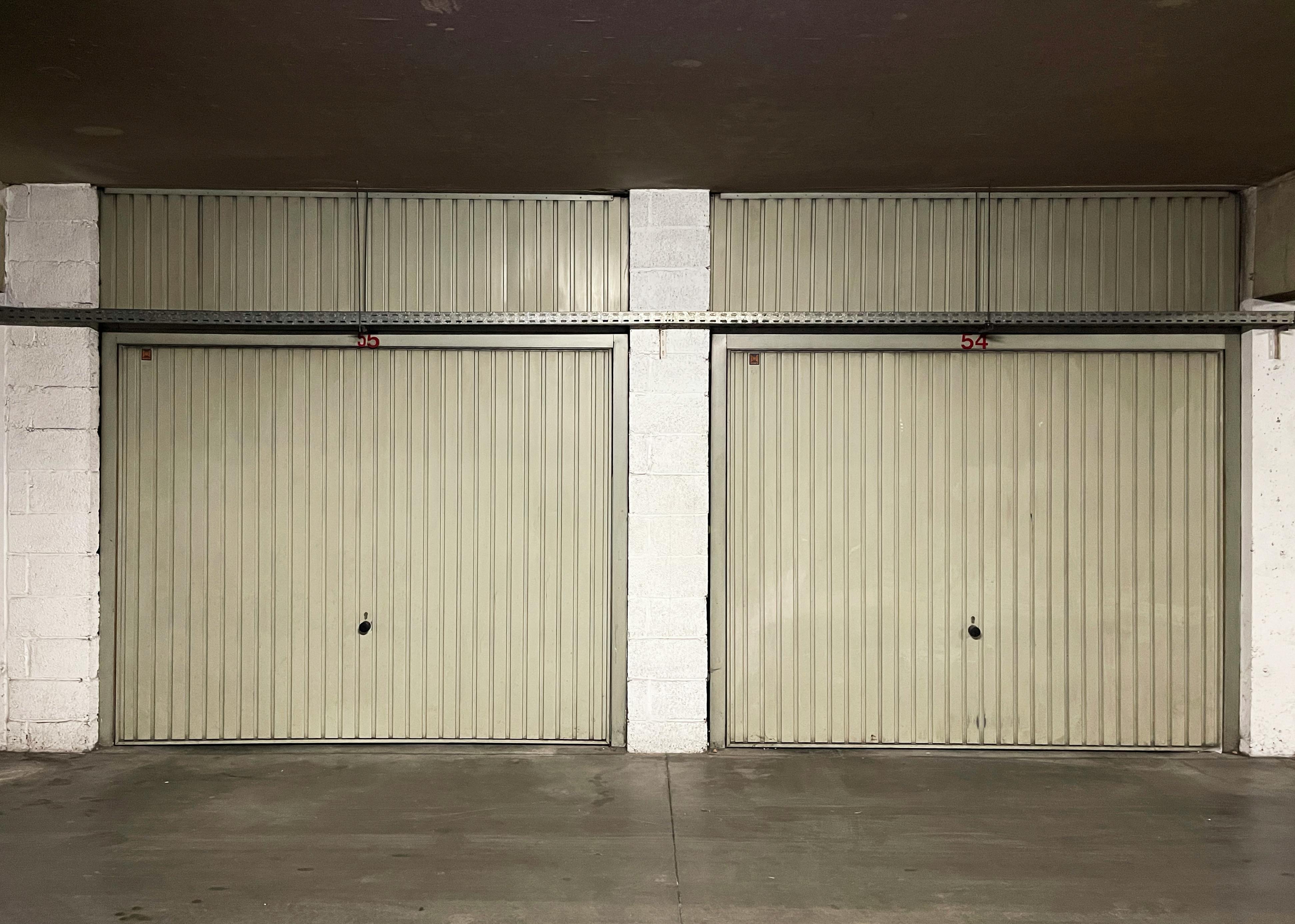
Homes with a garage in Sheffield offer measurable advantages for families and long-term buyers: secure off-street parking, additional storage, potential for conversion, and stronger resale resilience in areas where on-street space is limited. In many Sheffield neighbourhoods, a private garage combined with a garden increases practicality, improves day-to-day convenience, and can widen the future buyer pool.
This guide explains what buyers, sellers, and investors need to know about family homes with garages in Sheffield — including pricing patterns, location differences, layout considerations, and long-term value implications. Each section answers a specific, real-world question so you can make informed decisions based on evidence rather than assumptions.
Why Are Homes with Garages in Sheffield in High Demand?
Homes with garages in Sheffield are in sustained demand because they solve three common urban challenges: parking pressure, storage constraints, and long-term adaptability. As household car ownership remains steady and streets in established neighbourhoods were not designed for modern vehicle volumes, secure off-street space has become a practical necessity rather than a luxury.
How Does parking pressure Influence Demand?
In many residential districts close to transport links, schools, and local amenities, on-street parking can be limited or highly competitive. A private garage removes uncertainty. Buyers prioritise properties where parking is guaranteed, particularly households with more than one vehicle or those working irregular hours.
For families, a garage reduces daily friction: no searching for space, no exposure to weather when unloading children or shopping, and lower risk of vehicle damage. These practical factors directly influence purchasing decisions.
Does a Garage Improve long-Term Resale Appeal?
Yes. A garage typically broadens the resale market because it appeals to multiple buyer profiles:
- Families requiring storage for bikes, prams, and equipment
- Professionals commuting by car
- Electric vehicle owners seeking charging installation
- Buyers planning future conversion into living space
Properties without off-street parking may still sell well in prime areas, but those with garages often attract stronger early interest and reduced negotiation pressure when priced correctly.
Is a Garage Purely About Parking?
No. In Sheffield’s family housing market, garages frequently function as flexible space. They are used as workshops, home gyms, utility extensions, storage zones, or — subject to regulations — future habitable rooms. This adaptability supports long-term ownership planning, which increases buyer confidence.
Where Can You Find Family Homes with Garages in Sheffield?
Family homes with garages are most commonly found in suburban and edge-of-city neighbourhoods developed from the mid-20th century onwards. These areas were designed with driveways and integrated garages, making them structurally better suited to modern parking needs.
Which Areas are known for Garage-Equipped Homes?
While availability varies by street, the following areas frequently include detached and semi-detached homes with garages and gardens:
| Area Type | Typical Property Style | Garage Availability | Buyer Profile |
|---|---|---|---|
| Outer Suburbs | Detached & large semi-detached | High | Families upgrading space |
| Established Residential Estates | 1970s–1990s builds | Moderate to High | Mid-market buyers |
| Inner Residential Zones | Victorian & Edwardian homes | Low to Moderate | Professionals & investors |
| Newer Developments | Modern detached & townhouses | Varies (driveway-focused) | First-time buyers & families |
Victorian terraces closer to the city centre often lack original garages. Where garages exist in these areas, they may be rear-access or part of later additions. Buyers should verify ownership boundaries and access rights.
Do Garages Affect Pricing by Location?
Yes. In suburban districts where most homes include driveways, the value uplift of a garage may be moderate. In streets where off-street parking is scarce, a garage can command a more noticeable premium.
Price Impact Depends On:
- Ease of access (wide driveway vs narrow lane)
- Whether the garage is integral or detached
- Condition of structure and roof
- Ability to accommodate modern vehicle sizes
A single narrow garage that cannot fit contemporary vehicles may hold more storage value than parking value, which affects pricing assumptions.
What Types of Homes in Sheffield Typically Include Garages?
Garages in Sheffield are most commonly found in detached houses, larger semi-detached properties, and certain townhouse developments. The garage configuration significantly influences both usability and value.
What are the Main Garage Configurations?
| Garage Type | Description | Advantages | Considerations |
|---|---|---|---|
| Integral Garage | Built into the main structure of the house | Internal access, strong conversion potential | May reduce ground-floor living width |
| Attached Garage | Connected but structurally separate | Good storage flexibility | Access layout varies |
| Detached Garage | Separate building within garden or driveway | Minimal impact on internal layout | External access only |
| Garage Block | Separate communal row of garages | Lower purchase cost | Title clarity essential |
Which Configuration Is Best For Families?
For long-term family living, integral or attached garages typically offer the most flexibility. They allow sheltered access, easier EV charger installation, and more straightforward future conversion if required.
Detached garages may appeal where garden size remains generous and internal floor area is prioritised. However, buyers should assess structural condition, roofing materials, and access width carefully.
Do Gardens Increase The Value Alongside Garages?
Yes. In Sheffield’s family housing market, the combination of a garage and a usable private garden is particularly attractive. Gardens add lifestyle value — space for children, pets, or outdoor dining — while garages provide practical storage and parking. Together, they create a balanced offer that appeals to mid- and upper-market family buyers.
Properties offering both features tend to perform more consistently across market cycles because they meet long-term household needs rather than short-term trends.
How Much Do Homes with Garages in Sheffield Cost?
Homes with garages in Sheffield typically command a measurable premium compared to comparable properties without off-street parking. The uplift varies depending on location, property type, and garage usability, but it is consistently recognised in valuation assessments.
What is the typical price premium?
While no fixed percentage applies across all neighbourhoods, estate-level comparisons indicate:
| Property Context | Garage Impact | Why It Matters |
|---|---|---|
| Suburban Detached Homes | Moderate uplift | Garages expected but still valued |
| Semi-Detached in Competitive Streets | Noticeable uplift | Parking scarcity increases appeal |
| Inner-City Period Homes | High relative uplift | Off-street parking uncommon |
| Modern Developments | Varies | Driveway alternatives reduce exclusivity |
Garages that cannot accommodate modern vehicles may hold limited parking value but still provide storage utility. Valuation should consider door width, internal depth, and driveway access rather than simply presence.
Do Garages Affect Time On Market?
Yes. In balanced or slower markets, properties with garages often experience stronger early viewing activity. Families prioritising practicality filter listings by parking availability, which narrows competition.
However, overpricing based solely on the existence of a garage can delay sale. Market-aligned pricing remains essential.
What Legal Checks Are Required When Buying a Home with a Garage?
Legal due diligence for homes with garages must confirm ownership boundaries, access rights, and planning compliance. Detached garages and garage blocks require particular scrutiny.
What Should Buyers Verify?
- That the garage is included within the registered title plan.
- Rights of way over shared driveways or access lanes.
- Any restrictive covenants limiting alterations or business use.
- Service charge obligations if part of a communal block.
- Planning conditions attached to the original development.
Mortgage lenders may request confirmation that access is legally protected. Informal historic arrangements without documentation can create complications at resale.
Are Building Regulations Relevant?
If structural changes have been made — such as partial conversion, electrical installation, or roof replacement — evidence of building control approval may be required. Buyers should request documentation during conveyancing.
Can You Convert a Garage in Sheffield?
Many garages in Sheffield can be converted into habitable space, subject to planning rules and building regulations. Conversion potential is strongest in integral and attached garages with sufficient ceiling height and structural integrity.
Is planning permission required?
Garage conversion often falls under permitted development, but permission may be required if:
- The property is in a conservation area.
- There are conditions attached to the original planning consent.
- The conversion alters the external appearance significantly.
What Are Common Conversion Risks?
- Loss of valuable parking in high-demand streets.
- Insufficient insulation or damp proofing.
- Floor level differences requiring structural work.
- Reduced resale appeal if off-street parking becomes limited.
Before proceeding, owners should assess whether the added internal space outweighs the long-term value of retained parking.
Are Homes with Garages a Good Investment in Sheffield?
Homes with garages tend to show steady demand across buyer cycles because they meet practical household needs. For investors and landlords, the impact depends on tenant profile and neighbourhood characteristics.
Do Garages Improve Rental Performance?
In family-oriented suburbs, garages can support stronger tenant retention and reduce void periods. In central rental markets dominated by smaller households, storage value may be more important than vehicle use.
Rental uplift should be assessed realistically. The capital premium paid for a garage does not always translate proportionally into rental income, but it may contribute to overall asset stability.
Are Garages Future-Proof?
Garages provide flexibility. They can support electric vehicle charging, home-based business storage, or future adaptation. Properties that offer adaptable space generally perform more consistently during changing market conditions.
What Mistakes Do Buyers Make When Purchasing a Home with a Garage?
Buyers often assume that any garage automatically adds full parking value. In practice, usability, legal clarity, and condition determine real benefit. Failing to assess these factors can affect both enjoyment and resale performance.
Overestimating Vehicle Compatibility
Many older garages were built for smaller vehicles. Buyers should measure internal width, depth, and door clearance before relying on the space for modern cars or SUVs.
Ignoring Structural Condition
Flat roofs, timber doors, and older concrete panels may require repair or replacement. A garage in poor condition can reduce overall property appeal rather than enhance it.
Failing To Verify Legal Access
Detached or rear-lane garages must have documented access rights. Informal arrangements between neighbours can create complications during resale or refinancing.
Converting Without long-Term Consideration
Removing parking in areas where it is limited may narrow the future buyer pool. Buyers should consider neighbourhood demand before planning structural changes.
What Are the Ongoing Maintenance Costs of a Garage?
Garage maintenance costs are typically lower than main dwelling costs but should not be overlooked. Proactive upkeep protects both structural integrity and property value.
| Component | Common Issue | Why It Matters |
|---|---|---|
| Roof | Water ingress in flat roofs | Prevents structural damage and damp spread |
| Door Mechanism | Wear in rollers or motors | Ensures security and ease of access |
| Flooring | Cracking concrete slabs | Maintains load-bearing capacity |
| Electrical Installation | Outdated wiring | Safety compliance and EV readiness |
Regular inspection reduces the likelihood of larger structural costs later. For investment properties, documented maintenance can also support asset valuation.
How Should Sellers Market a Home with a Garage in Sheffield?
Sellers should present a garage as a functional asset rather than a secondary feature. Clear dimensions, photographs showing usability, and evidence of structural condition improve buyer confidence.
What Details Should be Included In Listings?
- Internal measurements (width, depth, height)
- Driveway length and access width
- Power supply or EV charging readiness
- Any recent roof or door upgrades
Where the garage offers conversion potential, this should be presented factually without implying guaranteed planning approval. Transparency strengthens negotiation position.
Frequently Asked Questions
Do Homes With Garages Sell Faster in Sheffield?
In many suburban areas, yes. Properties offering secure off-street parking often attract stronger initial interest, particularly from families and multi-vehicle households.
Is a Detached Garage Less Valuable Than An Integral Garage?
Not necessarily. Value depends on accessibility, condition, and adaptability. Integral garages may offer easier conversion, while detached garages preserve internal floor space.
Can I Install An EV Charger In My Garage?
Yes, subject to electrical capacity and compliance with safety standards. Professional installation is required, and older wiring may need upgrading.
Does Removing a Garage Reduce Property Value?
In areas with limited parking, removing a garage can narrow the buyer pool and affect resale value. Local demand should be assessed before conversion.
Key Takeaways
- Practical Demand: Garages in Sheffield address parking pressure, storage needs, and long-term adaptability.
- Location Matters: Value uplift is stronger where off-street parking is scarce.
- Usability Counts: Size, access, and structural condition determine real benefit.
- Legal Clarity Is Essential: Title inclusion and access rights must be verified.
- Balanced Presentation: Sellers should market garages with accurate measurements and documented condition.
References
- UK planning guidance on permitted development rights
- Residential property valuation principles (RICS framework)
- UK building regulations for structural alterations