Holkham Beach is one of the most tightly controlled and consistently resilient coastal property markets in England, shaped by estate ownership, strict planning policy, and sustained demand from lifestyle buyers and long-term investors. Property opportunities here are limited, values are underpinned by scarcity rather than speculation, and purchase decisions require a clear understanding of local constraints, ownership structures, and realistic yield expectations.
What defines the Holkham Beach property market?
The Holkham Beach property market is defined by extreme supply constraints, estate-led land control, and conservation-driven planning restrictions rather than volume turnover or short-term price cycles. Unlike open coastal markets where new-builds and conversions regularly add stock, Holkham’s surrounding areas see very few properties come to market each year.
Holkham Beach itself sits within the Holkham National Nature Reserve and the Holkham Estate, which means direct beachfront ownership is virtually nonexistent. Most residential property interest is therefore concentrated in nearby villages such as Wells-next-the-Sea, Burnham Overy Staithe, Burnham Market, and Holkham village itself, where estate influence still shapes development scale and architectural consistency.
From a buyer or investor perspective, this creates a market where price stability is driven by rarity rather than affordability. Properties are not priced to attract demand; demand already exists and often exceeds supply. As a result, time-on-market can be short for correctly priced homes, while over-ambitious listings may simply wait until the right buyer emerges rather than reducing sharply.
Investors should note that this is not a high-yield coastal market in the traditional sense. Gross yields are typically modest due to high capital values, but risk-adjusted returns are supported by strong occupancy, premium short-let rates, and long-term capital preservation. Buyers motivated purely by yield compression may find better performance elsewhere, while those prioritising capital security and lifestyle alignment tend to perform better here.
Where is Holkham Beach and what is it like to live near?
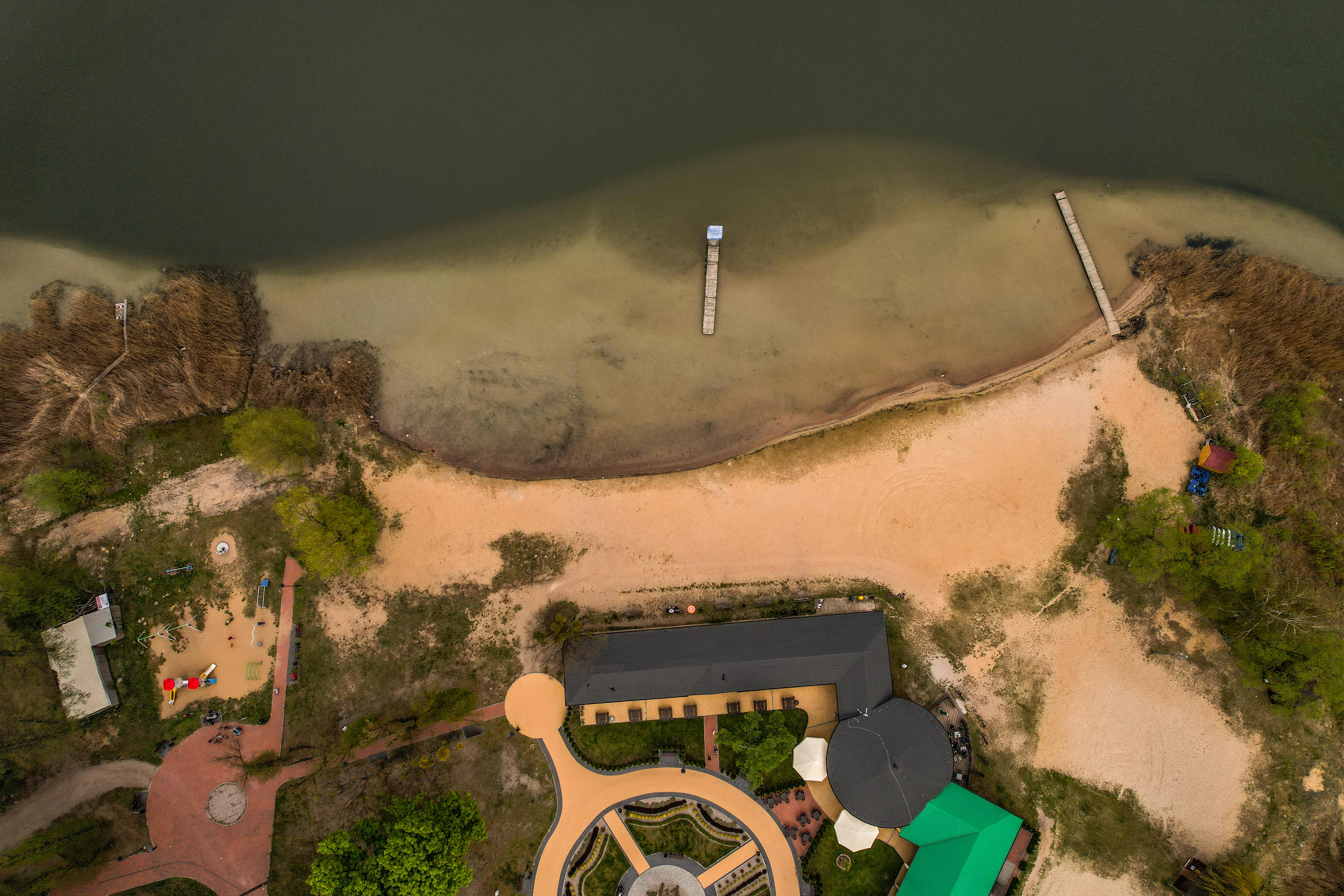
Holkham Beach is located on the North Norfolk coast, approximately two miles west of Wells-next-the-Sea, within one of the largest remaining unspoilt coastal landscapes in England. The beach forms part of a wider estate that includes pinewoods, salt marshes, dunes, and agricultural land, all managed under long-term conservation principles.
Living near Holkham Beach is defined by environmental quality rather than urban convenience. The immediate area offers limited retail, healthcare, and transport infrastructure, with most residents relying on Wells-next-the-Sea, Burnham Market, and Fakenham for day-to-day services. This relative remoteness is not a drawback for the target market; it is a core part of the area’s appeal.
The character of nearby villages is tightly protected. Building heights are low, architectural styles are traditional, and modern interventions are typically subtle and estate-approved. This creates visual consistency but also means that buyers seeking contemporary design, large-scale extensions, or redevelopment potential may face significant limitations.
Seasonal population shifts are an important consideration. Summer months bring high visitor numbers, increased traffic, and strong short-let demand, while winter months are quieter and more community-focused. Buyers planning full-time occupation should factor in reduced off-season services and transport frequency, whereas investors must plan for seasonal cash flow patterns rather than uniform annual returns.
Why is demand for property near Holkham Beach so strong?
Demand for property near Holkham Beach is driven by a combination of environmental scarcity, estate stewardship, and long-term lifestyle migration rather than short-term market trends. Buyers are not choosing Holkham as an alternative; they are choosing it specifically, often after extended periods of searching along the North Norfolk coast.
A significant proportion of demand comes from cash buyers and equity-rich households relocating from London, Cambridge, and the South East. This reduces sensitivity to interest rate fluctuations and contributes to price resilience during wider market slowdowns. Mortgage-dependent first-time buyers are present but make up a smaller share of successful transactions due to entry price levels and competition.
Investors are typically motivated by three factors: limited future supply, consistently high-quality tourism demand, and the reputational strength of the Holkham Estate as a long-term landowner. Short-term holiday letting remains the dominant investment strategy, with family-sized cottages and character homes performing best. However, regulatory awareness is essential, as local authorities closely monitor change-of-use, occupancy conditions, and environmental impact.
Importantly, demand is not uniform across all property types. Homes with parking, outdoor space, and walkable access to coastal paths command a premium, while properties requiring extensive modernisation or offering limited flexibility may see narrower buyer pools. Understanding these micro-preferences is critical when assessing both purchase price and exit liquidity.
What types of property are available near Holkham Beach?
Property availability near Holkham Beach is narrow in scope and dominated by traditional housing stock rather than new development. Buyers should expect cottages, period houses, converted farm buildings, and a limited number of purpose-built coastal homes, most of which sit within villages rather than directly on the shoreline.
The most commonly transacted properties are two- and three-bedroom cottages, often dating from the 18th or 19th century. These appeal strongly to second-home buyers and short-let investors due to their character, manageable size, and proximity to coastal paths. Larger detached houses exist but are significantly rarer and often held within families for long periods.
Modern apartments are scarce, and where they do exist, they are usually located in Wells-next-the-Sea rather than closer to Holkham itself. Leasehold structures, service charges, and occupancy clauses should be reviewed carefully, as some developments impose restrictions on holiday letting or full-time occupation.
Buyers seeking development potential should proceed cautiously. Subdivision, extensions, and material alterations are frequently restricted by conservation designations, estate covenants, and local planning policy. Properties marketed with “scope to extend” often offer limited practical flexibility once regulatory constraints are applied.
How much does property near Holkham Beach cost?
Property prices near Holkham Beach sit at the upper end of the North Norfolk coastal market and are primarily driven by scarcity, proximity to the coast, and village-specific desirability rather than internal specification alone. Entry prices remain high relative to inland Norfolk, even during broader market corrections.
| Property Type | Typical Price Range | Buyer Profile |
|---|---|---|
| 2-bed period cottage | £475,000 – £650,000 | Second-home buyers, short-let investors |
| 3-bed village house | £650,000 – £900,000 | Families, lifestyle relocators |
| Detached coastal house | £1,000,000+ | Cash buyers, long-term holders |
| Apartment (Wells area) | £350,000 – £550,000 | Downsizers, low-maintenance buyers |
Pricing premiums are most pronounced for properties within walking distance of the beach or with uninterrupted views across marshland. Conversely, homes that require extensive renovation may still command high prices due to land scarcity, but buyers should budget carefully for restoration costs, which are often higher in conservation areas.
Unlike volume markets, price reductions are not a reliable indicator of overvaluation. Sellers are often prepared to wait for the right buyer rather than adjust expectations, particularly if the property has been held long-term or is not debt-financed.
What returns can investors realistically expect?
Investors near Holkham Beach should prioritise total return and capital preservation over headline yield. Gross rental yields are typically lower than national averages, but net returns are supported by premium weekly rates, high peak-season occupancy, and limited competition.
Short-term holiday letting is the dominant strategy. Well-located cottages can achieve strong summer income, often generating a disproportionate share of annual revenue within a 12–16 week peak window. Off-season demand exists but is weather- and pricing-sensitive, making professional pricing management essential.
Long-term residential letting is less common and often less attractive due to tenant affordability constraints and alternative short-let income potential. Where long-term lets are used, they are typically part of a mixed-use strategy or driven by personal circumstances rather than yield optimisation.
Investors should factor in higher-than-average running costs, including maintenance of older buildings, compliance with holiday-let regulations, insurance premiums in coastal environments, and professional management fees. These costs materially affect net performance and should be modelled conservatively.
What legal and planning restrictions apply?
Legal and planning considerations are central to any property decision near Holkham Beach. Much of the surrounding area falls within conservation zones, Areas of Outstanding Natural Beauty, or estate-controlled land, all of which impose additional layers of oversight.
Planning permission for extensions, material alterations, or change of use is often more restrictive than in standard residential areas. Buyers should not rely on precedent alone; permissions granted nearby do not guarantee similar outcomes, particularly where environmental impact or visual intrusion is a concern.
Holiday letting may be subject to occupancy conditions, council tax classification changes, or future regulatory tightening. Due diligence should include a review of title restrictions, historic planning consents, and local authority policy direction rather than relying solely on agent guidance.
Legal conveyancing timelines can be longer than average due to title complexity, historic covenants, and additional searches. Engaging solicitors with specific coastal and estate experience reduces transaction risk and post-completion surprises.
What mistakes do buyers and investors commonly make?
One of the most common mistakes is underestimating regulatory constraints. Buyers often assume that cosmetic or structural changes will be straightforward, only to encounter planning refusals or estate objections that materially affect usability and value.
Another frequent error is overestimating year-round rental demand. While summer performance is strong, winter occupancy can be uneven, and pricing must adjust accordingly. Investors who model flat monthly income often face cash flow pressure outside peak season.
Buyers also sometimes prioritise proximity to the beach without considering access, parking, or exposure to coastal conditions. Salt air, wind exposure, and drainage issues can significantly increase maintenance requirements over time.
Finally, failing to plan an exit strategy is a recurring issue. Liquidity is strong for high-quality, well-located properties, but niche or heavily altered homes may appeal to a narrower market, extending resale timelines.
Who should consider buying near Holkham Beach?
Property near Holkham Beach is best suited to buyers who prioritise long-term value stability, environmental quality, and lifestyle alignment over short-term financial optimisation. This is not a speculative market designed for rapid turnover or aggressive leverage.
Lifestyle buyers and second-home owners typically gain the most from ownership, particularly those seeking predictable surroundings, protected views, and minimal risk of overdevelopment. The estate-led planning environment ensures that the character buyers purchase into is unlikely to change materially over time.
Investors with patient capital and a focus on capital preservation rather than yield maximisation are also well-aligned. Those comfortable with seasonal income patterns, higher maintenance obligations, and tighter regulatory oversight tend to perform more consistently than yield-driven entrants.
First-time buyers and affordability-led purchasers may find the market challenging unless they are targeting smaller apartments or peripheral villages. Entry pricing and competition from cash buyers can limit flexibility, making this a selective rather than broad-access market.
What due diligence is essential before buying?
Due diligence near Holkham Beach must extend beyond standard conveyancing checks. Buyers should assume that planning, title, and usage constraints are more complex than in typical residential markets.
A full review of historic planning permissions is essential, particularly for properties that have been extended, converted, or adapted for holiday letting. Any informal arrangements or undocumented changes can create enforcement risk or limit future resale options.
Environmental considerations should be assessed early. Coastal exposure, drainage performance, flood risk classification, and long-term maintenance requirements materially affect running costs and insurability. Standard surveys may not sufficiently address these factors without coastal-specific expertise.
Buyers considering holiday letting should also review local authority policy direction, council tax treatment, and any occupancy conditions attached to the property. These factors influence both net income and long-term strategy flexibility.
What is the long-term outlook for Holkham Beach property?
The long-term outlook for property near Holkham Beach is anchored by structural supply limitations rather than cyclical demand trends. Estate control, environmental protections, and planning restraint significantly reduce the likelihood of material housing expansion.
Demand drivers are also durable. Demographic shifts towards lifestyle relocation, sustained domestic tourism, and the increasing value placed on protected natural environments support continued buyer interest, even during broader housing market slowdowns.
While short-term price volatility is possible during economic corrections, historic performance suggests that high-quality coastal property in tightly controlled locations recovers faster than volume markets. Liquidity remains strongest for well-maintained, traditionally styled homes with clear usage rights.
Overall, the market favours disciplined buyers with realistic expectations and a long-term holding mindset rather than those seeking rapid capital uplift or operational flexibility.
Frequently Asked Questions
Can you buy property directly on Holkham Beach?
No. Holkham Beach itself is part of the Holkham Estate and National Nature Reserve, meaning private residential ownership directly on the beach is not available. Most properties are located in nearby villages.
Is Holkham Beach property a good investment?
It can be, provided investors prioritise capital preservation and seasonal income over high yields. Strong demand and limited supply support long-term value, but net returns require careful cost management.
Are there restrictions on holiday letting near Holkham Beach?
Yes. Some properties have occupancy conditions or planning limitations. Buyers should verify permitted use through planning records and title documents before purchase.
Do property prices near Holkham Beach fall in market downturns?
Prices may soften temporarily, but historically the area has shown resilience due to scarcity, cash-heavy buyer profiles, and long-term lifestyle demand.
Is flood risk a concern for Holkham Beach property?
Certain low-lying areas carry elevated flood risk. Buyers should commission detailed environmental and flood assessments rather than relying on generic search results.
Key Takeaways
- Supply is structurally limited: Estate control and conservation policy severely restrict new development.
- Demand is lifestyle-led: Buyers prioritise environment and stability over short-term price movements.
- Returns are seasonal: Holiday letting income is concentrated in peak months, requiring careful cash flow planning.
- Due diligence is critical: Planning, environmental, and title complexities exceed standard residential norms.
- Long-term ownership favours discipline: Best outcomes are achieved by patient, well-informed buyers.
References
- North Norfolk District Council – Local Plan and Planning Policy Documents
- Holkham Estate – Public Estate Management and Conservation Information
- UK Environment Agency – Flood Risk and Coastal Management Data
- HM Land Registry – Property Price and Transaction Records