Guide to Securing a Mortgage with Bad Credit in the UK
Dec 19, 2025

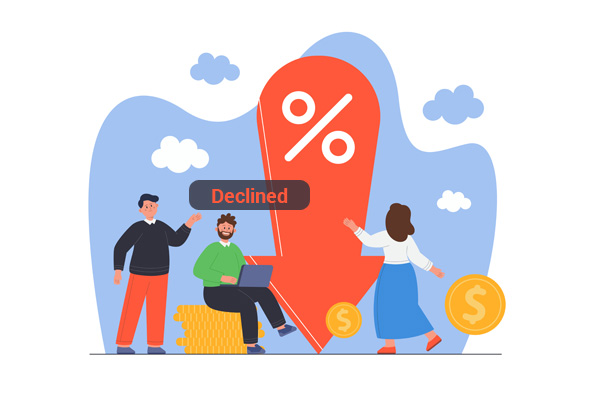
Buying a home is one of life’s biggest milestones, but what happens if your credit history is less than perfect? Many people assume that having bad credit automatically closes the door on homeownership. The truth is more nuanced. In the current UK mortgage industry, where lenders are tighter than before during the financial crisis of 2008, there are still chances for those who are ready to learn the machine, plan well, and even take a slightly different route to ownership.
The purpose of this guide is to help any individual who has experienced credit problems and still has a dream to receive keys to a personal apartment. I will take you through the fundamentals, give some personal thoughts, ask reflective questions, and relate the dots with the wider market realities. If you have defaulted, missed payments, or even had a previous bankruptcy, there is a way out, but it takes tact, time, and experience.
What Does Bad Credit Really Mean in the Mortgage World?
Discussion of bad credit is necessary to step beyond the stigma and be specific. The UK lenders utilise the credit scores of such agencies as Experian, Equifax, and TransUnion. The scores indicate your historical financial behaviour, including the way you managed loans, to whether you have ever missed a mobile phone payment.
Bad credit could mean
- Missed payments on credit cards or loans
- Defaults registered in the last few years
- County Court Judgments (CCJs)
- Individual Voluntary Arrangements (IVAs)
- A history of payday loans
- Bankruptcy
Here’s the key insight: not all bad credit is treated equally. For example, a missed phone bill from three years ago may barely register today, while a recent default on a loan will raise serious red flags.
Reflection:
Have you ever thought about how a single financial mistake lingers longer than a dozen good decisions? That’s how lenders often see it. But the story doesn’t end there; with the right approach, you can make your case.
Why Bad Credit Doesn’t Mean No Mortgage
It’s easy to fall into the trap of believing that only those with perfect scores can own property. Yet, across the UK, thousands of homeowners have managed to secure mortgages despite poor credit histories.
Lenders today are more sophisticated. Rather than rejecting outright, many will assess your full profile: your income, your deposit size, and how recent or severe your credit issues are. Specialist lenders, sometimes called “adverse credit lenders,” exist precisely for this purpose.
For instance, figures from UK Finance in 2024 show that specialist mortgage lending rose steadily over the past three years, fuelled by demand from people who don’t fit the typical borrower profile. It is a symptom of a worldwide trend; more families are having irregular income or credit issues, and loan providers are adjusting.
The Deposit Factor: Why More Means Better
One of the simplest ways to offset bad credit is by increasing your deposit. Think of it from the lender’s perspective. If you’re putting down 30% instead of 5%, their risk falls dramatically.
For example:
- A borrower with excellent credit may get approved with just a 5 to 10% deposit
- A borrower with poor credit might need 15 to 30%
- That is why aggressive saving towards a bigger deposit is a common starting point for those with tremulous credit. Moreover, higher deposits often unlock slightly better interest rates, even with bad credit.
Personal reflection:
I once spoke with a first-time buyer in Birmingham who had two defaults on their file. The bank initially declined them. After they returned six months later with a 25% deposit, they were accepted. Their income hadn’t changed; only their deposit had. That’s how powerful it can be.
Specialist Lenders vs High Street Banks
The big names you see on the high street, Barclays, NatWest, Lloyds, and HSBC, are often the strictest when it comes to bad credit. They have rigid criteria and risk departments that prefer safe bets.
Specialist lenders, however, are more flexible. Firms like Pepper Money, Kensington Mortgages, or Bluestone specialise in adverse credit mortgages. They assess applications more holistically, sometimes even considering explanations for your past financial issues.
Global view: In the US, this would be similar to the subprime lending, but the UK market is more controlled and wary after 2008. Specialised lenders also perform this role in such countries as Australia and Canada. The moral is- mainstream banks can close the door, but niche lenders leave a window open.
Improving Your Chances Before You Apply
Even if your credit history isn’t spotless, you can take steps that will significantly improve your mortgage prospects. Consider these actions:
Check Your Credit Report
Don’t guess. Get a copy of your report from all three UK agencies. Sometimes, errors linger, like a payment marked late that wasn’t. Correcting such mistakes can add vital points to your score.Show Stability
Lenders like consistency. Staying in one job for a few years, being on the electoral roll at your address, and showing a steady income all help.
Clear Small Debts First
Even small outstanding debts can hurt your chances. Paying off store cards or old utility bills demonstrates responsibility.
Avoid Payday Loans
These are seen as a sign of financial distress. If you’ve used them in the past year, it’s often a red flag.
Prepare Documentation
Be ready to show payslips, bank statements, and explanations for past issues. Transparency often wins trust.
Mortgage Brokers: Your Secret Weapon
This is one tip, people miss: employing a mortgage broker, particularly one who has a specialisation in bad credit cases, can be life-changing.
Why? Because brokers know which lenders are open to your profile. Instead of applying blindly and facing rejection after rejection (which further damages your credit), a broker can match you directly with a lender that fits.
A survey by the Intermediary Mortgage Lenders Association found that around 75% of specialist mortgage cases in 2023 were arranged through brokers rather than directly. That says it all.
Expectations Around Rates and Terms
Let’s be brutally honest: with bad credit, you will almost always face higher interest rates. It’s the price of risk.
To illustrate, the average two-year fixed mortgages in the UK may be approximately 5.5% (as of mid-2025), but bad credit mortgages may fall within 6.5-9% depending on the degree of badness.
In addition, lenders might require such conditions as:- Lower loan-to-value ratios
- Shorter initial fixed rate periods
- Higher arrangement fees
But here’s the silver lining: many borrowers use bad credit mortgages as stepping stones. After two or three years of good repayment history, they refinance to mainstream deals at lower rates.
Think of it this way: It’s like paying extra for a ticket into the homeownership club, with the option to move to a better seat later.
Case Studies: Real-Life Stories
To make this more tangible, let me share two anonymised examples I’ve come across:
The Young Couple in Manchester
They had one CCJ each, both about two years old. High street banks refused them. But with a 20% deposit, a specialist lender approved them at a 7% rate. After three years of perfect payments, they remortgaged at 4.8%. Today, they’re homeowners with equity growth.
The Freelancer in London
A self-employed graphic designer with irregular income and past defaults. Mainstream banks wouldn’t touch his case. A broker connected him to a specialist lender who accepted his income evidence and past issues. He paid a higher rate initially but used those years to build credibility.
Those tales emphasise a universal fact:
When you are rejected, this does not mean the end. It implies that the path may be longer and slightly rough, yet it is nevertheless a path.
Global Lessons: How the UK Compares
Globally, the struggle with bad credit is universal, but approaches differ.
- In the US, FHA loans allow buyers with lower scores to access mortgages with government backing
- In Canada, borrowers with bad credit often rely heavily on brokers to access alternative lenders
- In Australia, the market for non-conforming loans is thriving, providing lifelines to those with imperfect histories
The UK occupies the middle between cautious and not closed off. Financial Conduct Authority keeps borrowers safe through regulatory watch, and the range of specialist lenders keeps the door to finance open.
Practical Steps for You Right Now
If you’re reading this and wondering how to start, here’s a simple roadmap:
- Pull your credit reports and study them
- Pay off what you can and fix any errors
- Save as large a deposit as possible
- Avoid new debts and keep your financial footprint clean
- Speak with a mortgage broker who understands bad credit
- Be realistic about rates, think long term
The Emotional Side of Bad Credit and Homeownership
One aspect often overlooked in mortgage discussions is the emotional weight of bad credit. People carry shame, fear, and doubt. Yet, financial mistakes are often circumstantial, a redundancy, an illness, a global crisis like COVID-19.
I want to emphasise this: lenders may see numbers, but your story matters. By preparing to explain your history, not with excuses but with clarity, you humanise the process. And many underwriters do take that into account.
Final Thoughts
Obtaining a bad credit mortgage in the UK is not difficult, although. The trip involves preparation, realistic expectations, and the readiness to reach into specialistic segments of the market.
Ask yourself: Are you willing to save longer for a bigger deposit? Are you prepared to accept a higher rate now for better opportunities later? And most importantly, are you ready to see your past not as a barrier but as a lesson?
Homeownership isn’t reserved for the flawless. Around the world, millions of people with imperfect credit histories become homeowners every year. If they can, why not you?
Hence, when you find yourself sitting there wondering whether it is worth trying, it is. The competition is more difficult, conditions are more rigid, yet the dream is not far away.
About the Author