Cash Property Purchase: Cash Transactions on the Rise in the USA
Jan 20, 2026
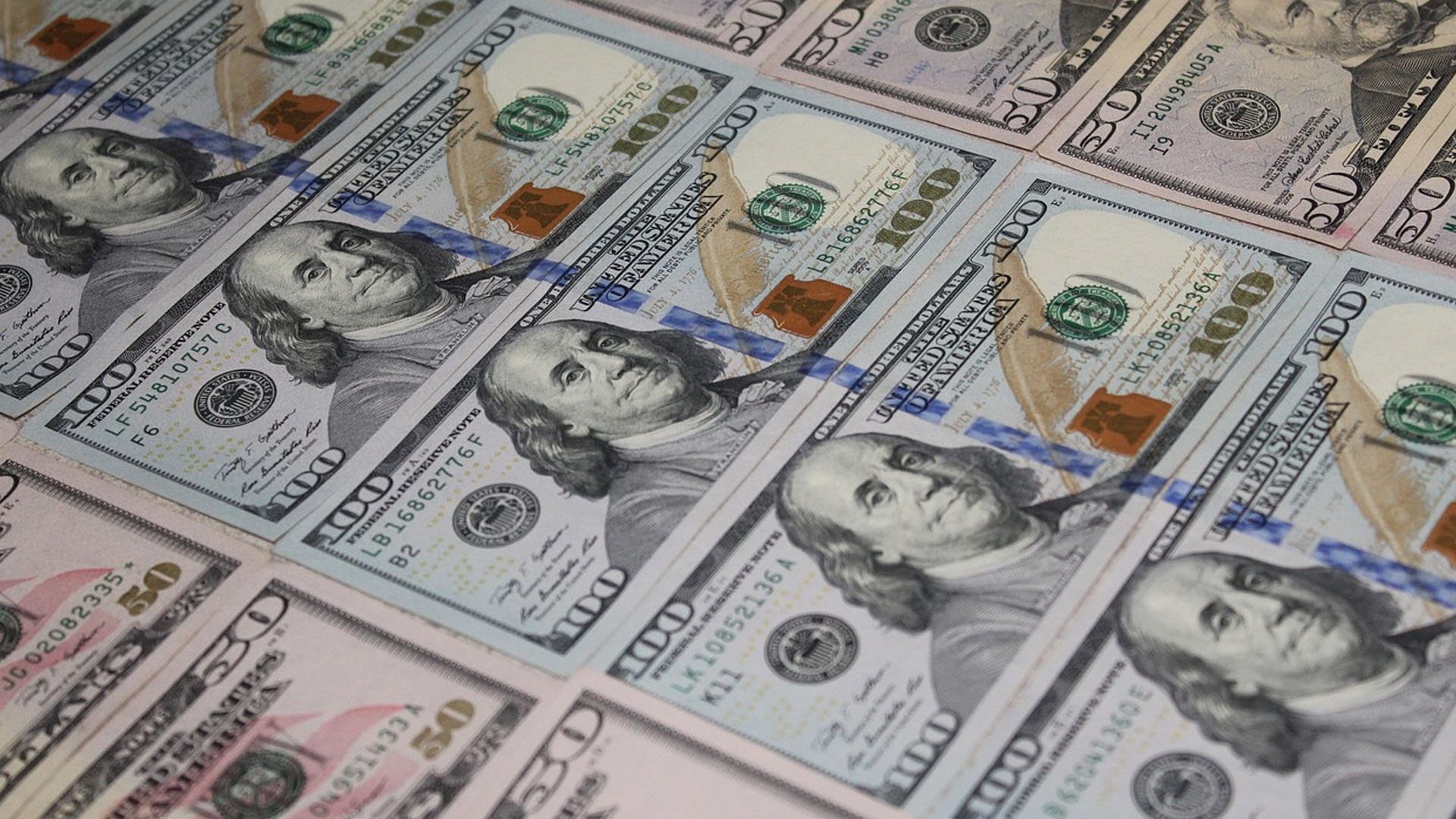
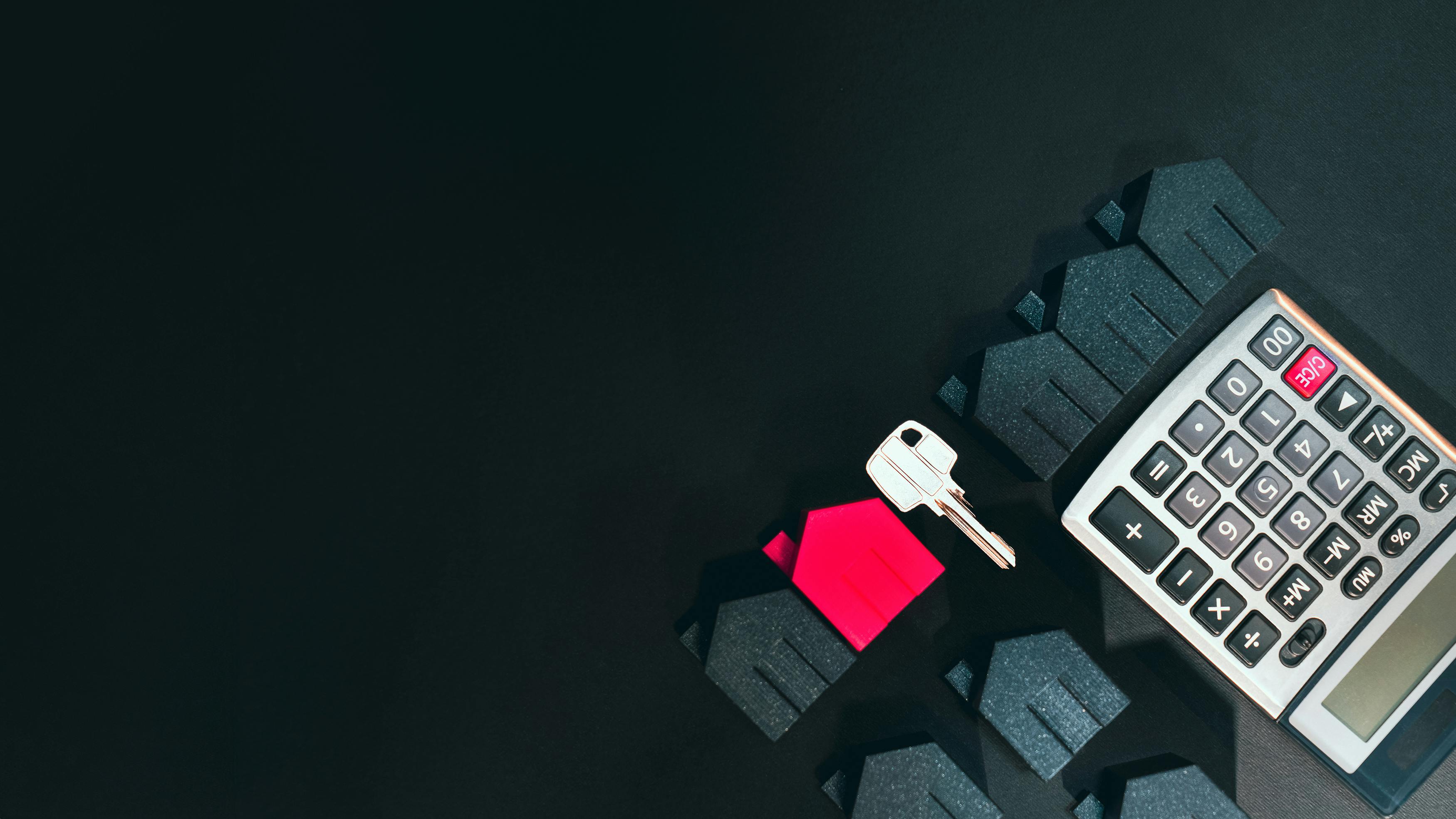
Cash property purchases are booming in a volatile U.S. real estate market where interest rates are soaring, and the economy is uncertain, especially in the luxury, investment, and retiree markets. In large cities, as well as smaller markets, all-cash deals are becoming increasingly popular, transforming the process of buying and selling homes.
A recent mid-year report (2025) released by both Redfin and Coldwell Banker revealed that close to one in every three home purchases in the U.S. are currently selling fully, in a drastic change from the previous years. This tendency indicates the economic power not only of a few buyers but also of the more far-reaching alterations in customer behaviour.
Why Are Cash Transactions Increasing?
1. High Interest Rates
Since mortgage rates in 2025 will be around 6-7 per cent, a part of purchasing will be going liquidity-related, where the buyers will prefer not to finance any portions at all. By paying in cash, one avoids monthly interest and offers long-term savings.
2. Investor & Institutional Activity
REITs, real estate investors, and hedge funds tend to buy real estate assets using cash to ease transactions and fast closing of properties. The popularity of rapid cash deals is also informed by the views of many investors who consider real estate an investment, protecting investors against inflation.
3. Competitive Advantage in Hot Markets
Cash buyers are usually more attractive to the sellers in competitive markets. A cash offer can go through more quickly, it has fewer strings attached, and it usually has fewer risks of being called off because of the situation in financing it. This provides buyers with a competitive advantage in bidding wars.
4. Competitive Advantage in Hot Markets
Baby boomers and retirees who are selling out their primary houses are buying smaller houses as cash purchases. Due to equity arising out of earlier sales, a large number of people are turning to purchasing without mortgaging using the available equity at an older age.
Where Are Cash Purchases Most Common?
Cash transactions are high, especially in:
- Sun Belt states: The investor activity and retiree demand have allowed Florida, Texas, Arizona, and Nevada to experience high levels of cash sales.
- Luxury markets: Cities, such as New York, Los Angeles, and Miami, usually find wealthy local and foreign buyers interested in transferring large amounts of money to purchase multimillion-dollar properties.
- Vacation & second-home markets: Second-home buyers in locations such as the Hamptons, Aspen, or by the Pacific coast of California, can transact conveniently in cash to avoid the taxation on the loan proceeds.
Pros & Cons of Buying Property in Cash
Pros:- No interest or mortgage payments
- More rapid closing process
- Improved bargaining strength
- Fewer chances of the deal falling through
- No closing costs related to a lender
- Ties up a significant amount of capital
- No deduction of mortgage interest for taxation
- Potential reduced liquidity
- Lost opportunity for taking advantage of low-cost debt (in some markets)
What This Means for the Market
An increase in the cash purchases is shifting the U.S. housing market. On the one hand, it speeds up sales and offers more predictability to sellers; on the other hand, it creates a barrier to entry for first-time buyers and those who banks can only finance in a hot or high-cost market. It is also an indication that real estate is still perceived as a safe, solid investment, especially in unstable economic times.
Final Thoughts
Cash transactions will probably continue to be robust in 2025 and beyond as long as interest rates are high and equity-rich buyers are the winners in the market. The balance may change, however, with a move in lending rates, investor behaviour, or housing affordability. The real-estate game of the day is cash is king; however, when it comes to making a purchase, whether it is residential or commercial, there must always be a strategy, clarity, and long-term outlook.
About the Author