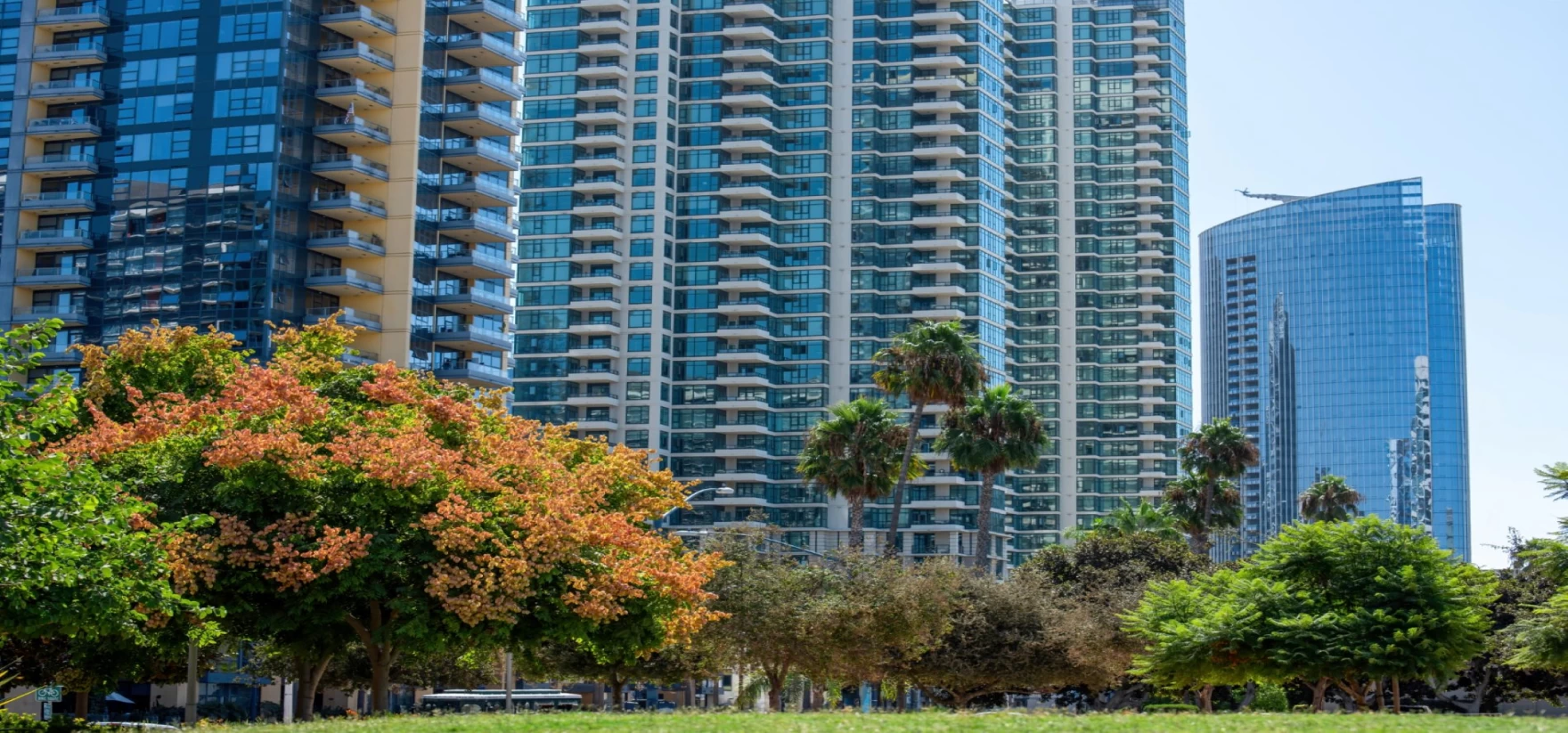
Overseas buyers can purchase property in New Zealand only if they meet strict legal eligibility rules under the Overseas Investment Act. In most cases, non-residents are barred from buying existing residential homes and must either qualify under a specific exemption or obtain consent to purchase new-build or qualifying land. Understanding who can buy, what can be bought, and the approval pathway is essential before committing funds or signing any agreement.
What Laws Govern Overseas Property Purchases in New Zealand?
Property purchases by overseas buyers in New Zealand are regulated primarily by the Overseas Investment Act 2005 and the Overseas Investment Amendment Act 2018. These laws were designed to restrict foreign ownership of residential land while allowing limited pathways for investment that benefits New Zealand.
Under this framework, “residential land” includes existing houses, apartments, lifestyle blocks, and land zoned for residential use. Most overseas buyers cannot purchase this type of property unless they fall within a narrow exemption or receive formal consent from the Overseas Investment Office (OIO).
The law draws a clear distinction between existing residential property and new-build developments. New residential builds are treated more favourably because they add to housing supply rather than compete with local buyers.
Who Is Considered an Overseas Buyer Under NZ Law?
An “overseas person” is defined by legal status, not physical location. A buyer can be living in New Zealand and still be classified as overseas if they do not meet residency or citizenship thresholds.
You are considered an overseas person if you are:
- Not a New Zealand citizen, and
- Do not hold a New Zealand residence class visa, or
- Hold a residence visa but do not meet the “ordinarily resident” test, or
- A company, trust, or partnership with more than 25% overseas ownership or control.
The “ordinarily resident” test requires holding a residence visa, living in New Zealand for at least 12 months, and being physically present for a minimum of 183 days during that period. Failing any part of this test keeps the buyer classified as overseas.
Which Overseas Buyers Are Eligible to Purchase Property in NZ?
Eligibility depends on nationality, visa status, and the type of property being purchased. The default position is prohibition unless an exemption or consent pathway applies.
| Buyer Category | Can Buy Existing Homes? | Can Buy New Builds? | OIO Consent Required? |
|---|---|---|---|
| NZ Citizens | Yes | Yes | No |
| NZ Residents (Ordinarily Resident) | Yes | Yes | No |
| Australian Citizens | Yes | Yes | No |
| Singaporean Citizens | Yes | Yes | No |
| Other Overseas Buyers | No | Yes | Yes |
Australian and Singaporean citizens receive special treatment under international agreements and are generally allowed to purchase residential property without OIO consent. All other overseas buyers are restricted to new-build properties or must apply for specific consent categories.
New-build purchases by overseas buyers typically require OIO approval but are more likely to be granted, provided the property meets qualifying criteria and is not previously lived in.
Key Takeaways
- Legal restriction is the default: Overseas buyers are generally barred from purchasing existing residential property in New Zealand.
- Status matters more than location: Citizenship, residency, and ownership structure determine whether you are classified as an overseas person.
- New builds are the main pathway: Most eligible overseas purchases involve new-build residential property with OIO consent.
- Some nationalities are exempt: Australian and Singaporean citizens can usually buy residential property without special approval.
What Types of Property Can Overseas Buyers Purchase in New Zealand?
Overseas buyers are generally limited to purchasing property that increases or supports New Zealand’s housing supply. This means most eligible purchases fall into clearly defined categories approved by law or the Overseas Investment Office.
The most common property types overseas buyers can purchase include:
- New-build residential dwellings that have not been lived in and are part of an approved development.
- Off-the-plan apartments purchased directly from developers under OIO-approved quota allocations.
- Commercial or industrial property, subject to investment value thresholds and consent conditions.
- Residential-to-commercial conversions, where the property will not be used as a dwelling.
Overseas buyers cannot purchase existing residential homes, lifestyle blocks, or land intended primarily for residential use unless a specific exemption applies. Attempting to structure around this restriction using trusts or companies without approval is unlawful.
How Does the Overseas Investment Office (OIO) Consent Process Work?
Most overseas buyers must obtain consent from the Overseas Investment Office before entering into an unconditional agreement. The consent process assesses both the buyer and the property to ensure compliance with New Zealand law.
An OIO application typically evaluates:
- The buyer’s identity, nationality, and ownership structure
- The nature and zoning of the property
- Whether the purchase aligns with permitted investment categories
- Character and financial standing of the applicant
Applications must be supported by legal documentation, including sale and purchase agreements, developer confirmations (for new builds), ownership charts for entities, and statutory declarations. Processing times commonly range from several weeks to several months depending on complexity.
Buyers should note that contracts are usually signed “subject to OIO consent.” Making a purchase unconditional before approval can result in forced resale, financial penalties, or both.
What Is the Legal Process for Buying NZ Property From Overseas?
Buying property in New Zealand follows a defined legal sequence, but overseas buyers face additional compliance steps compared to local purchasers.
| Step | What Happens |
|---|---|
| Engage a Lawyer | Independent legal advice is essential before signing any agreement. |
| Conditional Agreement | Agreement includes OIO consent and due diligence clauses. |
| OIO Application | Formal consent application is lodged with supporting documents. |
| Consent Granted | Conditions must be met before settlement can proceed. |
| Settlement | Funds transferred, title registered, and ownership recorded. |
All funds must be transferred through compliant banking channels, and buyers must meet anti-money laundering (AML) requirements. New Zealand solicitors and conveyancers are legally required to verify identity and source of funds.
What Are the Costs, Taxes, and Ongoing Obligations for Overseas Buyers?
Overseas buyers should budget beyond the purchase price. While New Zealand does not impose stamp duty, several transaction and holding costs apply.
- OIO application fees, which vary depending on property type and complexity.
- Legal and conveyancing fees, often higher for overseas transactions.
- Bright-line tax if the property is sold within the applicable holding period.
- Local council rates, payable annually.
- Body corporate fees for apartments or managed developments.
Rental income earned in New Zealand is taxable, and overseas owners must comply with Inland Revenue requirements. Non-compliance can result in penalties and restrictions on future investment approvals.
Common Mistakes Overseas Buyers Make
The most frequent errors arise from misunderstanding eligibility rules or underestimating regulatory oversight.
- Signing unconditional contracts before OIO consent is granted
- Assuming new builds are automatically exempt from approval
- Using trusts or companies to bypass ownership restrictions
- Failing to account for tax obligations on rental or resale
- Relying on offshore advice unfamiliar with NZ property law
These mistakes can lead to forced divestment, financial loss, and reputational risk. Proper legal advice at the outset significantly reduces exposure.
Can Overseas Buyers Get Mortgages in New Zealand?
Overseas buyers can obtain mortgages from New Zealand lenders, but approval is selective and subject to stricter conditions than for local buyers. Most banks assess overseas applications on a case-by-case basis, with conservative loan-to-value ratios and enhanced due diligence.
Typical mortgage conditions for overseas buyers include:
- Lower maximum loan-to-value ratios, often requiring deposits of 40% or more
- Proof of stable overseas income and tax compliance
- Currency risk assessments if income is not in NZ dollars
- Full disclosure of visa status and residency intentions
Some overseas buyers rely on offshore financing or cash purchases to avoid local lending restrictions. Regardless of funding source, all transactions remain subject to New Zealand’s AML and source-of-funds verification requirements.
What Happens If Overseas Buyers Breach NZ Property Rules?
Breaching overseas investment rules is treated as a serious compliance failure in New Zealand. Enforcement powers are actively used and extend beyond simple financial penalties.
Consequences of non-compliance may include:
- Forced sale of the property at the buyer’s expense
- Civil penalties that can reach into the hundreds of thousands of dollars
- Criminal liability for intentional or reckless breaches
- Long-term restrictions on future investments in New Zealand
Breaches commonly occur when buyers misclassify their residency status, rely on incorrect advice, or assume enforcement is passive. The Overseas Investment Office has broad information-gathering powers and routinely cross-checks land title, immigration, and tax records.
Practical Considerations Before Buying Property From Overseas
Beyond legal eligibility, overseas buyers should assess whether New Zealand property aligns with their financial objectives and risk tolerance. Market access does not guarantee suitability.
Key considerations include:
- Market liquidity: Residential property is not a short-term investment and can be slow to exit.
- Regulatory stability: Overseas buyer rules have tightened in the past and can change again.
- Tax treatment: Rental income and capital gains are taxable under New Zealand law.
- Management logistics: Remote ownership requires reliable local property management.
- Currency exposure: Exchange rate movements can materially affect returns.
Buyers who approach the process with a long-term perspective and professional advice are better positioned to navigate both compliance and commercial realities.
Frequently Asked Questions
Can foreigners buy houses in New Zealand?
Most foreign buyers cannot purchase existing residential houses. Eligibility is limited to specific nationalities, residency statuses, or new-build properties with Overseas Investment Office consent.
Do overseas buyers need to live in New Zealand after purchasing property?
No. Ownership does not require residency, but visa status affects eligibility and compliance obligations.
How long does OIO consent take?
Processing times vary but commonly range from several weeks to a few months, depending on application complexity and completeness.
Can overseas buyers rent out their NZ property?
Yes, if permitted under the consent conditions. Rental income is taxable in New Zealand and must be declared.
Is buying through a trust or company a workaround?
No. Ownership structures are assessed on control and beneficial ownership. Attempting to bypass restrictions is unlawful.
Key Takeaways
- Financing is possible but limited: Overseas buyers face higher deposits and stricter lending criteria.
- Compliance is actively enforced: Breaches can result in forced sale and significant penalties.
- Legal eligibility is only the first step: Tax, management, and currency risks matter equally.
- Professional advice is essential: NZ property law is technical and unforgiving of assumptions.
References
- Overseas Investment Act 2005 (New Zealand)
- Overseas Investment Amendment Act 2018
- Overseas Investment Office Guidance and Practice Notes
- Inland Revenue Department – Property and Tax Guidance