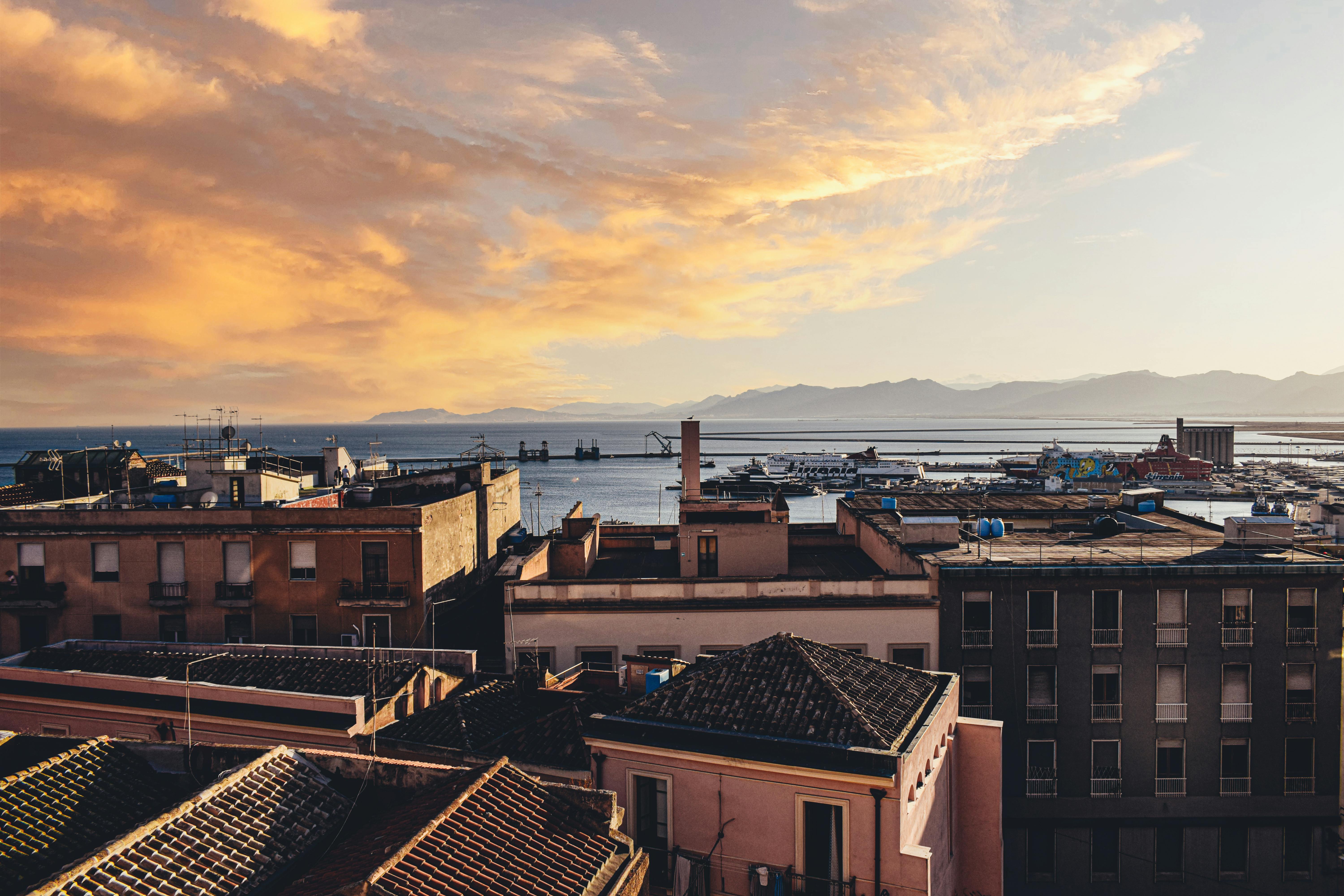
Buying property in Sardinia as an American or foreign buyer is legally permitted, procedurally straightforward, and driven primarily by location choice rather than nationality. Non-EU buyers can purchase residential and commercial real estate in Sardinia without residency, provided they obtain an Italian tax code (codice fiscale), use a notary, and comply with standard conveyancing rules. The real decision point is not “can foreigners buy,” but where to buy based on lifestyle goals, rental demand, access, and long-term value stability.
Why Buy Property in Sardinia as a Foreigner
Sardinia attracts foreign buyers for three concrete reasons: property prices remain lower than comparable Mediterranean islands, ownership rights are strong and transparent, and the island offers distinct micro-markets suited to different buyer profiles. Unlike speculative resort markets, Sardinia’s demand is driven by lifestyle use, second-home ownership, and selective tourism rather than short-term hype.
From a legal standpoint, Sardinia follows national Italian property law. There are no island-specific ownership restrictions for foreigners, no special permits for coastal purchases beyond standard planning rules, and no requirement to become a resident. Title is registered centrally, and notaries are legally responsible for verifying ownership, zoning compliance, and lien status before completion.
From a market perspective, Sardinia differs sharply from mainland Italy. Supply is limited by geography, environmental protections, and strict coastal development controls. This constrains overbuilding and supports long-term price stability in prime zones, particularly near the coast and in established towns. At the same time, inland and secondary areas remain accessible for buyers seeking space, renovation opportunities, or lower entry prices.
For Americans and other overseas buyers, Sardinia also benefits from improving international access. Direct seasonal flights connect major European hubs to Cagliari, Olbia, and Alghero, while internal infrastructure supports year-round living in most urban and semi-urban areas. English is commonly spoken in professional settings such as real estate agencies, legal offices, and notarial practices in high-demand zones.
The key strategic advantage is choice. Sardinia offers luxury coastal enclaves, livable cities, agricultural estates, and historic villages within a single region, allowing buyers to align purchase decisions with concrete goals such as personal use, retirement, or rental income rather than compromise on price alone.
Can Americans and Non-EU Citizens Buy Property in Sardinia?
Yes. Americans and other non-EU citizens can buy property in Sardinia under Italy’s reciprocity principle, which allows citizens of countries that permit Italians to buy property to do the same in Italy. The United States, Canada, the UK, Australia, and most developed economies qualify. No residency permit is required to purchase, own, or sell property.
The process is identical for Italians and foreigners once eligibility is established. Buyers must obtain a codice fiscale, sign a preliminary contract (compromesso) if applicable, and complete the final deed (rogito) before an Italian notary. The notary acts as a neutral public officer, not a representative of either party, and is legally liable for verifying title, boundaries, planning compliance, and payment of purchase taxes.
Financing is possible but more limited for non-residents. Italian banks may lend to foreign buyers, typically at lower loan-to-value ratios and with stricter documentation requirements. Many foreign buyers in Sardinia purchase with cash or use financing arranged in their home country, particularly for second homes or investment properties.
Ownership rights are robust. Freehold ownership (piena proprietà) is standard, and there are no time limits, usage restrictions, or mandatory rental obligations attached to ownership. Properties can be inherited, resold, or rented subject to standard Italian tax and registration rules.
What matters most is due diligence rather than nationality. Zoning compliance, cadastral accuracy, and conformity between planning records and physical construction are critical in Sardinia, particularly for older homes and rural properties. These risks are manageable with proper professional oversight and do not disproportionately affect foreign buyers.
Best Areas in Sardinia for Americans and Foreign Buyers
The “best” area in Sardinia depends on how the property will be used. Americans and foreign buyers tend to cluster in locations that combine accessibility, services, legal clarity, and resale liquidity. These areas generally fall into three categories: established coastal markets, livable urban centers, and authentic secondary towns with long-term potential.
Established coastal markets appeal to buyers seeking vacation use, short-term rentals, or prestige locations. These zones offer predictable demand, strong price floors, and professional property management services, but command higher entry prices and stricter planning controls. Livable urban centers attract buyers relocating full-time or spending extended periods on the island, prioritizing healthcare, transport, and year-round amenities. Secondary towns and inland areas appeal to value-driven buyers willing to trade liquidity for space, character, or renovation upside.
Among Americans specifically, there is a noticeable preference for areas with international flight access, English-speaking service providers, and established expatriate communities. This reduces friction during the buying process and simplifies long-term ownership, particularly for absentee owners.
In practical terms, this means that a small number of locations account for a disproportionate share of foreign transactions. These areas are not necessarily the cheapest, but they offer clearer exit strategies, better rental performance, and lower administrative risk compared to less structured markets.
The following sections will examine specific towns and regions in detail, explaining who each area is best suited for, how prices typically behave, and what trade-offs buyers should expect. Understanding these distinctions is essential before comparing costs, taxes, or legal steps, which will be addressed later in this guide.
Costa Smeralda: Luxury Coastal Market for Foreign Buyers
Costa Smeralda is Sardinia’s most established and internationally recognized luxury property market. It is best suited for high-net-worth Americans and foreign buyers seeking prime coastal villas, gated communities, and strong long-term value protection rather than short-term affordability.
Properties here benefit from strict development controls that limit new supply, particularly along the coastline. This regulatory environment supports price resilience even during broader market downturns. Villas with sea views, proximity to marinas, or access to private beaches command the highest premiums, while apartments in managed complexes offer lower entry points with predictable rental demand.
The market is highly professionalized. Transactions typically involve international agencies, multilingual legal support, and experienced notaries accustomed to foreign buyers. While prices are among the highest in Italy outside major cities, Costa Smeralda remains attractive for buyers prioritizing asset preservation, prestige, and resale liquidity.
Cagliari: Best Urban Market for Americans Relocating to Sardinia
Cagliari is the most practical choice for Americans and foreigners planning long-term or full-time residence in Sardinia. As the regional capital, it offers year-round services, hospitals, international schools, and consistent transport links.
The property market is diversified, ranging from historic apartments in Castello to modern developments near Poetto beach and suburban family housing. Prices are moderate compared to other Mediterranean cities, and demand is driven by local residents, professionals, and long-stay foreign buyers rather than seasonal tourism alone.
From an investment standpoint, Cagliari provides stable rental demand for both long-term leases and regulated short-term rentals. Liquidity is higher than in resort-only markets, making it easier to exit if personal circumstances change.
Alghero: Cultural Appeal with International Accessibility
Alghero combines historic character, walkable urban living, and direct international flight connections. It is particularly popular with Northern European and North American buyers seeking a balance between lifestyle quality and purchase price.
The old town offers restored apartments suitable for personal use or tourist rentals, while areas outside the historic center provide newer housing at lower price points. Demand is less volatile than purely seasonal resort areas, supported by a functioning local economy and year-round population.
For Americans unfamiliar with Italian bureaucracy, Alghero’s established expatriate presence and English-speaking professional services reduce friction during both purchase and ownership phases.
Olbia and Northern Sardinia: Access and Rental Potential
Olbia serves as the primary gateway to northern Sardinia, with an international airport and ferry connections to mainland Italy. This makes it a strategic location for buyers prioritizing access and rental flexibility.
The surrounding areas offer a mix of primary residences, vacation homes, and emerging resort zones. Compared to Costa Smeralda, prices are more accessible while still benefiting from proximity to high-demand beaches and tourist infrastructure.
Buyers should focus on properties with clear planning compliance and realistic rental assumptions. While short-term rentals can perform well, seasonality remains a defining factor outside the urban core.
Property Prices and Budget Expectations in Sardinia
Property prices in Sardinia vary significantly by location, property type, and proximity to the coast. Foreign buyers should budget not only for purchase price but also for transaction costs, ongoing maintenance, and potential renovation expenses.
| Area | Apartments (€/m²) | Villas (€/m²) |
|---|---|---|
| Costa Smeralda | 6,000 – 10,000+ | 8,000 – 15,000+ |
| Cagliari | 2,200 – 4,000 | 2,800 – 4,500 |
| Alghero | 1,800 – 3,200 | 2,500 – 4,000 |
| Olbia Area | 2,000 – 3,500 | 2,700 – 4,800 |
These ranges reflect asking prices for standard-condition properties. Renovation projects may be cheaper upfront but require careful technical and legal assessment before purchase.
Buying Process and Key Legal Steps in Sardinia
The Sardinian buying process follows Italian national law and is structured to protect both parties. Once an offer is accepted, buyers typically sign a preliminary contract outlining price, timelines, and conditions, followed by the final notarized deed.
The notary verifies ownership, land registry records, zoning compliance, and the absence of undisclosed liens. Purchase taxes are calculated based on property type and buyer status and are settled at completion.
For foreign buyers, the most common risks arise from inadequate due diligence on older or rural properties. These risks are manageable with independent technical inspections and clear contractual protections.
Ongoing Ownership Costs in Sardinia
Owning property in Sardinia involves relatively moderate annual costs compared to many other Mediterranean destinations. The main recurring expenses are local property tax (IMU, if applicable), utilities, condominium fees where relevant, and routine maintenance.
Primary residences registered in Italy are generally exempt from IMU, but most foreign buyers use their property as a second home and should budget for annual municipal tax based on cadastral value, not market price. In practical terms, this usually represents a few hundred to a few thousand euros per year, depending on property size and location.
Utilities and service costs vary by usage pattern. Coastal villas with gardens or pools require higher maintenance budgets, while apartments in managed buildings benefit from shared costs and predictable annual fees. Buyers planning long absences should factor in property management or caretaker services to protect the asset.
Common Mistakes Foreign Buyers Make in Sardinia
The most frequent mistake foreign buyers make is prioritizing scenery over legal and technical certainty. Sea views and proximity to beaches do not compensate for unresolved planning violations, incomplete cadastral records, or unclear access rights, which are more common in older or rural properties.
Another recurring issue is underestimating seasonality. Rental income projections based on peak summer demand can be misleading outside established tourist zones. Buyers should evaluate realistic annual occupancy rather than short-term peak rates when assessing investment viability.
Finally, some buyers rely solely on selling agents for guidance. While many agents are competent, independent legal and technical advisors are essential to protect the buyer’s interests, especially when purchasing from abroad.
Rental Rules and Income Considerations for Foreign Owners
Foreign owners are permitted to rent out their Sardinian properties, subject to registration and local compliance requirements. Short-term rentals typically require notification to the municipality, registration with regional tourism authorities, and reporting of guest data.
Income from rentals is taxable in Italy, even for non-residents. Many foreign owners opt for the flat-rate cedolare secca regime where available, which simplifies taxation and provides cost certainty. Professional tax advice is strongly recommended to ensure compliance and avoid double taxation issues.
Long-term rentals offer more stable income but lower yields, while short-term rentals can generate higher seasonal returns at the cost of management intensity and regulatory exposure. Location choice is the primary determinant of rental performance.
Frequently Asked Questions
Can Americans buy property in Sardinia without residency?
Yes. Americans can buy and own property in Sardinia without Italian residency. A tax code (codice fiscale) and a notarized deed are required, but residency is not.
Is Sardinia a good place for retirement?
Sardinia is suitable for retirement due to its climate, healthcare access in major cities, and lower cost of living compared to many Western European regions. Urban centers offer the best year-round services.
Are there restrictions on coastal property purchases?
There are no nationality-based restrictions, but strict planning and environmental rules apply. Existing compliant properties can be purchased freely, while new development is tightly regulated.
Can foreign buyers get a mortgage in Italy?
Yes, but availability is limited. Italian banks typically require higher deposits and extensive documentation from non-residents.
Is buying property in Sardinia safe for foreign investors?
The legal framework is robust, and risks are manageable with proper due diligence, independent advisors, and conservative financial assumptions.
Key Takeaways
- Foreign ownership: Americans and non-EU buyers can freely purchase property in Sardinia.
- Location matters most: Coastal prestige, urban livability, and value markets serve different goals.
- Costs are manageable: Ongoing ownership expenses are moderate by Mediterranean standards.
- Due diligence is critical: Legal and technical checks outweigh aesthetic considerations.
- Rental potential varies: Seasonality and location determine income reliability.
References
- Italian Civil Code – Property Ownership and Conveyancing
- Agenzia delle Entrate – Property Taxation Guidelines
- Italian National Notaries Council – Buyer Protection Framework