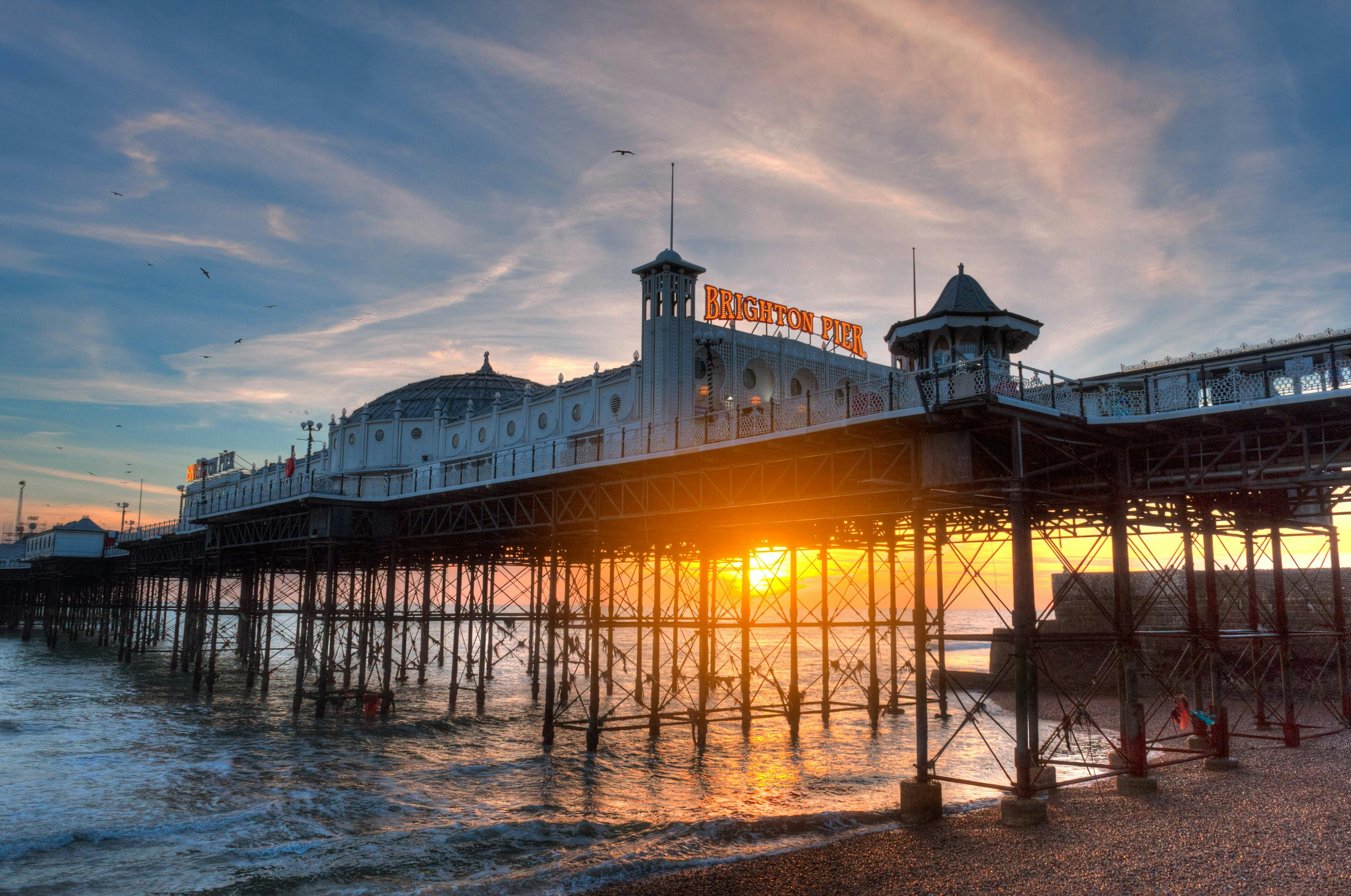
Buying property in Brighton and Hove means entering one of the UK’s most supply-constrained coastal housing markets, where sea-view apartments, period townhouses, and modern family homes command sustained demand from owner-occupiers, investors, and second-home buyers. Prices are driven by proximity to the seafront, rail connectivity to London, conservation area protections, and a strong local rental economy tied to education, tourism, and professional services.
Why Buy Property in Brighton and Hove?
Brighton and Hove attracts buyers because it combines a regulated coastal housing market with strong long-term demand fundamentals: limited new land supply, year-round rental demand, and direct rail access to London in under 60 minutes. These factors support both capital resilience and rental liquidity across apartments and houses, particularly within walking distance of the sea.
From an ownership perspective, Brighton and Hove operates as a single unitary authority, which simplifies planning rules compared to fragmented coastal councils. However, strict conservation designations across large parts of the city also restrict large-scale redevelopment, helping preserve value in existing housing stock, especially period properties close to the seafront.
For investors and landlords, the city’s diverse tenant base—students, professionals commuting to London, NHS staff, and short-term visitors—reduces reliance on any single demand segment. This diversification is a key reason Brighton and Hove consistently records lower long-term vacancy risk than many UK seaside towns.
| Driver | Impact on Property Values |
|---|---|
| Coastal Location | Premium pricing for sea-view and near-seafront properties |
| London Rail Access | Supports commuter demand and higher apartment absorption |
| Universities | Stable rental demand for flats and HMOs |
| Planning Constraints | Limits oversupply, protecting long-term values |
Apartments and Houses Near the Sea: What’s Available?
Properties near the sea in Brighton and Hove fall into two dominant categories: apartments in converted Regency or Victorian buildings, and terraced or semi-detached houses set one or two streets back from the seafront. Each category serves different buyer profiles, cost structures, and risk considerations.
Seafront and near-seafront apartments are typically leasehold and often located in listed or heritage buildings. Buyers should expect higher service charges due to façade maintenance, communal roofs, and exposure to salt air. In return, these properties offer strong resale liquidity and consistent rental interest, particularly for one- and two-bedroom units with balconies or uninterrupted sea views.
Houses near the sea—especially in areas like Kemp Town and Brunswick—are usually freehold or share of freehold. They appeal to long-term owner-occupiers and family buyers seeking space, private entrances, and outdoor areas. While entry prices are higher than apartments, houses tend to experience lower ownership friction over time due to the absence of service charges.
| Factor | Apartments Near the Sea | Houses Near the Sea |
|---|---|---|
| Tenure | Leasehold / Share of Freehold | Primarily Freehold |
| Maintenance Costs | Higher, via service charges | Direct owner responsibility |
| Buyer Profile | Investors, professionals, second-home buyers | Families, long-term residents |
| Resale Liquidity | High for well-located units | High but longer transaction timelines |
Best Coastal Areas to Buy Property in Brighton and Hove
The most sought-after coastal neighbourhoods in Brighton and Hove are defined by walkability to the beach, architectural character, and access to amenities rather than sheer proximity alone. Buyers should assess each area based on lifestyle suitability, resale depth, and planning restrictions.
Central Brighton seafront locations offer the strongest short-term rental appeal but also face tighter regulatory scrutiny. Hove’s western seafront, by contrast, tends to attract owner-occupiers and long-term tenants, resulting in steadier occupancy patterns and fewer management constraints.
Eastern seafront districts, including Kemp Town, combine period housing stock with relatively larger internal layouts, making them attractive for buyers seeking space without sacrificing proximity to the sea. However, many streets fall within conservation areas, which affects renovation scope and timelines.
Property Prices and Purchase Costs Near the Sea
Property prices near the sea in Brighton and Hove are consistently higher than inland neighbourhoods due to limited supply, conservation controls, and enduring lifestyle demand. Buyers should budget not only for the headline purchase price but also for tenure-specific and coastal-related ownership costs.
Seafront apartments command a premium for direct sea views, lift access, and outdoor space such as balconies. Properties located one or two streets back often provide better value while retaining strong resale demand. Houses near the coast typically show higher absolute prices but lower ongoing communal costs compared to leasehold flats.
| Property Type | Typical Price Range | Key Cost Considerations |
|---|---|---|
| Studio / 1-bed Apartment | £275,000 – £425,000 | Service charge, lease length |
| 2-bed Apartment | £400,000 – £650,000 | Maintenance of listed buildings |
| Terraced House | £650,000 – £1,000,000+ | Structural upkeep, conservation rules |
Additional costs unique to coastal properties may include higher insurance premiums, accelerated external maintenance due to salt exposure, and stricter planning approvals for exterior alterations. These factors should be incorporated into long-term affordability assessments.
Legal Process for Buying Property in Brighton and Hove
The legal process for buying property in Brighton and Hove follows standard English conveyancing procedures but includes additional scrutiny for leasehold terms, conservation area restrictions, and coastal risk assessments. Early legal due diligence is critical to avoid transaction delays.
Buyers of leasehold apartments should pay particular attention to remaining lease length, ground rent escalation clauses, and planned major works. Many seafront buildings require cyclical façade and roof maintenance, which can result in significant service charge increases if not properly budgeted.
For houses located within conservation areas, conveyancers will review planning histories and local authority constraints. Alterations such as window replacements, external insulation, or roof changes often require specific consent, which can affect both renovation plans and future resale appeal.
| Check | Why It Matters |
|---|---|
| Lease Length | Impacts mortgage eligibility and resale value |
| Service Charge History | Reveals future maintenance liabilities |
| Conservation Status | Limits alterations and redevelopment |
| Flood & Coastal Risk | Affects insurance and lender requirements |
Investment Potential and Rental Returns
Brighton and Hove offers a mature rental market where yield stability is prioritised over high volatility returns. Coastal apartments, in particular, benefit from year-round tenant demand rather than purely seasonal occupancy.
Long-term rentals near the sea are popular with professionals and downsizers, while furnished units attract higher rents but require more active management. Short-term and holiday letting is subject to tighter local oversight, and buyers should confirm permitted use before relying on this income model.
Houses near the coast generally deliver lower gross yields than apartments but compensate through stronger capital retention and longer tenancy durations. This profile suits investors prioritising risk-adjusted returns rather than yield maximisation.
Common Buyer Mistakes and Expert Insights
One of the most common mistakes buyers make is focusing exclusively on sea views without evaluating building condition, lease structure, or future maintenance obligations. Coastal exposure accelerates wear, making building management quality a critical value factor.
Another frequent oversight is underestimating planning constraints in conservation areas. Buyers should assume that even minor external changes may require consent and factor this into renovation timelines and costs.
Experienced buyers prioritise properties that balance proximity to the sea with transport access, local services, and long-term liveability. This approach typically results in stronger resale liquidity and smoother ownership over time.
How to Choose the Right Coastal Property
Choosing the right property near the sea in Brighton and Hove depends on aligning location, tenure, and building characteristics with your intended use—whether owner-occupation, long-term investment, or mixed personal use. Buyers who prioritise function over aesthetics tend to experience fewer ownership issues and stronger long-term outcomes.
For owner-occupiers, properties slightly removed from the immediate seafront often provide a better balance between lifestyle quality and practical considerations such as noise, exposure, and maintenance costs. Investors, by contrast, may prioritise smaller, well-managed apartments with strong transport links and consistent tenant demand.
Regardless of buyer type, due diligence on building management, sinking funds, and historic repair cycles is particularly important in coastal environments. These factors frequently influence net returns and resale appeal more than headline purchase price.
Long-Term Market Outlook for Brighton and Hove
The long-term outlook for Brighton and Hove’s coastal property market is underpinned by constrained supply, continued lifestyle demand, and its role as a London-adjacent employment and cultural centre. Unlike purely seasonal seaside towns, demand here is sustained year-round.
Infrastructure investment, transport connectivity, and the city’s appeal to younger professionals and downsizers support steady transactional activity across market cycles. While price growth may moderate during broader economic slowdowns, liquidity for well-located coastal properties has historically remained resilient.
Buyers with medium- to long-term horizons typically benefit most from Brighton and Hove’s market dynamics, particularly when selecting properties with flexible appeal across multiple buyer segments.
Frequently Asked Questions
Is buying property near the sea in Brighton and Hove a good investment?
Yes, coastal property in Brighton and Hove is generally considered a stable long-term investment due to limited supply, consistent rental demand, and strong resale liquidity, particularly for well-managed apartments and period houses.
Are there higher maintenance costs for seafront properties?
Properties near the sea typically incur higher maintenance costs due to salt exposure, wind, and moisture. These costs are often reflected in service charges for apartments or direct upkeep expenses for houses.
Do I need special permission to renovate coastal properties?
Many coastal properties fall within conservation areas or are listed buildings. External alterations frequently require planning consent, and buyers should verify restrictions before purchasing.
Can overseas buyers purchase property in Brighton and Hove?
Overseas buyers can purchase property in Brighton and Hove without restriction, although mortgage access, taxation, and legal processes may differ from those for UK residents.
Key Takeaways
- Market Structure: Brighton and Hove is a supply-constrained coastal market with year-round demand.
- Property Choice: Apartments suit investors and professionals; houses appeal to long-term residents.
- Costs Matter: Coastal exposure increases maintenance and insurance considerations.
- Due Diligence: Lease terms, service charges, and conservation rules materially affect value.
- Outlook: Long-term prospects remain resilient for well-located coastal properties.
References
- Brighton & Hove City Council – Planning and Conservation Guidance
- UK Land Registry – Residential Property Price Data
- Office for National Statistics – Housing Market Indicators
- Royal Institution of Chartered Surveyors (RICS) – Residential Market Surveys