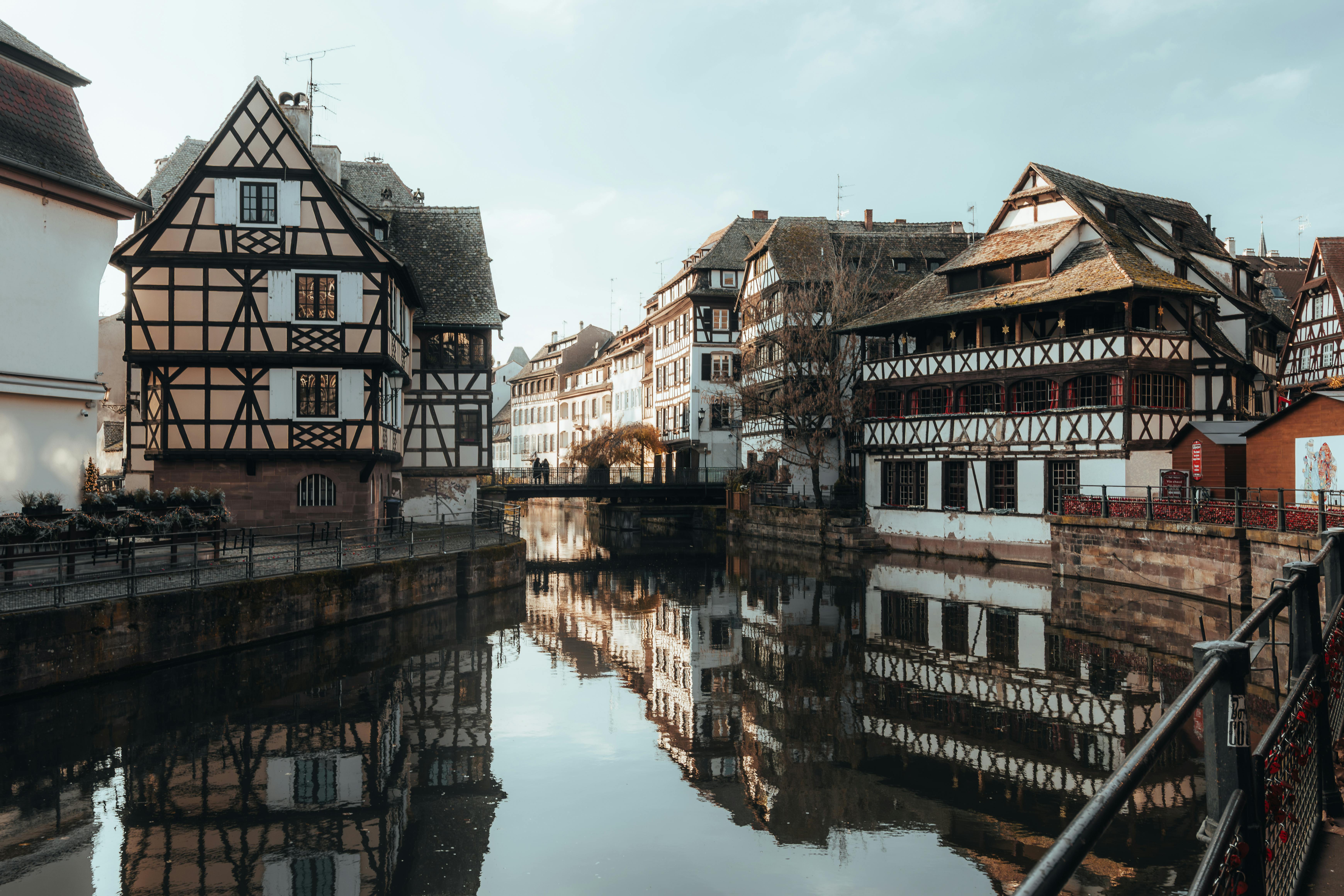
If you are considering purchasing a holiday property in Europe, the decision requires balancing lifestyle, investment potential, and legal considerations. Some locations offer strong rental yields, capital appreciation, and ease of access, while others appeal primarily for personal enjoyment. The best locations depend on whether your goal is investment return, long-term residence, or seasonal use.
Overview: Why Europe for Holiday Properties
Europe remains one of the most attractive continents for holiday property buyers due to its diverse climates, rich cultural heritage, and strong infrastructure. From Mediterranean beaches to Alpine ski resorts, investors can find properties suited for both personal enjoyment and rental income. Stability of property rights, ease of travel, and mature rental markets make European countries a preferred choice for international buyers.
Countries such as Spain, Portugal, France, and Italy consistently attract foreign buyers. Northern destinations like Sweden, Norway, and Finland appeal to those seeking retreats in nature or winter sports hubs. Eastern European markets, including Croatia, Montenegro, and Bulgaria, are emerging for more affordable investment opportunities.
Top Locations for Holiday Property Investment
Here is a detailed analysis of high-potential regions in Europe for holiday property investment, considering price trends, rental demand, and lifestyle amenities.
Spain
Spain is a long-standing favorite for holiday property investors due to its sunny climate, extensive coastline, and strong rental demand. Coastal areas like Costa del Sol, Costa Blanca, and Balearic Islands offer both high capital appreciation and reliable short-term rental yields. Cities such as Barcelona and Valencia provide cultural richness, modern amenities, and year-round rental opportunities, though regulations in urban areas may restrict short-term rentals.
Portugal
Portugal combines affordability with high lifestyle appeal. The Algarve region attracts beach lovers and retirees, while Lisbon and Porto offer city living with rental potential. Portugal’s Golden Visa program historically drew investors seeking residency, although recent reforms focus on stimulating property demand in low-density areas. The country benefits from low property taxes and an emerging luxury market in prime coastal towns.
France
France is ideal for buyers seeking a mix of countryside, skiing, and coastal options. The French Riviera (Côte d’Azur) is a magnet for luxury buyers, while ski resorts in the Alps deliver seasonal rental income. Rural regions like Dordogne and Provence provide slower markets with long-term appreciation potential and lifestyle value. Strong legal protections for property owners make France a secure investment environment.
Italy
Italy’s diverse regions cater to different investor profiles. Tuscany and Umbria offer countryside villas with long-term value growth, while Lake Como and Amalfi Coast provide high-demand luxury rentals. Italian real estate markets are highly fragmented, so detailed local knowledge is essential for negotiating prices and assessing tourism demand.
Croatia & Montenegro
Emerging markets such as Croatia and Montenegro offer lower entry prices and growing rental demand. Coastal towns like Dubrovnik, Split, and Kotor attract tourists from Europe and beyond, providing strong seasonal income potential. These markets require careful due diligence on legal ownership and property registration, as processes differ from Western Europe.
Key Factors to Consider Before Buying
Buying a holiday property in Europe involves more than price and location. Investors should assess multiple factors to ensure long-term satisfaction and profitability.
Legal Framework & Ownership Rights
Property ownership laws vary significantly. Western Europe offers mature legal systems with transparent property rights, while emerging markets may have additional procedural steps, especially for non-resident buyers. Understanding ownership rights, inheritance rules, and local regulations for rentals is critical to avoid legal complications.
Financial Considerations
Taxes, mortgage availability, and transaction costs differ widely. Buyers must evaluate property transfer taxes, annual property taxes, rental income taxation, and potential capital gains taxes. Exchange rate fluctuations can also affect non-Euro buyers, impacting affordability and returns.
Rental Demand & Yield
Assessing short-term and long-term rental potential is crucial for investment-focused buyers. Coastal and urban destinations generally offer higher occupancy rates and better yields. Seasonality affects income; properties in ski resorts or summer beach destinations experience concentrated rental periods, which should be factored into cash flow planning.
Accessibility & Infrastructure
Proximity to airports, highways, and public transport increases property appeal for both personal use and rentals. Areas with developed healthcare, shopping, and leisure amenities support higher occupancy rates and price resilience. Consider also upcoming infrastructure projects that may enhance connectivity or local value.
Lifestyle & Amenities
Location desirability is shaped by lifestyle factors: beaches, ski resorts, cultural sites, and gastronomy. Holiday properties are more marketable if located near tourist attractions, recreational facilities, or scenic natural settings. Lifestyle amenities also contribute to long-term capital growth.
Emerging European Markets
While Western Europe offers stability, emerging markets in Eastern and Southern Europe provide strong opportunities for budget-conscious investors seeking higher yields. Croatia, Montenegro, and Bulgaria are increasingly popular for coastal and resort properties due to lower entry prices, improving infrastructure, and growing tourism.
In Croatia, regions like Istria and Dalmatia see rising demand from international buyers, with short-term rental occupancy peaking in summer. Montenegro’s Bay of Kotor has become a luxury hotspot with relatively low transaction costs. Bulgaria offers affordable mountain and beach retreats, appealing to those seeking both rental returns and personal use.
Investors in emerging markets should prioritize thorough legal checks, confirm property titles, and verify municipal regulations on rentals, as these jurisdictions may have less standardized property registration systems than Western Europe.
Cost Comparison of Top Locations
Property prices in Europe vary widely depending on location, type, and market maturity. Coastal and city properties in Spain, France, and Italy command premium prices, while emerging markets provide lower-cost entry points.
For example:
- Spain: Coastal apartments in Costa del Sol average €250,000–€400,000, with villas exceeding €600,000 in prime locations.
- Portugal: Algarve apartments range from €150,000–€300,000; luxury villas in coastal towns may surpass €500,000.
- France: Riviera apartments can exceed €1 million; rural Provence properties start around €200,000.
- Italy: Countryside villas in Tuscany average €300,000–€700,000; coastal luxury homes may exceed €1 million.
- Croatia & Montenegro: Coastal apartments range €100,000–€250,000; small villas €200,000–€400,000.
These price ranges illustrate entry points for different investment strategies, from high-end luxury to mid-range rental-focused properties.
Legal and Financial Considerations
Understanding the legal and financial landscape is essential for European holiday property investment.
Ownership, Taxes, and Residency
Non-residents should confirm their eligibility to buy property. EU countries generally allow non-EU nationals to purchase real estate with few restrictions, but countries like Switzerland require special permits. Tax obligations include property tax, municipal taxes, and potential rental income taxes. Portugal and Spain provide favorable tax regimes for retirees, while France and Italy impose capital gains tax on non-residents when selling property.
Mortgages and Financing Options
Mortgages for foreign buyers are available in most Western European markets, though lending terms vary. Typical down payments range from 20–40%, with interest rates influenced by local economic conditions. Emerging markets may offer alternative financing options but require careful review of contractual terms and local legal protections.
Due Diligence Steps
Performing comprehensive due diligence is non-negotiable. Steps include verifying land registry records, confirming building permits, reviewing community regulations (especially for short-term rentals), and consulting local real estate professionals. Legal support is recommended to navigate notarial procedures, tax filings, and cross-border ownership requirements.
Common Buying Mistakes to Avoid
Even experienced investors can encounter pitfalls in European holiday property markets. Key mistakes include:
- Ignoring Local Regulations: Failing to comply with short-term rental laws can result in fines or forced cessation of rental operations.
- Underestimating Additional Costs: Transaction fees, taxes, insurance, and maintenance can significantly reduce expected returns.
- Overpaying for Location Trends: Buying in hype-driven hotspots without assessing long-term demand risks capital depreciation.
- Neglecting Seasonality: Coastal or ski properties may have concentrated rental periods; over-reliance on peak-season income can hurt cash flow stability.
- Skipping Legal Advice: Cross-border transactions without local legal counsel can result in disputes, unclear property titles, or compliance issues.
Addressing these factors proactively ensures a smoother investment process and protects both capital and lifestyle expectations.
Long-Term Investment Strategies
Successful holiday property investment in Europe requires aligning purchase decisions with long-term strategies. Investors should differentiate between capital appreciation and rental income objectives.
Capital Growth Focus
Targeting mature markets in Spain, France, and Italy generally supports long-term property value appreciation. Coastal villas, luxury apartments, and historically desirable regions often outperform over a 10–15 year horizon. Key factors influencing capital growth include local tourism trends, infrastructure development, and regulatory stability.
Rental Yield Focus
For income-driven strategies, selecting properties in high-occupancy destinations is essential. Short-term rental hotspots—such as the Algarve, Costa del Sol, French Riviera, and ski resorts in the Alps—offer seasonal peaks in revenue. Investors should calculate net yield after taxes, management fees, and maintenance to ensure realistic returns.
Diversification Across Markets
Spreading investments across different countries or property types mitigates risk. Combining a luxury coastal property with a mid-range rural villa or a ski chalet ensures exposure to multiple rental seasons and reduces dependency on a single tourism cycle.
Property Management and Rental Optimization
Managing a holiday property effectively is crucial to maximizing returns and maintaining value. Key considerations include professional property management, seasonal preparation, and leveraging digital rental platforms.
Professional Property Management
Hiring a local property manager ensures smooth operations, tenant screening, cleaning, and maintenance. Well-managed properties achieve higher occupancy and better guest reviews, directly affecting rental income and long-term value.
Marketing and Rental Platforms
Leveraging online platforms such as Airbnb, Vrbo, and local holiday rental agencies increases visibility to international renters. High-quality photography, clear property descriptions, and dynamic pricing strategies optimize booking rates.
Maintenance and Upgrades
Regular maintenance, timely renovations, and seasonal preparation preserve property value. Adding modern amenities or aesthetic enhancements can justify higher rental rates and attract repeat guests.
Frequently Asked Questions
Which European country offers the highest rental yields for holiday properties?
Emerging coastal markets such as Croatia and Montenegro can offer yields up to 6–8%, while mature destinations like the Algarve and Costa del Sol provide more stable but slightly lower yields around 4–6%.
Can non-EU citizens buy property in Europe?
Yes, most EU countries allow non-EU nationals to purchase property, though some regions require permits or additional documentation. Countries like France, Spain, and Portugal have few restrictions, whereas Switzerland has stricter regulations.
What are the main costs besides the purchase price?
Additional costs include property transfer taxes, notary fees, registration fees, annual property taxes, insurance, and maintenance. Short-term rental properties may also require licensing and compliance costs.
How do I choose between a city, coastal, or mountain property?
Consider your investment goals: cities offer year-round rental demand, coastal areas attract seasonal tourists, and mountain destinations benefit from ski tourism. Lifestyle preferences, infrastructure, and rental seasonality should guide your choice.
Key Takeaways
- Diverse Options: Europe offers coastal, urban, and mountain holiday properties, each with unique investment and lifestyle benefits.
- Legal & Financial Due Diligence: Ownership rights, taxes, and local regulations must be carefully reviewed before purchase.
- Emerging Markets Offer Opportunities: Croatia, Montenegro, and Bulgaria provide lower entry costs and high seasonal yields but require thorough checks.
- Professional Management Matters: Hiring property managers and leveraging rental platforms improves occupancy and long-term value.
- Investment Alignment: Decide whether the focus is capital growth, rental income, or personal use to guide location and property type selection.
References
- European Property Federation Reports, 2025
- Global Property Guide – European Markets Overview, 2025
- OECD Tourism Trends in Europe, 2024
- National Real Estate Agencies: Spain, Portugal, France, Italy, Croatia, Montenegro
- European Central Bank: Mortgage and Financing Data, 2025