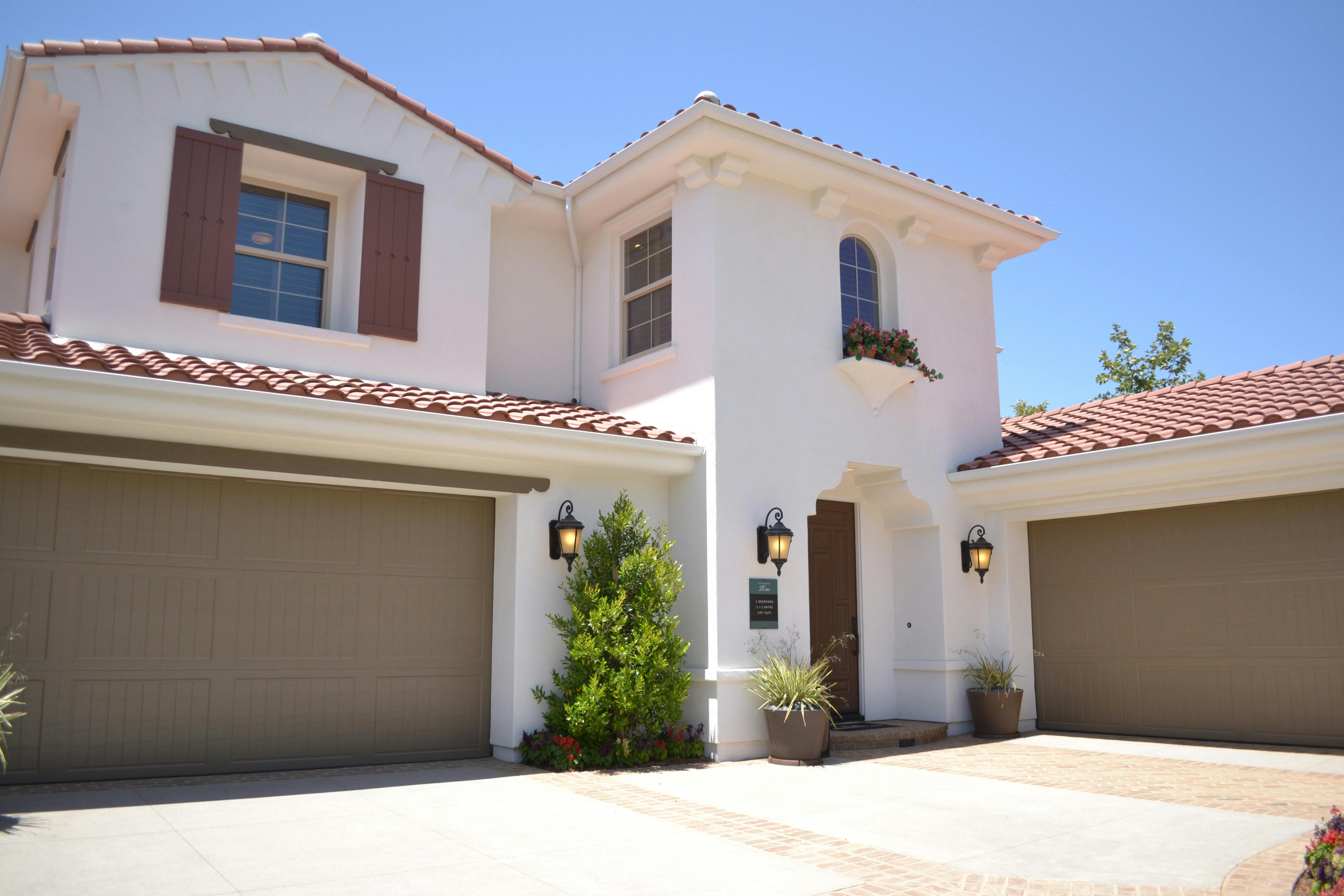
As of the most recent national datasets, the average price of a 4 bedroom house in the UK typically ranges from £380,000 to £650,000, depending on region. In England, the average sits above £500,000 due to higher values in the South East and London commuter belt; in Wales, prices generally range between £280,000 and £400,000; and in Scotland, between £300,000 and £450,000. Location, local demand, property condition, and land size remain the primary price drivers.
What Is the Average Price of a 4 Bedroom House in the UK?
The average price of a four-bedroom house in the UK is substantially above the national average property price because larger homes sit in higher-value segments of the market. While overall UK house prices commonly sit in the £280,000–£300,000 range, four-bedroom detached and semi-detached homes command a significant premium.
Across the UK, a realistic 2025 pricing range for a standard 4 bedroom house is:
- Lower-value regional markets: £300,000–£380,000
- Mid-market suburban areas: £400,000–£550,000
- High-demand commuter zones: £600,000+
- Prime South East locations: £750,000–£1m+
These figures reflect asking and completed sale prices for freehold houses rather than leasehold flats or new-build apartments. In most cases, 4 bedroom homes are detached or larger semi-detached properties with private gardens and off-street parking, which materially increases their valuation compared to smaller housing stock.
For buyers, this category typically represents:
- Upsizing families moving from 2–3 bedroom homes
- Multi-generational households
- Professional households seeking home office space
- Investors targeting family rental markets
Because of their utility and land component, 4 bedroom houses are less volatile than smaller flats during market corrections. They also tend to hold long-term value in strong school catchment areas and commuter towns.
How Do Prices Compare Across England, Wales, and Scotland?
Four-bedroom house prices vary significantly by country within the UK due to economic concentration, wage levels, planning constraints, and land supply.
England
England has the highest average prices for 4 bedroom houses, primarily driven by southern regions. In many parts of the South East and commuter towns within reach of London, prices exceed £600,000 for standard detached homes.
Typical ranges in England:
- North East / North West: £320,000–£450,000
- Midlands: £350,000–£500,000
- South West: £450,000–£650,000
- South East: £550,000–£850,000+
Rural counties with strong transport links, desirable schooling, and limited housing supply command further premiums. Detached properties in commuter belts consistently outperform the broader market.
Wales
Wales remains more affordable overall, though prices have risen in coastal and commuter areas. A four-bedroom house in Wales generally costs between £280,000 and £400,000, depending on proximity to Cardiff, Swansea, or cross-border commuting access to England.
In suburban Cardiff, larger detached homes may reach £450,000+, while rural Welsh properties can offer substantial land at comparatively lower prices.
Scotland
Scotland offers a broad pricing spectrum. In central belt cities such as Edinburgh and parts of Glasgow’s affluent suburbs, four-bedroom houses often range from £450,000 to £700,000. In more rural regions or smaller towns, prices may sit between £300,000 and £400,000.
Scotland’s different legal system and home report structure also influence pricing transparency, often leading to competitive closing dates and offers over valuation in high-demand districts.
Key observation: The pricing gap between northern England and Scotland is narrower than between northern and southern England. The South East remains the outlier region nationally.
Why Are 4 Bedroom Houses Priced Significantly Higher?
Four-bedroom homes are not simply “one bedroom more” than three-bedroom properties. They occupy a different demand tier, often attracting dual-income professional families with higher borrowing capacity.
The primary price drivers include:
1. Land Value Component
Larger plots materially increase underlying land value, especially in constrained urban markets where garden size and driveway space are scarce.
2. Buyer Demographics
Buyers targeting 4 bedroom homes often have higher incomes and equity from previous sales. This increases bidding strength in competitive markets.
3. School Catchment Premium
Family homes within high-performing state school catchments can attract price premiums of 5–20% compared to similar properties outside those zones.
4. New-Build Price Uplift
New-build 4 bedroom houses typically command a premium over resale properties due to energy efficiency, modern layouts, warranties, and developer pricing strategies.
5. Energy Performance and Running Costs
Larger homes with upgraded insulation, EPC ratings A–C, and modern heating systems are increasingly valued as energy costs influence purchasing decisions.
Because these properties sit in the “family housing” segment rather than entry-level housing, they tend to experience steady long-term appreciation in economically stable regions.
Do City Locations Cost More Than Rural Areas?
Yes. Urban and commuter-zone locations consistently command higher prices for 4 bedroom houses because proximity to employment hubs, infrastructure, and schools increases long-term demand. Even within the same region, the pricing difference between urban suburbs and rural towns can exceed 30–50%.
Key urban pricing drivers include:
- Transport connectivity: Rail links to major employment centres significantly increase buyer competition.
- School access: Areas with high-performing schools attract sustained family demand.
- Employment proximity: Commuting convenience increases long-term desirability and liquidity.
- Planning supply constraints: Limited new housing supply in established towns supports higher prices.
Rural properties often provide larger plots and more interior space for the same purchase price, but they may experience slower resale cycles due to smaller buyer pools and longer commute times. However, lifestyle migration trends—particularly remote and hybrid working—have increased rural demand in many parts of Wales, Scotland, and northern England.
What Is the Future Price Outlook for 4 Bedroom Houses?
The long-term outlook for four-bedroom family housing remains structurally strong because the UK continues to face persistent housing undersupply relative to population growth. Larger homes in established residential neighbourhoods are especially resilient due to limited replacement supply.
Several structural factors are expected to shape pricing trends:
1. Housing Supply Constraints
Planning restrictions, land availability limitations, and infrastructure capacity constraints continue to restrict new large-family housing developments. This scarcity tends to support long-term value growth in existing housing stock.
2. Demographic Shifts
Growing demand from expanding families, multi-generational households, and hybrid workers requiring dedicated home offices is increasing structural demand for larger properties.
3. Interest Rate Cycles
Short-term pricing fluctuations are closely tied to mortgage affordability. When borrowing costs rise, transaction volumes typically slow; however, premium family housing often experiences smaller price corrections compared to smaller entry-level properties.
4. Energy Efficiency Standards
Government efficiency targets and rising utility costs are increasing the value of well-insulated homes with strong EPC ratings. Older large homes requiring retrofitting may experience slower price growth unless upgraded.
Over long time horizons, larger family homes located near employment centres, schools, and infrastructure consistently demonstrate strong capital preservation characteristics compared with smaller property types.
What Additional Costs Should Buyers Expect?
The purchase price represents only part of the total acquisition cost of a four-bedroom house. Because these homes typically fall into higher price brackets, associated transaction costs can be materially higher than for smaller properties.
Buyers should budget for several additional financial components:
Stamp Duty Land Tax (England and Northern Ireland)
Stamp duty increases progressively with property value. For many four-bedroom houses, buyers enter higher tax bands, making the tax component a substantial portion of upfront costs. Wales and Scotland operate similar progressive systems under Land Transaction Tax and Land and Buildings Transaction Tax respectively.
Legal and Conveyancing Fees
Solicitor or licensed conveyancer fees typically increase with property complexity and value. Larger homes may also involve additional title checks, planning history reviews, or land boundary considerations.
Survey and Inspection Costs
Comprehensive building surveys are strongly recommended for larger properties due to higher potential repair exposure. Structural, roofing, drainage, and insulation assessments can identify significant cost risks before purchase completion.
Mortgage Arrangement and Valuation Fees
Larger loan sizes often result in higher lender arrangement charges and valuation fees, particularly where specialist underwriting or complex affordability assessments are involved.
Moving, Renovation, and Initial Setup Costs
Four-bedroom houses typically require higher moving costs, furnishing expenses, and potential early renovation or landscaping work, particularly for resale properties that have not been recently modernised.
Accurately budgeting for these associated costs is essential when assessing affordability, as the combined total can add a significant percentage to the effective purchase cost.
Are 4 Bedroom Houses a Good Investment in the UK?
In many regional markets, 4-bedroom houses represent one of the most stable long-term residential investment segments because they appeal to a wide buyer demographic, including growing families, professional households, and relocation buyers. This broad demand base improves resale liquidity compared with niche property types.
Several characteristics strengthen their investment appeal:
Consistent Family Demand
Family housing remains structurally undersupplied in many UK regions. Planning restrictions and limited development land in established suburbs reduce the rate at which large detached homes are added to the market, supporting long-term demand stability.
Stronger Long-Term Capital Retention
Historically, larger freehold houses tend to retain value more consistently than smaller leasehold properties during economic slowdowns. While short-term price fluctuations occur, long-term performance in strong commuter towns and school catchment areas has remained resilient.
Rental Market Advantages
Four-bedroom homes can generate competitive rental yields when targeted toward family tenants, corporate relocation rentals, or shared professional housing arrangements, particularly near employment hubs and universities.
Limited Replacement Supply
Unlike apartments, which can be developed in high volumes, large suburban housing requires extensive land allocation and infrastructure planning, which slows new supply and contributes to sustained pricing support.
Investment performance ultimately depends on location quality, transport accessibility, neighbourhood growth prospects, and property condition. Investors typically prioritise established residential districts with strong schooling, infrastructure investment, and long-term population growth trends.
Frequently Asked Questions
What is the average price of a 4 bedroom house in the UK?
The average price typically ranges between £380,000 and £650,000 depending on location, with higher values in southern England and lower averages in Wales, northern England, and parts of Scotland.
Which UK country has the cheapest 4 bedroom houses?
Wales and northern regions of England generally offer the most affordable four-bedroom housing, though prices vary widely based on city proximity and local demand.
Why are 4 bedroom homes much more expensive than 3 bedroom houses?
Four-bedroom properties usually include larger land plots, additional living space, and are often located in family-oriented neighbourhoods with strong schools and transport links, all of which increase valuation.
Are 4 bedroom houses rising in price in the UK?
Over long-term cycles, family-sized houses have shown steady value growth, although short-term movements depend on mortgage rates, economic conditions, and regional supply constraints.
Is buying a 4 bedroom house better for long-term resale value?
In many established residential areas, larger freehold homes attract broad buyer demand and tend to demonstrate stable resale performance compared with smaller property types.
Conclusion: Understanding the True Cost of 4 Bedroom Homes
The average price of a four-bedroom house in the UK varies significantly across England, Wales, and Scotland, reflecting differences in regional income levels, land availability, infrastructure access, and housing supply. While prices can exceed £700,000 in southern England, many regions still offer substantially lower entry points for comparable family housing.
For buyers and investors, evaluating these properties requires more than reviewing national averages. Local employment growth, transport connectivity, school quality, development supply, and long-term regional investment trends remain the most reliable indicators of sustained value. When assessed carefully, four-bedroom homes continue to represent a core segment of the UK residential market with strong long-term demand fundamentals.