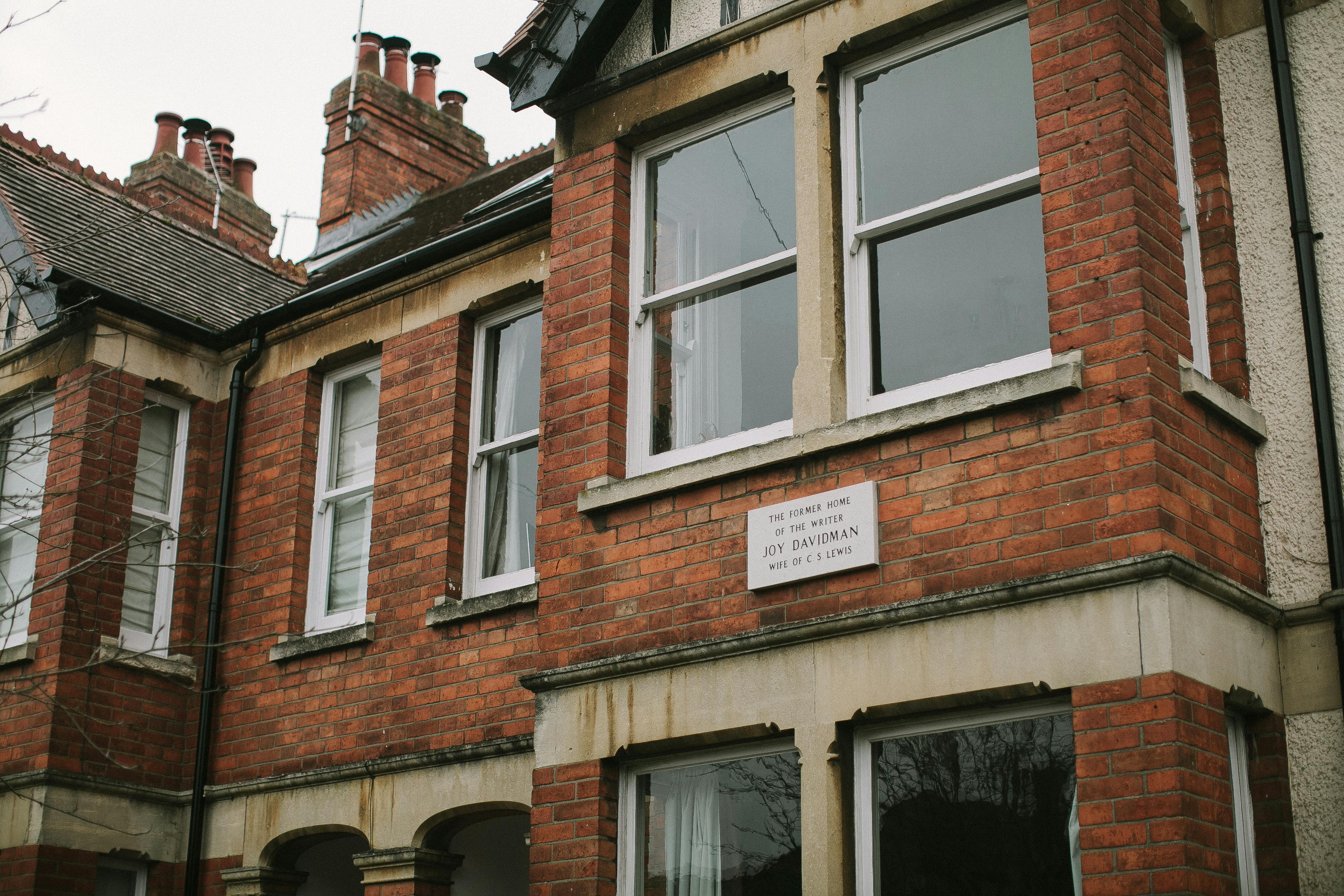
The average price of a four-bedroom house in the UK typically ranges between £400,000 and £550,000 nationally, but the true cost varies significantly by region, property type, tenure, and condition. In London and parts of the South East, prices frequently exceed £750,000, while in many Northern regions and parts of Wales, comparable homes can be found for £280,000–£380,000. Buyers must also budget for stamp duty, legal fees, surveys, mortgage costs, insurance, and ongoing ownership expenses.
What Is the Average Price of a 4 Bed House in the UK?
The average price of a four-bedroom house in the UK sits above the national average property price because it targets established families and upsizers rather than first-time buyers. While the overall UK average house price typically fluctuates around the mid-£200,000s, a four-bedroom property generally commands a premium of 40–80% depending on location and property type.
As a working benchmark:
• England (national average for 4 beds): Approximately £450,000–£550,000
• Scotland: Approximately £320,000–£420,000
• Wales: Approximately £300,000–£390,000
• Northern Ireland: Approximately £260,000–£340,000
These figures reflect typical asking and achieved prices for freehold detached and semi-detached family homes rather than flats or converted properties.
Importantly, “four-bedroom house” is not a uniform category. A modern four-bed detached home in a commuter town is priced very differently from a Victorian terrace with four small bedrooms in an urban centre. Floor area, layout efficiency, off-street parking, school catchment, and transport access all influence value.
For buyers planning affordability, lenders generally assess borrowing capacity based on income multiples (often 4–4.5x household income, sometimes higher with strong profiles). That means purchasing a £500,000 four-bedroom home often requires a household income exceeding £110,000–£125,000 depending on deposit size and lender criteria.
How Do Prices Vary by Region?
Location is the single largest determinant of four-bedroom house prices in the UK. The same property specification can vary by more than £400,000 between regions.
London
In London, the average four-bedroom house frequently exceeds £800,000 and can surpass £1 million in many boroughs. Outer London boroughs offer comparatively better value than central zones, but price per square foot remains the highest in the UK.
Drivers of pricing include:
• International demand
• High land values
• Strong employment hubs
• Transport connectivity
South East & East of England
In commuter regions surrounding London, four-bedroom houses commonly range from £550,000 to £750,000. Premium school catchments and rail links into the capital significantly increase demand.
Midlands
The West Midlands and East Midlands typically see four-bedroom homes priced between £350,000 and £500,000. Cities with regeneration projects or strong job growth may command upper-range pricing.
North of England
In the North West, North East, and Yorkshire, prices are more accessible. Many four-bedroom family houses range between £280,000 and £420,000, depending on urban versus suburban location.
Scotland
Scottish property markets operate under different legal processes and valuation practices. Four-bedroom homes in cities such as Edinburgh can exceed £500,000, while rural or secondary cities often remain significantly lower.
The key takeaway: regional economic strength, infrastructure investment, and population growth correlate strongly with higher four-bedroom house prices.
What Factors Affect the Cost of a 4 Bedroom Home?
Beyond location, several structural and financial variables determine the purchase price of a four-bedroom house.
1. Property Type: Detached vs Semi-Detached vs Terrace
Detached four-bedroom houses command the highest prices due to privacy, larger plots, and resale desirability. Semi-detached homes typically cost 10–20% less than comparable detached properties. Four-bedroom terraced homes, where available, can be more affordable but may compromise on parking or garden size.
2. Floor Area and Layout
A “four-bedroom” label does not guarantee generous space. A 1,200 sq ft townhouse differs significantly from a 2,000+ sq ft detached home. Buyers should evaluate price per square foot rather than bedroom count alone.
3. Condition and Modernisation
Renovated, energy-efficient properties achieve stronger prices. Homes requiring structural work, roof replacement, rewiring, or boiler upgrades may appear cheaper upfront but increase total acquisition cost.
4. Energy Performance (EPC Rating)
Energy efficiency is increasingly material to value. Higher EPC ratings reduce long-term running costs and improve mortgage eligibility with certain lenders offering green products.
5. Freehold vs Leasehold
Most four-bedroom houses are freehold, which avoids ground rent and service charge exposure. Leasehold houses exist, particularly on new-build estates, and may include estate management charges that affect affordability.
6. School Catchment Areas
Access to highly rated state schools can add substantial premiums. Demand from families intensifies competition in these zones, particularly for four-bedroom homes.
7. New Build vs Existing Property
New-build four-bedroom homes often carry a 5–10% price premium due to warranties, modern specifications, and energy efficiency. However, they may have smaller plots compared to older housing stock.
Understanding these drivers helps buyers assess whether an asking price reflects true market value or emotional pricing by sellers.
What Is the True Total Cost of Buying a 4 Bed House?
The purchase price is only part of the financial commitment. Buyers of four-bedroom homes must account for transaction costs that typically add 3%–7% to the total acquisition cost, depending on tax exposure and property value.
Stamp Duty Land Tax (SDLT): For properties above the tax threshold, stamp duty becomes the largest additional cost. On a £500,000 home, SDLT can amount to tens of thousands of pounds depending on whether the buyer is a first-time purchaser, moving home, or acquiring an additional property.
Legal Fees: Conveyancing costs typically range between £1,200 and £2,500 including searches, land registry fees, and administrative expenses.
Survey and Valuation: Mortgage valuation fees are often modest, but independent building surveys—particularly advisable for older four-bedroom houses—may cost £500–£1,500 depending on property size and survey depth.
Mortgage Arrangement Fees: Many lenders charge product or arrangement fees that can range from £0 to £2,000+, often added to the mortgage balance.
Moving and Setup Costs: Removal services, furniture purchases, minor renovations, and initial repairs frequently add several thousand pounds beyond the purchase transaction.
When planning affordability, financial advisers often recommend maintaining an additional contingency reserve equal to 1–2% of the property value to cover unexpected post-completion repairs.
Deposit and Mortgage Requirements for 4 Bedroom Homes
Four-bedroom houses usually fall into the “second-step” or “family upsizing” category, meaning lenders expect stronger borrower profiles compared with entry-level purchases.
Typical Deposit Expectations
Most buyers purchase four-bedroom homes using deposits between 10% and 25% of the purchase price. Larger deposits reduce monthly repayments and often unlock more competitive mortgage interest rates.
For example:
• 10% deposit on a £500,000 property: £50,000 upfront
• 20% deposit: £100,000 upfront
• 25% deposit: £125,000 upfront
Income Requirements
Lenders typically offer borrowing capacity of approximately 4–4.5 times verified household income, though affordability stress testing and financial commitments also influence approval limits. Larger properties with higher running costs may undergo stricter affordability checks.
Interest Rate Sensitivity
Because four-bedroom homes involve larger loan balances, even small interest rate changes significantly affect monthly repayments. Buyers should evaluate affordability using stress-tested scenarios rather than current promotional mortgage rates alone.
Mortgage brokers frequently advise ensuring repayments remain manageable even if interest rates increase by several percentage points over the fixed-rate period.
Ongoing Ownership Costs of a Four-Bedroom Property
Larger homes create higher ongoing costs than smaller properties, which must be included in long-term affordability planning.
Council Tax
4-bedroom houses often fall into higher council tax bands due to size and valuation history, increasing annual ownership expenses.
Utilities and Energy
Heating, electricity, and water consumption increase with floor area and occupancy levels. Energy-efficient construction, insulation, and heating systems can significantly reduce lifetime running costs.
Maintenance and Repairs
Home maintenance typically averages 1% of property value annually over the long term. For a £500,000 home, this equates to approximately £5,000 per year when averaged across roofing, exterior upkeep, appliance replacement, and structural maintenance cycles.
Insurance
Buildings and contents insurance premiums rise with property size, rebuild cost, and location risk factors such as flood zones or subsidence exposure.
Understanding these recurring costs ensures buyers evaluate total ownership affordability rather than focusing solely on mortgage payments.
Common Buyer Mistakes When Purchasing Large Family Homes
Purchasing a four-bedroom house represents a significant financial commitment, and several common mistakes can affect long-term satisfaction and financial stability.
Underestimating Total Purchase Costs
Many buyers budget only for deposit and mortgage payments without accounting for stamp duty, legal fees, moving costs, and immediate repairs. This can create liquidity pressure shortly after completion.
Prioritising Bedroom Count Over Usable Space
Not all four-bedroom layouts provide practical living space. Buyers should evaluate total floor area, storage capacity, parking availability, and garden size rather than relying solely on bedroom numbers.
Ignoring Commute and Infrastructure Factors
Properties priced attractively in peripheral areas may involve significantly longer commuting times or limited public transport access, which affects long-term lifestyle costs.
Overextending Borrowing Capacity
Purchasing at the maximum approved mortgage limit leaves little financial flexibility for unexpected expenses, rate increases, or income changes. Financial planners generally advise maintaining repayment buffers within household budgets.
Not Assessing Future Resale Demand
Even for long-term homeowners, resale liquidity matters. Properties located near schools, transport networks, and employment centres typically maintain stronger resale performance.
Future Outlook for 4 Bedroom House Prices in the UK
Long-term price performance for four-bedroom houses has historically remained stronger than smaller property segments due to limited supply of larger family homes and consistent demand from upsizing households. Population growth, household formation, and school catchment demand continue to support this segment of the market.
Short-term price movements are typically influenced by mortgage interest rates, employment stability, and lending conditions. When borrowing costs rise, transaction volumes may slow temporarily, but demand for family homes often rebounds quickly once financing conditions stabilize.
Regional infrastructure investment—such as new rail connections, regeneration projects, and employment hubs—also drives localized price growth. Buyers assessing long-term value should evaluate regional economic trends rather than relying solely on current pricing cycles.
Is Now a Good Time to Buy a 4 Bed House?
The suitability of timing depends less on attempting to predict market cycles and more on individual financial readiness. Buyers purchasing a four-bedroom home for long-term occupancy typically benefit from market stability over time, as ownership duration reduces exposure to short-term price fluctuations.
A financially appropriate purchase usually meets the following criteria:
• Stable household income supporting mortgage repayments under stress-tested scenarios
• Emergency savings covering at least several months of living expenses
• Sufficient deposit to secure competitive mortgage rates
• Clear long-term occupancy plans (typically five years or more)
When these fundamentals are in place, market timing becomes less critical than affordability discipline and property suitability.
Key Takeaways
- Average Pricing: Four-bedroom houses in the UK typically range between £400,000 and £550,000 nationally, with substantial regional variation.
- Location Premiums: London and the South East command the highest prices, while Northern regions, Wales, and some Scottish markets remain more affordable.
- Total Purchase Costs: Buyers should budget an additional 3%–7% of property value for taxes, legal expenses, surveys, and moving costs.
- Ownership Expenses: Larger homes carry higher council tax, energy, maintenance, and insurance costs that affect long-term affordability.
- Investment Stability: Family homes generally experience sustained demand due to limited supply and strong demographic drivers.
Frequently Asked Questions
How much deposit is required to buy a 4 bedroom house in the UK?
Most buyers provide deposits between 10% and 25% of the purchase price, although larger deposits typically secure lower mortgage interest rates and improved affordability.
Are four-bedroom houses a good long-term investment?
Family-sized homes often maintain consistent demand due to limited supply and household growth trends, which supports long-term value stability compared with smaller property types.
What additional costs should buyers expect beyond the purchase price?
Additional costs commonly include stamp duty, conveyancing fees, surveys, mortgage arrangement fees, insurance, and moving expenses, typically totaling several percentage points of the property value.
Why do four-bedroom house prices vary so widely across the UK?
Regional income levels, infrastructure, employment opportunities, school catchments, and housing supply significantly influence property values, creating large price differences between regions.
Is buying a four-bedroom home better than upgrading later?
Purchasing a suitably sized home initially can reduce future moving costs and transaction taxes, but affordability and long-term financial stability should always determine purchase decisions.
Conclusion: The average four-bedroom house price in the UK varies widely by region, but understanding total acquisition costs, financing requirements, and long-term ownership expenses allows buyers to assess true affordability and make informed purchasing decisions aligned with long-term housing needs.
References
- UK Housing Market Price Indices and regional property statistics.
- Mortgage lending affordability guidance and financial regulatory publications.
- National property transaction and taxation frameworks including SDLT regulations.
- Energy performance and housing efficiency regulatory standards.