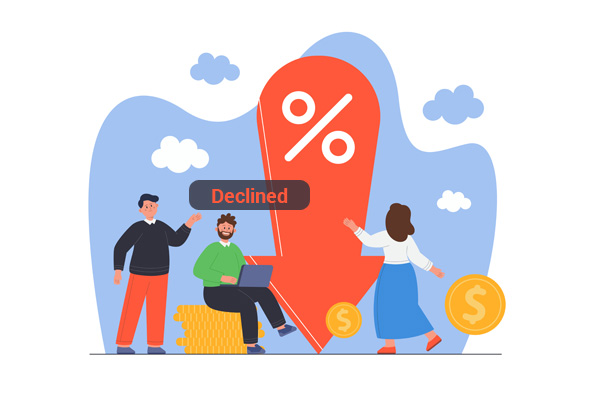
UK House Prices: Record Highs and Unexpected Drops - What Buyers Need to Know
Dec 23, 2025

The UK housing market has always been a rollercoaster. One week, headlines shout record highs. Next, a sudden dip makes buyers hesitate. If you’re thinking of purchasing a property, it can feel confusing, exciting, and intimidating.
Prices are climbing in some areas while falling in others. London’s luxury flats are seeing mixed trends, while regional towns continue to surprise. It’s a market of contrasts, and understanding it can save you thousands.
For many buyers, the fear is simple. What if I pay top prices now and the market drops next year? But timing the property market perfectly is almost impossible. What you can do is make smarter choices and understand the forces shaping house prices.
This guide looks beyond the headlines. We’ll explore why prices hit record highs, why some areas see sudden drops, and what it means for you as a buyer.
Why Prices Are Hitting Records
Let’s be honest. Property in the UK has been expensive for years. Low interest rates, high demand, and limited supply created the perfect storm.
Cities like London, Edinburgh, and Bristol are prime examples. People still want to live there, and developers can’t build fast enough. When demand outstrips supply, prices go up. It’s simple economics.
Another factor is inflation. Construction costs have risen sharply. Materials, labour, and land, all more expensive than a few years ago. Developers pass these costs on to buyers.
And don’t forget lifestyle changes. Remote work has shifted demand. Families want more space, gardens, or properties in commuter towns. This has pushed up prices outside traditional city centres.
Areas Seeing Unexpected Drops
If some areas are booming, others are cooling. But why?
Take London, for example. There are local boroughs where property values have fallen by small but significant amounts over recent years. Luxury flats, particularly in over-supplied zones, are not able to sell well. Consumers are wary of high-ticket purchases.
Next, it is the effect of interest rates. Mortgage costs have risen. Certain customers are forced out, and this retards demand. The decrease in demand may result in a fall in price, particularly of those that had been overpriced.
Even smaller towns aren’t immune. Areas that relied heavily on a single industry can see stagnation or slight drops when local economic conditions change. This patchwork effect means house prices don’t move uniformly.
Understanding Market Cycles
Property markets don’t move in a straight line. There are peaks, corrections, and slow periods. That’s normal. Buyers often panic during dips, thinking the market is crashing. But dips can be temporary.
Historical trends show that long-term property values in the UK tend to rise. Short-term fluctuations don’t change that. The key is perspective. Are you buying to live in the property long-term or purely to profit from appreciation? Your approach changes everything.
Timing is tricky. Many people wait for the “perfect moment” to buy. Rarely does it come. Sometimes acting during a minor correction, when interest rates are still manageable, is smarter than waiting indefinitely.
Tips for Buyers in a Volatile Market
So, what does this mean for someone looking to buy now? A few principles can guide you:
- Focus on affordability, not headlines: Don’t stretch your budget to chase the “best investment.” Buy a property you can comfortably afford.
- Consider location carefully: Areas with good schools, transport links, and local amenities hold value better. Even if the market dips, these properties rebound faster.
- Check the mortgage carefully: Interest rates are higher than a couple of years ago. Factor this into your monthly budget.
- Think long-term: Property isn’t a quick flip. If you plan to stay for five years or more, short-term price drops are less relevant.
- Inspect thoroughly: Avoid overpaying for homes with hidden repair issues. A survey is essential, even if it feels like an extra cost upfront.
Expert Opinion: Look Beyond Headlines
Here’s the truth from someone who follows the market closely. Headlines make a story out of every minor movement. But for serious buyers, it’s about fundamentals.
Yes, some regions are hot, and others are cooling. Yes, rates are up. But if you focus on property quality, location, and affordability, you’ll make a sound decision regardless of minor fluctuations.
People who panic and wait too long often miss out. And those who buy recklessly without research risk paying a premium or facing costly repairs. Balance is everything.
The Role of Inflation and the Economy
These include interest rates, inflation and growth of the economy. Increasing prices have an impact on both developers and buyers. Inflation gradually raises prices, whereas increasing interest rates can stifle purchasers.
The market is currently experiencing the two forces. The prices are high, and the pressure to afford transactions is slowing them transactions. That is why there are dips in some areas and still others ascend.
The negotiation of buyers is aided by understanding these forces. In regions where there is a cooling need, sellers are more relaxed. You have leverage with timing and research.
Renting vs Buying
Other individuals will react to the high prices and rent. The demand for rentals is high, especially in cities where the prices of purchasing properties are exorbitant. This trend can also affect property values for investors. High rents will tend to sustain high prices of purchases on the one hand, as long as tenants can pay regularly.
To new customers, look at your long-term plan. Renting can be reasonable in the short term, but getting a house is a major wealth creation avenue.
Final Thoughts
Prices of houses in the UK will never be constant. Some regions reach an all-time high, and others record a decline. That’s normal. It is important to be able to make informed choices and understand why.
Successful buyers are those who pay attention to location, cost, and long-term objectives. Don’t panic at headlines. Take up the dips when the fundamentals are good.
The market isn’t perfect. It never will be. Anyway, a thorough study, patience and a sensible budget will enable you to sail through the ups and downs and yet win.
About the Author