NYC Office Market Trends: Navigating the 2025 Landscape
Dec 23, 2025
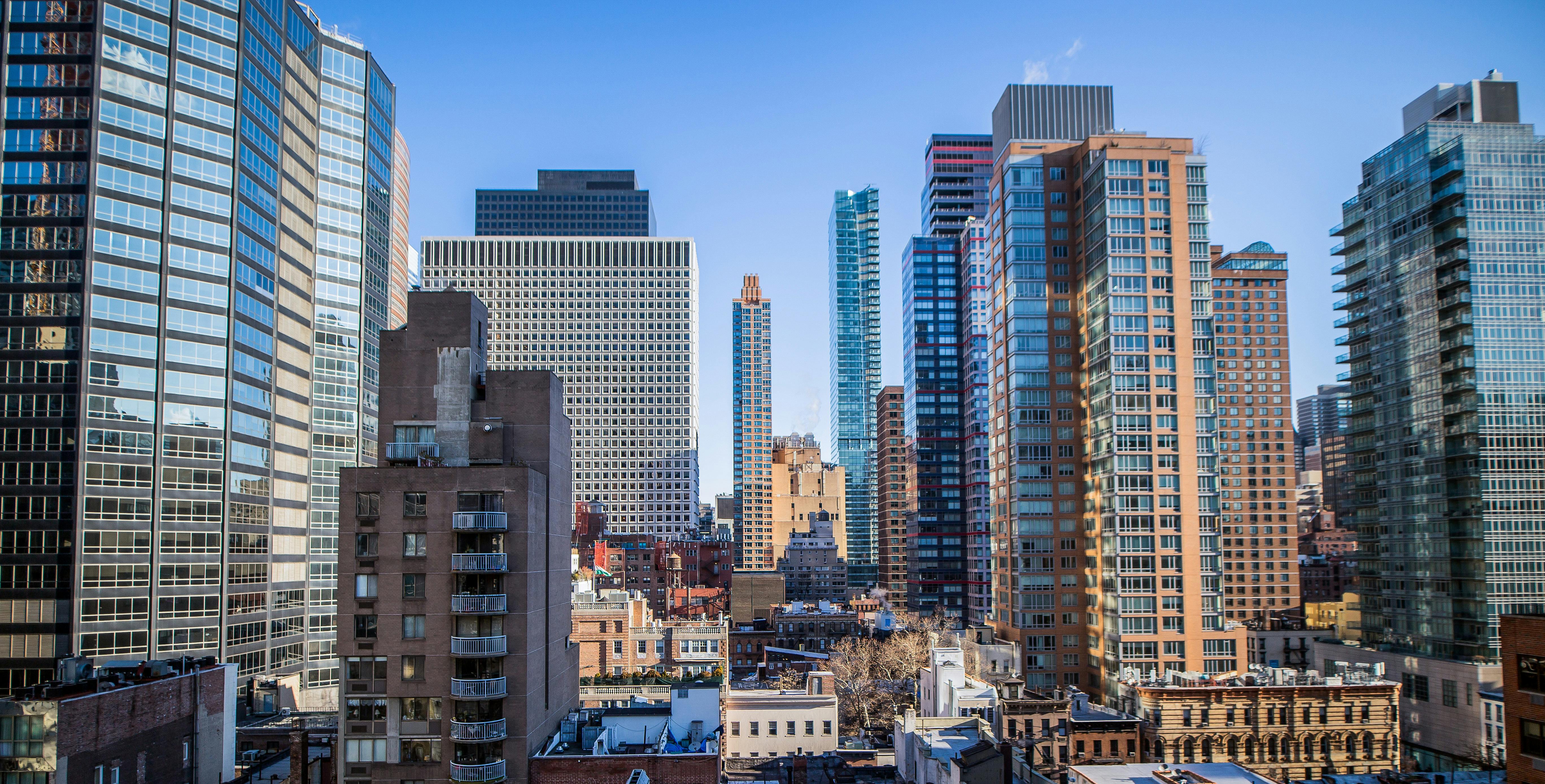
The office market in New York City is undergoing an incredible revival in 2025, and this is the best performance in almost 20 years. The market has been able to outperform the national trends and surpass pre-pandemic levels due to the 23.2 million square feet of office space leased in Manhattan in the first nine months of the year.
Leasing Activity Soars
Top leasing activity was also recorded in the first quarter of 2025, which recorded 12.2 million square feet, the highest since 2019. This boom is credited to the large tenants such as Deloitte and Verizon investing in large spaces in prime locations such as Hudson Yards and Penn 2.
Sector-Specific Demand
- Finance: Financial institutions remain the market anchor, and financial institutions like JPMorgan Chase have invested in new headquarters.
- Technology & Media: Tech startups and companies such as Amazon are increasing their presence, which has led to an increase in demand for modern office spaces.
- Professional Services: Law firms and consulting agencies are renting big blocks of space, indicating that they are optimistic about long-term operations.
Class A vs. Class B Spaces
Average properties Class A properties are commanding a premium rent, and more than 143 leases above $100 per square foot are secured in 2025. On the other hand, Class B spaces are gaining momentum, with firms opting to have economical solutions without compromising on quality.
Return-to-Office Trends
The rate of returns to work in New York City is the highest in the country, and workplace attendance is higher than in 2019. This tendency is predetermined by the fact that the city has a high transit network, and in-person collaboration is attractive.
Development and Conversion Projects
New projects and conversions are being undertaken by developers in response to the demand. Indicatively, the city has invested in modern infrastructure, as evidenced by the JPMorgan Chase headquarters, which cost the bank a whopping three billion dollars.
The rental prices have gone up sharply due to the robust revival of the NYC office market. Midtown and Downtown class A space is currently renting at all-time highs of $100-120 per square foot, with some Hudson Yards building prices being even more. This increase in prices is seen to be due to low supply within the prime locations, as well as high-quality products capable of satisfying the requirements of the modern tenants.
But, increasing rents are also a problem for smaller businesses and startups. Other companies are moving to the up-and-coming submarkets such as Long Island City, Brooklyn Navy Yard, and Jersey City to save on the cost but remain close to Manhattan. Such secondary markets are enjoying the new development and transportation upgrades, bringing a more balanced market.
The pricing trend is also drawing attention to investors. Office premises are also becoming popular as a long-term capital growth investment, especially at current levels, due to high rents in prime areas, combined with very low financing rates relative to those of the past decades. On the one hand, vacancy rates in older Class B and C buildings are still high, but on the other hand, investors work on the renovation or transformation into a mixed-use building or repositioning to suit modern tenants.
Infrastructure and Transit Advantages
The transportation network of NYC is one of the most significant factors that have contributed to the recovery of the office market in the city. The city has a subway, commuter rails, and bus networks on which companies depend to transport employees to work effectively. The location is close to major transit centers such as Penn Station, Grand Central, and the Fulton Street complex, which makes office spaces very attractive.
The market is being added with infrastructure enhancements, including Penn Station upgrades and the Second Avenue Subway extension. Tenants are also focusing on places that minimise travel time and places that are well-connected to the transport systems. The accessibility of NYC transportation is a key differentiator over other business centres in the U.S., which facilitates leasing operations and long-term market endurance.
Market Outlook
The overall health of the market is good despite the low 14.8% vacancy rate. High leasing activity, industry-specific demand, as well as development projects give reason to conclude that the trend is positive throughout the rest of 2025.
Key Takeaways
- Leasing activity is recovering well, exceeding the pre-pandemic levels.
- Both Class A and Class B spaces are under a growing demand, and they can satisfy a variety of tenant requirements.
- The trend of returning to the office is on the rise, taking advantage of the infrastructure and facilities available in the city.
- Development and conversion projects are matching the requirements of the market, having a constant provision of modern office spaces.
Conclusion
To sum up, the office market in 2025 in New York City will be resilient and flexible. The union of leasing, industry-specific demand, and strategic events makes the city one of the top commercial real estate markets.
About the Author