Northern Ireland Tops UK in Annual House Price Growth
Jan 21, 2026
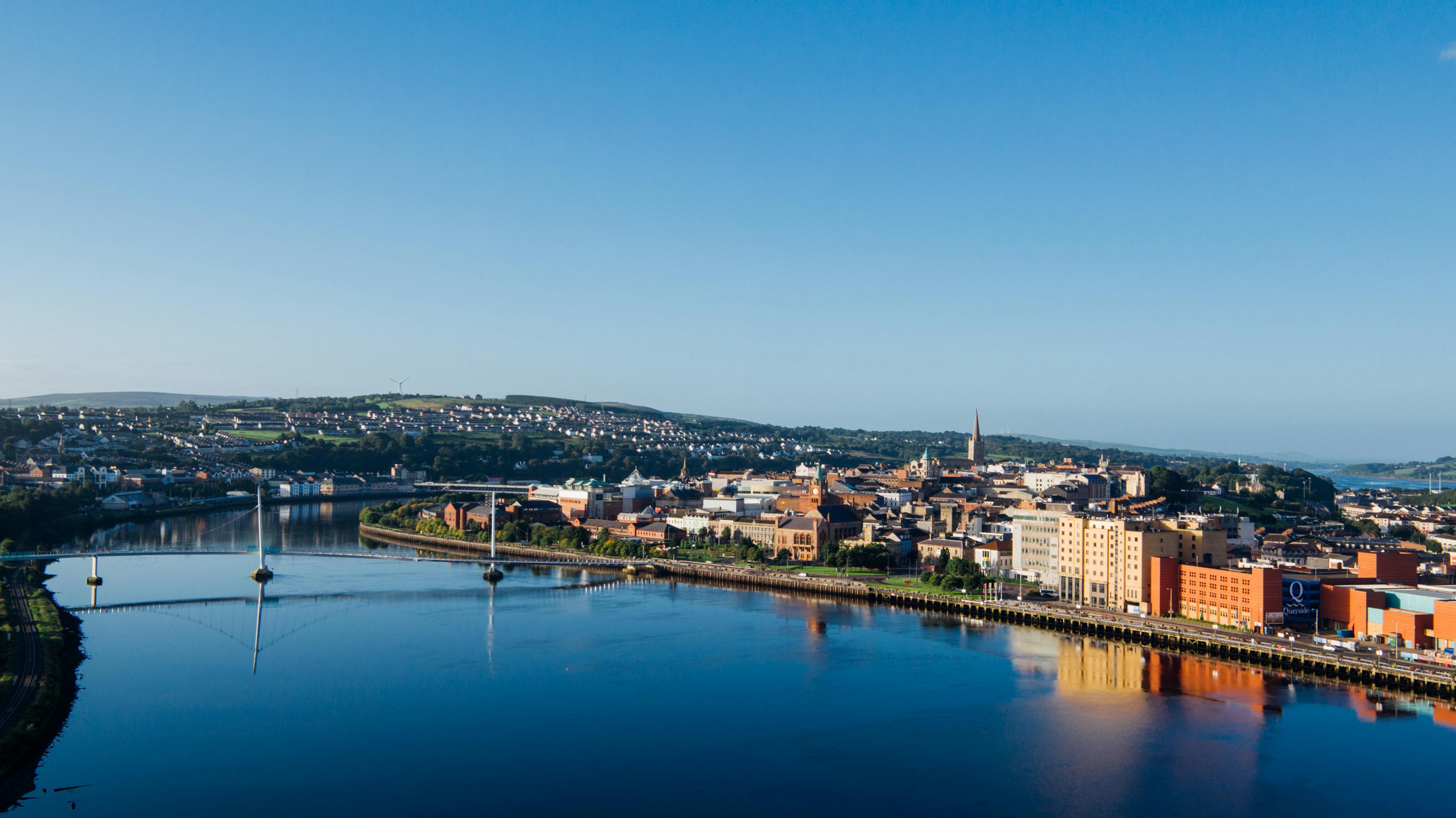
The UK housing market is being led by Northern Ireland. Whereas other areas are recording slight increases or even no increases, Northern Ireland has leapt forward with the highest annual increase.
By the beginning of 2025, the price of a house in Northern Ireland had increased by almost 10 per cent compared to the same time last year. The average house is now slightly above £185, 000. This type of growth is attracting attention from buyers, investors, and policymakers in a region that has always been perceived to be cheaper than other regions in the UK .
Clear Numbers, Strong Momentum
- Growth in the price of houses per year: approximately 9.5 per cent as quoted by (NISRA).
- Mean property price: £185,037 in Q1 of 2025, and rising to 215,713 in Q2.
- Sales: more than 5,400 sales within a quarter.
- Terraced homes led the pack, rising by more than 10 per cent year-on-year.
- New builds also showed double-digit growth.
These are not just spikes; they suggest a sustained upward trend.
Why Northern Ireland Is Leading
Limited Supply, Strong Demand
The housing demand is not matched by the number of new homes being constructed. Planning approvals have been declining, as well as completions. Having fewer houses on sale, competition among buyers has increased.
Homes are also selling faster. The average property now goes “sale agreed” in under 50 days, two weeks quicker than usual. At the same time, buyer enquiries per listing have jumped by more than 15 per cent.
Value for Money
Northern Ireland is still among the cheapest regions in the UK, even with the increase. Buyers who cannot afford London or the South East are turning their eyes this way. The value proposition is obvious to all the first-time buyers and also to investors.
Broader Market Trends
Across the UK, growth is muted. National house prices are rising at about 2 per cent annually. London and the South East are barely moving, with increases below 1 per cent. Northern Ireland’s near 10 per cent growth shows a stark contrast.
Stability Through Uncertainty
The housing sector in Northern Ireland has been very resilient. Prices have been steadily increasing since the end of 2023, without falling the way other areas have done. This continuous performance has increased buyer confidence.
Regional Differences Within Northern Ireland
- Growth in Causeway Coast and Glens was recorded to be more than 15 per cent.
- In Mid Ulster, the growth was less rapid, about 5 per cent.
This demonstrates that the local situation is important even though the market in general is good. Regions that are tourist-friendly, have good employment opportunities, or are increasingly in demand as a rental property are drawing ahead.
The Rental Market Boost
Rents are also rising. The average monthly rent has climbed to nearly £1,000, an increase of over 8 per cent in one year. With more tenants competing for fewer homes, rental yields are strengthening.
For investors, this means Northern Ireland offers both capital growth and attractive rental returns.
Challenges and Risks
- No market grows without limits.
- The Q3 growth has been decreasing at a slower pace, which implies a more gradual increase in the future.
- Affordability may be influenced by economic pressures such as inflation or changes in interest rates.
- Future policy alignments of housing, tax or planning may affect future demand.
- Don’t assume that growth is distributed uniformly and as such buyers must be location selective.
What It Means for You
- For sellers: You’re in a strong position. Rising equity means this could be the right time to list, but avoid overpricing. Buyers are active, but cautious.
- For buyers: Be ready to act quickly. Properties are selling faster, and competition is stronger. Get mortgage agreements in place early.
- For investors: Northern Ireland currently offers one of the best combinations of affordability, capital growth, and rental yield in the UK. Target emerging councils where growth is catching up to the leaders.
The Outlook
Looking ahead to late 2025 and into 2026, several factors will shape the market:
- Interest rate decisions will directly affect affordability.
- Housing supply will remain a critical issue.
- Demand from outside Northern Ireland could strengthen if buyers keep chasing value.
- Regional hotspots will become more important than broad averages.
- If annual growth stays between 7 and 10 per cent, Northern Ireland will likely remain the UK’s fastest-growing housing market.
Final Word
Northern Ireland has moved from being a “quiet” housing market to leading the UK. Its mix of affordability, strong demand, and limited supply is driving fast growth. For homeowners, it’s a time of rising equity. For buyers, it’s a market that requires speed and decisiveness. For investors, it offers both growth and yield opportunities.
Northern Ireland is showing the rest of the UK that housing momentum is not gone, it’s just moved west.
About the Author