Commercial Real Estate Investment Soars in London: What’s Driving the Boom?
Dec 22, 2025
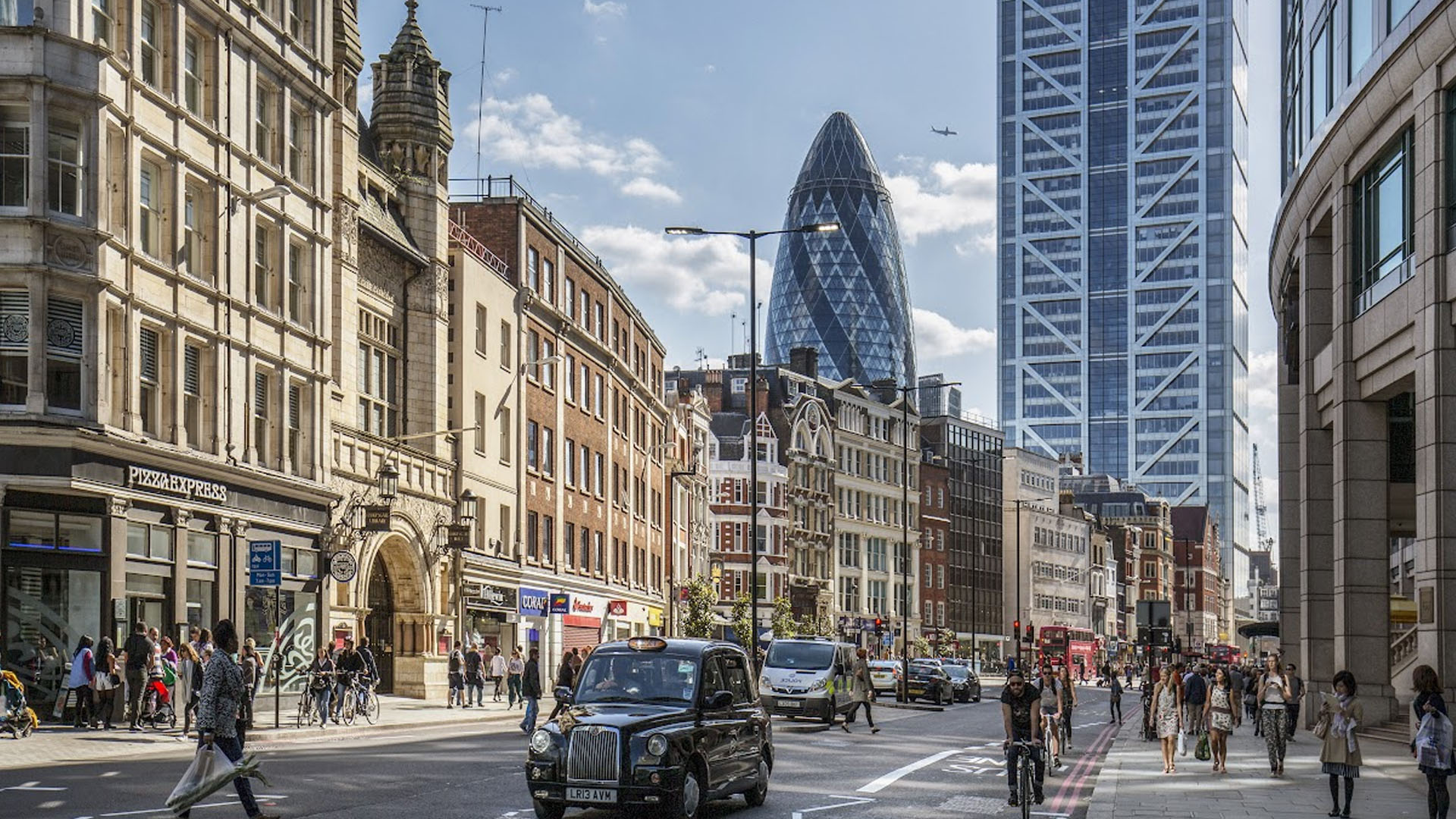
London has regained its status as a world player in commercial property investment, after attracting 87 billion dollars in the last decade, making it the most attractive place in the world. Such incredible growth has not only solidified its position as one of the first-rate finance and business centres, but has also triggered worldwide curiosity to define what makes this trend so blistering.
Record-Breaking Investment Figures
A recent report published by Knight Frank indicated that London ranked in first place as the best global city in terms of commercial real estate investment over the period 2014 to 2024. It made it surpass other competing cities such as Hong Kong ($61 billion) and New York ($52 billion), which further demonstrates that British capital has continued to prove its attractiveness to international and institutional investors.
The commercial property sector in London has even demonstrated extreme resilience amid difficult events such as Brexit, the pandemic, and even the rising interest rates. Whether it is mid-rise office towers or mixed-use properties, economic certainty around the long-term fundamentals of the London market remains firm.
Key Drivers Behind the Surge
1. Global Investor Confidence
London still draws in sovereign wealth funds, pension funds, and private equity throughout Europe, Asia, and the Middle East. The recent mega PR friendly investment by the Saudi Arabian Public Investment Fund into a potential 1200 high-rise Manhattan-style tower in the heart of London is a strong indicator that global capital is being funnelled into quality London assets.
2. Favourable Currency Conditions
Foreign investors now have access to UK assets thanks to the weaker pound after Brexit and other macroeconomic changes that have reduced the cost of acquiring their assets. This monetary benefit, in combination with the robust prospects of capital increase, has made London commercial real estate a nice purchase.
3. Infrastructure & Regeneration Projects
Significant schemes in the infrastructure, such as Crossrail (Elizabeth Line) and the continued regeneration of places such as Battersea, Stratford, and Canary Wharf, have hugely increased the connectivity and enhanced the value of business areas. These retrofits are boosting the number of people and tenants in major business hubs.
4. Resilient Office and Tech Demand
The centre of the London office market, especially in the West End and the City, is recovering even as hybrid work environments are fluctuating. Technology, banking agencies, and law firms are still in demand of the high-specified office space to find talent and preserve corporate identity.
The presence of tech giants, such as Google, Apple, or Meta, in the capital keeps growing, which leads to the increasing demand for high-end commercial real estate.
5. Green Building & ESG Focus
The investors are more interested in environmentally friendly and sustainable building, and London is experiencing the best commercial development. The higher the green rating, the higher the Boyland quality, and the higher the showroom rates, where the superb blue-chip tenants prefer to occupy.
Top Areas for Investment
- City of London: Old-style financial centre with new building construction and office improvements.
- West End: A premium retail and office location which attracts high-end retailers and arts firms.
- Canary Wharf: Developing a mixed-use and technology-friendly environment, well-connected with the transport system.
- Stratford & East London: With Olympic legacy and massive regeneration schemes.
Outlook: Will the Boom Continue?
According to analysts, the current momentum would most likely go on even in 2025, but they are giving keen attention to inflation, interest rate policies, and geopolitical tensions. The increased demand in the purchase of mixed-use, green-certified as well and centrally located properties implies that London will continue to be a favourite place to invest in the field of commercial real estate.
About the Author