Blackpool's £300 Million Regeneration: What It Means for Local Property Values
Dec 19, 2025
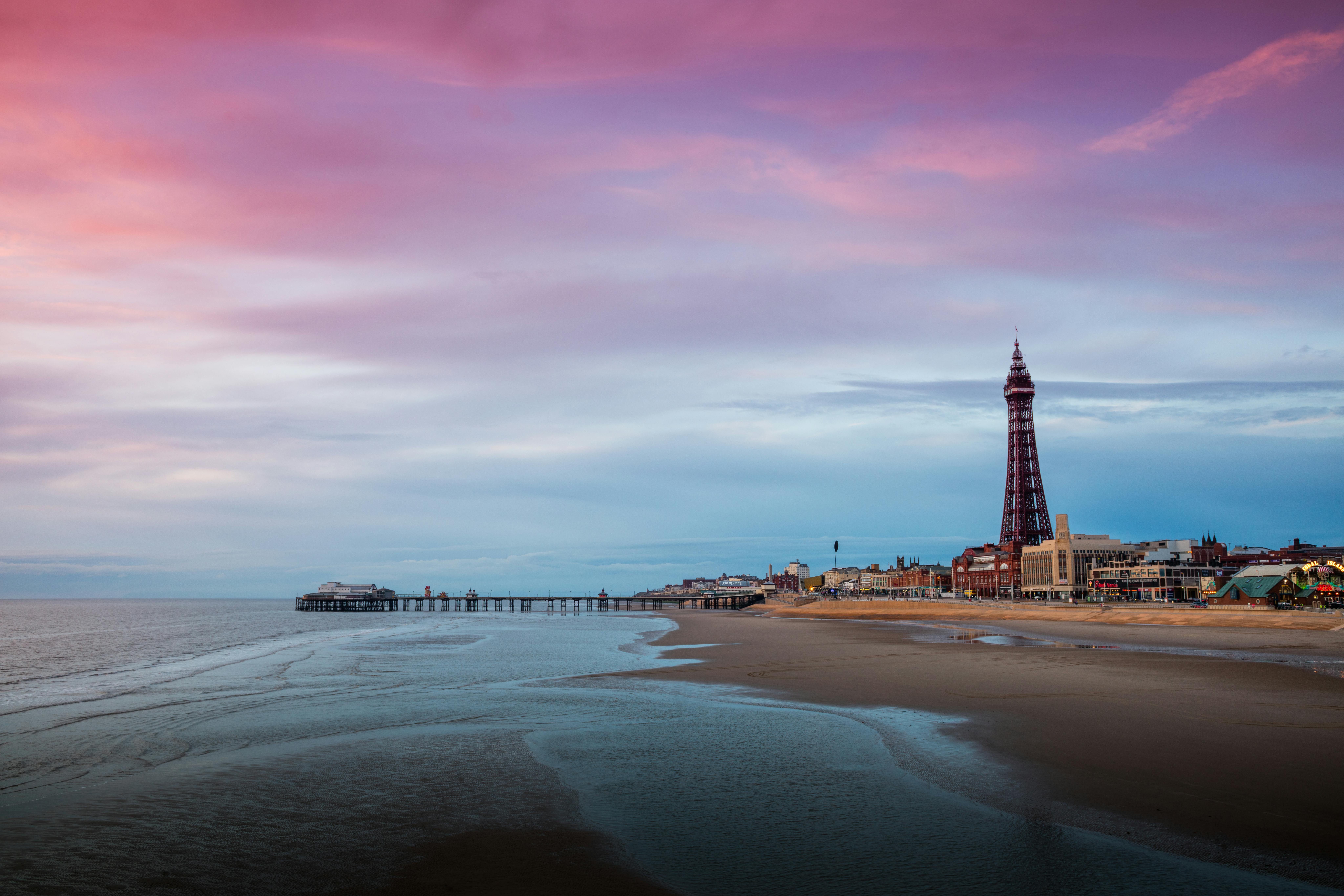
Blackpool is changing. The seaside town had been a destination of piers and family holidays, of the Tower, and the beach. However, in the background of the nostalgia, the region was falling backward. The number of visitors decreased, employment was lost, and property prices remained obstinately low by the standards of the rest of the UK.
However, a new regeneration strategy worth over 300 million is rewriting the story. Investment is taking place towards new entertainment spaces, housing projects, transport upgrades, and cultural landmarks. It is not only a goal to modernise the town, but to make it anew.
The great question to property owners and investors: What does this imply for property value? When it is the real change in Blackpool, the subsequent impacts could be dramatic.
A Closer Look at the £300 Million Plan
This isn’t a single project. It’s a combination of developments, all of them formed to work in conjunction. Hotels, conference centres, and recreational attractions are already on the anvil. Winter Gardens Conference Centre, an example, has been advertised as the prime catalyst towards reintroducing business tourism in the town.
The old Central Station site, which is a long-neglected portion of land, is planned to be redeveloped into one of the key mixed-use destinations. Consider hotels, indoor theme parks, restaurants, and family attractions. It is ambitious, and it is an indication that Blackpool is interested in competing with the largest coastal resorts in the United Kingdom.
There is also transport upgrades. Better road network and better rail connections are a necessity in order to make regeneration stick. Infrastructure is closely monitored by investors since it determines the convenience and the future demand.
How Property Values React to Regeneration
History tells us regeneration can be a game-changer. Look at Liverpool after its city-wide investments tied to the European Capital of Culture 2008. Property prices in central Liverpool saw double-digit growth in the years that followed.
The same happened in Manchester’s Northern Quarter, once overlooked, now one of the most desirable places to live. When investment attracts businesses, retail, and culture, property values follow.
In the case of Blackpool, the regeneration is an opportunity to come out of the trap of a low-price and low-demand market. Currently, the average property value in Blackpool is about 140,000-150,000, which is much lower than the national average. Such a discrepancy is the only thing that makes it appealing to an investor seeking low points of entry.
If regeneration works, it won’t just lift values—it could redefine the local property market entirely.
Why Investors Are Paying Attention
Buy-to-let landlords are already eyeing Blackpool. The rental yields in the town can reach between 6 and 8 percent in some postcodes, above the UK average. That’s without factoring in future capital growth.
With regeneration on the horizon, these yields could improve further. If more professionals move into the area for jobs created by new projects, rental demand will rise. If tourism picks up, short-term lets and holiday rentals become more profitable.
Investors know they’re not buying into Blackpool as it is today. They’re buying into what Blackpool could look like in 10 years.
Local Buyers and Homeowners
It’s not just investors who will feel the impact. Local homeowners may see their equity grow. Families looking to move up the property ladder could benefit as their homes rise in value.
But there’s also a risk of affordability pressures. If regeneration works too well, first-time buyers may find themselves priced out. It’s a balancing act: improve the town, but make sure the people who live there now aren’t left behind.
This tension has played out in many regenerated cities. In some cases, it creates gentrification. In others, it brings genuine, broad-based improvements. For Blackpool, the direction will depend on how local councils manage growth.
The Image Problem
One of Blackpool’s biggest hurdles is its reputation. For years, it was painted as a fading seaside town. Negative headlines about poverty, unemployment, and low-quality housing stuck.
Regeneration isn’t just about bricks and mortar. It’s about rewriting that narrative. If the new projects can shift perceptions, property values will follow. Buyers don’t just purchase homes—they buy into an area’s story. Right now, Blackpool’s story is changing from decline to rebirth. And that’s powerful.
Risks to Keep in Mind
Not all regeneration plans deliver. Some stall halfway, leaving half-finished projects. Others struggle to attract enough private investment to keep momentum.
Blackpool’s £300 million plan is bold, but it needs consistent follow-through. If political priorities shift or funding dries up, the impact on property values could stall.
For investors, the lesson is clear: don’t bank on short-term flips. Blackpool’s transformation is a long game. Those who hold property for the next decade stand to benefit most.
Comparing Blackpool to Other Coastal Towns
To see what might happen, it’s worth comparing Blackpool with other seaside towns that have regenerated. Brighton is an obvious case. Once considered a run-down coastal resort, it has transformed into a cultural hub. Today, Brighton’s average property prices are well above the UK average.
Bournemouth followed a similar path, investing in tourism, retail, and business spaces. The result? Rising demand and steadily climbing property values.
Blackpool is starting from a lower base than both. That’s actually an advantage. The room for growth is bigger. Even modest increases could represent significant percentage gains compared to pricier markets.
What Buyers Should Watch
If you’re considering Blackpool property, here are the key things to keep an eye on:
- Progress on Central Station development – This is the anchor project. Its success or failure will shape the town’s future.
- Transport links – Better connections will drive commuting and tourism.
- Job creation numbers – More jobs mean more demand for homes.
- Rental demand – Check yields in different postcodes. Some areas already perform strongly.
- Long-term perception shifts – Look at how media and investors talk about Blackpool in five years, not just now.
Final Thoughts
Blackpool’s £300 million regeneration is more than just shiny new buildings. It is a bid to restore the fortunes of a whole town. With success, property values will increase, the rental market will improve, and local homeowners will experience long-term advantages.
The town has long been underrated. And risks though there be, the trend is undisguised: Blackpool is on the move.
To buyers and investors, it is a straightforward message. Blackpool is not a nostalgic seaside resort anymore. And if you want to catch the wave, now may be the time to start buying.
About the Author