Guide to Conveyancing: What You Need to Know
Dec 19, 2025
The process of purchasing or selling a property may seem like a rollercoaster ride that you never really wanted to be part of. There are the ups of dreaming of your new home and the downs of paperwork that is like an endless train. Between the two extremes is a word that most first-time buyers or even experienced investors will encounter but hardly know fully: conveyancing.
Then what is conveyancing? Why does it matter so much? And what is the way, as a seller or buyer, of ensuring that this process proceeds smoothly? We should open it, unravel it step by step, and take a peek at it in the prism of the modern property market.
What Is Conveyancing?
Transference of property ownership between two individuals is called conveyancing. Its essence is in the fact that in the case of buying or selling a house, everything is correct, legal, and equitable. It talks about all the details (nitty-gritty) that you may not even consider, like:
- Ensuring that the seller is the owner of the property.
- Investigating whether the property is under debt or has any restrictions on the property.
- Contract drafting and contracts review.
- Processing of the transfer of money and ownership.
Consider conveyancing to be the glue of a property transaction. This would mean that without it, you may very well purchase a home only to find out later that there were debts owed, legal glitches, or even the raw realisation that the seller did not even have the right to sell at all.
Why Is Conveyancing So Important?
If property buying were a game of chess, conveyancing would be your protective strategy. It prevents unexpected moves that could leave you cornered. An error in this case is not one of the mistakes in a board game; it may cost thousands of dollars or even cause the loss of the property.
The property transactions in the markets of the UK, US, Australia, and other regions of the world demonstrate that they are increasingly becoming more complicated. Indicatively, the financial crisis of 2008 has pushed for tighter regulations, which force lenders to be more strict on paperwork. Customers must be particularly suspicious. Conveyancing professionals step in to bridge this gap.
A recent survey by Zoopla has found delays in the legal process to be one of the biggest frustrations for homebuyers. Such delays can usually be attributed to conveyancing problems like incomplete searches, lost documents, or titles that are not easily understood. A good conveyancer will result in few hiccups and a smooth ride to completion.
The Stages of Conveyancing
So now that you understand the importance of it, we can discuss how the conveyancing process works. Although information differs a little depending on the country, the general steps are the same.
Instruction of a Conveyancer or Solicitor
The moment you agree to buy or sell a property, you should appoint a conveyancer or solicitor. This professional becomes your legal guide. Imagine it as contracting a GPS to go on a journey on an unknown road. You will also end up in a maze of documents without one.
Drafting and Reviewing Contracts
Contracts are not mere documents where legal language is applied in fancy ways. They elaborate on all the key details such as price, deposit, terms, and schedules. Your conveyancer ensures that the contract safeguards your interests. As an example, when purchasing a leasehold property, they will examine the remaining period of the lease and whether the ground rent increment may give you nightmares in the future.
Conducting Searches
Searches are crucial because they uncover what you cannot see by simply visiting the property. These include:
- Local authority searches: checking planning permissions or restrictions Environmental searches: Is the land free of contamination or flooding?
- Title searches: verify that the seller is the complete owner of the property.
One buyer I once knew skipped proper searches to save money. Months later, they discovered their garden sat on land earmarked for a new road expansion. That oversight cost them dearly.
Exchange of Contracts
This is the point of no return. When exchanges of contracts are made, both buyer and seller are bound by the exchange. Coming out at this point is normally accompanied by financial fines.
Completion
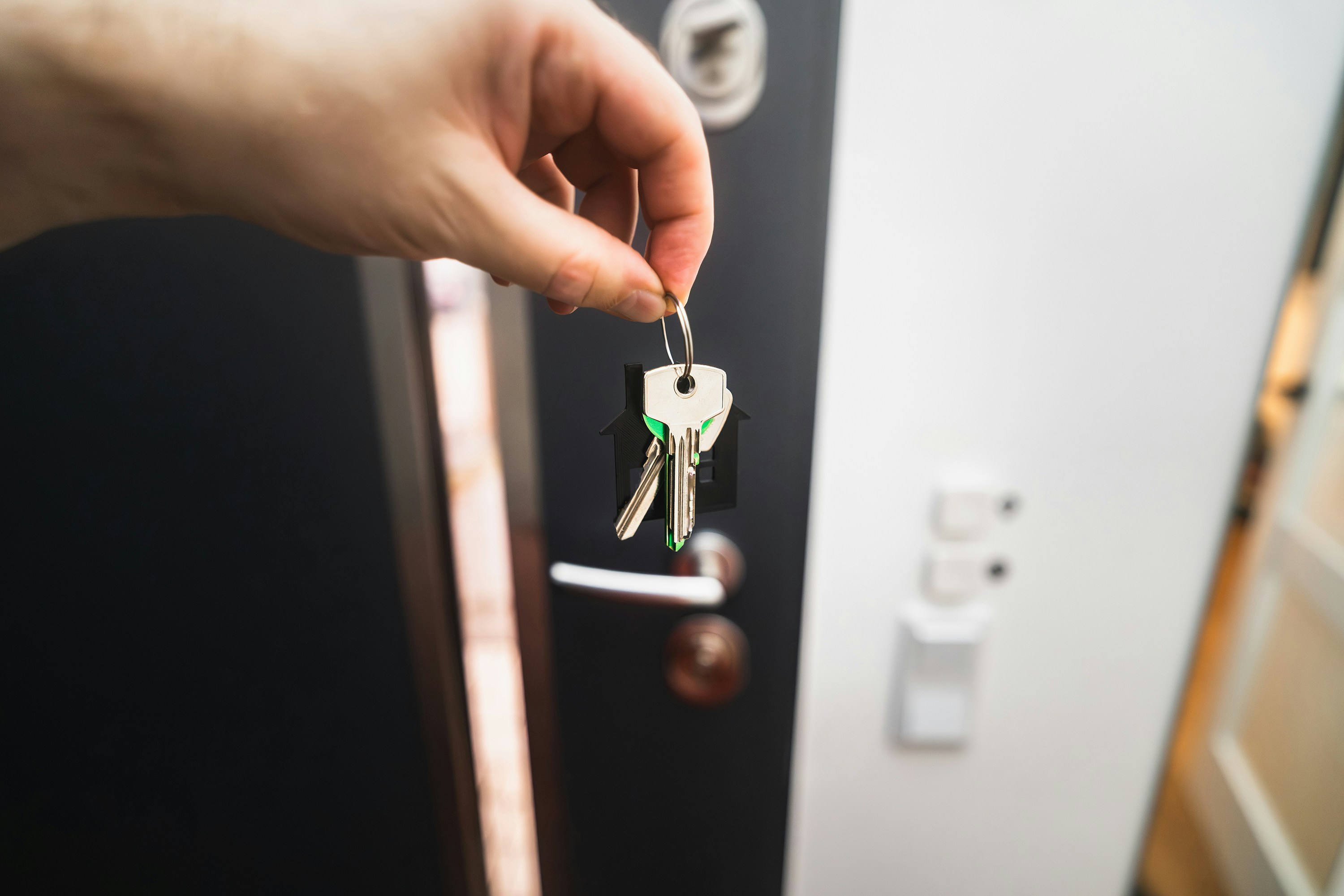
At last, money is changed, papers are signed, and ownership is officially transferred. To the buyer, it is the day they receive the keys. It is close to the seller and in many instances a new beginning in another place.
How Long Does Conveyancing Take?
The mean time to completion (offer to completion) is 8 to 12 weeks in most markets. Nonetheless, other things such as mortgage approvals, local searches, and chain transactions could either accelerate the process or slow it down.
Indicatively, in London, which has a high number of transactions that deal with leaseholds, conveyancing is likely to take a long duration due to the need to have more documents. By contrast, in other US states with less complex title protocols, it can be faster.
Common Challenges in Conveyancing
No property journey is without its bumps. Here are some challenges buyers and sellers often face:
- Slow searches: It can also take councils weeks to get the results.
- Complicated names: Joint ownership of property, leasehold, or ambiguous demarcation is difficult.
- Chain transactions: When several sales are linked, they can be affected by just a single delay.
- Unforeseen debts: When mortgages or liens of which the property is secured are found to be unpaid, it puts a hold on the process.
The key is to anticipate these challenges early. A proactive conveyancer will ensure you stay informed, pursue documents, and ensure snowballing delays are avoided.
Do You Really Need a Conveyancer?
Here’s the question some buyers ask: “Can’t I just handle the paperwork myself and save money?” Technically, in some jurisdictions, yes. But would you really want to?
Imagine trying to perform a medical operation after watching a few online tutorials. The risks far outweigh the savings. Property is likely your biggest financial commitment. Skimping on professional advice can lead to losses that make the initial savings look laughable.
Moreover, many mortgage lenders insist on a qualified conveyancer being involved. So even if you wanted to go solo, you might not have the option.
How Much Does Conveyancing Cost?
Prices differ across different areas, real estate types, and complexity.
- The cost of conveyancing to a buyer in the UK is normally between 800 and 1500.
- Closing expenses in the US, such as the conveyancing, may amount to 2 to 5 per cent of the price of the property.
- The average amount of the fees in Australia is between AUD 1000 and AUD 2200.
It should be mentioned that cheaper is not necessarily better. Less attention to detail may be the price of a bargain-rate service. Also, insist on a breakdown of costs and what is captured, including searches, disbursements, and professional fees.
Practical Tips for Smooth Conveyancing
Now that we have covered the what and why, let’s get practical. Here are some tips I have seen make a real difference:
- Select the appropriate professional: Find a person who has experience in your kind of property. Request a word of recommendation or visit online reviews.
- Have paperwork prepared in advance: Sellers are supposed to prepare deeds, planning permissions, and warranties. Mortgage offers ought to be in place among buyers.
- Keep in frequent touch: Silence is so much like delay. A phone call or e-mail weekly will keep the ball rolling.
- Be self-regarding with time: Know that you will have hiccups, but continue to push a little to make some progress.
- Budget on hidden extras: It might contain some additional costs on matters such as leasehold enquiries or more searches.
Reflections on Today’s Market
The transfer of property in the property markets has made conveyancing more imperative. As global cities such as London, New York, and Sydney experienced an increase in the value of property, people are more than ever before compelled to make sure that their purchase is legally enforceable. Even the sellers are not left behind since there is a tightening in the rules around money laundering and tax compliance.
Curiously enough, technology is starting to redefine the process. A number of countries are testing digital signatures, online identification verification, and blockchain-based title registries. Such innovations are set to achieve quicker and more open transactions. It is impossible to replace the human skills of a conveyancer, however, until they are completely mainstream.
Final Thoughts
Buying or selling a home might not be the most glamorous of activities, but it is most definitely one of the most important. It is the security, the back-up, and the assurance that your dream house is not your nightmare.
Conveyancing should be a serious consideration of yours, should you find yourself in the property market as a first-time buyer, investor, or seller. Questions are better, make a wise choice of your profession, and keep involved in the process.
Property is not really about bricks and mortar anyway. It is security, stability, and peace of mind. And conveyancing is the intermediary that assists in you bypassing the risk of owning the property to owning the keys.
Key Takeaways
- Conveyancing is a legal process through which ownership of the property is transferred and covers the buyer and the seller.
- It involves contracts, searches, exchange, and completion.
- Time is between 8 and 12 weeks.
- Regional and complexity-based costs are always clearly broken down.
- A good journey is essential with proper communication and preparation.
- A similar future may happen with conveyancing; however, professional knowledge remains a necessity.
About the Author