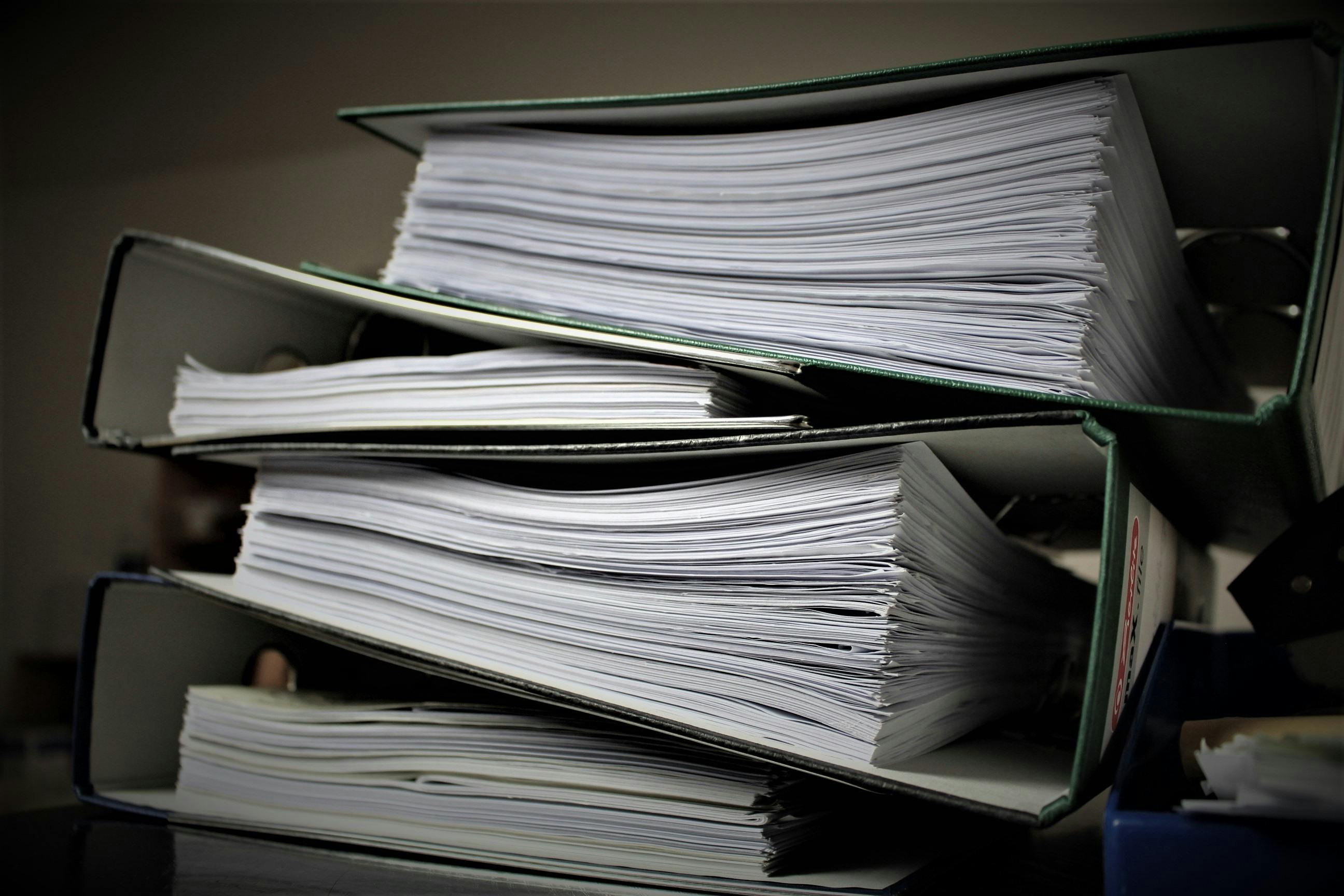
Before buying any property, you must verify legal ownership, title clarity, regulatory approvals, financial liabilities, and usage permissions through official documents. The most critical checks include the title deed, encumbrance certificate, approved building plan, land-use classification, tax receipts, and regulatory registrations. Skipping document verification exposes buyers to risks like ownership disputes, illegal construction, hidden loans, or demolition orders. Proper due diligence ensures the property is legally transferable, compliant with local laws, and financially secure.
Why Document Verification Matters Before Buying Property
Document verification is the foundation of safe property ownership. It confirms that the seller has legal rights to transfer ownership and that the property complies with local regulations. Without this step, buyers risk investing in disputed, illegal, or financially encumbered assets.
A property transaction is not just a financial decision—it is a legal transfer governed by land laws, municipal regulations, and taxation frameworks. Each document serves a specific purpose, collectively forming a legal chain that validates ownership, usage rights, and compliance.
What Risks Are Prevented by Proper Due Diligence?
Verifying documents helps eliminate common but costly risks that affect both first-time buyers and experienced investors.
- Ownership disputes: Confirms the seller is the rightful owner with transferable rights.
- Fraudulent sales: Prevents transactions involving forged or duplicated documents.
- Hidden loans or liens: Identifies mortgages or unpaid debts attached to the property.
- Illegal construction: Ensures the building complies with approved plans and zoning laws.
- Government acquisition risk: Verifies the land is not marked for public use or acquisition.
Who Should Perform Document Checks?
While buyers should understand the basics, document verification should ideally involve a qualified property lawyer or legal consultant. In regulated markets like India, compliance with frameworks enforced and adds an additional layer of transparency, but it does not replace independent verification.
Banks also perform due diligence before approving home loans, but their checks primarily protect the lender—not the buyer. Independent verification remains essential.
Core Ownership Documents You Must Verify
The most critical step in property due diligence is confirming ownership through legally valid and verifiable documents. These records establish who owns the property, how ownership was transferred, and whether the title is free from defects.
1. Title Deed (Sale Deed)
The title deed is the primary legal document that proves ownership. It confirms that the seller has lawful rights to transfer the property. Buyers must ensure that the deed is original, properly registered, and reflects accurate property details.
Check for:
- Name of the current owner matches the seller
- Clear description of property boundaries and dimensions
- Registration with the local sub-registrar authority
2. Chain of Title Documents
A clear ownership history (usually covering the last 20–30 years) is essential. This chain shows how the property has changed hands over time and ensures there are no breaks or disputes in ownership.
Any missing link or inconsistency in this chain may indicate legal complications or unresolved claims.
3. Encumbrance Certificate (EC)
The encumbrance certificate confirms whether the property has any financial liabilities, such as loans, mortgages, or legal claims. It is issued by the sub-registrar’s office and is one of the most important documents in due diligence.
A “nil encumbrance” status indicates that the property is free from registered financial obligations.
4. Possession Letter and Occupancy Evidence
For ready-to-move properties, possession-related documents confirm that the seller has physical control of the property and the right to transfer it. This is particularly important in builder projects.
5. Property Tax Receipts
Latest tax receipts confirm that all municipal dues have been paid. Unpaid property taxes can become the buyer’s liability after purchase.
Ensure:
- Receipts are up to date
- Property details match official records
- No outstanding dues exist
6. Identity and Authority of Seller
Buyers must verify the seller’s identity and legal authority to sell the property. In cases involving multiple owners, inheritance, or power of attorney, additional documentation is required.
- Government-issued ID proof
- Power of Attorney (if applicable)
- Succession certificate or will (for inherited property)
Failure to verify seller authority is a common cause of post-purchase disputes.
Legal Approvals and Regulatory Compliance Documents
Beyond ownership, a property must comply with zoning laws, construction regulations, and municipal approvals. These documents confirm that the property is legally built and approved for its intended use.
1. Approved Building Plan
The building plan must be sanctioned by the local municipal authority. It ensures the structure complies with zoning laws, floor area ratio (FAR), and safety norms.
Any deviation from the approved plan can result in penalties or demolition orders.
2. Land Use Certificate (Zoning Compliance)
This document confirms whether the land is classified for residential, commercial, agricultural, or mixed use. Buying property in violation of land-use rules can lead to legal action or inability to use the property as intended.
3. Completion Certificate (CC)
The completion certificate confirms that the construction has been completed according to approved plans and local regulations. It is issued by the municipal authority after inspection.
4. Occupancy Certificate (OC)
The occupancy certificate certifies that the building is safe for occupation and has complied with all necessary standards. Without an OC, utilities like water and electricity may be restricted or considered unauthorized.
5. RERA Registration (for Under-Construction Projects)
In India, projects must be registered. This ensures transparency in project timelines, approvals, and builder commitments.
Buyers should verify:
- Project registration number
- Approved plans and layout disclosures
- Builder track record and delivery timelines
6. Utility and Infrastructure Approvals
Properties must have valid approvals for essential services such as water supply, electricity, sewage, and road access. Lack of proper approvals can affect livability and resale value.
These approvals are often overlooked but are critical for long-term usability and compliance.
Financial and Loan-Related Documents You Must Check
A property may appear legally sound yet still carry financial risks. Buyers must verify loan-related and financial records to ensure the asset is free from debt obligations and hidden liabilities that could transfer after purchase.
1. Loan Clearance Certificate (No Objection Certificate)
If the property was purchased through a home loan, the seller must provide a No Objection Certificate (NOC) from the lending institution confirming that the loan has been fully repaid. Without this, the lender may still hold a legal claim over the property.
In India, lenders typically issue formal loan closure documents, which must be verified carefully.
2. Original Loan Documents (If Applicable)
If the seller had a mortgage, the original property documents are often held by the bank. Buyers must ensure that all original documents have been retrieved and handed over after loan closure.
- Original sale deed
- Loan agreement copies
- Bank release letter
3. Encumbrance Revalidation
Even if an encumbrance certificate was checked earlier, it should be re-verified just before final registration. This ensures no new financial liabilities have been registered during the transaction process.
4. Maintenance Dues and Society Clearance
For apartments or gated communities, buyers must obtain a clearance certificate from the housing society or association confirming that all dues have been paid.
- Maintenance charges
- Sinking fund contributions
- Special repair levies
Unpaid dues can legally transfer to the new owner if not settled before purchase.
Builder and Project-Specific Documents (For New or Under-Construction Properties)
When purchasing from a developer, due diligence must extend beyond the unit to the entire project. Buyers are effectively investing in the builder’s legal compliance, financial stability, and delivery capability.
1. Builder-Buyer Agreement
This agreement defines the rights and obligations of both parties. It includes payment schedules, possession timelines, penalty clauses, and specifications.
Carefully review:
- Construction timelines and delay penalties
- Payment milestones linked to construction stages
- Cancellation and refund clauses
2. RERA Disclosures
Registered projects must disclose key project details, including approvals, land status, and timelines. These disclosures help buyers independently verify claims made by the developer.
3. Land Title Verification (Builder Level)
Buyers must ensure that the builder has clear ownership or legally valid development rights over the land. This includes verifying joint development agreements, land conversion approvals, and title history.
4. Construction and Environmental Approvals
Large-scale projects require multiple approvals, including environmental clearance, fire safety approval, and structural safety certifications. Missing approvals can delay possession or invalidate occupancy.
5. Project Layout and Amenities Plan
The approved layout plan ensures that promised amenities—such as parking, green spaces, and infrastructure—are legally sanctioned. Unauthorized additions or changes may not be enforceable.
Step-by-Step Legal Due Diligence Process
A structured due diligence process reduces the risk of oversight and ensures that every critical document is verified before committing financially.
Step 1: Preliminary Property Assessment
Start by collecting basic details about the property, including ownership, location, land classification, and project status. This helps identify potential red flags early.
Step 2: Title and Ownership Verification
Examine the title or sale deed, chain of ownership, and encumbrance certificate. Confirm that the seller has clear and marketable title.
Step 3: Regulatory and Approval Checks
Verify building approvals, zoning compliance, and occupancy certifications. Ensure the property aligns with local regulations.
Step 4: Financial Liability Check
Confirm that all loans, mortgages, and dues have been cleared. Obtain NOCs from banks and housing societies.
Step 5: Physical Verification
Inspect the property to ensure it matches documented specifications, approved plans, and representations made by the seller or builder.
Step 6: Legal Review and Documentation
Engage a qualified legal expert to review all documents before signing the agreement. This step ensures compliance and protects against hidden risks.
Step 7: Final Registration
Complete the transaction by registering the sale deed with the local sub-registrar office. This legally transfers ownership to the buyer.
Common Document Verification Mistakes Buyers Must Avoid
Even well-informed buyers can overlook critical details during property transactions. These mistakes often lead to legal disputes, financial losses, or long-term complications.
1. Relying Solely on Builder or Broker Claims
Buyers often accept verbal assurances without verifying documents independently. Always cross-check official records rather than relying on marketing materials or informal statements.
2. Ignoring Land Classification
Purchasing agricultural land for residential use without proper conversion approvals can result in legal penalties or restrictions on construction.
3. Skipping Encumbrance Checks
Failure to verify financial liabilities can result in inheriting unpaid loans or legal claims attached to the property.
4. Not Verifying Occupancy Certificate
Buying a property without a valid occupancy certificate can affect utility connections and resale value.
5. Overlooking Society Dues
Unpaid maintenance or association charges may become the buyer’s responsibility after transfer.
6. Incomplete Legal Review
Skipping professional legal verification to save time or cost is one of the most expensive mistakes buyers make.
Advanced Document Checks and Special Scenarios
Standard document verification is not sufficient in complex transactions. Buyers must apply additional scrutiny when dealing with inherited properties, joint ownership, agricultural land, or resale units with long ownership histories.
1. Inherited or Gifted Property
For inherited assets, ownership must be legally established through succession documents. Buyers should verify:
- Registered will or succession certificate
- Legal heir certificate
- No-objection declarations from all heirs
Absence of clear succession documentation can result in future ownership disputes, even after purchase.
2. Joint Ownership Properties
When a property has multiple owners, all parties must consent to the sale. The transaction is invalid if even one co-owner is excluded.
Ensure:
- All co-owners sign the sale agreement
- Identity and ownership shares are clearly defined
- No disputes or pending litigation exist
3. Agricultural Land and Conversion Documents
Agricultural land cannot be freely used for residential or commercial purposes without legal conversion. Buyers must confirm land-use conversion approvals issued by the relevant authority.
Failure to verify conversion status may prevent construction or resale.
4. Properties Under Litigation
Any ongoing legal dispute—civil or criminal—can delay or invalidate ownership transfer. Buyers must conduct litigation searches through court records and legal advisors.
5. Power of Attorney (PoA) Transactions
If the seller is acting through a Power of Attorney, the PoA document must be legally valid, registered, and specific to the property transaction.
Expired or improperly executed PoA documents are a frequent cause of fraud.
6. Redevelopment and Authority Approvals
In redevelopment projects, additional approvals from local authorities and housing societies are required. Buyers must verify redevelopment agreements, tenant consent, and regulatory permissions.
Final Pre-Registration Verification Checklist
Before signing and registering the sale deed, buyers must perform a final round of verification to ensure that no new risks have emerged during the transaction period.
What Should Be Checked Immediately Before Registration?
- Reconfirm encumbrance status: Ensure no new loans or claims have been registered.
- Verify original documents: Cross-check originals against previously reviewed copies.
- Confirm seller identity: Match identity proof with ownership records.
- Validate payment records: Ensure all payments are documented and traceable.
- Check possession readiness: Confirm vacant possession or agreed occupancy terms.
- Review sale deed draft: Ensure accuracy in property details, pricing, and conditions.
At this stage, even minor discrepancies must be resolved before proceeding. Once registered, reversing a transaction becomes legally complex and time-consuming.
Frequently Asked Questions
What is the most important document to check before buying property?
The title deed is the most critical document because it establishes legal ownership and the seller’s right to transfer the property. Without a clear and valid title, the transaction is legally unsafe.
How many years of ownership history should be verified?
Buyers should verify at least 20–30 years of ownership history to ensure a clear and dispute-free title chain.
Is an encumbrance certificate enough to confirm no loans exist?
An encumbrance certificate confirms registered liabilities but may not reflect unregistered loans or informal claims. Additional verification with banks and financial institutions is recommended.
Can I buy a property without an occupancy certificate?
It is not advisable. Lack of an occupancy certificate can lead to legal issues, restricted utilities, and difficulties in resale or financing.
Do banks verify property documents before approving a loan?
Yes, banks conduct due diligence before approving loans, but their verification primarily protects the lender’s interest. Buyers should perform independent checks.
What is the role of RERA in property verification?
RERA ensures transparency in real estate projects by mandating disclosures, approvals, and timelines. However, it does not replace buyer due diligence.
Key Takeaways
- Legal ownership is fundamental: Always verify the title deed and ownership chain before proceeding.
- Compliance matters: Ensure all approvals, certificates, and zoning regulations are in place.
- Financial liabilities must be cleared: Check encumbrance records and loan closures thoroughly.
- Builder verification is critical: Review project approvals and disclosures in under-construction properties.
- Professional review is essential: Legal experts help identify risks that buyers may overlook.
- Final checks prevent last-minute issues: Re-verify all documents before registration.
References
- Real Estate (Regulation and Development) Act, India
- State Land and Registration Department Guidelines
- Municipal Building Approval Regulations
- Banking and Housing Finance Institution Documentation Standards
- Property Law and Transfer of Property Act (India)