Can Foreigners Buy Property in Dubai
Dec 19, 2025
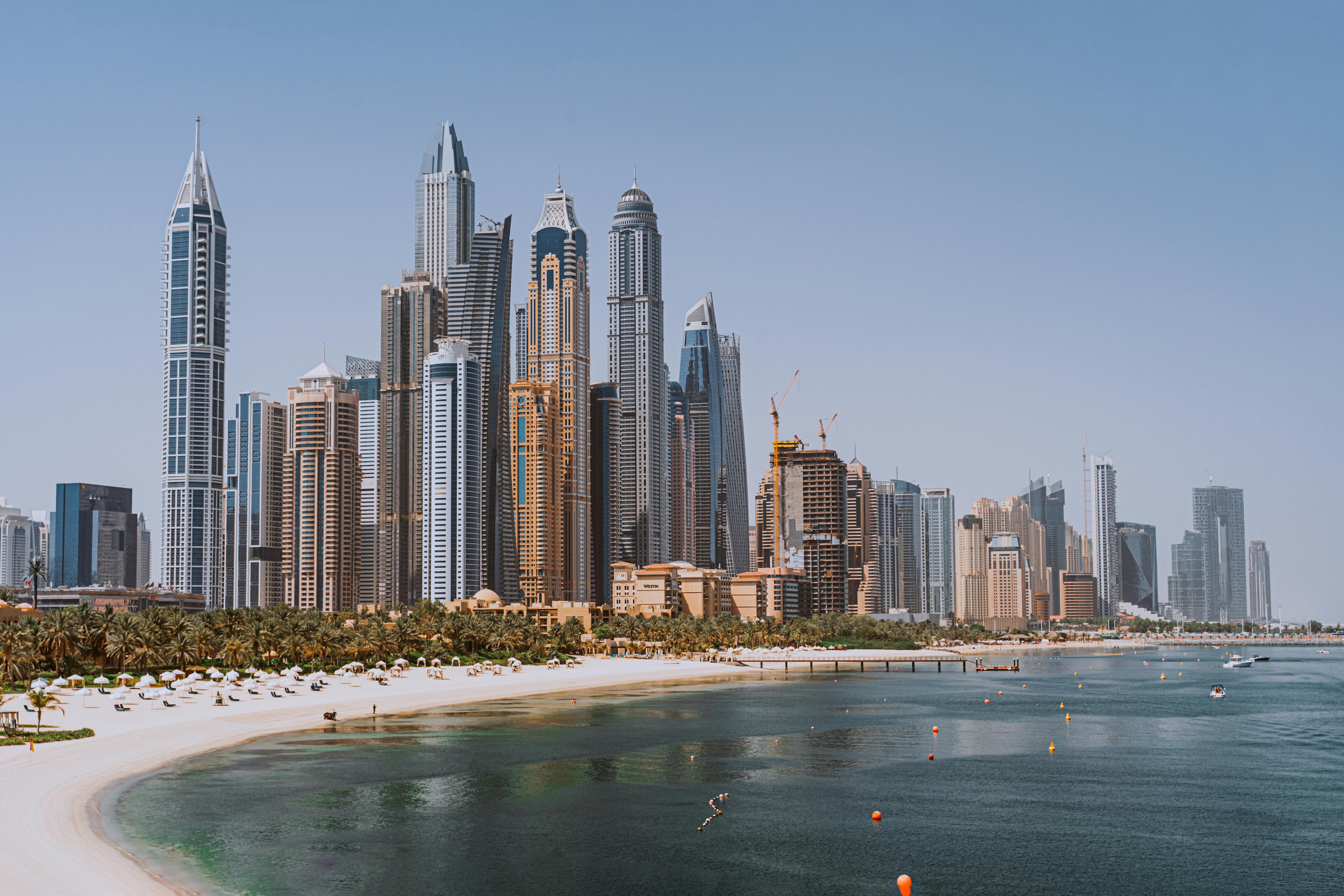
Whenever one imagines Dubai, they have the vision of shimmering high-rise buildings, a futuristic lifestyle in palm-tree-shaped, futuristic (yet still fast-evolving) islands. However, when the idea of a house purchase in this country comes to mind, this is usually the first question that one tends to ask: Can foreigners buy property in Dubai?
It’s a fair question. The regulations in many cities worldwide are very strict concerning foreign ownership. They restrict it to leasehold only, others insist on partnerships with locals, and some of them make it almost impossible without layers of bureaucracy. However, Dubai has taken a completely different path.
I will explain the process of foreign ownership in Dubai, why it opened its doors to foreign investors, the facts of the ownership in this case and whether it is the right decision to make. I will also give you a market reference point so that you can consider this question from an international perspective.
Why People Ask: Can Foreigners Own Property Here?
Consider it: Dubai is frequently featured in the world news, whether it is the tallest tower ever, the luxurious development along the shore, or a massive project taking place in its infrastructure. Of course, the question of buyers in London, Shanghai, New York, Moscow, Lagos, and millions of other cities is, Can I have a slice of this city?
It is not only about the glamour that one is curious about. Dubai has positioned itself as a global haven of tax, cultural blend, and a relatively secure investment arena. In most markets, property has been over-regulated or over-taxed. Customers desire simple alternatives.
The short answer? Dubai allows foreigners to purchase property. However, it is the details that count, and this is where the interesting part takes place.
The Turning Point: A Law That Changed Everything
It was not always allowed to own anything foreign in Dubai. The historic announcement made in 2002 was that foreigners were free to purchase freehold property in the territories of their choice. This single revolution put the real estate industry on its head.
The restriction on long leases before 2002 was a limitation for most of the foreign buyers. Think about dumping money in a house and not having the land under it. The model had been successful in certain regions of the world, but it was not ideal to attract international investors who wanted to feel secure.
Freehold ownership was a message that Dubai has conveyed well: We desire you to be here, and we desire you to feel safe owning here.
The attraction of investors was seen in this law that spans across the whole of Europe, the Middle East, South Asia, and Africa, among others. It also assisted the city of Dubai in passing from a trading hub to a real estate and investment giant.
Freehold vs Leasehold: What’s the Difference?
In case you are not familiar with Dubai property, the simple arrangement is as follows:
Freehold areas: These are special areas in which foreigners are allowed to purchase property at will. You are the owner of the unit and the land on which the unit is situated as well, and you may sell, lease it, or even bequeath it. These are Dubai Marina, Downtown Dubai, Palm Jumeirah, Business Bay and Jumeirah Village Circle.
Leasehold areas: In non-freehold zones, foreigners are often able to buy on lease, typically of 99 years. In this case, you do not own the land, although you own the property during the period of lease.
Freehold will attract many buyers due to its control. Nevertheless, leasehold may be cheaper and even viable even if you consider long-term housing instead of inheriting it.
Why Dubai Welcomes Foreign Buyers
It’s worth reflecting: Why did Dubai, unlike many cities, open its doors so widely to foreign property ownership?
One word: diversification.It was not in the best interest of the leadership in Dubai to depend on oil revenues only. They saw a globalised city that will be constructed on tourism, finance, logistics and real estate. Dubai opened its doors to foreigners to purchase houses, and this made it a global magnet.
Moreover, when you give investors confidence in ownership, you encourage them to stay longer, bring families, and even move businesses. This policy has played a massive role in shaping Dubai’s population growth and multicultural identity.
How the Market Looks Today
We will now speak of the present. Dubai Land Department (DLD) statistics reveal that the city registered high sales of properties in 2023 and 2024. The foreign demand was quite high. The purchasers were from the UK, China, Russia, and some parts of Africa and Europe.
An example is Take Dubai Marina. It is always among the most sought-after places by foreign investors due to its waterfront living, good rentability, and resale. In the meantime, Downtown Dubai keeps gaining an appeal to people who would prefer to be close to Burj Khalifa and the Dubai Mall.
Surprisingly, the neighbourhoods such as the Jumeirah Village Circle and Dubai South have become the focus of first-time foreign buyers seeking cheaper points of entry. This demonstrates the fact that the market is not entirely luxury penthouses, but also includes the mid-market and even starter investments.
Practicalities: How Does a Foreigner Buy Property Here?
Let’s strip this down to the practical steps, because this is where readers often lean forward.- Choose your area: First, decide whether you want freehold or leasehold. Most foreigners go for freehold districts.
- Work with a registered agent: Dubai requires brokers to be licensed by RERA (Real Estate Regulatory Agency). This adds a layer of transparency.
- Make a Memorandum of Understanding (MOU): This defines the conditions between buyer and seller.
- Pay a deposit: Usually about 10 percent of the property price.
- Secure a No Objection Certificate (NOC): Issued by the developer, confirming there are no outstanding service charges or fees.
- Transfer ownership at DLD: This is when the title deed is issued in your name.
That’s the process in simplified form. In practice, it moves quickly compared to many other countries.
Financing Options for Foreign Buyers
It is at this point that most readers hold back and question, Can foreigners acquire mortgages in Dubai?
The answer is yes, but under some conditions. Most banks in the UAE will provide a mortgage to foreigners, but with more stringent conditions than to local purchasers. As an illustration, the maximum loan-to-value ratios can be a little less, i.e. you will be required to deposit a bigger down payment.
Foreign purchasers usually deposit 25 to 35 per cent of the property. The rates of interest vary according to the global and local economy, and the banking system in Dubai has been comparatively competitive in relation to most foreign markets.
Tax Benefits and Ownership Rights
The tax structure would be one of the best-selling points of Dubai. No property tax per annum is charged, and this is a major attraction relative to such cities as London, New York, or Sydney, where property holding can be expensive.
In buying, a transfer fee (now 4 per cent of the property value) will be paid and the registration fee. But even more, there are no annual property taxes that are eroding your returns.
The ownership rights are also strong. Freehold ownership will provide foreigners with the freedom to sell, rent, or bequeath property without any limitations. Such a feeling of safety is not common in most global markets.
Risks and Realities
Now, let’s not paint only the rosy picture. Like any investment, buying property in Dubai comes with risks.
- Market cycles: The market of Dubai has been through booms and corrections. Indicatively, since 2008, following the global financial crisis, prices sank lower and thereafter, they regained their positions.
- Service charges: Although property tax is not charged on an annual basis, service charges in buildings may become significant depending on such features as pools, gym, concierge services, and so on in luxury towers.
- Currency exchange: Since transactions are in dirhams, fluctuations in your home currency can affect your real returns.
Being aware of these realities is crucial before diving in.
Common Questions Foreign Buyers Ask
Can I rent out my property if I don’t live in Dubai?
Yes. In fact, many foreigners buy specifically for rental income. Dubai has both long-term and short-term rental markets, including holiday homes regulated by the Department of Tourism.
What happens if I want to sell?
The resale process is straightforward. Once you find a buyer, the title deed is transferred through DLD. Capital appreciation depends on market conditions.
Do I need residency to buy?
No. You will not need to be a UAE resident to buy property. Another good thing is that you can also qualify as the holder of a residency visa by purchasing property of a specific value.
The Bigger Picture: Dubai Compared Globally
It’s useful to compare Dubai with other markets.- In Singapore: The foreign purchasers are subject to extra stamp taxes, which frequently cause prices to be hiked a lot higher.
- In London: property is available, but high prices and tax per annum will kill returns.
- In New York: co-ops and condos have regulations which usually make it difficult to purchase a place as a non-resident.
Against this backdrop, Dubai feels refreshingly open. That’s part of why it consistently ranks among the top global cities for cross-border real estate investment.
Summary: Is It Better to Shop in Dubai?
Thus, to our initial question: Can foreigners purchase property in Dubai? Yes, they can, and the system is designed in such a way that it encourages them to.
However, whether you ought to or not will depend on what you want to achieve. Dubai has exclusive benefits when it comes to finding a second home in a city that is tax-friendly. The market has been keen on high-end areas, particularly if you want to enjoy rental yields. When you require long-term capital growth, it is inadvisable not to research cycles and make a prudent purchase.
It would be safe to say that Dubai is one of the few cities that has not only permitted foreigners to own property, but it has also embraced them in the property market. Such an attitude has predetermined the development of the city and turned it into a world centre.
Final Thought
The purchase in Dubai is not simple. It is the statement of belonging to a city where diversity and ambition are sold. To others, it is a way of life. In the case of others, it is a strategic investment. Anyhow, the doors are open and the opportunities are real.
About the Author