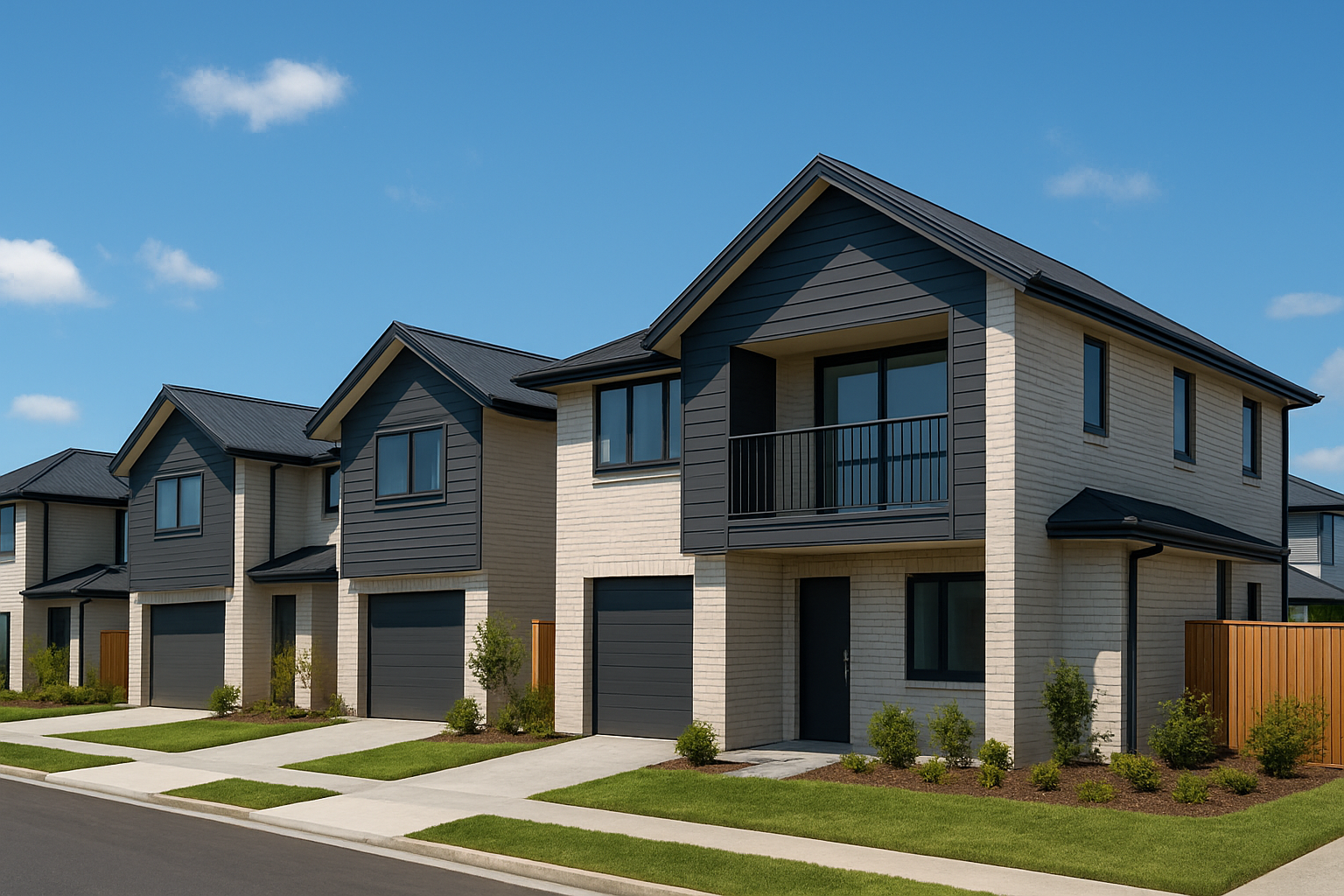
Buying property off plan in the UK means purchasing a home before it is built or completed, typically at an early development stage. Buyers usually secure a property at a fixed price with a reservation fee and staged payments, often benefiting from lower entry costs, potential capital appreciation during construction, and access to new-build warranties and modern specifications.
What Does “Off-Plan” Mean In The UK Property Market?
In the UK, an off-plan property is a residential unit sold before construction is finished, often based on architectural plans, specifications, and show homes. Legally, the buyer commits to purchase the property once contracts are exchanged, even though the physical home may not yet exist.
Off-plan purchases are most common in new-build apartment schemes and large housing developments in cities such as London, Manchester, Birmingham, Leeds, and regeneration zones across England and Wales. Developers use off-plan sales to secure early funding and demonstrate demand, while buyers gain early access to new stock that may not be available later.
From a legal standpoint, buying off plan is not speculative trading. The buyer enters a binding contract, typically with a long-stop completion date. This date protects the buyer if construction overruns beyond an agreed timeframe, allowing potential withdrawal and deposit recovery under specific conditions.
Importantly, off-plan property in the UK is governed by consumer protection rules, mortgage lender criteria, and new-build warranty schemes such as NHBC, LABC, or Premier Guarantee. These frameworks reduce construction and structural risk compared to informal pre-construction agreements seen in some overseas markets.
Who Should Consider Buying Off-Plan Property In The UK?
Buying off plan is most suitable for buyers who can plan ahead, understand construction timelines, and are comfortable committing before completion. It is not limited to investors; many owner-occupiers and first-time buyers also purchase off-plan homes.
First-time buyers often choose off-plan properties because new builds typically require lower maintenance, comply with modern energy efficiency standards, and may qualify for government-backed schemes depending on availability and eligibility at the time of purchase. The ability to reserve early can also help buyers secure a preferred unit or layout.
Buy-to-let investors consider off-plan purchases when targeting long-term rental demand in regeneration areas. Modern layouts, energy-efficient systems, and building amenities can appeal to tenants and reduce void periods. However, investors must factor in realistic rental yields rather than relying on projected figures.
Overseas buyers and UK expatriates also use off-plan purchases to secure UK property without needing immediate occupation. Fixed pricing at exchange can help hedge against future market movements, although currency and financing considerations remain critical.
Buyers who may struggle with off-plan purchases include those needing immediate housing, those dependent on short-term resale, or anyone unable to tolerate delays or specification changes. Off-plan buying rewards patience and due diligence rather than urgency.
How Buying Off-Plan Works: The UK Process Explained?
The off-plan buying process in the UK follows a structured sequence designed to protect both buyer and developer. While details vary by scheme, the core stages are consistent across most residential developments.
The process usually begins with a reservation agreement. The buyer pays a reservation fee, typically between £500 and £2,000, to secure a specific unit for a limited period while legal checks are carried out. This fee may be deductible from the purchase price, subject to contract terms.
The next stage is exchange of contracts. At this point, the buyer pays a deposit, commonly 10% of the purchase price, and becomes legally committed. The contract includes plans, specifications, estimated completion dates, and a long-stop date to limit construction delays.
During construction, buyers may receive periodic updates and, in some developments, opportunities to choose finishes or upgrades. Mortgage offers are typically applied for closer to completion, as most UK lenders issue time-limited approvals.
Completion occurs once the property is built, signed off by building control, and covered by a recognised new-build warranty. The buyer pays the remaining balance, the property is legally transferred, and keys are released. From this point, the buyer can occupy, let, or hold the property according to their objectives.
How Much Does It Cost To Buy Off-Plan Property In The UK?
The cost of buying off-plan property in the UK extends beyond the advertised purchase price. Buyers must budget for deposits, legal fees, taxes, and potential holding costs between exchange and completion.
Most developers require a reservation fee followed by a 10% deposit at exchange of contracts. In some large-scale developments, staged payments may apply, particularly for higher-value properties or overseas buyers. These funds are typically held by the developer’s solicitor and protected under contract terms.
| Cost Type | Typical Amount | When Payable |
|---|---|---|
| Reservation fee | £500 – £2,000 | On reservation |
| Exchange deposit | 10% of purchase price | On exchange of contracts |
| Legal fees | £1,200 – £2,500+ | During conveyancing |
| Stamp Duty Land Tax | Variable | On completion |
| Mortgage arrangement fees | £0 – £2,000+ | On mortgage offer or completion |
Buyers should also consider service charges, ground rent (where applicable), and council tax bands once the property is occupied or let. These ongoing costs affect affordability and long-term returns and should be reviewed before committing.
What Are The Real Investment Benefits Of Buying Off-Plan?
The primary investment benefit of buying off-plan property in the UK is early price access. Developers often release units at competitive prices to secure initial sales, which can allow buyers to benefit from capital growth as the development progresses.
Off-plan properties are built to modern standards, including energy efficiency regulations and contemporary layouts. This can reduce maintenance costs and increase tenant appeal, particularly in urban rental markets where demand favours new, well-located accommodation.
Another benefit is predictability. Buyers know the purchase price at exchange, allowing financial planning over the construction period. In stable or rising markets, this fixed pricing can be advantageous, although it does not eliminate market risk.
For long-term investors, off-plan developments in regeneration areas may align with infrastructure improvements, transport upgrades, and employment growth. These factors, rather than speculative appreciation, underpin sustainable value over time.
What Risks Should Buyers Understand Before Purchasing Off-Plan?
Buying off-plan involves commitment before completion, which introduces specific risks buyers must assess carefully. The most common risk is construction delay. While long-stop dates provide legal protection, delays can affect mortgage timing, rental plans, or personal housing arrangements.
Valuation risk is another consideration. At completion, a lender’s valuation may differ from the agreed purchase price. If the valuation is lower, buyers may need to provide additional funds to complete the purchase.
Specification changes can also occur. Contracts allow limited variation, but buyers should review plans, finishes, and developer disclaimers to understand what can legally change before handover.
Market conditions may shift between exchange and completion. Off-plan buying should be approached as a medium- to long-term decision rather than a short-term resale strategy.
Legal And Financial Checks Buyers Must Complete
Legal due diligence is critical when buying off-plan property in the UK. Buyers should instruct a solicitor experienced in new-build transactions, as off-plan contracts differ significantly from standard residential purchases.
Key checks include planning permission, building regulation approvals, developer track record, warranty provider, and contract clauses relating to completion dates, deposit protection, and termination rights.
Financially, buyers should confirm mortgage availability early, understand lender criteria for new builds, and plan for reapplication if construction exceeds the initial mortgage offer validity period.
Clear documentation and conservative financial planning reduce the likelihood of unexpected costs or delays at completion.
What Happens At Completion And Handover?
Completion is the legal point at which ownership of the off-plan property transfers to the buyer. This occurs once construction is finished, building control sign-off is obtained, and the developer issues a formal notice to complete.
Buyers are typically given 10 working days to complete after notice is served. During this period, mortgage funds are drawn down, remaining balances are paid, and final legal checks are completed by the buyer’s solicitor.
Before or shortly after completion, buyers may be invited to inspect the property. This inspection is used to identify minor defects or unfinished items, commonly recorded on a “snagging list.” Developers are contractually obliged to address these issues within a reasonable timeframe.
On completion day, keys are released, warranties become active, and the buyer assumes responsibility for council tax, utilities, service charges, and insurance. For investors, this marks the point at which the property can be legally let.
Common Mistakes Buyers Make With Off-Plan Property
One of the most common mistakes is relying on projected figures rather than confirmed costs. Buyers should base decisions on realistic affordability, verified service charges, and conservative rental assumptions.
Another frequent issue is insufficient legal scrutiny. Off-plan contracts are developer-drafted and often heavily weighted in the seller’s favour. Failing to negotiate or fully understand clauses on delays, variations, or deposit protection can expose buyers to unnecessary risk.
Mortgage timing errors are also common. Buyers who delay financial planning may find that lending criteria change before completion, requiring a higher deposit or alternative financing.
Finally, some buyers overestimate short-term resale potential. Off-plan purchases are better suited to medium- or long-term ownership, where market cycles and rental demand can stabilise returns.
Off-Plan vs Ready-Built Property: Which Is Better?
Off-plan and ready-built properties serve different buyer priorities. Off-plan purchases offer early pricing, modern specifications, and potential value uplift during construction. Ready-built homes provide certainty, immediate occupation, and established market comparables.
| Factor | Off-Plan Property | Ready-Built Property |
|---|---|---|
| Purchase timing | Before completion | After completion |
| Price certainty | Fixed at exchange | Based on current market |
| Condition | Brand new | May require updates |
| Risk profile | Construction and timing risk | Lower transactional risk |
The better option depends on buyer objectives. Those prioritising immediacy and certainty may prefer completed homes, while buyers focused on long-term ownership and new-build advantages may find off-plan purchases more suitable.
Frequently Asked Questions
Is buying off-plan property in the UK safe?
Buying off-plan in the UK is generally safe when proper legal checks are carried out, deposits are protected, and recognised warranty providers are in place.
Can I get a mortgage on an off-plan property?
Yes, most UK lenders offer mortgages on off-plan properties, but offers are usually issued closer to completion and subject to lender-specific criteria.
What happens if the developer delays completion?
Contracts include a long-stop date. If this date is exceeded, buyers may have the right to withdraw and recover their deposit, subject to contract terms.
Do off-plan properties cost more than existing homes?
Off-plan prices can be competitive, particularly at early release stages, but buyers should compare total costs rather than headline prices alone.
Can I sell an off-plan property before completion?
Some contracts allow assignment before completion, but this is not guaranteed and may involve fees or developer consent.
Key Takeaways
- Definition: Off-plan buying means committing to a property before it is built, under a legally binding contract.
- Costs: Buyers must budget for deposits, taxes, legal fees, and ongoing charges beyond the purchase price.
- Benefits: Early pricing, modern standards, and long-term value are the primary advantages.
- Risks: Delays, valuation changes, and market shifts require careful planning and legal protection.
- Best suited for: Buyers with medium- to long-term horizons and realistic financial expectations.
References
- UK Government – Buying and selling property guidance
- Financial Conduct Authority – Mortgage lending standards
- NHBC – New-build warranty and consumer protection
- HM Revenue & Customs – Stamp Duty Land Tax guidance