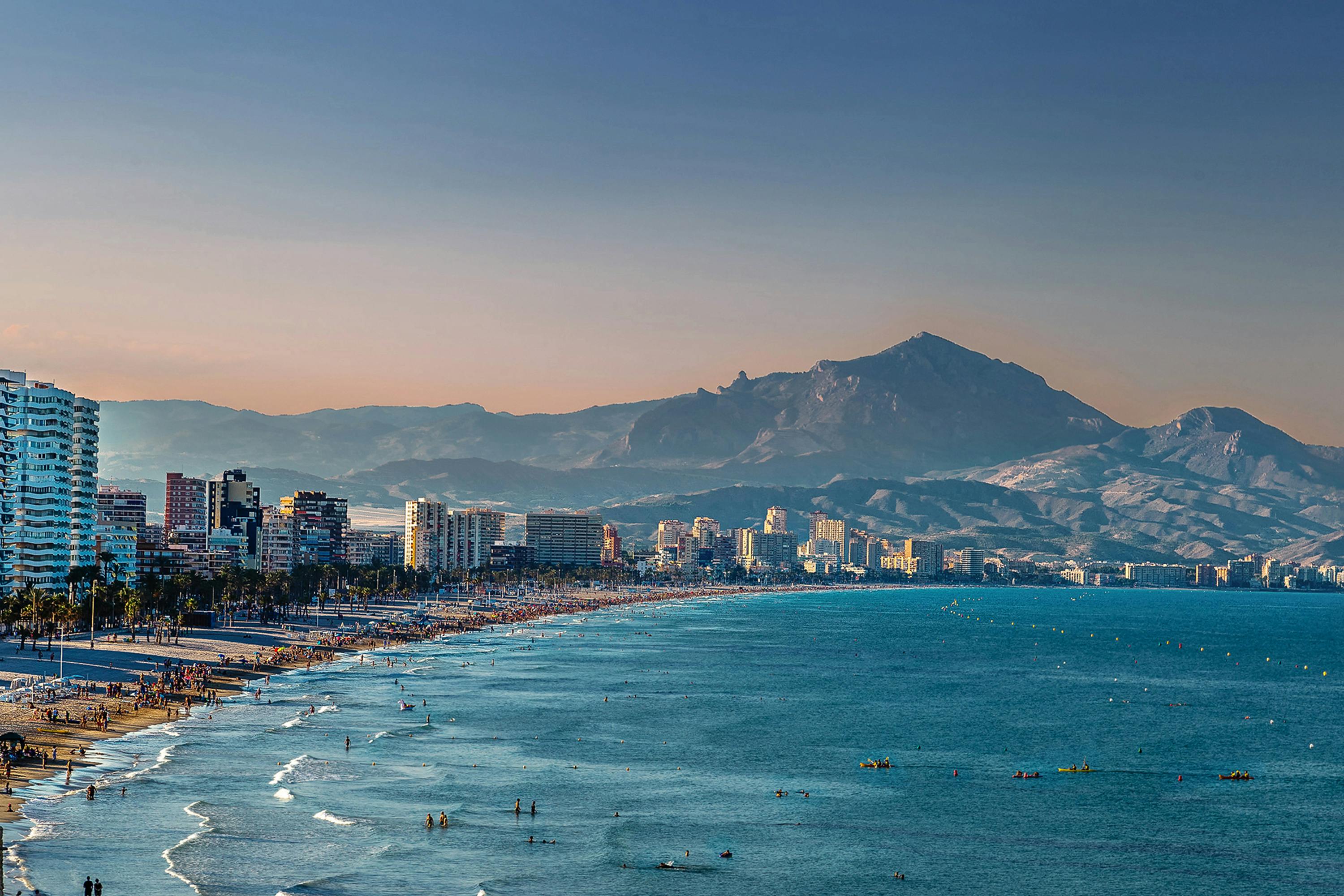
Buying beachfront property in Greece is legally accessible to foreign buyers, offers a wide price spectrum from under €200,000 to multi-million-euro estates, and is concentrated in specific coastal and island markets where zoning, title clarity, and development controls determine long-term value. The most sought-after locations combine direct sea access, clear ownership records, and proximity to airports or year-round infrastructure.
What Counts as Beachfront Property in Greece
In Greece, “beachfront property” does not simply mean sea views. It refers to private real estate parcels that directly border the legally defined shoreline (aigialos) or lie immediately behind it with unobstructed access. The shoreline itself is public property and cannot be owned, fenced, or built upon.
This distinction is critical for buyers. A property marketed as “first line to the sea” may still be subject to setback restrictions, coastal protection laws, or limitations on renovation and expansion. True beachfront assets are rare because the state strictly controls new development along the coast, especially on islands and environmentally sensitive areas.
From a valuation and risk perspective, beachfront property in Greece falls into three practical categories:
- Direct shoreline adjacency: Private land borders the public shoreline with no road or easement in between. These are the scarcest and most regulated assets.
- Frontline coastal plots: Property sits across a narrow public access or coastal road but retains unobstructed sea frontage and usage rights.
- Elevated coastal homes: Located above the shore with direct visual and physical access, often easier to permit and renovate but not strictly beachfront.
Understanding which category a property falls into affects purchase price, legal due diligence, financing, and future resale liquidity. Buyers who skip this analysis often discover restrictions only after signing preliminary agreements.
Why Buyers Choose Greece for Beachfront Real Estate
Greece remains one of the few Mediterranean countries where non-residents can purchase beachfront property with full ownership rights, relatively low entry prices compared to Spain, France, or Italy, and no restrictions on resale or rental income for foreigners.
The appeal is not speculative hype but structural fundamentals. Greece has over 13,000 kilometers of coastline, a fragmented island geography that limits oversupply, and planning laws that cap new coastal construction. These factors support long-term scarcity rather than short-term price inflation.
From a buyer’s standpoint, Greece offers several concrete advantages:
- Legal openness: EU and non-EU buyers can acquire property in most regions, with limited additional approvals required only in border areas.
- Price diversity: Entry-level beachfront apartments exist alongside ultra-prime villas, allowing different buyer profiles to participate.
- Rental flexibility: Short-term and long-term leasing is permitted, subject to registration, without ownership structures or quotas.
- Lifestyle utility: Properties are not just investments; many are used seasonally or year-round due to improving infrastructure and international connectivity.
However, Greece is not a uniform market. Returns, risks, and liquidity vary sharply by region. Successful buyers focus less on “country-wide trends” and more on micro-location fundamentals such as beach access, local zoning enforcement, and year-round demand.
Best Locations to Buy Beachfront Property in Greece
The best locations for beachfront property in Greece are defined by three measurable factors: accessibility, regulatory stability, and depth of demand. Areas that score highly on all three tend to retain value through market cycles and attract both lifestyle buyers and income-focused investors.
At a high level, beachfront markets in Greece fall into mainland coastal zones and island destinations, each with distinct characteristics:
- Mainland coastlines: Typically offer lower entry prices, larger plots, and easier year- round living, with demand driven by domestic and regional buyers.
- Major islands: Provide strong international demand, higher liquidity, and premium pricing near established resort infrastructure.
- Emerging islands: Less saturated markets where beachfront opportunities still exist at moderate prices, but due diligence is more complex.
Among these, certain destinations consistently attract beachfront buyers due to proven transaction volume and transparent ownership histories. These include parts of the Athens Riviera, Crete’s northern coast, the Cyclades, the Ionian Islands, and selected Dodecanese locations.
Each of these areas operates under the same national property law framework, but local planning enforcement, market depth, and buyer competition differ significantly. Understanding these differences is essential before comparing prices or projected returns.
Athens Riviera: Prime Mainland Beachfront Market
The Athens Riviera is the most liquid and institutionally mature beachfront market in Greece. Stretching from Paleo Faliro to Sounio, it combines direct access to the capital, international schools, private healthcare, and marinas with strict coastal zoning that limits new beachfront supply.
Beachfront properties here are predominantly apartments and villas built before modern setback restrictions were introduced. New developments are rare and typically positioned one or two rows back from the shoreline, which preserves the scarcity premium of true beachfront assets.
Buyers choose the Athens Riviera for stability rather than yield maximization. Demand is driven by Greek high-net-worth individuals, expatriates, and international buyers seeking a primary or secondary residence with year-round usability.
- Strength: Highest resale liquidity in Greece.
- Risk profile: Low regulatory risk, high entry price.
- Typical buyer: Lifestyle-driven owner or capital preservation investor.
Crete: Scale, Value, and Year-Round Demand
Crete offers the widest range of beachfront opportunities in Greece due to its size, diverse coastline, and strong local economy. Unlike smaller islands, Crete supports year-round living, which stabilizes demand and reduces seasonal volatility.
The most established beachfront markets are concentrated along the northern coast near Chania, Rethymno, and Heraklion, where international airports and modern road networks support both tourism and residential use.
From an investment perspective, Crete provides comparatively lower acquisition costs per square meter and larger land parcels. This makes it attractive to buyers seeking detached villas or small-scale rental projects with legal building potential.
- Strength: Strong rental demand beyond peak summer months.
- Risk profile: Moderate; depends heavily on micro-location.
- Typical buyer: Value-focused investor or relocation buyer.
Cyclades Islands: Scarcity-Driven Premiums
The Cyclades, including Mykonos, Paros, Naxos, and Santorini, represent the highest-priced beachfront markets in Greece. Supply is constrained by geography, strict building rules, and long-established international demand.
True beachfront properties in the Cyclades are exceptionally rare. Many homes marketed as “beachfront” are elevated or set back due to coastal protection laws. Buyers pay a premium not only for location but also for legal clarity and permitted proximity to the sea.
These markets are transaction-driven rather than yield-driven. Rental income can be substantial, but pricing is primarily supported by lifestyle demand and global buyer competition.
- Strength: Global brand recognition and high exit demand.
- Risk profile: High acquisition cost, complex permitting.
- Typical buyer: International lifestyle buyer or trophy-asset investor.
Ionian Islands: Accessible Luxury and Rental Strength
The Ionian Islands, including Corfu, Lefkada, and Zakynthos, offer a balance between accessibility and beachfront appeal. Their greener landscapes, calmer seas, and proximity to mainland Europe attract a broad international buyer base.
Lefkada is unique in being connected to the mainland by bridge, which significantly improves logistics and supports consistent demand. Corfu, with its established luxury segment, commands higher prices for waterfront villas with private access.
Beachfront supply is more available here than in the Cyclades, but zoning and environmental restrictions remain strict. Buyers must verify coastal boundaries carefully.
Beachfront Property Prices by Location
Beachfront property prices in Greece vary primarily by accessibility, international demand, and legal scarcity rather than by property size alone. The following table reflects typical entry-level to prime pricing ranges for true or near-frontline beachfront assets.
| Location | Apartments (€ / sqm) | Villas (€ total) | Market Liquidity |
|---|---|---|---|
| Athens Riviera | €7,000 – €12,000 | €1.5M – €6M+ | Very High |
| Crete (North Coast) | €3,000 – €6,000 | €500K – €2.5M | High |
| Cyclades | €6,000 – €10,000+ | €1.8M – €10M+ | High (Selective) |
| Ionian Islands | €4,000 – €7,000 | €700K – €4M | Moderate to High |
Legal and Financial Considerations for Buyers
Buying beachfront property in Greece requires deeper legal scrutiny than inland purchases. Coastal boundaries, public access rights, and historical building permits must be verified before any binding agreement.
Buyers should expect additional legal checks related to shoreline demarcation, environmental compliance, and land registry records. Financing options are limited for non-residents, making cash purchases common in this segment.
Common Buyer Mistakes in Greek Beachfront Deals
The most frequent mistakes involve assuming that proximity to the sea guarantees development or renovation rights. In reality, beachfront assets are governed by layered regulations that vary by municipality.
- Relying solely on agent descriptions without independent legal verification.
- Underestimating renovation restrictions on older beachfront buildings.
- Ignoring long-term coastal erosion or access limitations.
Who Should Buy Beachfront Property in Greece
Beachfront property in Greece is best suited for buyers with a long-term horizon, a clear usage strategy, and sufficient capital to manage regulatory and maintenance complexity. These assets reward patience and proper structuring rather than short-term speculation.
The buyer profiles that align most effectively with Greek beachfront real estate include:
- Lifestyle-driven owners: Buyers seeking personal use with occasional rental income, prioritizing location quality over yield.
- Capital preservation investors: Buyers focused on scarcity, resale liquidity, and long-term value retention rather than leverage.
- Hospitality-oriented owners: Buyers with experience managing premium short-term rentals in regulated environments.
Buyers who rely heavily on debt financing, aggressive yield assumptions, or rapid resale timelines often find beachfront acquisitions misaligned with their objectives.
Ongoing Costs and Ownership Obligations
Owning beachfront property in Greece involves predictable but non-negligible holding costs. These expenses should be modeled conservatively, particularly for properties exposed to marine conditions.
Typical annual costs include:
- Property tax (ENFIA): Based on location, size, and frontage, generally modest by international standards but higher for prime coastal assets.
- Maintenance: Elevated due to salt exposure, humidity, and wind, particularly for exterior finishes and metal elements.
- Insurance: Strongly recommended for coastal properties, with premiums reflecting proximity to the sea and replacement value.
- Rental compliance costs: Registration, accounting, and local levies if the property is leased.
Unlike some markets, Greece does not impose wealth taxes or ownership caps on foreign buyers, but compliance with tax filing and registration requirements is mandatory regardless of residency status.
Resale, Liquidity, and Exit Considerations
Resale performance for beachfront property in Greece depends less on market cycles and more on asset quality, legal clarity, and micro-location. Properties with documented shoreline boundaries, clean title, and unobstructed access outperform the broader market during both upturns and downturns.
Liquidity varies by region. Prime areas such as the Athens Riviera and established Cycladic islands maintain active buyer pools, while emerging locations may experience longer selling timelines despite attractive pricing.
For exit planning, buyers should consider:
- Whether the property appeals to both domestic and international buyers.
- The ease of legal transfer and absence of unresolved permitting issues.
- Seasonality of demand, which affects transaction timing.
Well-selected beachfront assets are typically sold through private negotiations rather than distressed sales, reinforcing the importance of acquisition discipline at entry.
Frequently Asked Questions
Can foreigners buy beachfront property in Greece?
Yes. Foreign nationals can buy beachfront property in Greece with full ownership rights, subject to additional approvals only in limited border regions.
Is beachfront land privately owned in Greece?
No. The shoreline is public property. Buyers own land up to the legally defined boundary behind the shoreline, not the beach itself.
What is the minimum budget for beachfront property in Greece?
Entry-level beachfront apartments may start below €300,000 in select regions, while prime villas commonly exceed €1 million depending on location.
Are there building restrictions on beachfront properties?
Yes. Coastal protection laws impose strict limits on new construction, extensions, and renovations close to the shoreline.
Is beachfront property in Greece a good investment?
It can be, when purchased with legal clarity, realistic rental assumptions, and a long-term perspective focused on scarcity rather than short-term returns.
Key Takeaways
- Beachfront definition matters: Not all sea-adjacent properties offer the same rights, value, or risk profile.
- Location determines liquidity: Established markets outperform emerging areas on resale and legal certainty.
- Regulation drives scarcity: Coastal protection laws limit supply and support long-term value.
- Long-term mindset is essential: Beachfront property rewards disciplined buyers, not short-term speculation.
References
- Hellenic Cadastre – Property Ownership and Registration Framework
- Greek Ministry of Environment and Energy – Coastal Protection Regulations
- Independent Greek Property Law Associations and Market Reports