Buy a Property in Aruba: Rules for International Buyers
Dec 18, 2025
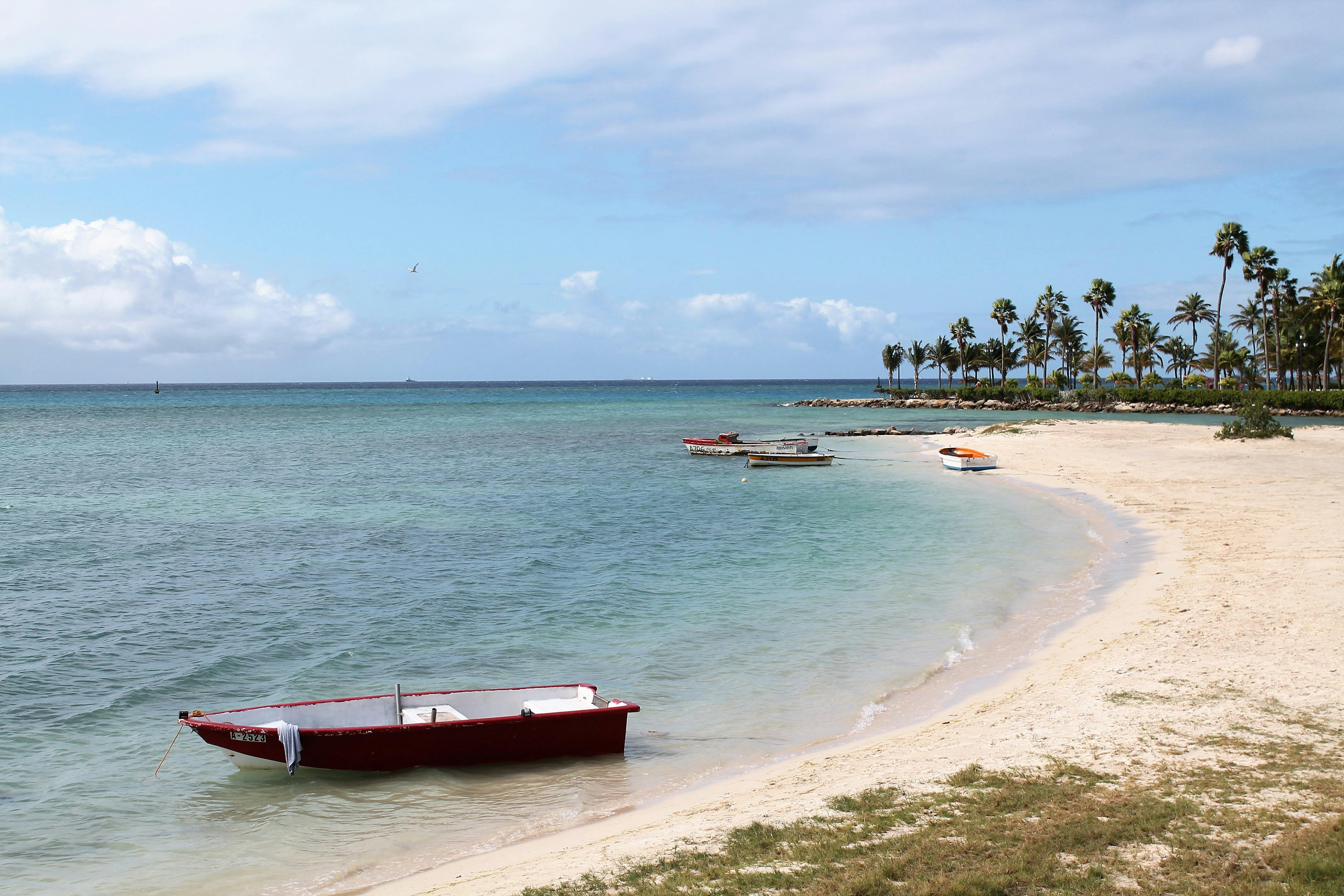
Aruba is a tropical paradise with turquoise waters and soft white sands. Life here is calm and relaxed. Having property in Aruba is a wish of many individuals, be they seeking a vacation place, a retirement destination, or an investment. The island accepts foreign buyers, but you have to get to know the local regulations and the local market before you buy.
Among the various categories of properties, loans, expenditures, and legal regulations, each of the steps must be thought through. The Aruban real estate market is robust due to the high tourism and limited prime locations. This guide will assist you in working your way through the process and making intelligent choices to claim your piece of heaven.
Can Foreigners Buy Property in Aruba?
Yes, Aruba welcomes international buyers. There are no restrictions on foreigners acquiring real estate. The purchasing process is the same for residents and non-residents. Whether you are looking for a vacation home, a retirement retreat, or an investment property, you have the same rights when purchasing property in Aruba.
Types of Property Ownership
There are two main options for owning property in Aruba.
Freehold Property
Freehold property is privately owned land where you hold the deed outright. It gives you full control over the property and is the most straightforward form of ownership.
Leasehold Land
Leasehold land is government-owned land leased to individuals, usually for 60 years, with options to renew. You have full ownership rights to the property built on this land. You can sell, mortgage, or transfer it just like freehold property.
Financing Your Property Purchase
Financing is a preferred option by many international buyers as opposed to paying in full cash. Aruban banks lend out mortgage money to non-residents. You may require a valid ID, evidence of income, bank references, and even a down payment to secure a loan.
It would be prudent to discuss with the local banks or mortgage brokers. Being aware of the precise provisions and loan options would save time and make a more effective decision.
The Buying Process
There is a clear process for buying property in Aruba.
To start with, you need to decide on what you want to use the property for. Do you buy it as a vacation house, as a place to live in, or to rent? This decision will assist you in locating the appropriate property.
Then offer a bid on the property of your choice. Once the offer has been accepted, you will prepare a purchase agreement.
Then you ascertain everything. A notary ensures that the title is clean and that it has no legal issues.
Lastly, the notary draws up the deed of transfer. You sign it with the seller, and that is it. You own the property. The entire procedure normally takes six to eight weeks.
Costs to Consider
Several costs need to be considered when purchasing property in Aruba.
The transfer tax is 3 per cent on a property that is under a certain value, and 6 per cent on properties that are above that figure. The amount of the fee charged by a notary is usually 1% of the value of the property; it includes the paperwork and checks. The annual property tax is based on the value of the property, although a small portion of the value is tax-free.
This cost planning will help you during the purchase.
Living in Aruba
When you purchase a house in Aruba, you are not automatically entitled to live there. The owners will be allowed to spend up to 180 days annually on the island without special permits. Should you wish to retire or spend more time in Aruba, you are likely to have the right permits issued by the immigration office.
The Real Estate Market
Aruba's real estate business is growing. This high economy and position as a leading tourist destination have brought about a high demand for homes, particularly in areas such as Noord and Malmok. Good money can be made by purchasing a property and renting it out to tourists or retaining it as a long-term lease.
Good residential areas are never in short supply, and houses in such areas tend to retain their value. Aruba is welcoming to foreign consumers, which is more appealing.
Tips for International Buyers
Use the assistance of local professionals such as real estate agents, notaries, and lawyers who are familiar with the market. Going to visit the island will assist you in viewing the neighbourhoods and lifestyle options. Check property prices, rent returns, and trends to make intelligent decisions. Look into the future, how this property could appreciate and how much rent it will accumulate in the future.
Final Thoughts
Buying a home in Aruba is not simply the purchase of a property. It allows you to have a financially free life in heaven and be money-savvy. It can be done safely by overseas buyers if you learn the laws, employ local experts, and conduct thorough research.
Aruba has opportunities for those who are willing, whether you want a vacation house, a place to retire, property to rent out, etc. You can make your dream of a home on this beautiful island come true if you plan and have a goal.
About the Author