Buying a country house in the UK typically involves choosing a rural or semi-rural location with strong long-term appeal, understanding specialist mortgage options, and budgeting for prices that range widely by region, condition, and land size. Most buyers focus on lifestyle benefits first, but long-term value depends on transport access, planning restrictions, local services, and realistic running costs.
What qualifies as a country house in the UK
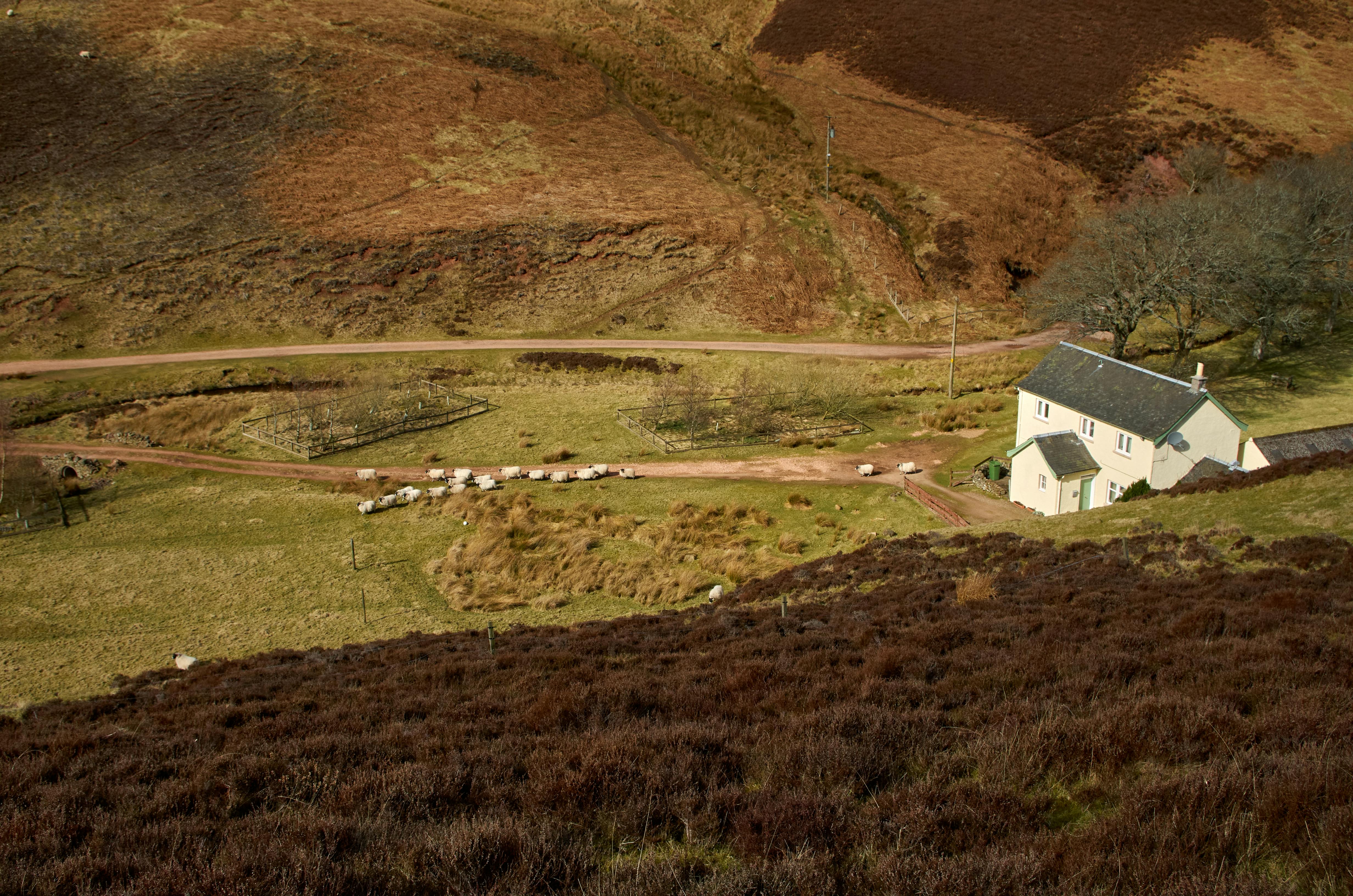
A country house in the UK is generally defined as a detached or semi-detached property located outside major towns and cities, often set within its own grounds and surrounded by open countryside. Unlike suburban homes, country houses are typically valued for privacy, land, architectural character, and proximity to natural landscapes rather than convenience alone.
Most country houses fall into one of three broad categories: traditional farmhouses, period country homes (such as Georgian or Victorian houses), and modern rural properties built to blend with their surroundings. Each type carries different implications for maintenance, planning controls, and mortgage eligibility.
Buyers should be aware that many country houses are subject to additional constraints, including listed building status, conservation area rules, or agricultural covenants. These factors do not prevent purchase but can affect renovation plans, resale flexibility, and insurance costs.
From a lending perspective, lenders assess country houses more cautiously than standard residential property. Features such as large acreage, outbuildings, private water supplies, septic tanks, or access via unadopted roads are common and must be properly documented during the buying process.
Best locations to buy a country house in the UK
The best location to buy a country house in the UK depends on balancing lifestyle preferences with long-term market resilience. Areas with strong transport links, protected landscapes, and limited new development tend to retain value more consistently than isolated rural regions.
The Cotswolds remains one of the most sought-after regions for country houses due to its village infrastructure, architectural consistency, and accessibility to London via rail and motorway links. Demand is driven by owner-occupiers, second-home buyers, and international purchasers, which supports price stability even during market slowdowns.
The South Downs and surrounding parts of Hampshire and West Sussex attract buyers seeking countryside living within commuting distance of London and the south coast. Properties here often command a premium, but rental demand and resale liquidity remain comparatively strong.
In the Midlands, areas such as Warwickshire, Northamptonshire, and parts of Leicestershire offer more accessible price points while still providing traditional country house settings. These locations appeal to buyers prioritising space and land over immediate commuter access, and they often deliver better value per square foot.
Northern England and parts of Wales present opportunities for buyers with flexible location requirements. Regions such as North Yorkshire, Cumbria, and Powys offer larger properties and acreage at lower entry prices, though buyers must factor in reduced buyer pools and longer resale timelines.
Scotland operates under a distinct legal system, but country houses in areas like Perthshire, the Borders, and East Lothian are increasingly attractive for buyers seeking space, privacy, and comparatively lower land costs. However, purchasing processes and valuation methods differ and require specialist advice.
UK country house prices explained
Country house prices in the UK vary significantly based on region, land size, condition, and heritage status. Entry-level country properties in less competitive regions can start below the national average house price, while prime locations routinely exceed seven figures.
In southern England, particularly within national parks or designated areas of outstanding natural beauty, prices are driven by scarcity. Even modest country houses with limited land can command high values due to planning restrictions that limit new supply.
Condition has a disproportionate impact on pricing. Properties requiring structural work, roof replacement, or modernisation may appear competitively priced but often require capital expenditure that exceeds initial expectations. Buyers should assess total acquisition cost rather than headline price alone.
Land size also influences valuation but not always linearly. Additional acreage adds value up to a point, but land that cannot be easily maintained, farmed, or developed may not proportionally increase resale value. Lenders and surveyors typically focus on the residential element first.
Buyers planning to finance their purchase should note that some lenders apply stricter loan-to-value limits for country houses, particularly those with extensive land, mixed-use buildings, or non-standard construction. This can affect affordability calculations even when headline prices appear reasonable.
Mortgages for country houses in the UK
Mortgages for country houses in the UK are available from mainstream lenders, but eligibility depends heavily on property characteristics rather than buyer profile alone. Lenders assess rural homes individually, with particular attention to construction type, land use, utilities, and access.
Properties with non-standard construction, thatched roofs, timber frames, or listed status often require specialist lenders or bespoke underwriting. Similarly, homes with more than a modest amount of land may be classified as mixed-use, which can restrict lending options and reduce loan-to-value ratios.
Buyers should expect more detailed surveys and valuation scrutiny. Issues such as private drainage systems, borehole water supplies, shared access roads, or agricultural restrictions must be documented clearly. Any uncertainty can delay approval or trigger lender conditions.
| Property Feature | Lender Impact |
|---|---|
| Listed building status | May limit lender choice and require higher deposit |
| Large acreage | Often capped loan-to-value; mixed-use assessment |
| Private utilities | Additional checks on compliance and maintenance |
| Non-standard construction | Specialist lenders or enhanced surveys required |
Engaging a mortgage broker experienced in rural and high-value properties can significantly improve outcomes. They can identify lenders comfortable with specific property features and manage expectations around deposits, timelines, and documentation.
Running and ownership costs to budget for
Owning a country house typically involves higher and less predictable running costs than standard residential property. Buyers should budget beyond mortgage payments and focus on long-term affordability rather than initial purchase price alone.
Maintenance is a primary cost driver. Older properties often require ongoing investment in roofs, stonework, drainage, and heating systems. Rural locations can increase labour and materials costs due to access challenges and limited contractor availability.
Energy costs may also be higher, particularly in properties without mains gas or modern insulation. Oil, LPG, or electric heating systems are common, and upgrading them can involve significant capital outlay but may be necessary for comfort and resale value.
Insurance premiums for country houses are often higher due to rebuilding costs, exposure to weather, flood risk, or heritage features. Buyers should obtain insurance quotes early, especially for listed or thatched properties.
Council tax, land management expenses, and specialist servicing for septic tanks, water treatment systems, or private roads should be factored into annual budgets. These costs vary widely by location and property configuration.
Legal and planning considerations
Legal due diligence for a country house purchase is more complex than for urban property. Buyers must ensure their solicitor has experience with rural conveyancing and understands land, access, and planning constraints.
Rights of way, easements, and shared access are common in rural areas. Public footpaths crossing land, shared driveways, or neighbouring rights can affect privacy and future development potential. These should be identified early and assessed realistically.
Planning restrictions are particularly relevant in national parks and conservation areas. Even minor alterations may require consent, and permitted development rights can be limited or removed entirely. Buyers intending to extend or modernise should verify feasibility before exchange.
For properties with land, title boundaries and historical use must be reviewed carefully. Discrepancies between registered plans and on-site boundaries are not uncommon and can complicate future sales if unresolved.
Common mistakes when buying a country house
One of the most common mistakes buyers make is underestimating total ownership costs. Focusing on purchase price without accounting for maintenance, utilities, and insurance often leads to financial strain over time.
Another frequent issue is assuming renovation or extension will be straightforward. Planning constraints, listed status, and lender requirements can limit what is achievable, regardless of budget.
Buyers also sometimes overlook resale considerations. While country houses are lifestyle-led purchases, factors such as access, broadband availability, and proximity to services influence future buyer demand and should not be ignored.
Finally, relying on generalist advisers can create avoidable delays and risks. Rural property transactions benefit from specialists who understand the legal, financial, and practical realities of country living.
Is a UK country house a good investment
A country house in the UK should be viewed primarily as a long-term lifestyle asset rather than a short-term speculative investment. Capital growth tends to be steadier than urban hotspots, with value driven by scarcity, location quality, and ongoing demand for rural living.
Properties in well-connected villages or protected landscapes historically show stronger resilience during market corrections. Limited new supply, planning restrictions, and consistent lifestyle demand underpin long-term value, particularly in southern England and established rural commuter zones.
Rental potential varies significantly. Some country houses perform well as furnished family rentals or holiday lets, while others are unsuitable due to location, size, or running costs. Buyers considering rental income should assess local demand carefully and remain realistic about occupancy and maintenance obligations.
From a risk perspective, liquidity is lower than mainstream housing. Country houses typically take longer to sell, and pricing must reflect condition and market conditions accurately. Buyers who plan for long-term ownership and maintain the property appropriately are better positioned to preserve value.
Step-by-step process to buy a country house in the UK
Buying a country house follows the standard UK conveyancing process, but additional checks and longer timelines are common. Preparation and specialist advice reduce the risk of delays or unexpected costs.
| Stage | What to expect |
|---|---|
| Property search | Assess location, access, land, services, and planning constraints |
| Mortgage agreement | Specialist underwriting and property-specific conditions |
| Survey and valuation | Detailed inspections covering structure, services, and land |
| Legal due diligence | Checks on rights of way, boundaries, covenants, and planning |
| Exchange and completion | Longer lead times are common due to complexity |
Buyers should avoid rushing decisions. Rural properties reward careful assessment, and issues identified early are far easier to resolve than those discovered after completion.
Frequently Asked Questions
What is the minimum budget to buy a country house in the UK?
Entry-level country houses can start below the national average in parts of northern England and Wales, but buyers should budget higher for southern regions and factor in renovation and running costs.
Do I need a specialist mortgage for a country house?
Not always, but properties with land, non-standard construction, or listed status often require specialist lenders or bespoke underwriting.
Are country houses harder to sell?
Yes, compared to standard housing. They attract smaller buyer pools and typically take longer to sell, particularly if priced inaccurately or poorly maintained.
Can I extend or modernise a country house?
This depends on planning rules, listed status, and local authority policies. Buyers should confirm feasibility before committing to a purchase.
Are running costs significantly higher?
In most cases, yes. Maintenance, energy, insurance, and land management costs are typically higher than urban properties.
Key Takeaways
- Country houses are lifestyle-led purchases: Long-term enjoyment and suitability matter more than short-term gains.
- Location drives resilience: Access, services, and planning protection support value retention.
- Mortgages can be more complex: Property features influence lending more than buyer profile.
- Costs extend beyond price: Maintenance, energy, and insurance require realistic budgeting.
- Specialist advice reduces risk: Rural conveyancing and lending expertise are essential.
References
- HM Land Registry – UK House Price Index
- Royal Institution of Chartered Surveyors (RICS) – Residential Property Standards
- UK Government Planning Portal – Rural and Listed Buildings Guidance
- Financial Conduct Authority – Mortgage Lending Regulations